TALKS & PROGRAMS
Talks, Installations, & Shared Experiments
Making philosophical questions experientially present.
Last updated: Oct 10, 2026Formats · Public Engagements · Themes · About
FEATURED EVENT
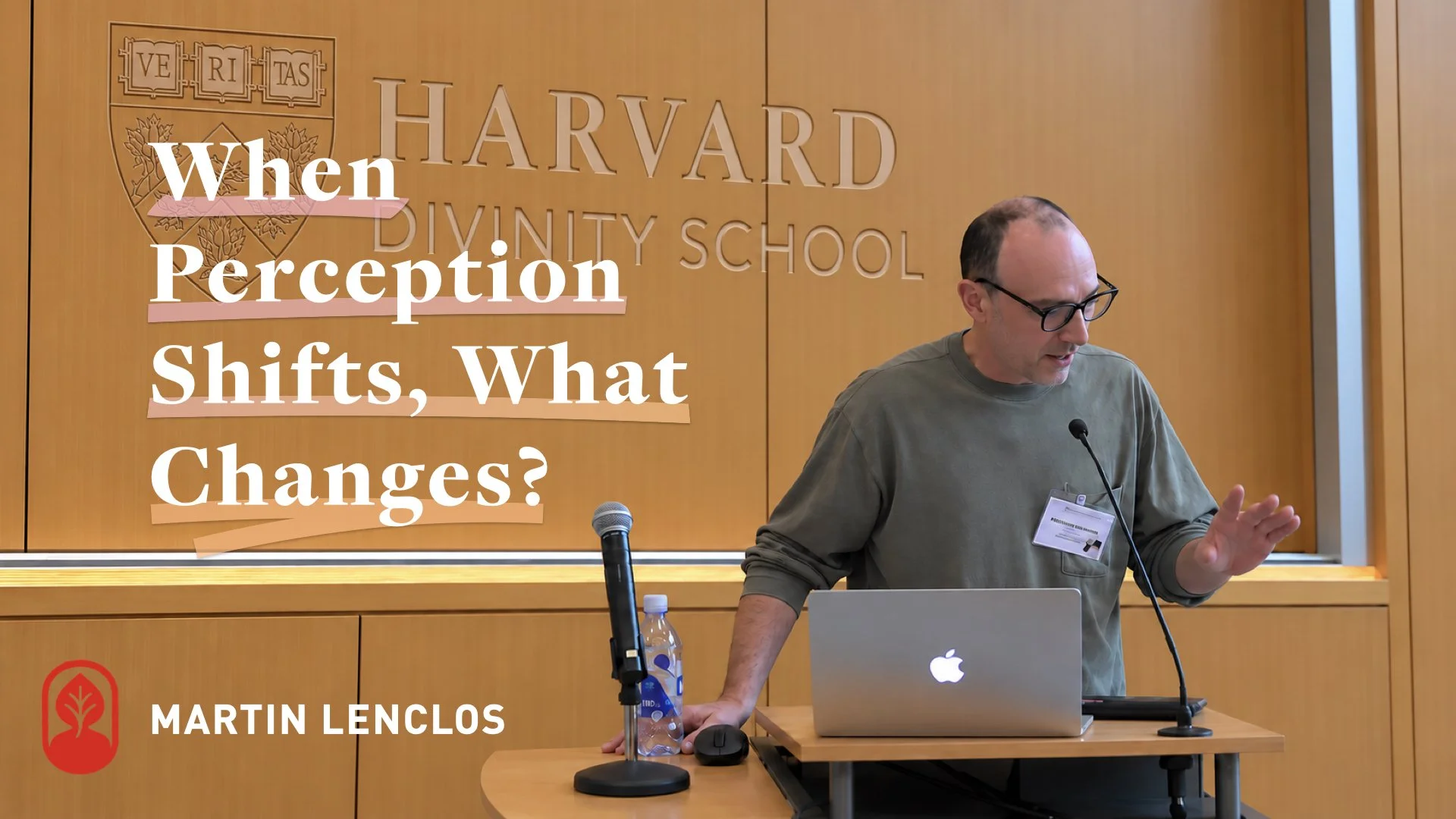
TALK › HARVARD PES 2026
You Can Practice Belonging Before Believing You Belong
A 20-minute paper presented at the Program for the Evolution of Spirituality’s Belonging conference at Harvard Divinity School on September 25, 2026.
Belonging can be practiced before we believe that we belong. This is one of the central findings from the first six months of The Dreamer Project, a three-year experiment in ordinary life exploring what changes when consciousness is provisionally treated as fundamental.
Formats
Artist-designer Martin Lenclos creates situations in which questions of perception, design, consciousness, and identity can be entered, observed, and discussed.
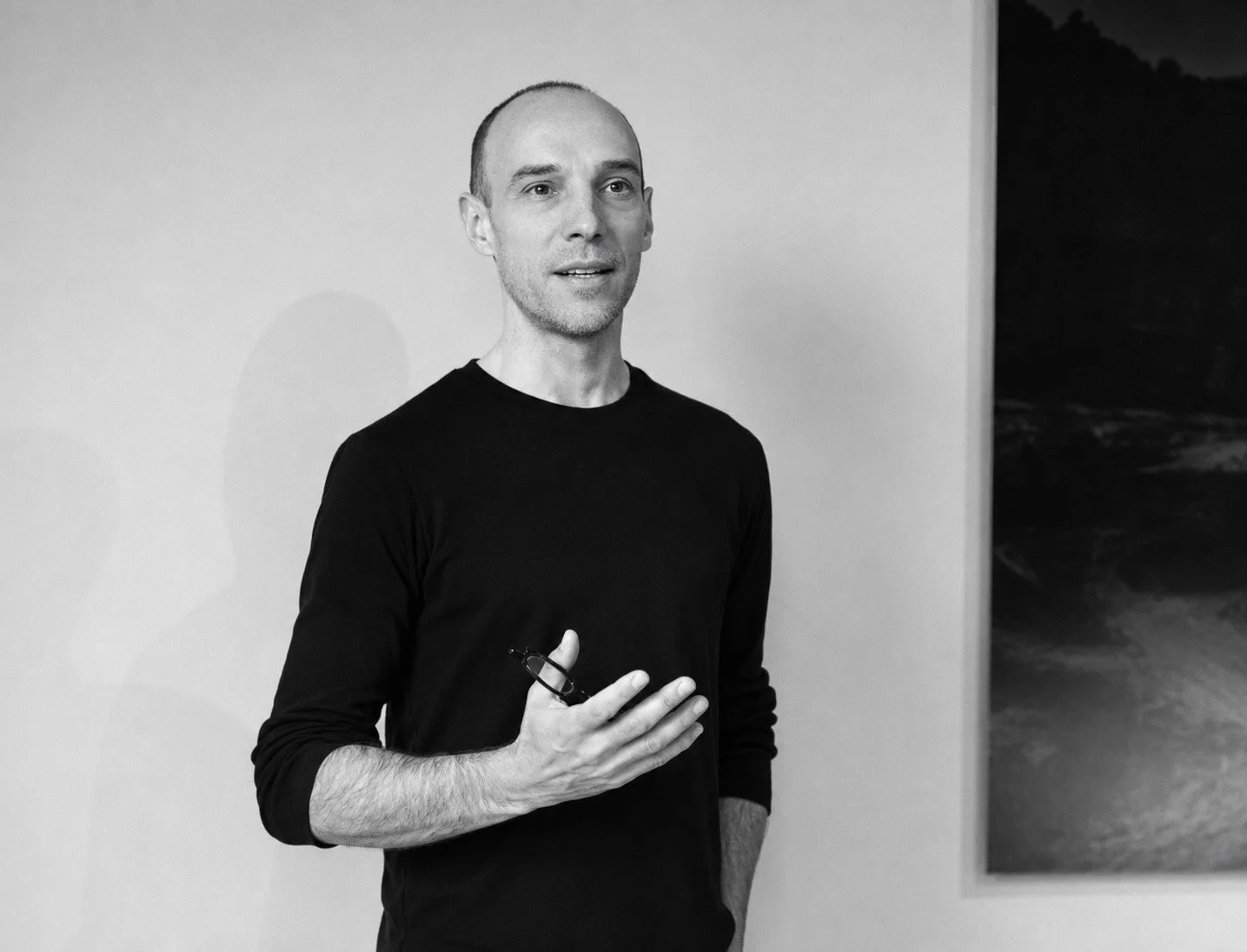
Talks
15-90 minutes
Image-led talks combine philosophical inquiry with perception experiments that invite audiences to observe the mind at work and ordinary life as a field for perceiving differently. In panels, Lenclos brings a design-led, experiential perspective to theoretical conversations.
A focused artist talk can also trace 30 years of work, from painting and photography to virtual worlds, media arts, apps, installations, furniture, and design objects.
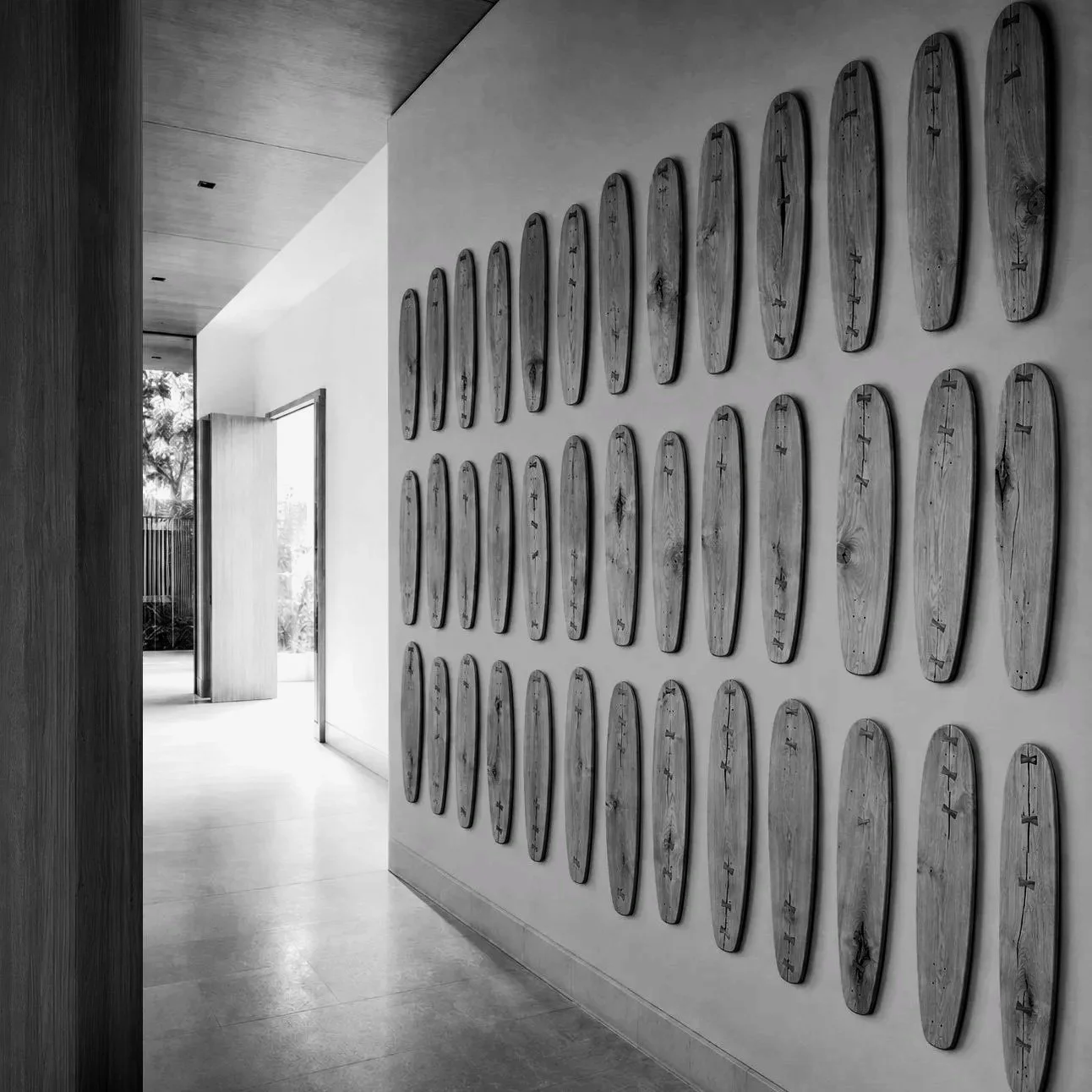
Installations
Site-responsive works
Objects, images, prompts, and environments that make a question perceptible through direct encounter. Existing works may be presented independently or adapted in relation to an exhibition, gathering, or institutional setting.
The painted mises-en-scène Contours of Impermanence and the Board Rooms offer reference points for these spatial and site-responsive possibilities.
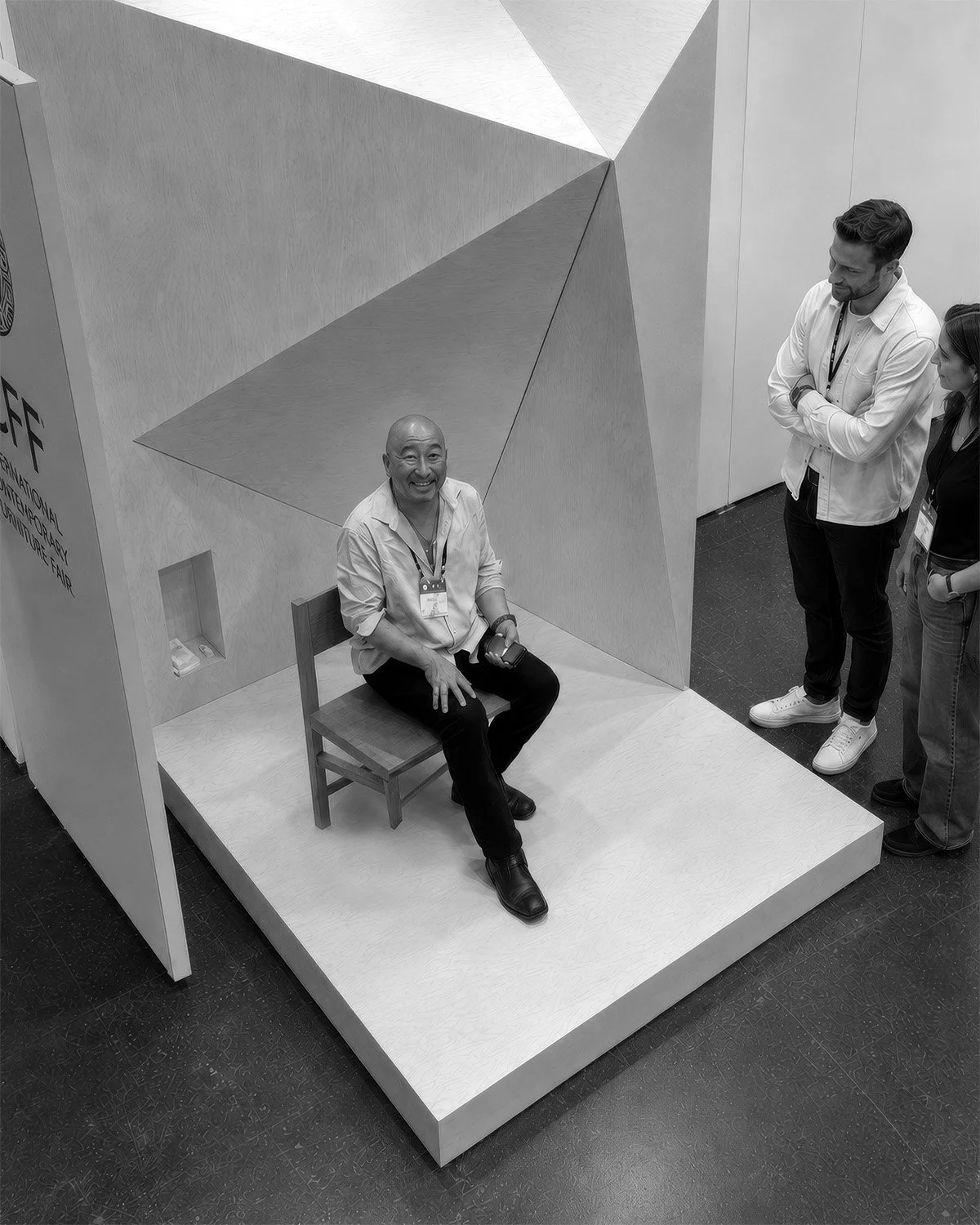
Shared Experiments
Participatory sessions
Designed situations in which participants observe how an object, identity, creative brief, or ordinary event has already been interpreted. These may include perception exercises, unresolved propositions, speculative design, and alternative readings developed into small experiments.
For art and design schools, the format may extend into a studio session developed in response to the course, students, and questions being explored.
Selected talks, collaborations, and programs
2026, paper for HDS PES “Belonging Without Faith: A Day-to-Day Experiment in Awakening” — view abstract and download (PDF)
2026, talk at Harvard Divinity School PES conference, You Can Practice Belonging Before Believing You Belong — watch presentation
2026, playlist curator at Waking Up, The Visual Learner — view playlist
2026, talk at Vision Lab, The First Reading Is Not the Final Truth — watch excerpt
2026, guest editor at Waking Up, Waking Up Stories x Martin Lenclos — view collaboration
Areas of Inquiry & Possible Subjects
Perception & the First Reading
How attention, expectation, memory, identity, and context organize experience before conscious reflection, and how interrupting that first reading can alter judgment, agency, and response.
· Observation and interpretation
· Perception before judgment
· Trust, defect, risk, and value in objects
· How first readings shape decisions, conflict, and relation
Art & Design as Philosophical Method
How artworks, objects, interfaces, and participatory situations can turn abstract questions into conditions that can be encountered, tested, and discussed.
· Witness objects and self-questioning devices
· Perception as artistic material
· Speculative and deliberately unresolved design
· Prototyping philosophical questions
Ordinary Life as Philosophical Experiment
How philosophical and contemplative premises, including the hypothesis that consciousness may be primary, can be translated into practices, constraints, field tests, and structured observation without treating subjective change as metaphysical proof.
· What experience can and cannot establish
· The Dreamer Project and first-person and practice-based research
· Designed conditions, logging, null results, and protocol revision
· Ordinary life as a site of inquiry
AI as a Tool for Philosophical Inquiry
How AI-assisted tools can turn philosophical questions into structured experiments, help organize first-person observations, and identify patterns and contradictions across longitudinal research without replacing human judgment or treating generated interpretations as findings.
· AI-assisted practice assignment and experimental constraints
· Daily Allocator, Practice Match, and Log Note Refiner
· Human judgment, interpretive bias, and the limits of AI-assisted research
· Analysis of longitudinal field logs and emerging patterns
Identity, Relation & Shared Reality
How shifts in perception alter the felt boundaries between self, other, and world, and what those shifts may mean for belonging, difference and separation, conflict, conduct, and repair.
· We The Dreamer, nondual philosophy without religious authority
· Belonging, difference, separation, othering, and repair
· Individual and shared readings of reality
· Self, other, and relational perception
Across these areas, the work distinguishes experiential change from metaphysical proof and treats ambiguity, reversibility, ethical limits, interpretive framing, null results, and revision as part of the inquiry.
Where the work can enter
-
Examining the framing that precedes the brief, the problem, and the proposed solution.
-
Treating perception, participation, hesitation, and interpretation as artistic materials.
-
Making questions about phenomenology, idealism, nonduality, identity, and consciousness experientially present.
-
Adding a visual, participatory, or object-based dimension to an otherwise discursive program.
-
Separating evidence from interpretation and turning alternative readings into testable experiments.
-
Exploring AI as an instrument for designing experiments, structuring first-person observations, and examining qualitative data while investigating the limits of machine-assisted interpretation and human judgment.
About Martin
Martin Lenclos invites audiences to observe the mind at work through short perception experiments drawn from his ongoing research and the consciousness-first hypothesis he is developing in doctoral study. Using self-questioning tools, reworked everyday objects, and brief guided exercises, he treats ordinary life as a field for testing how perception shapes experience.
Martin is an artist-designer and founder of L’Enclos, an independent studio-lab. He came to the United States working across conceptual art, design, and video-game technology, later founding several startups and developing projects with MoMA and the Museum of the Moving Image. He is a PhD student in Philosophy, Cosmology, and Consciousness at CIIS, CA, USA.
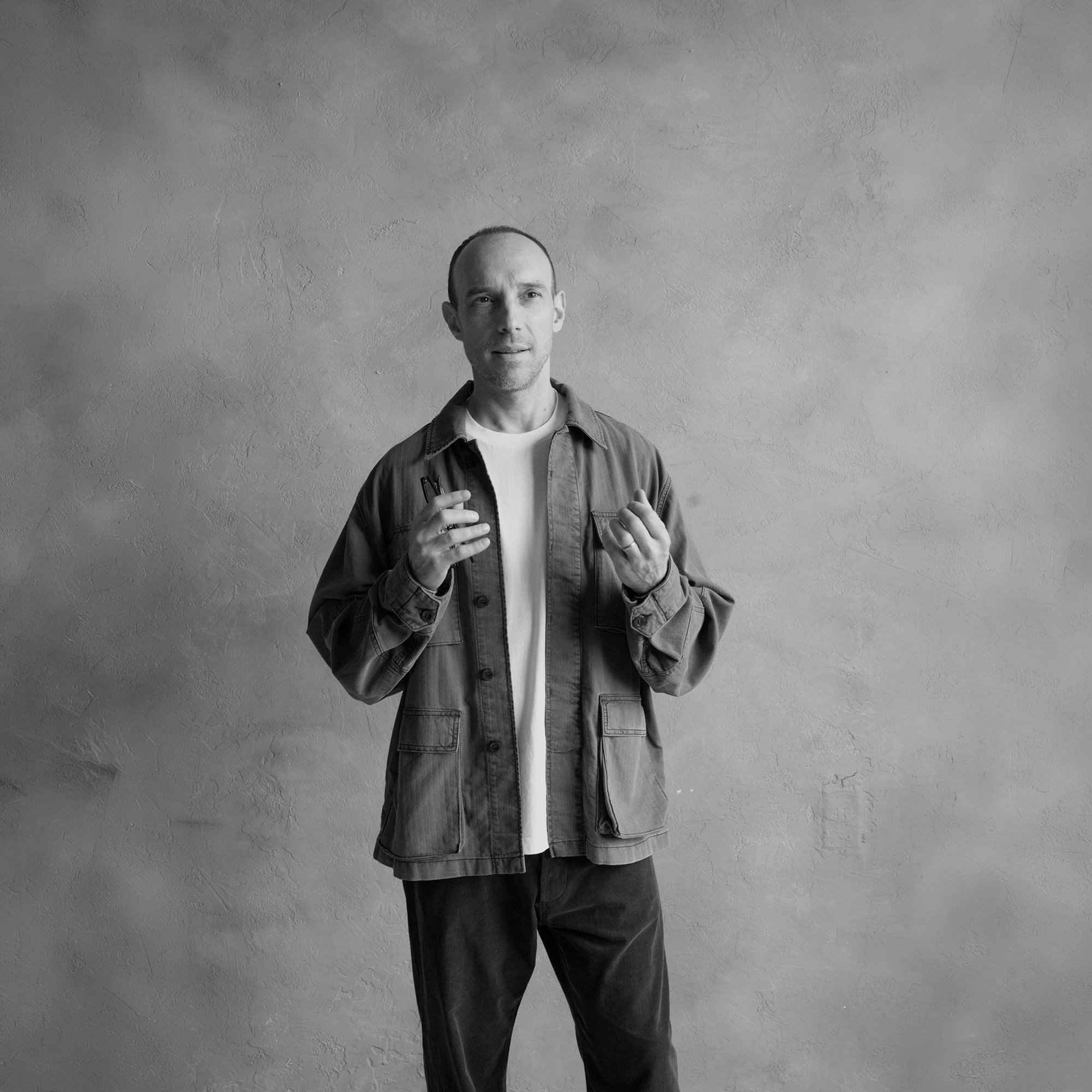
Photo: Caroline Mardok
Discuss a program
Talks, studio sessions, and shared experiments can be adapted to conferences, schools, cultural institutions, research programs, and interdisciplinary teams.
Discuss a Talk or Program →The First Reading Is Not
the Final Truth
A talk by Martin Lenclos. Edited excerpt from Vision Lab Collective, July 15, 2026
A presentation on perception as a creative act, using artworks, design objects, and ordinary situations to test how first readings can be interrupted and revised.
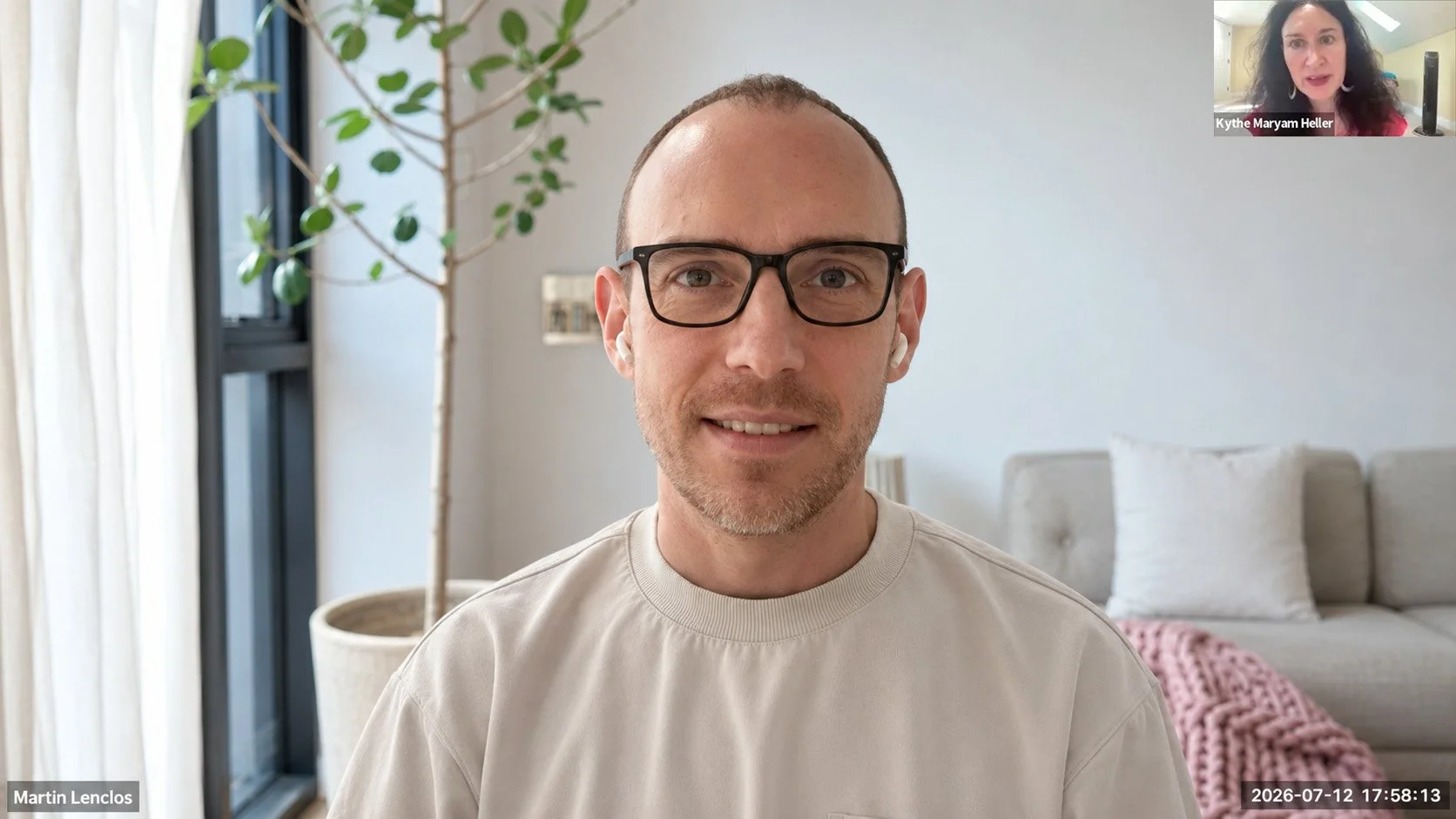
Vision Lab’s post-salon reflection described the presentation this way: “Martin’s work asks us to interrupt this perceptual closure. His designs do not merely produce beautiful or strange objects. They train the faculty of noticing. They ask whether ordinary life itself might become a field of practice, where perception can be loosened, revised, and made more spacious.”
“Martin Lenclos invited us into the strange, generative interval between perception and interpretation, asking how the mind’s ‘first reading’ of reality is shaped, interrupted, and revised through objects, design, attention, and ordinary life itself.”