ART & DESIGN
Perception Is the First Creative Act
A foundational idea behind L’Enclos: before anything is made, perception has already shaped what appears possible.
Last updated: June 20, 2026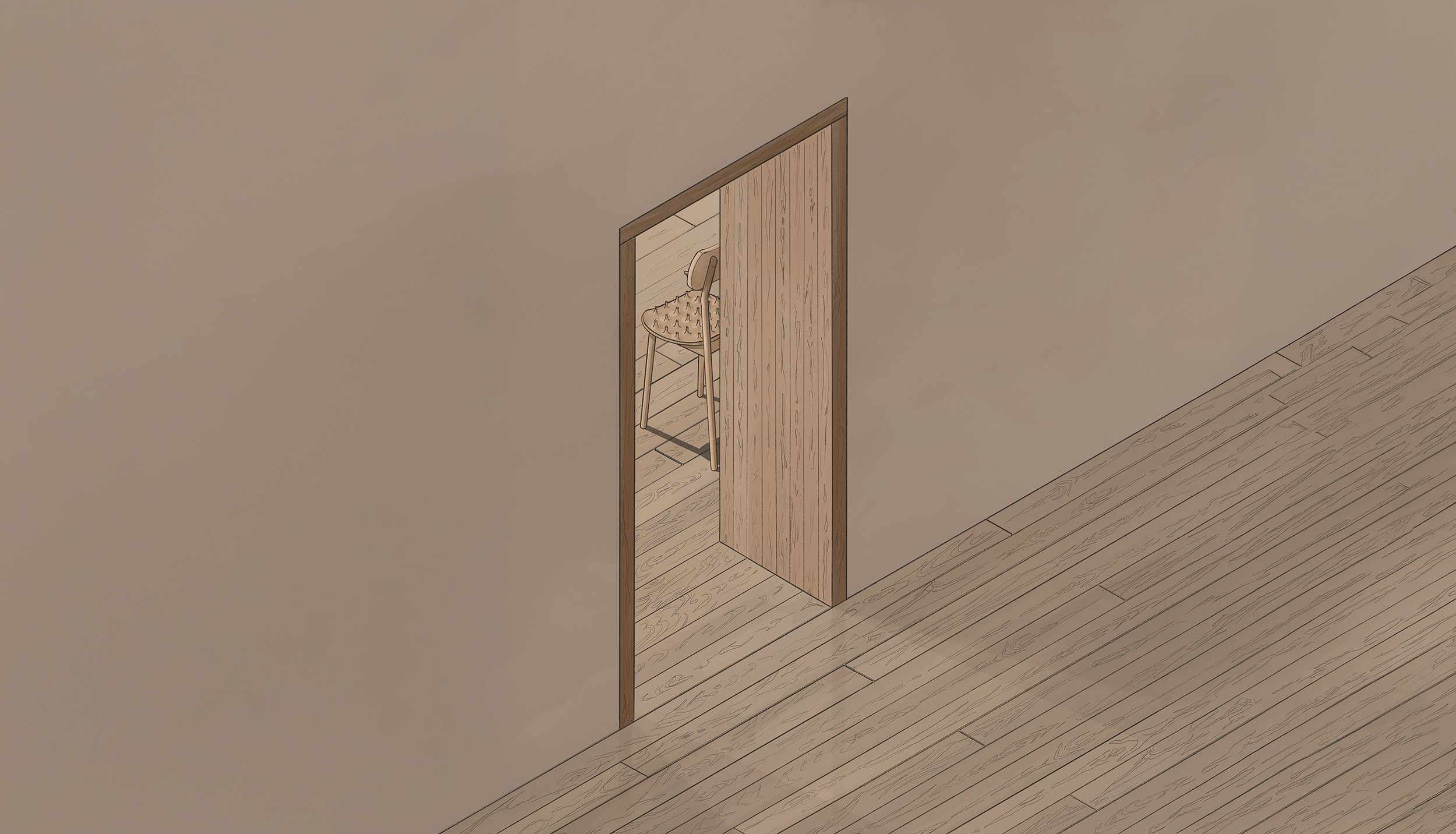
The first reading is not necessarily wrong. It is organized.
What appears immediate — taste, use, identity, value, threat, urgency — may already be shaped by assumptions, culture, habit, memory, and separation. The work begins by testing whether that first reading has to remain final.
Painted image: Martin Lenclos
Making does not begin with the object. It begins with the framing of experience.
-
The core thesis: before any object is made, experience is already being framed through attention, interpretation, and meaning. Read more →
-
The artistic origin: how painting, color, and early visual education revealed that perception is learned, shaped, and never neutral. Read more →
-
The applied work: how this insight becomes tools, exercises, field tests, and designed constraints for shifting attention. Read more →
-
A chronology of works read as changing ways of seeing — shifts in what reality seemed to be, what creativity was for, and how form translated a state of mind. Read more →
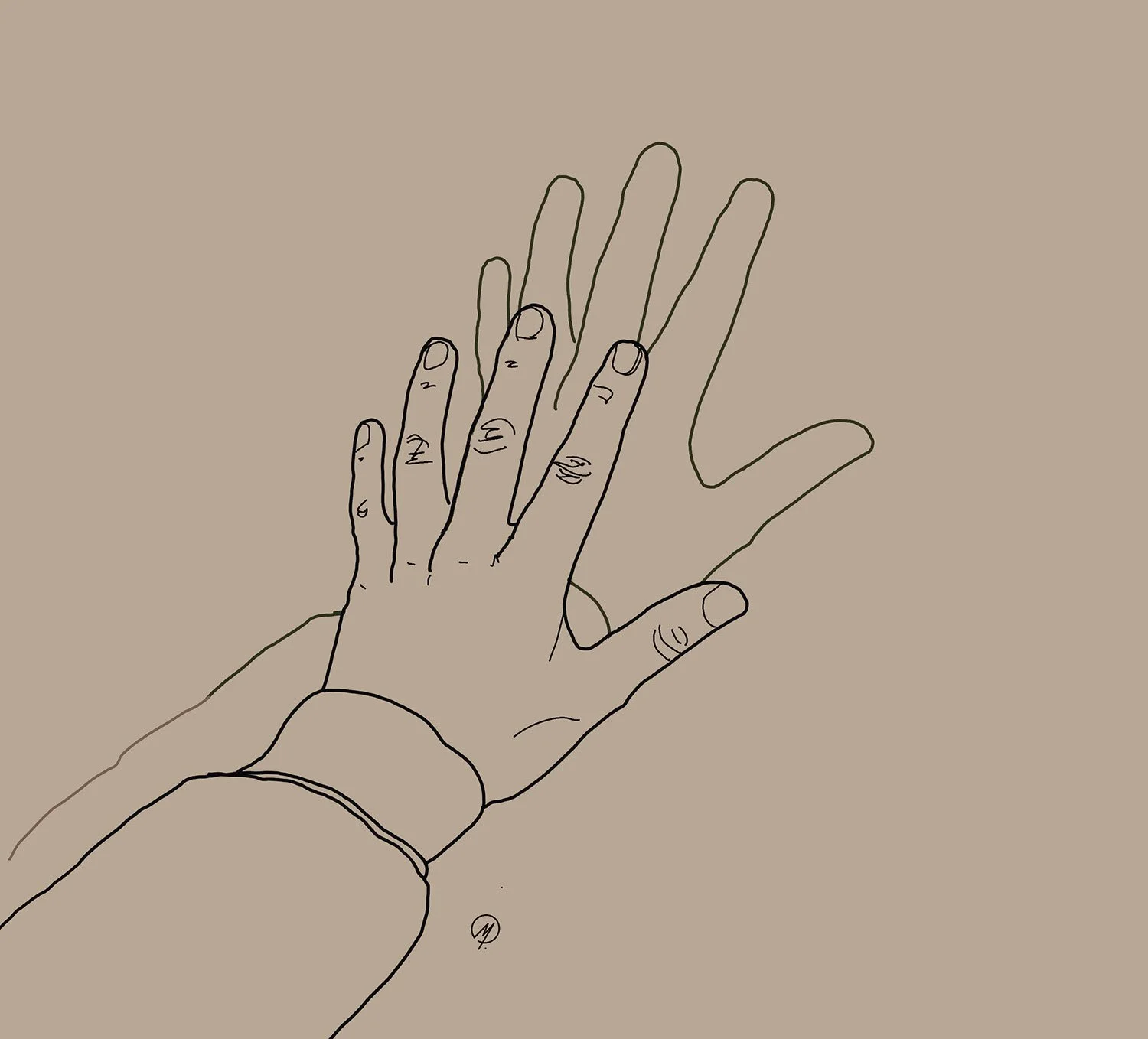
Sketch: Martin Lenclos
PERCEPTION IS THE FIRST CREATIVE ACT
Before you make anything,
something has already been made —
a world, shaped by how you see.
Before technique.
Before style.
Before critique, analysis, or story.
Experience is already being framed.
Attention selects.
Meaning gathers.
A scene becomes
threatening, beautiful, useful,
empty, alive.
That is where the work has moved: not away from making, but upstream — toward the conditions that make making possible.
Perception is my current test field. It is bounded, but more malleable than it first appears. The first reading is not necessarily false, but it is organized. You can reframe what appears, place another premise over the same scene, and choose not to treat the first interpretation as final. A subtle shift in seeing can change what becomes available next — in thought, emotion, relationship, action, or form.
I now use ordinary life as a site for testing perceptual shifts. Through practices, tools, and small designed constraints, I explore what changes when experience is approached through a different frame. What holds, what loosens, what repeats, and what becomes newly possible are all logged as part of the inquiry.
The work is still design. I build apps, tools, practices, and field tests that help structure these experiments. And it is still art, in the sense that perception itself becomes a medium: a way of shaping vision, testing meaning, and exploring how a world is read before anything is made within it.
The First Reading
Before perception becomes a decision, a reaction, or a relation, it often arrives as a first reading.
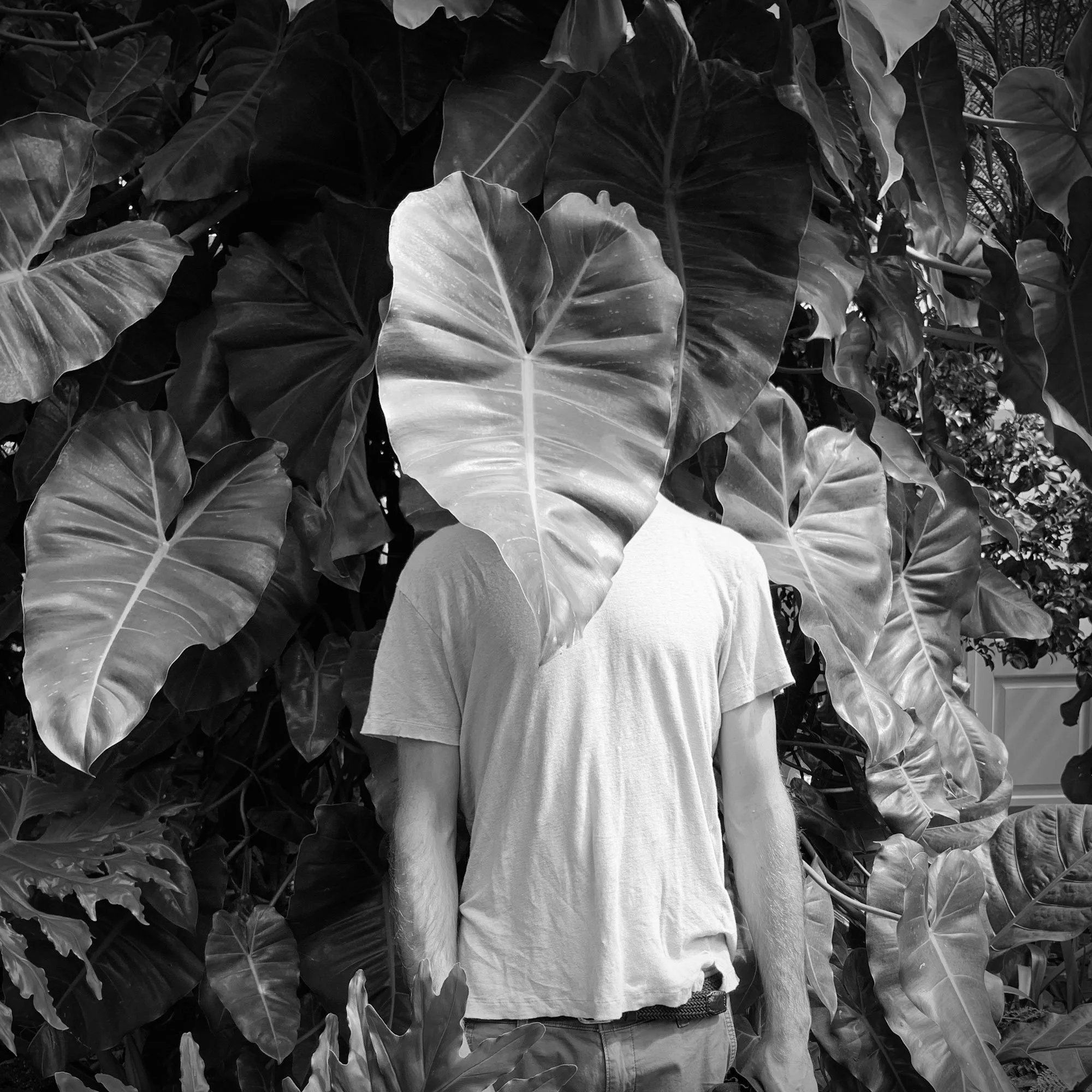
The first reading is not necessarily false. It may be useful, trained, protective, or culturally intelligent. But it is rarely neutral. It is already shaped by habit, attention, memory, context, desire, fear, and inherited assumptions.
The question is not simply whether the first reading is wrong. The question is whether it has become final too quickly.
If perception is organized, then perception can also be tested. It can be disturbed, reframed, practiced, and sometimes seen anew.
ORIENTATIONPerception
as Practical
Agency
A decision may begin earlier than the moment of choice.
Before we decide what to do, something has already been read: the situation, the self, the other person, the danger, the desire, the loss, the possibility.
If the first reading becomes final, action can follow from that reading almost automatically. But if the reading can be noticed and shifted, another response may become available.
This is the practical agency being tested here: not control over reality, but a small opening at the level of perception.
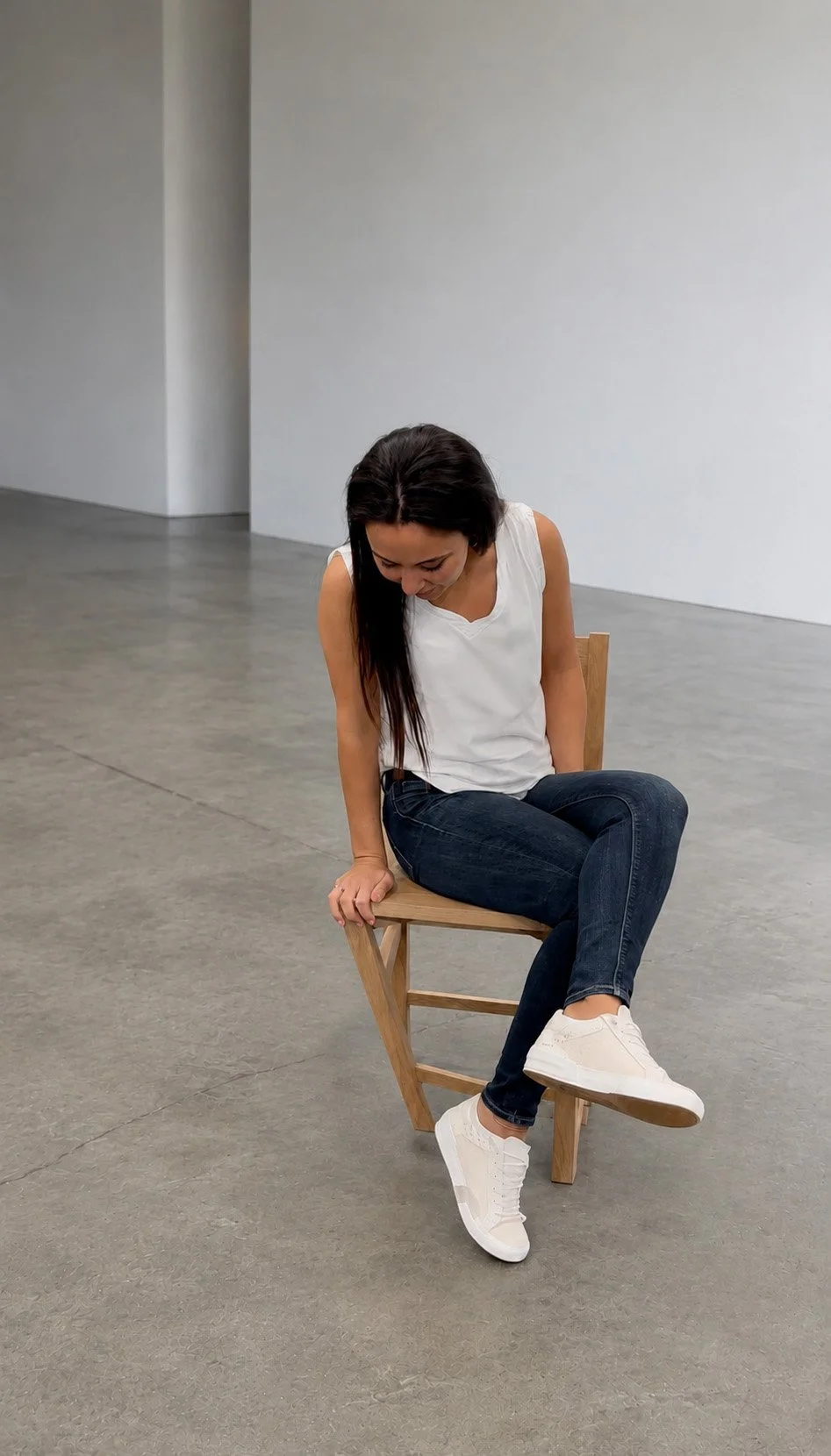
Sitting With the Unknown, Design Week, NYC
A field test in noticing how appearance becomes certainty.
WHERE THIS IDEA LEADS
From this premise, the work unfolds into project fields: objects, witness forms, shared experiments, and lived practice.
A current thread within this work is The First Reading Is Not the Final Truth: the idea that the first reading of a scene, object, person, or self may be useful, but not final. This thread connects objects, shared perception experiments, The Dreamer Project, and the return to objects as reminders of practice.
1
Images, objects, prototypes, and speculative works where seeing becomes the material.
2
Objects and situations that make the first reading of use, value, or certainty hesitate.
3
Familiar forms carrying public grief, violence, and moral disturbance without becoming slogans.
4
Shared conditions, masks, prompts, and workshops where perception shifts through participation.
5
Studio research formats that recalibrate interfaces, rituals, play, brands, and everyday systems.
DESIGNING PERCEPTUAL SEPARATION
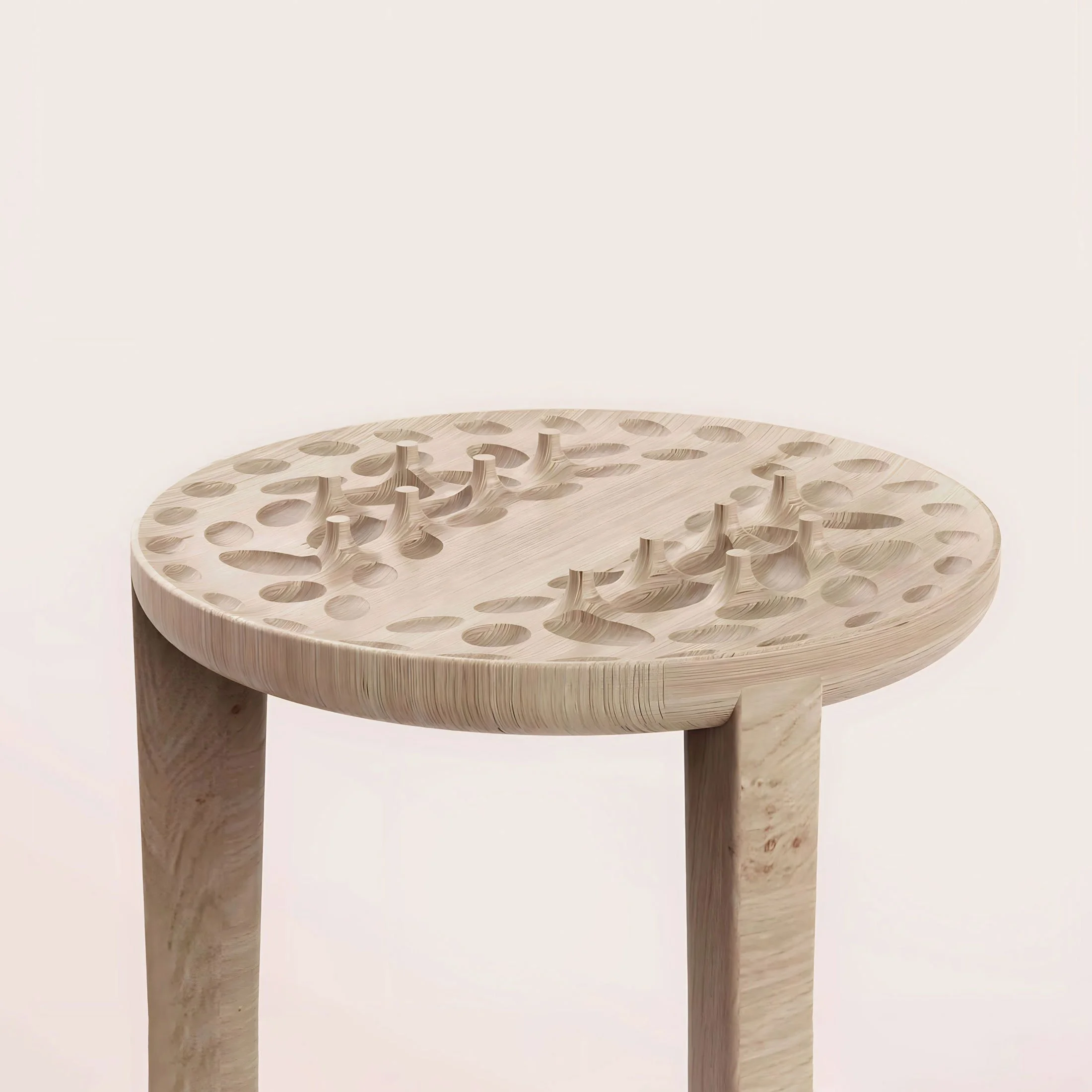
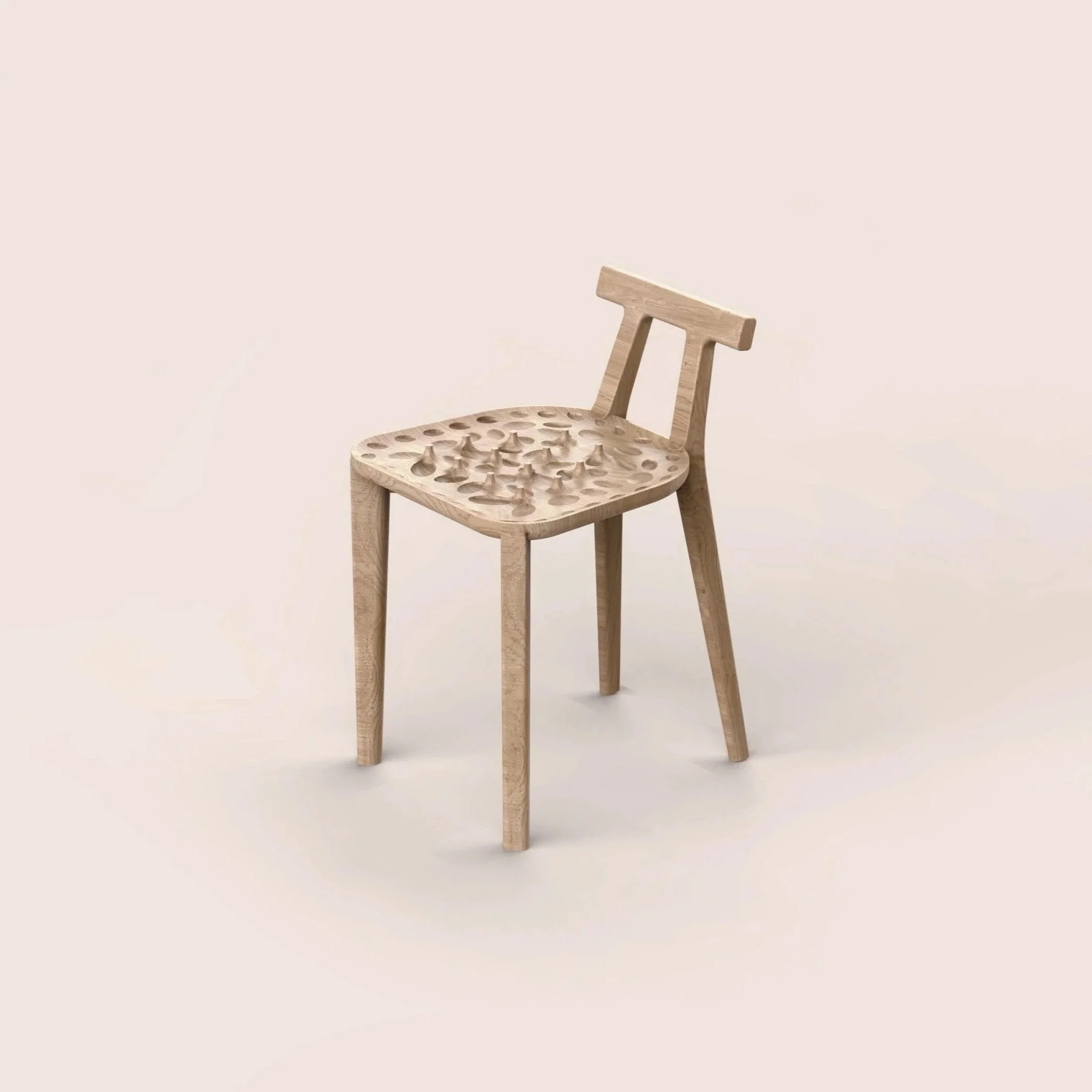
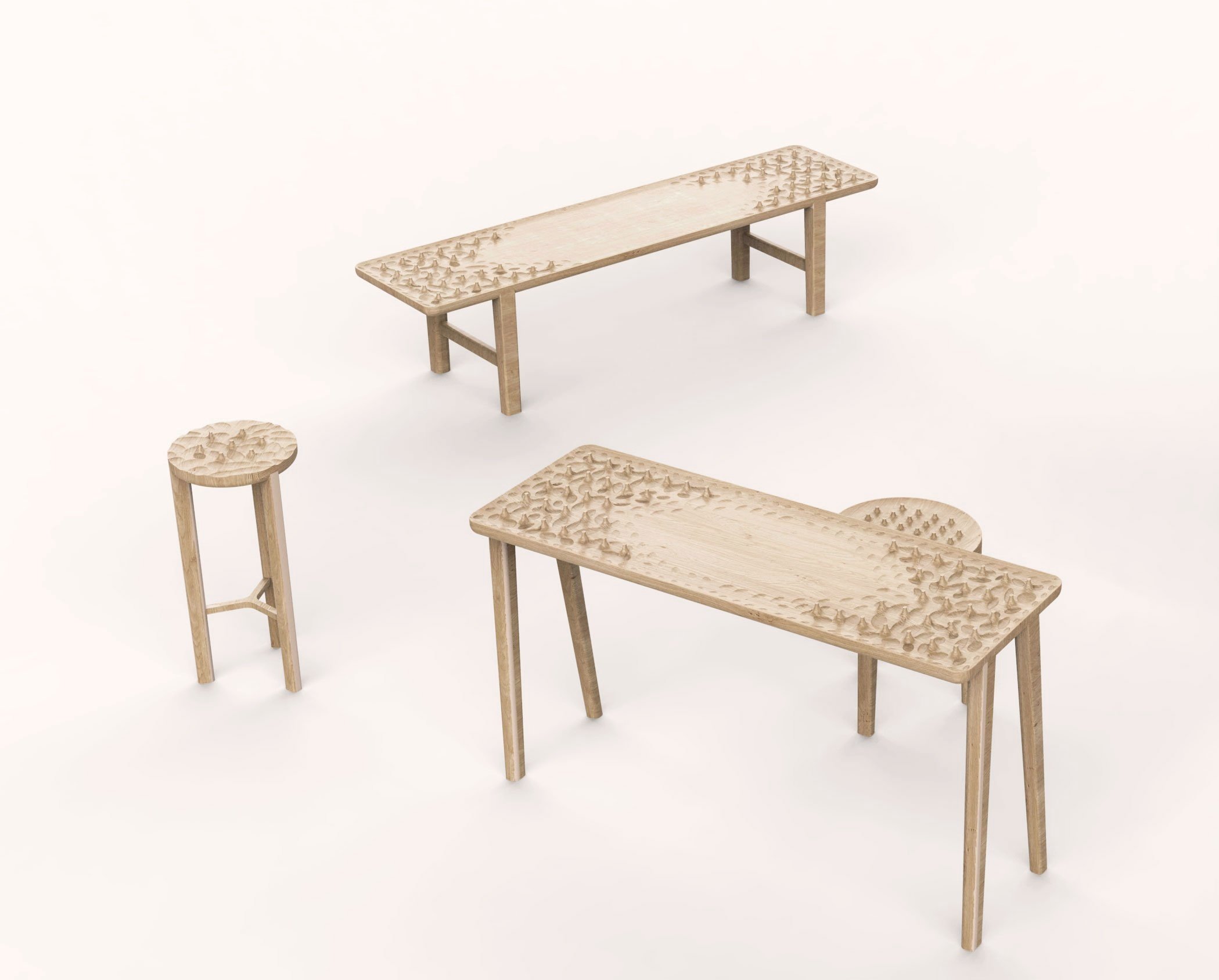
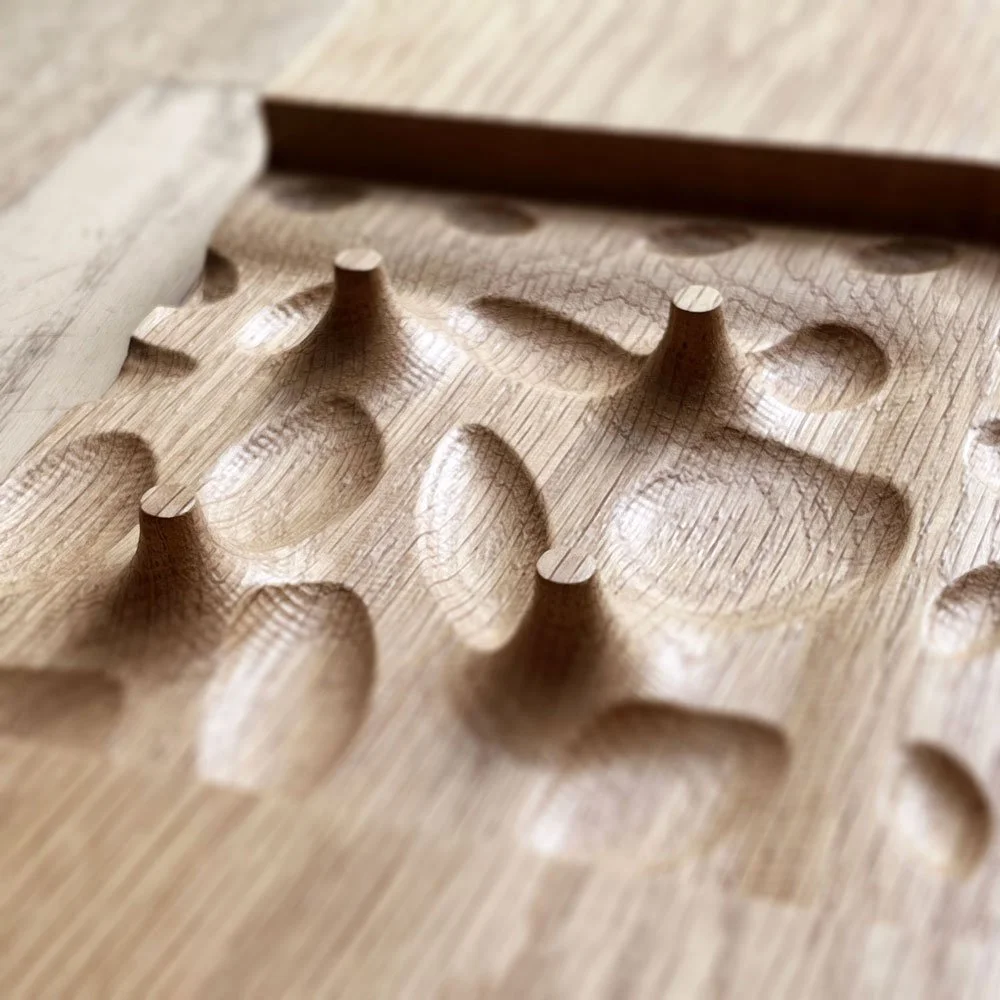
Perceptual Terrain began as a prototype inquiry into an object that both invites and resists use. A chair, stool, or table appears familiar at first, then becomes strange: surface turns into landscape, function becomes uncertain, and the mind has to decide whether it is looking at furniture, image, obstacle, or question.
The project asks whether an ordinary object can interrupt its own readability. Not to produce confusion for its own sake, but to test what happens when normality and abnormality appear in the same form, and when usefulness gives way to a small perceptual pause.
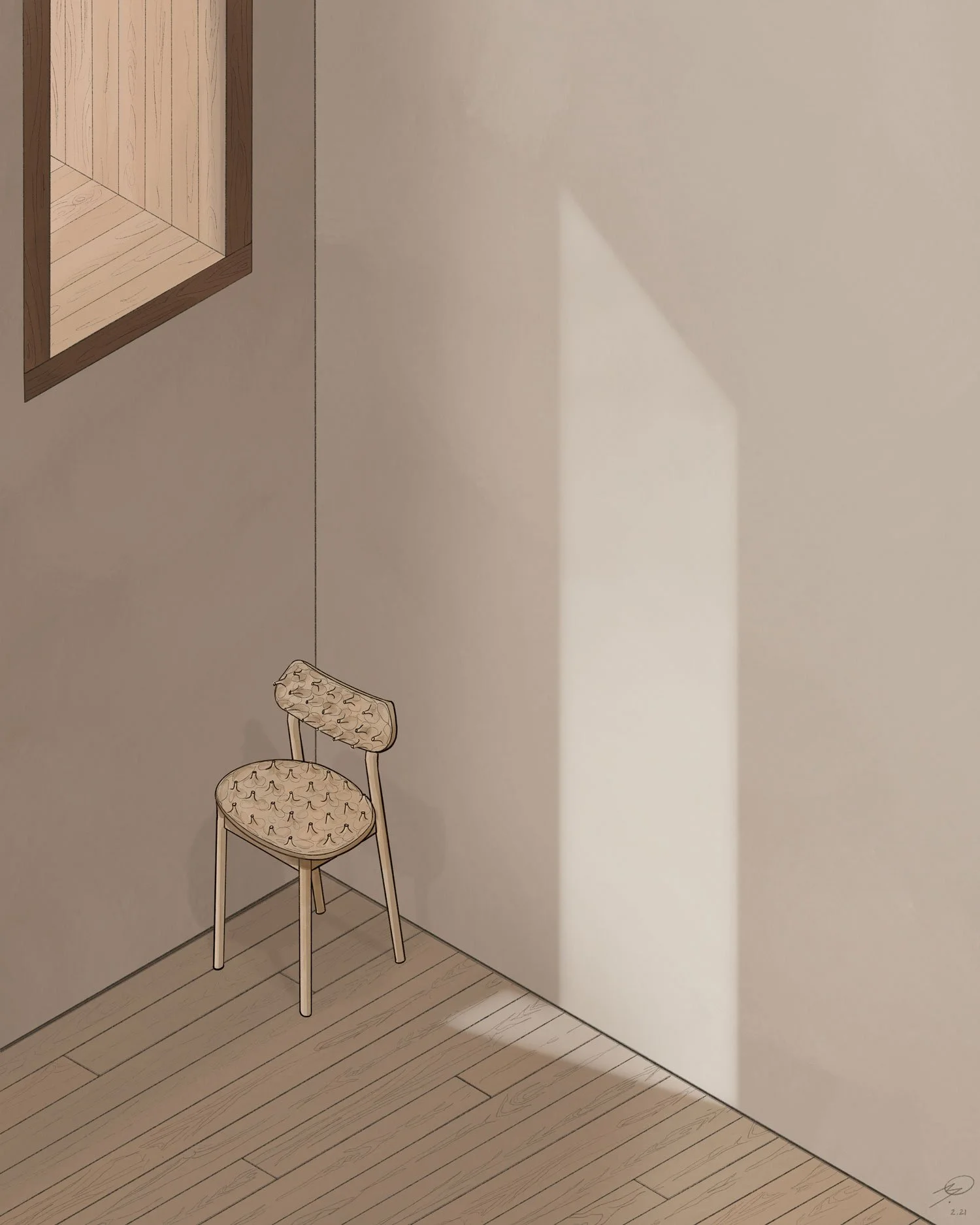
Object rendering: Chen CK; Painted image and wood prototype: Martin Lenclos
APPLIED ART & DESIGN
Perceptual Practice.
How that insight becomes art, design, tools, methods, and experiment.
DESIGNING FOR PERCEPTUAL SHIFT
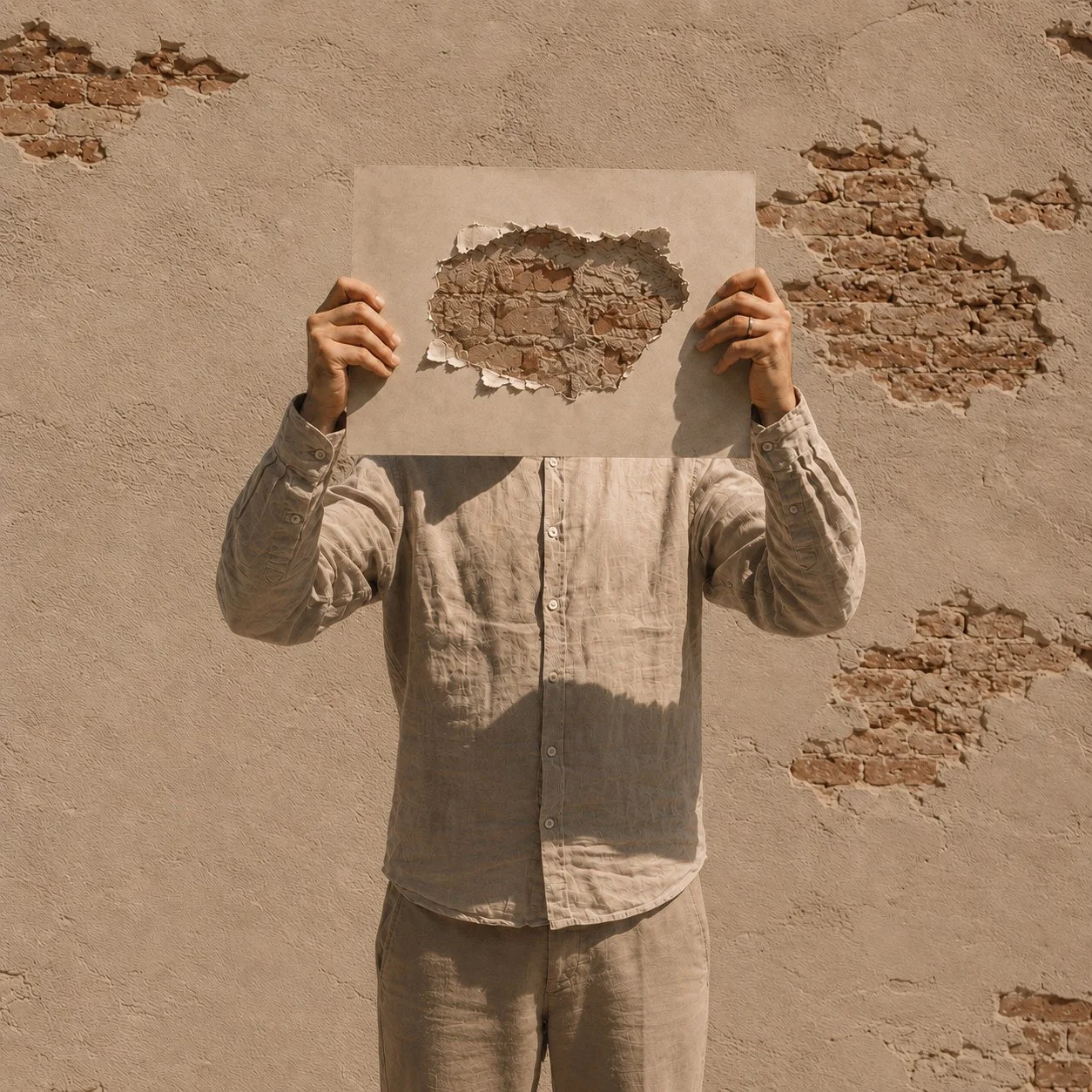
Perception is not only received, it can be framed, edited, and tested. Photo: Martin Lenclos
How I Work With Perception
What the studio makes now is no longer limited to images or objects. The artistic practice is now focused on possibilities within perception that I would not have recognized earlier as an artist: not only shifting how a scene is seen, or how a person or place is understood, but also questioning fixed meaning, testing unfamiliar frames, and trusting more fully the role of imagination in experience.
On the design side, this has meant developing consciousness-first principles, a catalogue of actions, and a practice library from a long process of reading, distillation, and experimentation across contemplative traditions, philosophy, and firsthand testing. From there, the work takes the form of designed conditions for seeing differently: daily instructions, constraints, scoring systems, situational web apps, logging tools, and small experiments embedded in ordinary life.
Some of these tools structure where and how the inquiry is tested — at home, in transit, under fatigue, in conversation, in repetition. Others translate the experiment into public forms: walkshops, guided trials, field sketches, and reflective or reactive media that make perception itself part of the material.
The through-line is the same: design not only as form-making, but as the shaping of attention, interpretation, and contact with experience.
PERCEPTION AS INQUIRY
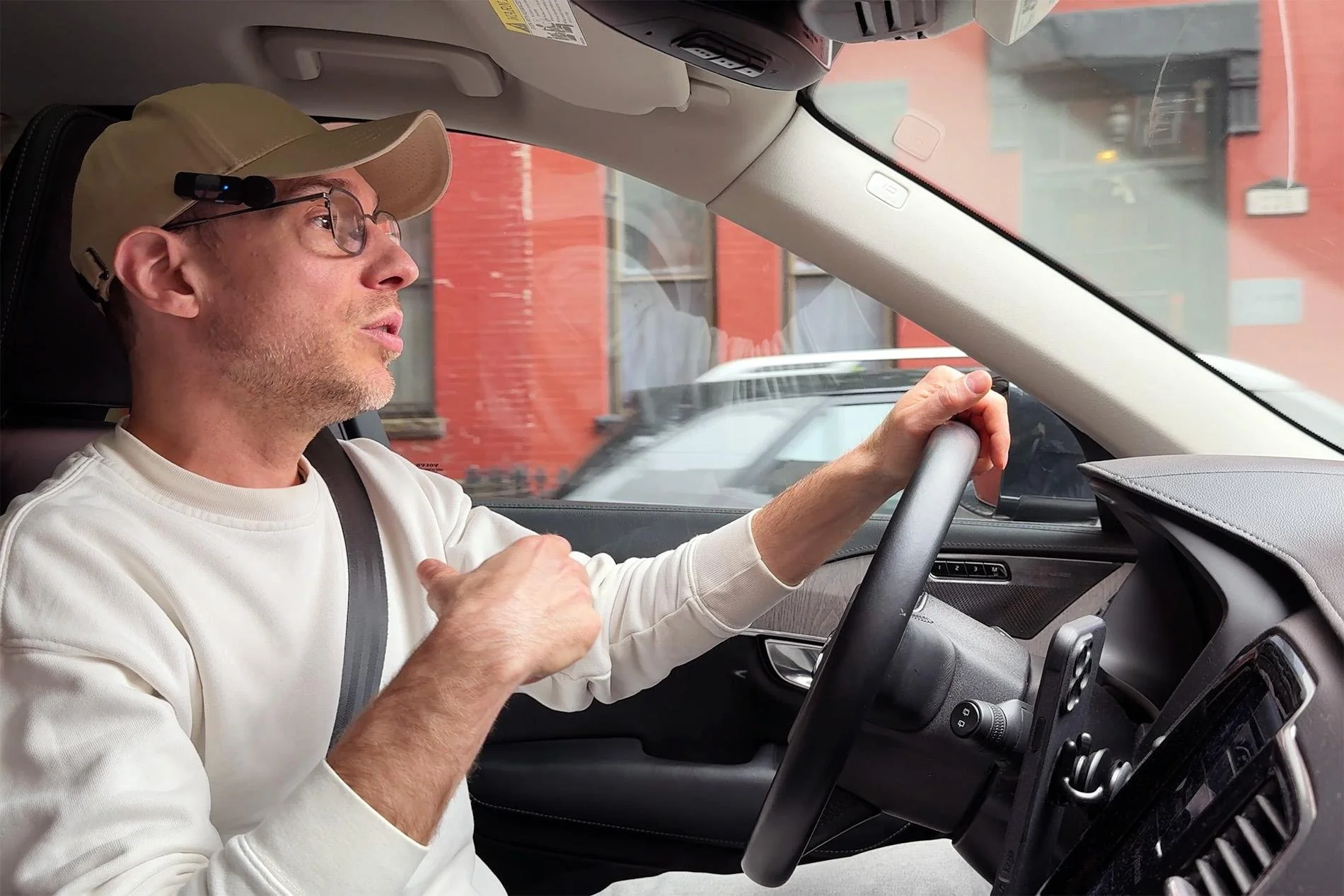
The Dreamer Report — still from “Drive-By” segment. Photo: Martin Lenclos
The Dreamer Project
Conceptual art extended into lived inquiry.
The Dreamer Project grows from the same artistic premise: that perception is not passive, and that the framing of experience is already a creative act. What began as a concern with trained seeing, interpretation, and perceptual shift gradually expanded into a longer experiment — one that moves beyond objects and images into ordinary life itself.
Since early 2026, Martin Lenclos has used practices, tools, logs, and designed constraints to test what happens when perception is treated not just as a subject of art, but as a medium of inquiry. In that sense, the project can be understood as a form of conceptual art that no longer stays inside the studio: a structure for observing how meaning gathers, how experience is framed, and what creative possibilities emerge from a different premise.
What is the Dreamer Project →DESIGNING PERCEPTION
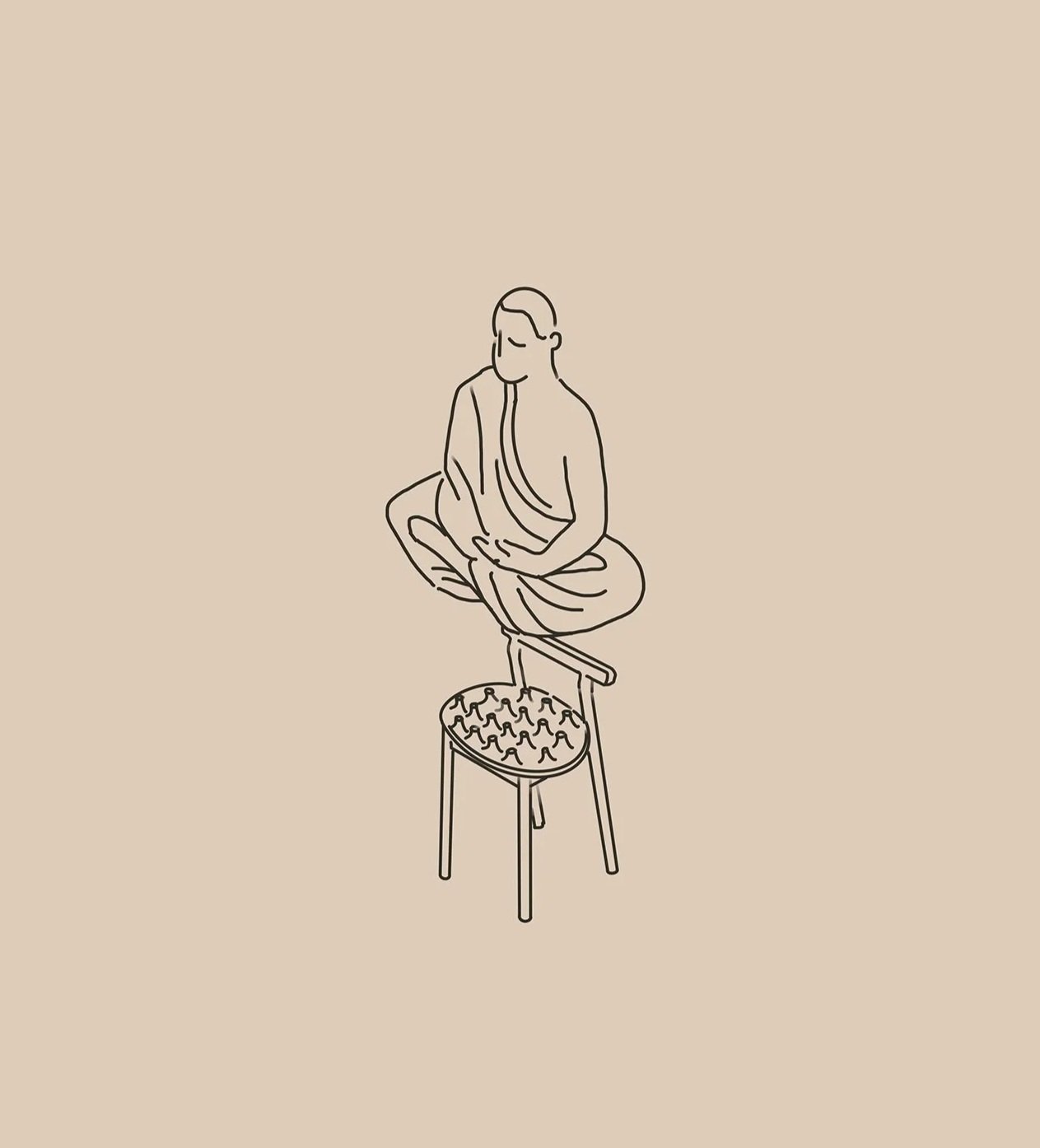
The Design Monk. Illustration: Martin Lenclos
Design for Nothing
The method Design for Nothing grows directly out of the same artistic question at the center of this page: what happens before form, judgment, and meaning lock into place? It treats negative space not only as a visual principle, but as a mental one — a deliberate clearing around fixation, over-interpretation, and automatic response.
In that sense, the method is less about producing an object than about shaping the conditions from which perception, action, and creation emerge. For artists, designers, and makers, it offers one practical way of working with attention itself: subtracting noise, loosening the first reading, and making room for a different gesture, frame, or possibility to appear.
Explore Design for Nothing →PERCEPTION IN PHASES
From Objects to Perception, 1985-present
Across decades of work, each body of work reflects not only a medium or period, but a way of seeing. Read together, they form a loose chronology of perceptual phases — shifts in what reality seemed to be, what creativity was for, and how form could translate a state of mind.
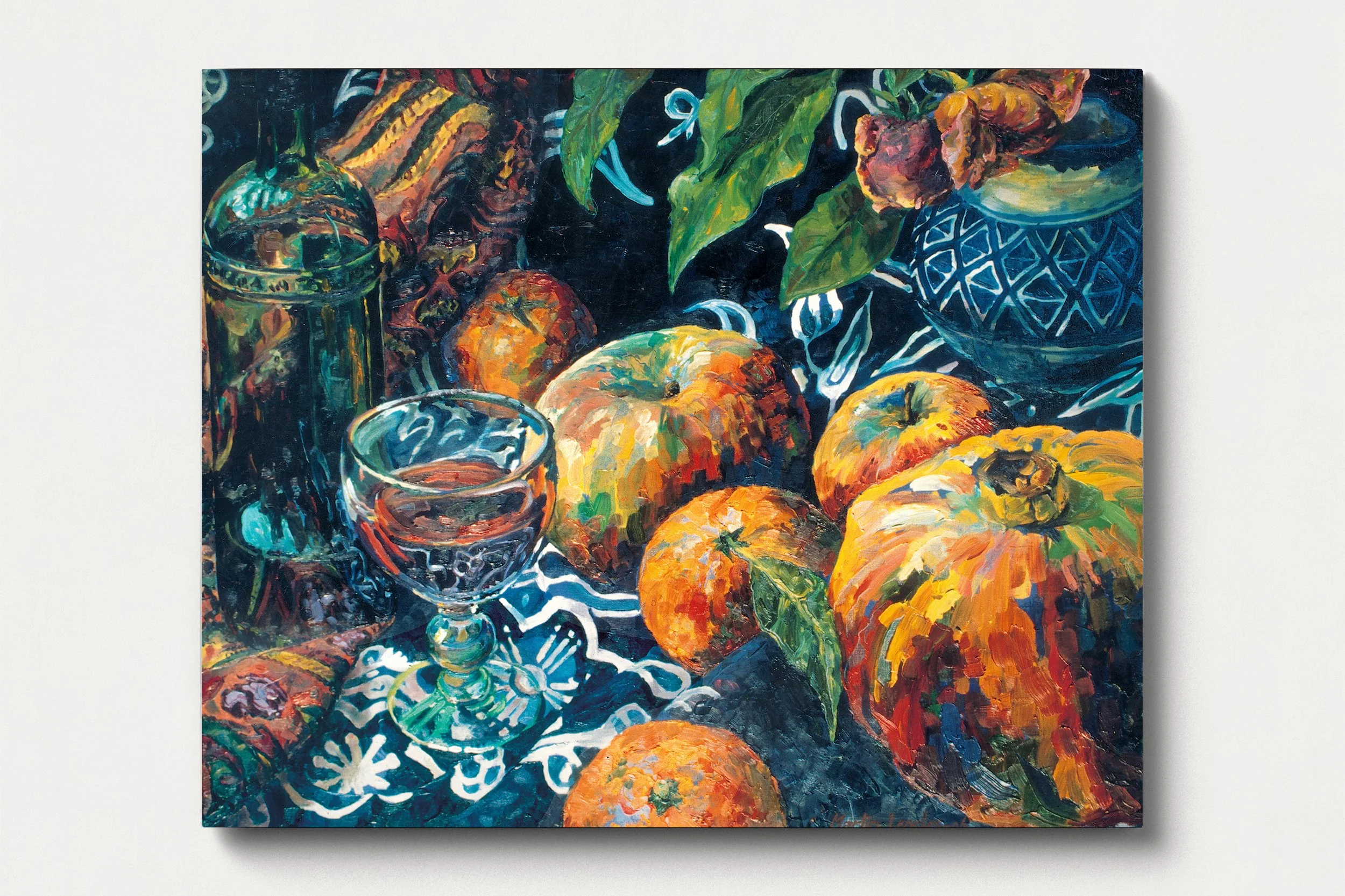
REALITY THROUGH LIGHT AND COLOR — 1985–1995. Oil painting and watercolors in an Impressionist style. I started developing the sense that reality was more than what stood before you, and that artistic talent lay in how it could be interpreted through color, light, and form — pushed further from the ordinary. Perception was still outward-facing, but already shaped by translation. (Nature morte pour Emmanuel, oil on canvas — 1995)
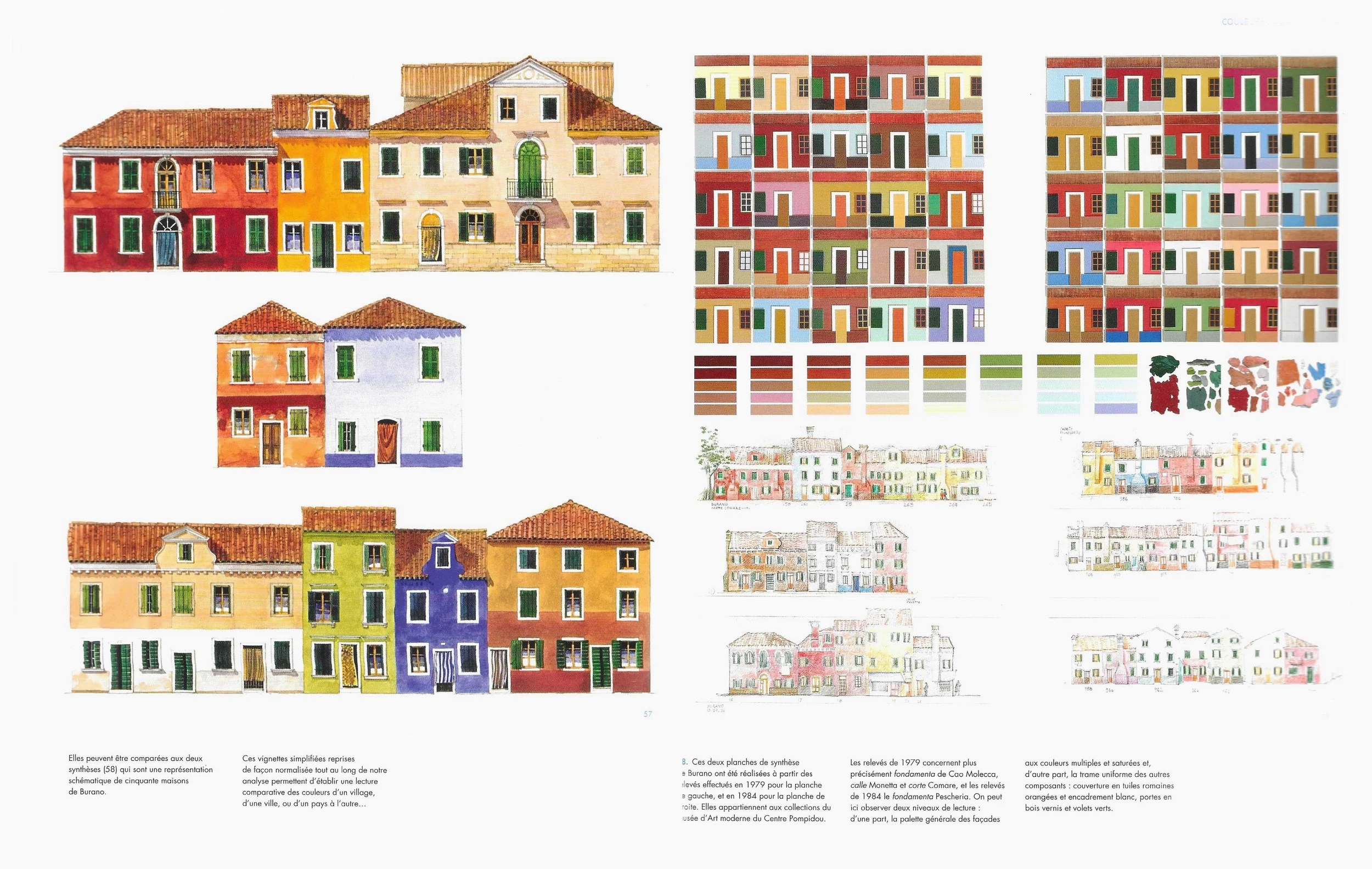
COLOR AS WORLD SYSTEM — 1992–1995. Interning at my father’s design studio, I helped build syntheses of houses and color environments from cities around the world in support of his Geography of Color theory and books. Perception shifted here from individual observation to patterned intelligence: the world as a field of human environments shaped by culture, place, climate, and shared visual logic. (Couleurs de la Méditerranée — Jean-Philippe Lenclos, 2016)

THE BODY AS IMMEDIATE REALITY — 1994–1998. Essence of Vulnerability nude drawings belonged to a phase in which reality felt less like something to theorize than something to study directly through presence, anatomy, and observation. The body became a primary site for artistic translation rather than philosophical projection. (Essence of Vulnerability, No. 6, acrylic on paper — 1996)
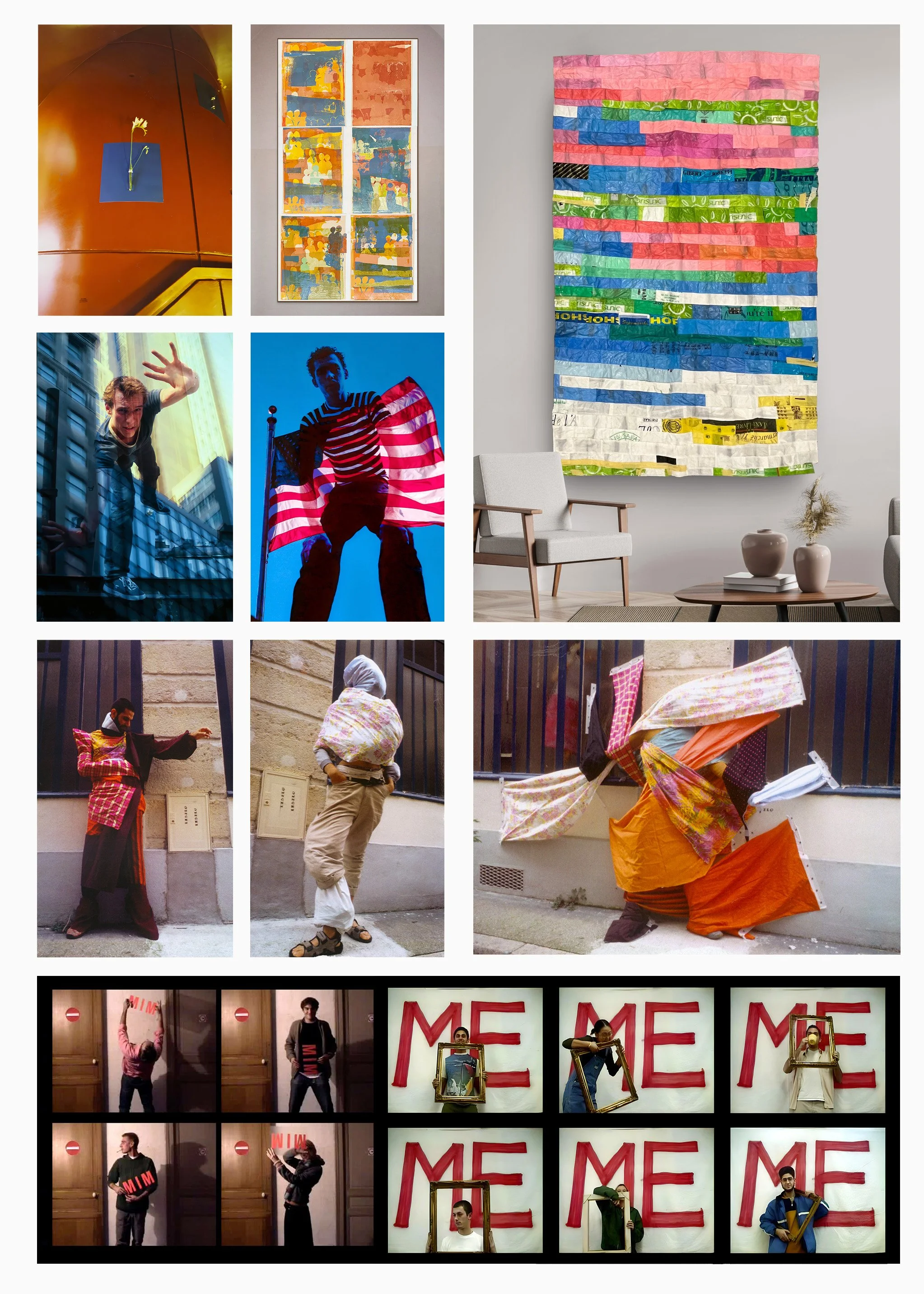
THE NEED FOR EXIT — 1998–2000. Across paintings, installations, photo collages, and works made with recycled plastic bags, styrofoam packing, clothing, and found materials, the need for exit became a recurring perceptual theme. The work grew from a sense that human life is lived inside contradiction — shaped by inherited structures, false certainties, and systems of belief that often imprison as much as they guide. Perception turned inward, searching for an exit located less in the world outside than in the mind itself. (Mixed projects and media — 1998-2000)
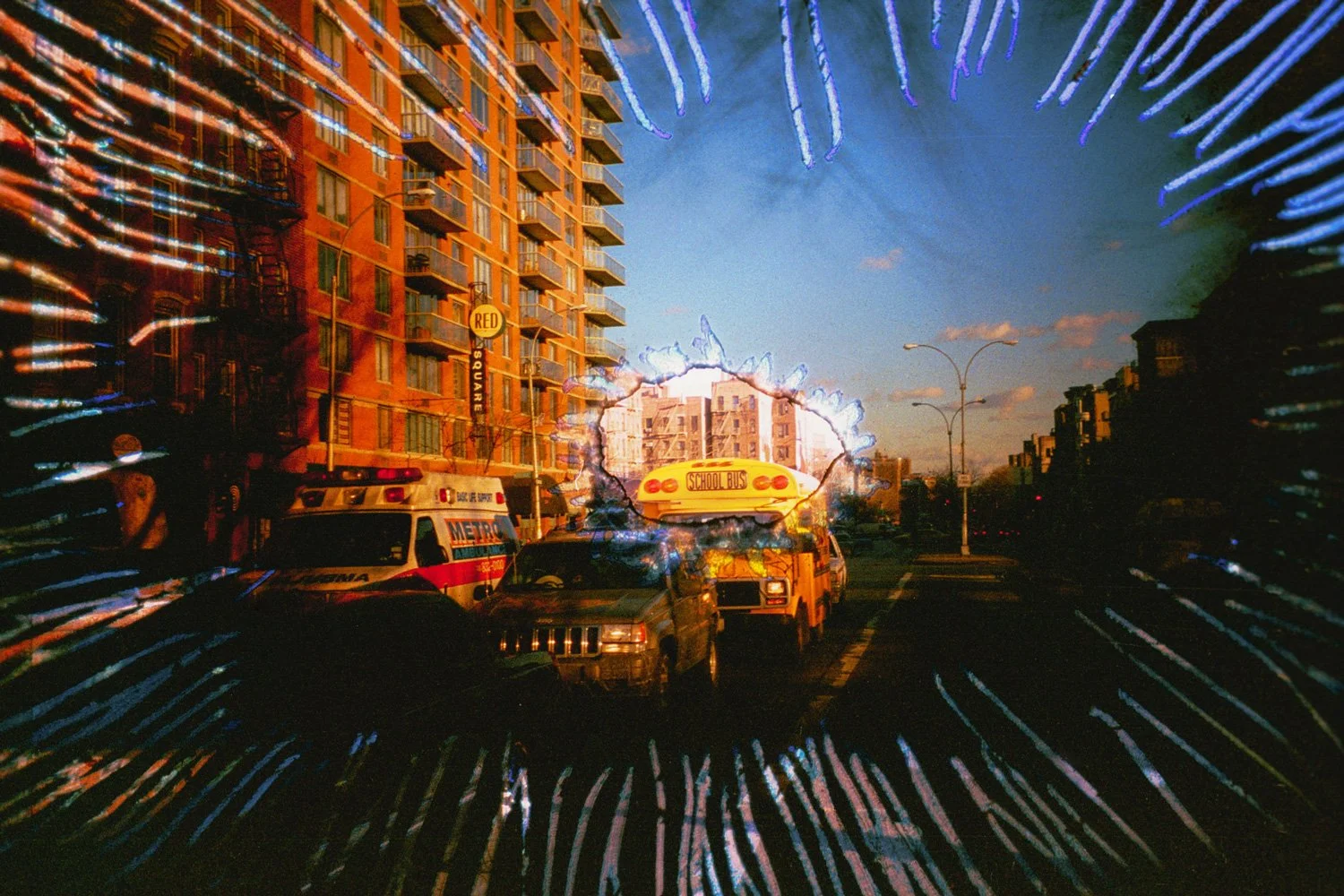
DELOCALIZED PERCEPTION — 1999–2000. Veil of Perception — early photographic and noncomputer experiments with double exposures and shadow images emerged from a shift brought on by moving to the United States and entering a new cultural frame. The field of perception widened, inner impression became more vivid, and photography turned into a way of translating perceptual freedom.(Veil of Perception, No. 8, analog shadow image photography — 2000)
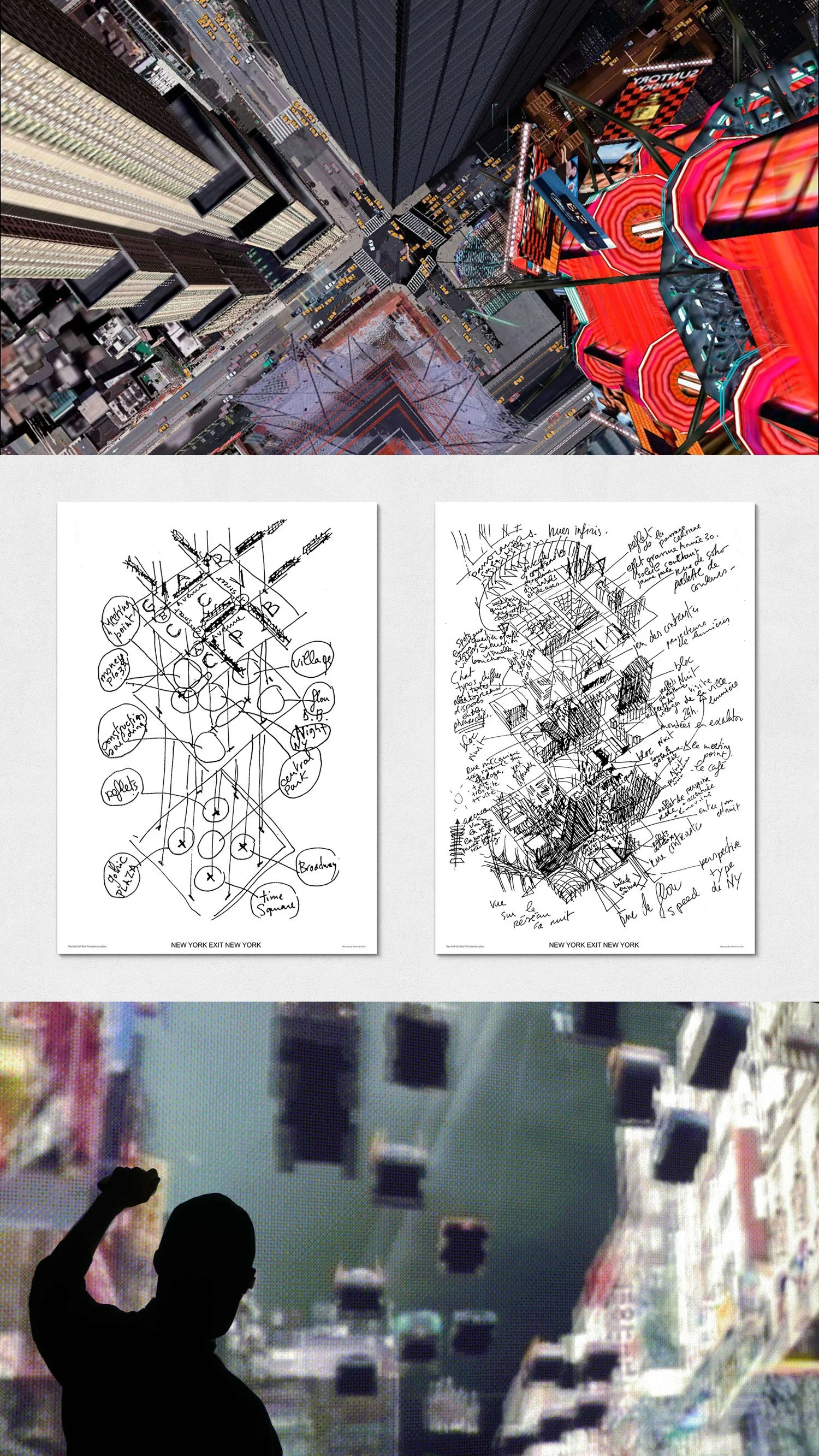
REALITY AS MENTAL MAPPING — 2001–2007. The virtual worlds, such as New York Exit New York and Fluctuating Realities, grew from the sense that an outsider does not simply see a place, but recognizes, memorizes, and narrates it through prior frames of meaning. During that time, perception linked visual patterns to mental mapping, and reality appeared as something reconstructed through familiarity and story. (New York Exit New York, virtual reality — 2001)

PATTERNED HUMANITY — 2005–2010. The cut-outs project, Unity in Fragments, explored urban populations as if they were memory-game doubles shaped by culture, tribe, class, habit, and the pull between differentiation and complementarity. Perception at that time moved through categorization and recurrence — reading a world of separation while still sensing an underlying unity. (Unity in Fragments, No. 1, photo collage — 2005)
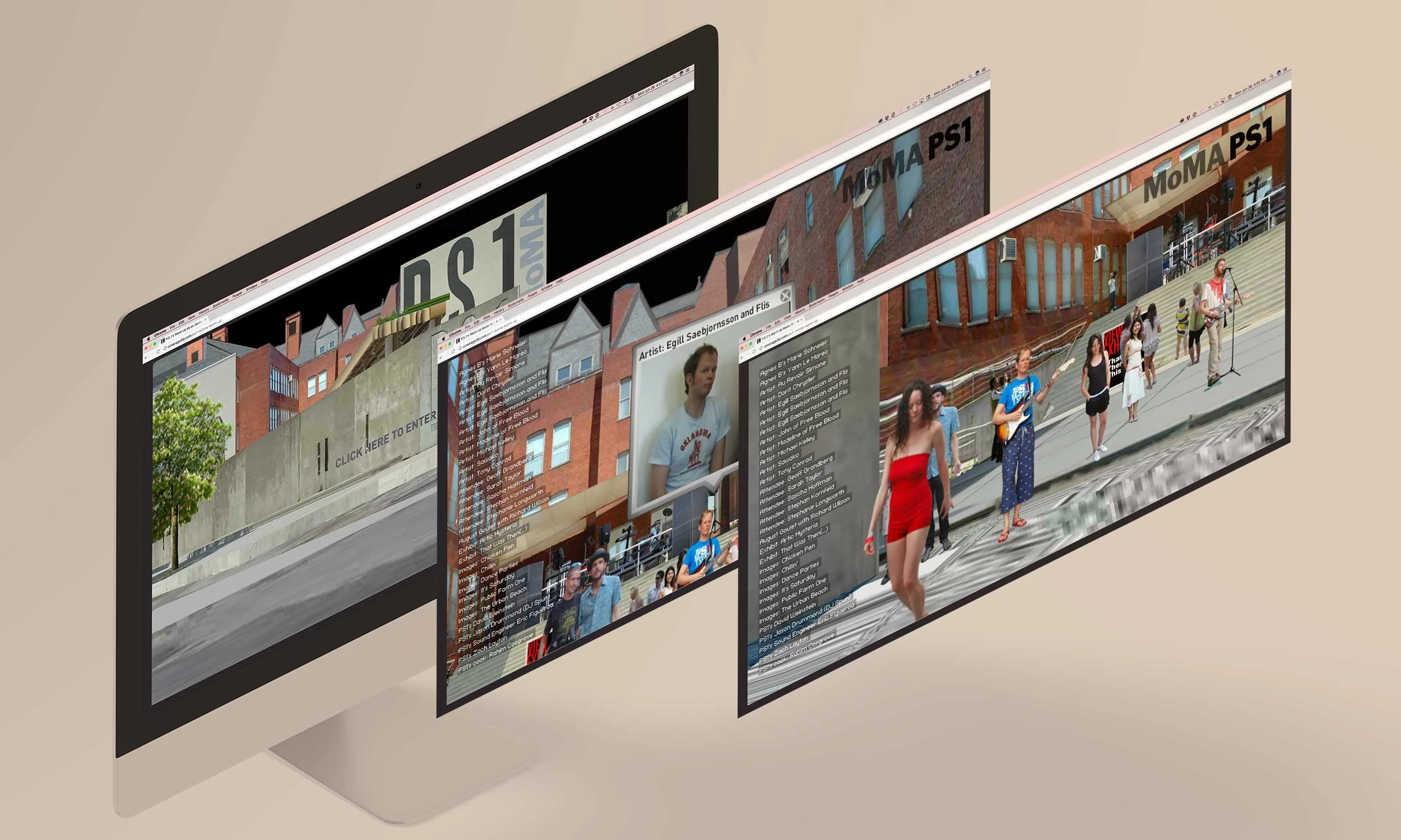
VALUE IN EVERY ENCOUNTER — 2008–2010. The Coverage3D project came from a phase of heightened openness to others, where every person seemed to carry singular value through work, passion, and identity — singularities worth exploring in public. As I moved more deeply into New York City life, perception widened toward inclusion, and each encounter began to feel potentially meaningful. (PS1 MoMA coverage3d, mixed media — 2009)
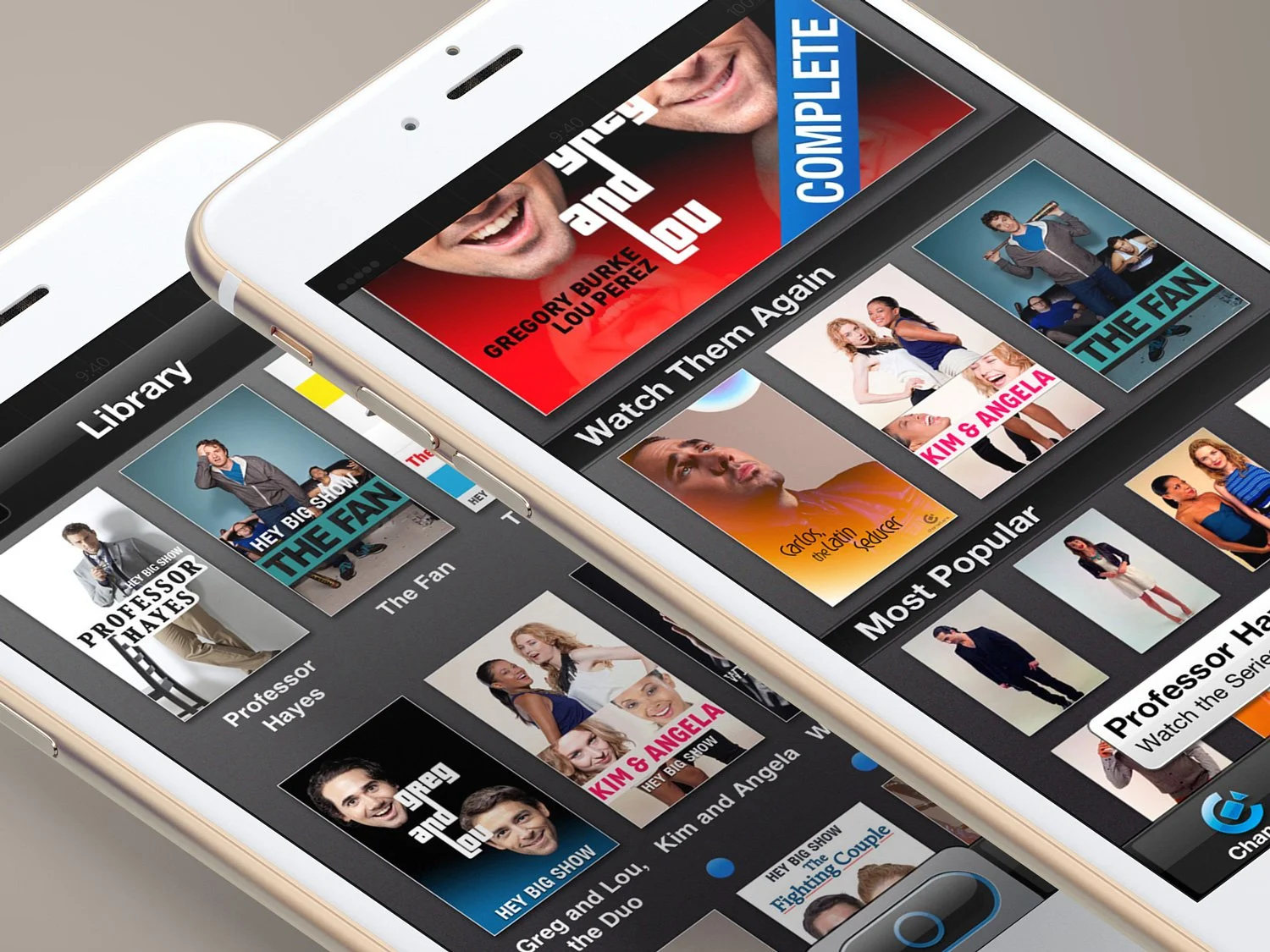
SURVIVAL, TALENT, AND CLIMB — 2010–2012. The startup Pipture period reflected a more desperate and competitive view of reality: a world to navigate, master, and rise within through strategy, effort, and luck. Perception here was shaped by ambition, scarcity, and the search for security inside a finite system, narrowing toward a single point of reference — the promise of financial reward down the line. (Pipture, vertical video message app — 2011)
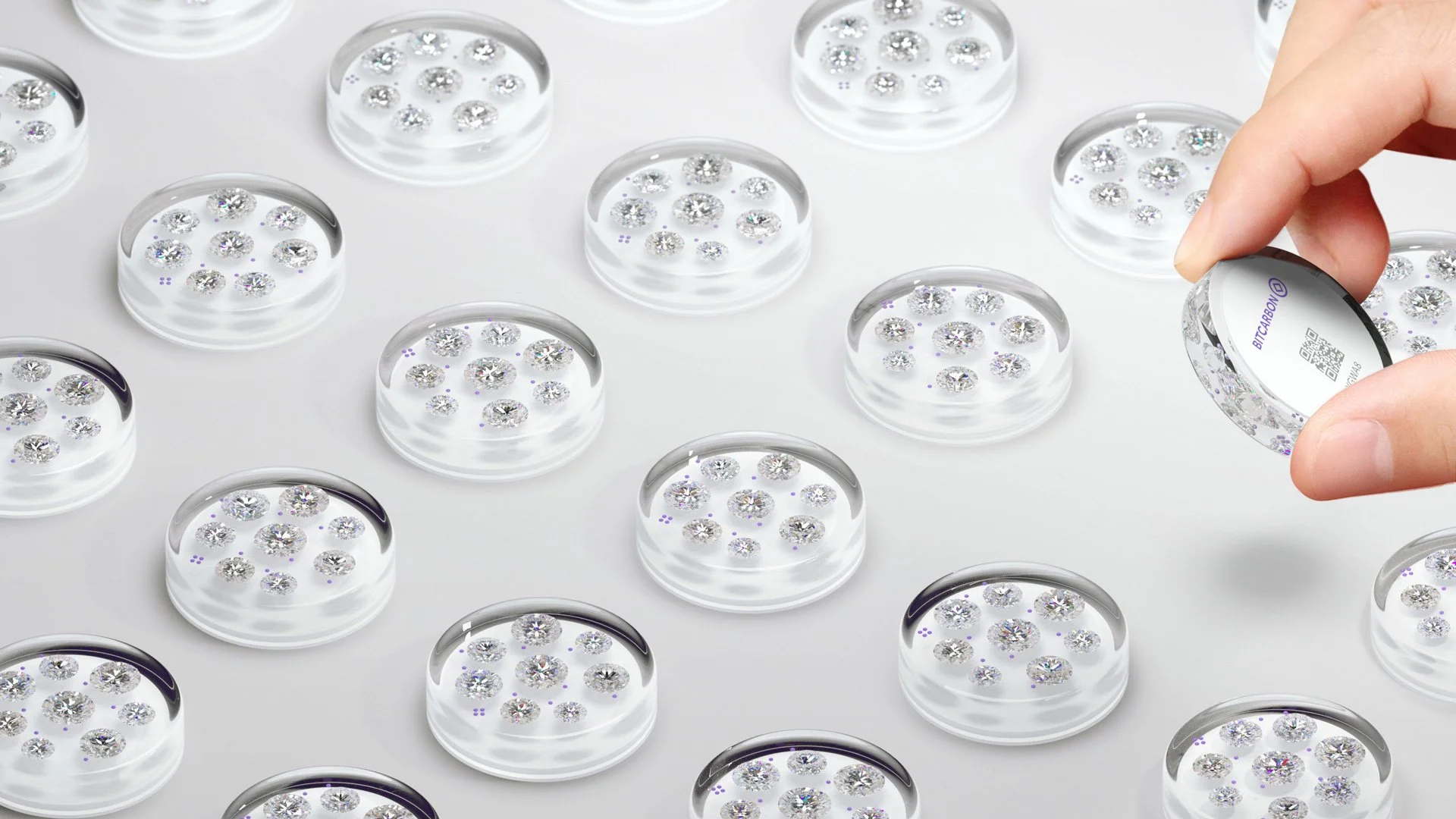
THE WORLD AS TACTICAL SYSTEM — 2012–2020. During the Studio KCED years, perception framed the world as a system driven by founders more forceful, more strategically fitted, and more willing than I was to bend reality toward results. Creative impact, innovation, financial success, and recognition appeared inseparable — as if value belonged to those able to move fastest, push hardest, and disrupt most convincingly. (Bitcarbon, computer graphics — 2019)
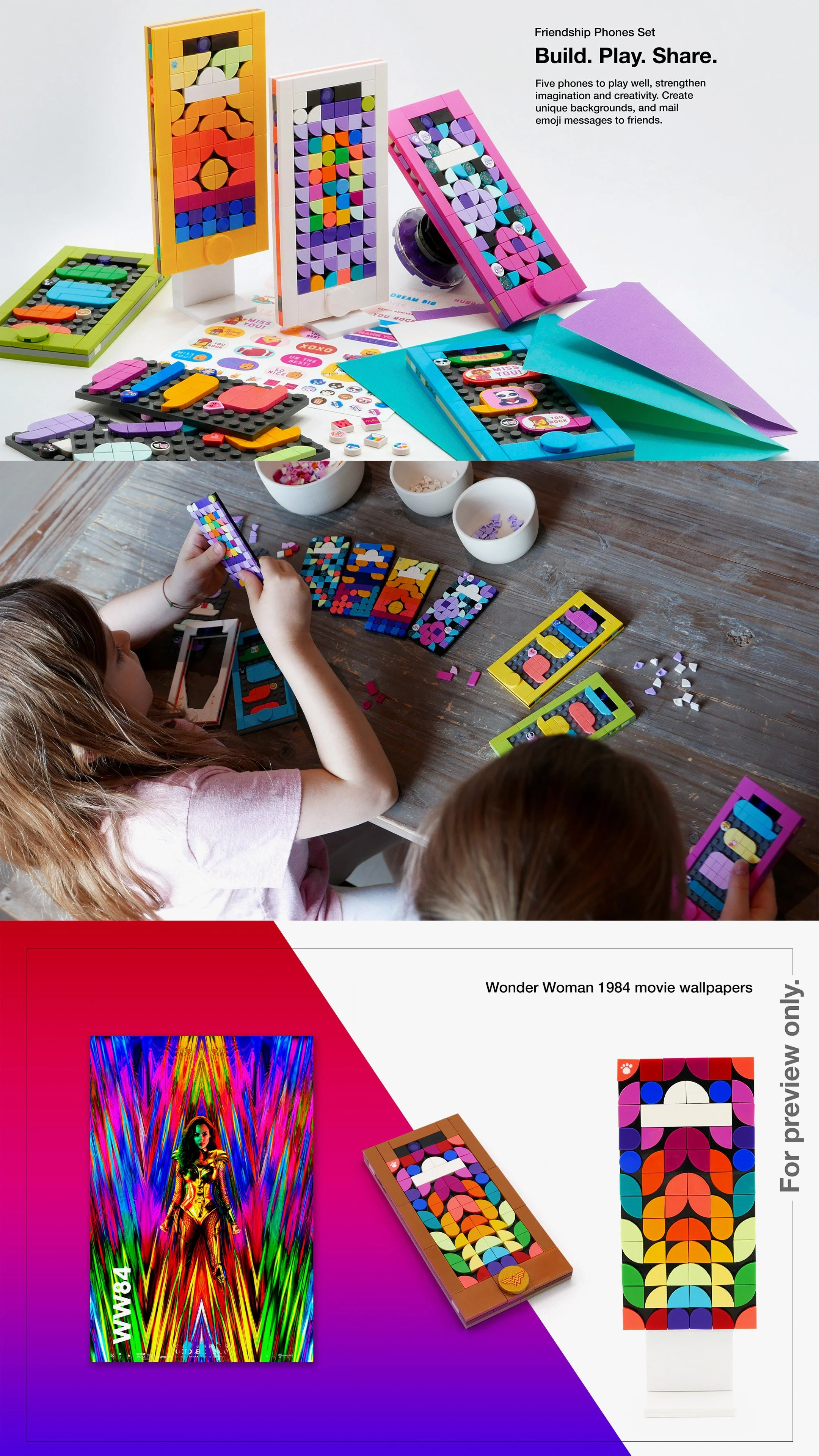
REALITY AS SYSTEM — 2018–2021. The Lego projects period reflected a need to reconnect with an eight-year-old part of myself while returning to the drawing board, simple design, and an inherited fascination with systems. Perception shifted from seeing isolated projects as solutions to singular life goals toward reading reality through modular logic, structure, and assembly — systems capable of generating entire sets of projects. (Friendship Phones, Lego — 2020)
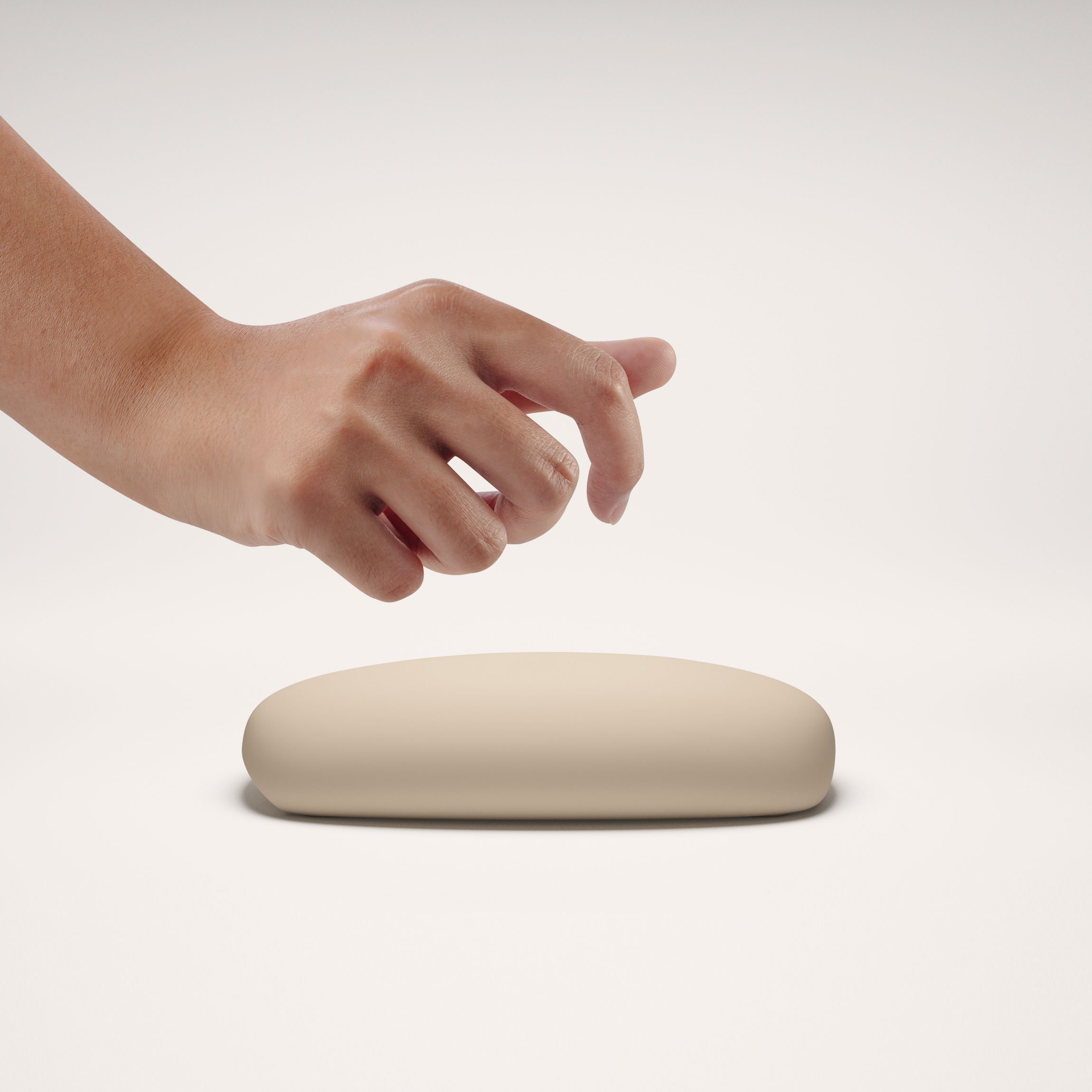
THE ILLUSION OF SIGNIFICANCE — 2020–2024. After leaving the startup world, I created L’Enclos and Les Ateliers de Design as a space for questioning the assumed importance of innovation, disruptive technology, and branded objects as vehicles of the future. Through projects such as the Disconnect iPhone case series, Disconnection Designs, and the promotional “Immaterials,” products became prompts for re-reading matter, value, and spacetime as less consequential than they first appear. Perception here had begun to loosen the hold of object-significance, asking whether value was being projected rather than found. (Disconnect, phone case — 2021)
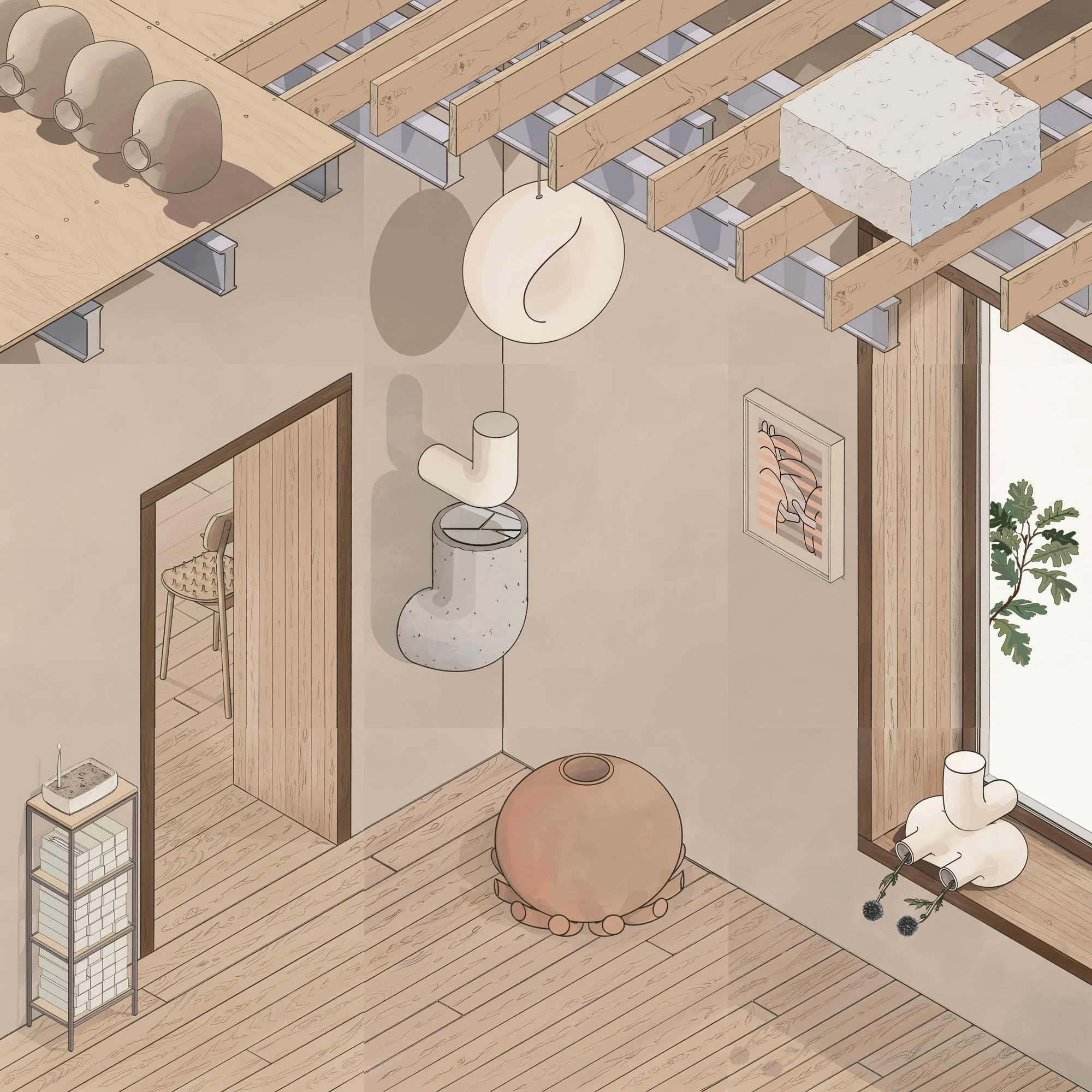
PERCEPTION AT A DISTANCE — 2021–2023. At the height of my exploration of spiritual and nondual texts — from Taoism and Hinduism to newer nondual writing — the axonometric mise-en-scènes Contours of Impermanence emerged during a period when perception had begun to distance itself from ordinary attachment and utility. Objects and spaces became awkward, improbable, and slightly estranged — less for use than as symbols of inquiry. (Contours of Impermanence, No. 29, Archival digital pigment print — 2022)

DESIGN AS MIND TRAINING — 2022–PRESENT. The Self-Questioning Devices, including the Paradox of the Typical Atypical chair and the Continuum of Resilience skateboards, appeared when perception was increasingly shaped by practices around dream-like illusion, non-separation, and nondual mind training. Broken or unstable-looking objects became a way of bringing inner practice into design form: prompts for re-reading danger, reality, and meaning. (Paradox of the Typical Atypical, oak — 2022)
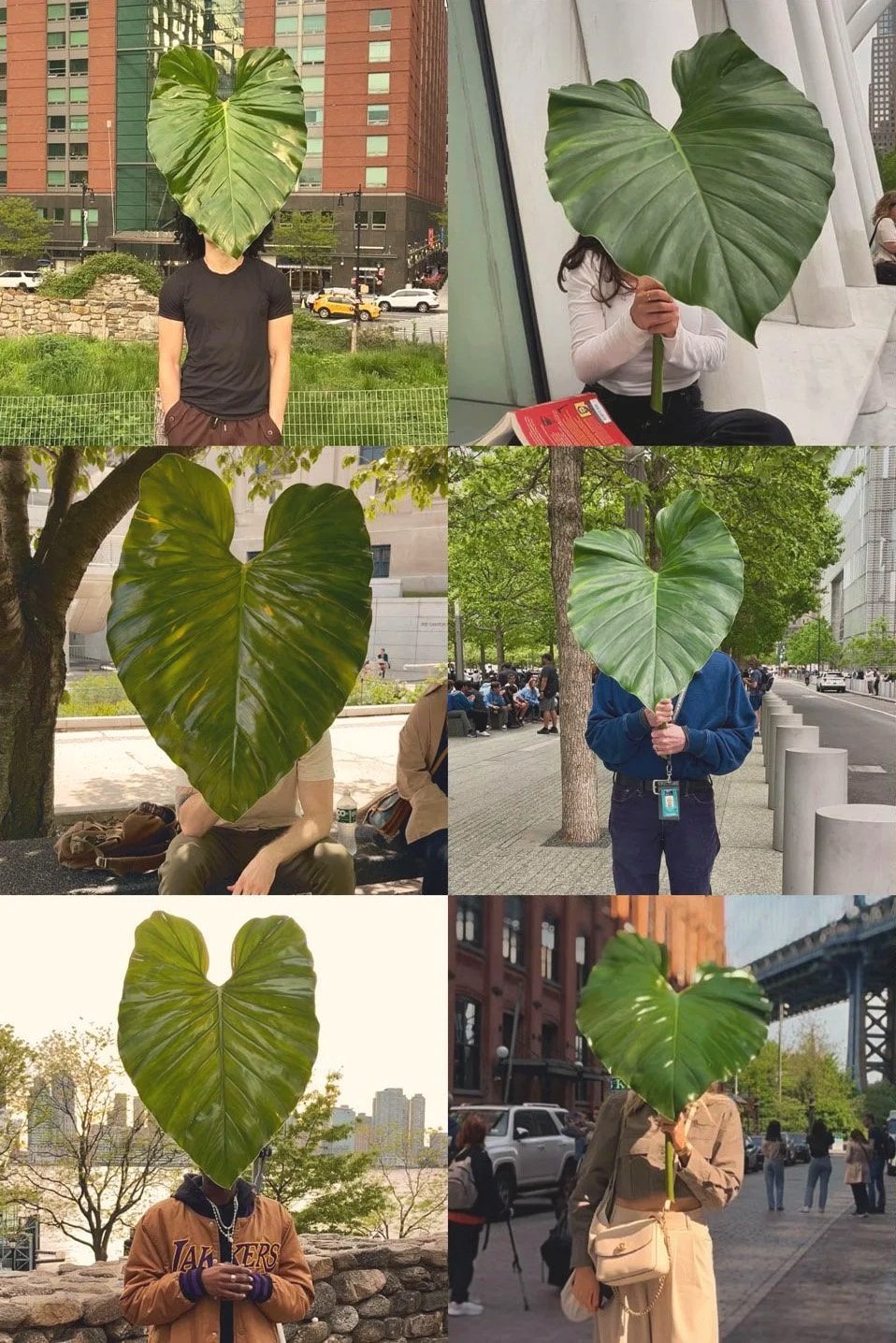
SHARED MASK, SHARED MIND — 2024–PRESENT. The LeafHead project invited people to wear a leaf mask during interviews, using shared concealment as a condition for disclosing their deepest wishes and regrets about the world. Perception here was shaped by the intuition that beneath visible difference, a deeper continuity of mind might be at work — and that symbolic unity could loosen inhibition and invite more candid speech. (LeafHead Project, collage — 2024)
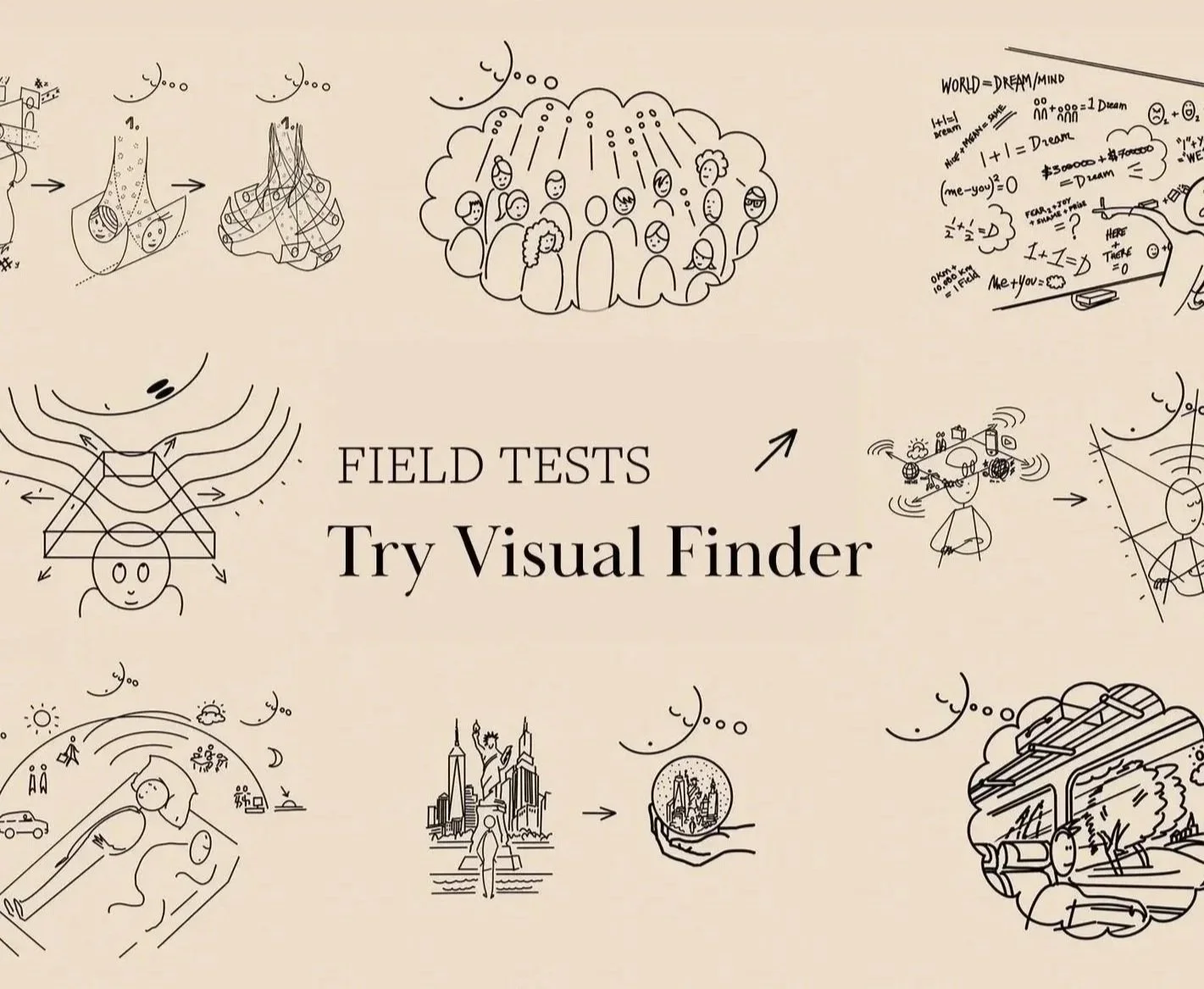
WORLD AS FIELD OF EXPERIMENTATION — 2025–PRESENT. The Dreamer Project, We The Dreamer practices, and field-test sketches marked a phase in which perceptual shift itself became the explicit subject. Apps, walkshops, guided trials, field sketches, and reflective or reactive media began treating perception itself as part of the material. Visual work, in turn, started translating consciousness-first principles more directly — world as effect, not cause; meaning as layered; perception as the first creative act. (We The Dreamer Practices Field Sketches, collage — 2026)
A way of seeing, a way of living
“This page is rooted in art and design, but the question underneath it is wider. Before we make anything — a painting, an object, a decision, a life — we are already perceiving, framing, and assigning meaning. That is something all of us do, whether we name it or not.
For me, the work has become a way of staying with that fact: not to master it, but to keep exploring what changes when perception itself becomes part of the practice. The answer remains open. That openness may be one of the most creative conditions we have.”
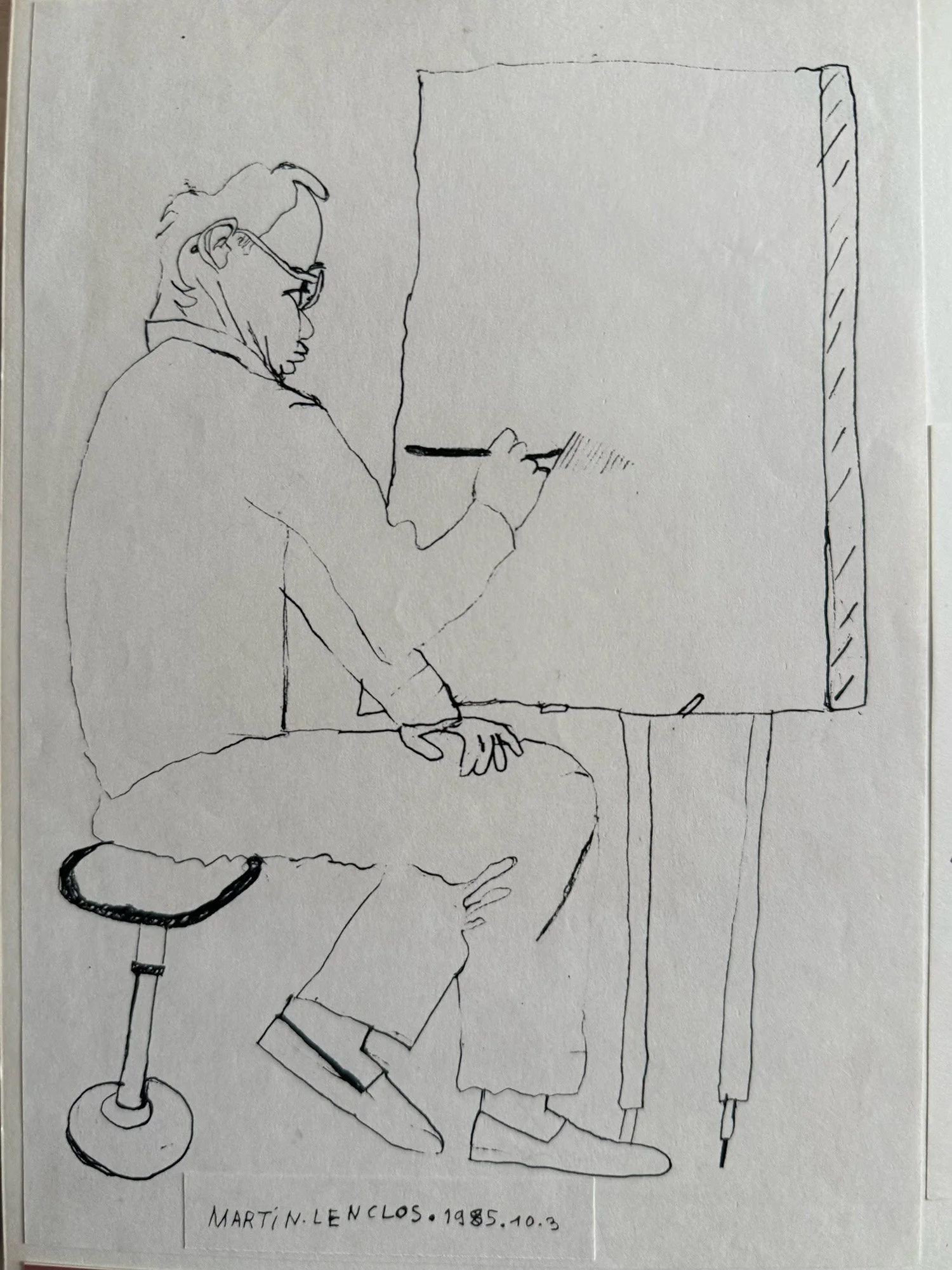
Through my father’s attention to color, I learned early that art does not only express the world — it reveals how the world is already being read. Drawing: Martin Lenclos.
TRAINED SEEING
What painting taught me about perception.
My interest in perception did not begin in theory. It began in painting. As a child, I painted with my father, whose work explored how color is shaped by geography, culture, weather, and light. Through that, I learned something simple but lasting: perception is never neutral. What we take to be the world is already filtered by habit, context, and trained ways of seeing.
“Painting taught me early that perception is never neutral.”
That is part of what drew me to Impressionism and, later, to other modern movements that changed not only what artists made, but how they saw — and, in turn, how others could see. A shadow is not merely dark. A face is not one fixed skin tone. The visible world is richer, stranger, and less pre-given than it first appears. Art, at its best, does not only express perception — it retrains it.
META NOTES
This page is a living document. Last updated: June 20, 2026
Added “Where This Idea Leads,” a navigational block showing how the premise that perception is the first creative act unfolds across Projects in Perception, Self-Questioning Devices, Design for Nothing, Ordinary Witnesses, Participatory Perception Studies, and Studio Design Experiments. The page now functions both as a philosophical statement and as a conceptual threshold into the Art & Design wing of L’Enclos.
Newly created on March 19, 2026. Created a new Art & Design page, Perception Is the First Creative Act, to frame the shift from making objects toward perception as medium, method, and test field. Added early language linking this inquiry to painting, trained seeing, and the broader artistic significance of perception. Added a chronological “From Objects to Perception” gallery framing past works as phases of perception, so each project reads not only as output but as evidence of a changing way of seeing.