ART & DESIGN

Perception Is the First Creative Act

An art and design practice centered on perception: testing how seeing, framing, and interpretation shape experience, attention, and what becomes possible next.
Last updated: March 19, 2026
Image created with AI to illustrate the mind shifting perception of reality. A hand in the foreground and the city behind blurry with smokes of colors escaping from it
Making does not begin with the object — it begins with the framing of experience.

  • The core thesis: before any object is made, experience is already being framed through attention, interpretation, and meaning. Read more →

  • The artistic origin: how painting, color, and early visual education revealed that perception is learned, shaped, and never neutral. Read more →

  • The applied work: how this insight extends into tools, experiments, Design for Nothing, and the Dreamer Project. Read more →

  • A chronology of works read as changing ways of seeing — shifts in what reality seemed to be, what creativity was for, and how form translated a state of mind. Read more →

PERCEPTION IS THE FIRST CREATIVE ACT

Before you make anything,
something has already been made —
a world, shaped by how you see.

Before technique.
Before style.
Before critique, analysis, or story.

Experience is already being framed.
Attention selects.
Meaning gathers.

A scene becomes
threatening, beautiful, useful,
empty, alive.

That is where my studio has moved. Not away from making, but upstream — toward the conditions that make making possible.

Perception is my current test field. It is bounded, but more malleable than it first appears. You can reframe what appears. Layer a different premise over the same scene. Choose not to take the first interpretation as final. A subtle shift in seeing can change what becomes available next — in thought, emotion, relationship, or form.

I now use ordinary life as a site for testing perceptual shifts. Through practices, tools, and small designed constraints, I explore what changes when experience is approached through a different frame. What holds, what loosens, what repeats, and what becomes newly possible are all logged as part of the inquiry.

The work is still design. I build apps, tools, practices, and field tests that help structure these experiments. And it is still art, in the sense that perception itself becomes a medium: a way of shaping vision, testing meaning, and exploring how a world is read before anything is made within it.

TRAINED SEEING

What Painting Taught Me About Perception

My interest in perception did not begin in theory. It began in painting. As a child, I painted with my father, whose work explored how color is shaped by geography, culture, weather, and light. Through that, I learned something simple but lasting: perception is never neutral. What we take to be the world is already filtered by habit, context, and trained ways of seeing.

“Painting taught me early that perception is never neutral.”

That is part of what drew me to Impressionism and, later, to other modern movements that changed not only what artists made, but how they saw — and, in turn, how others could see. A shadow is not merely dark. A face is not one fixed skin tone. The visible world is richer, stranger, and less pre-given than it first appears. Art, at its best, does not only express perception — it retrains it.

Young boy painting with his father at an easel, suggesting an early apprenticeship in color, attention, and trained seeing.

Through my father’s attention to color, I learned early that art does not only express the world — it reveals how the world is already being read.

APPLIED ART & DESIGN

Perceptual Practice.

How that insight becomes art, design, tools, methods, and experiment.

DESIGNING FOR PERCEPTUAL SHIFT

Illustration presenting a man holding a sign

Perception is not only received — it can be framed, edited, and tested.

How I Work With Perception

What the studio makes now is no longer limited to images or objects. The artistic practice is now focused on possibilities within perception that I would not have recognized earlier as an artist: not only shifting how a scene is seen, or how a person or place is understood, but also questioning fixed meaning, testing unfamiliar frames, and trusting more fully the role of imagination in experience.

On the design side, this has meant developing consciousness-first principles, a catalogue of actions, and a practice library from a long process of reading, distillation, and experimentation across contemplative traditions, philosophy, and firsthand testing. From there, the work takes the form of designed conditions for seeing differently: daily instructions, constraints, scoring systems, situational web apps, logging tools, and small experiments embedded in ordinary life.

Some of these tools structure where and how the inquiry is tested — at home, in transit, under fatigue, in conversation, in repetition. Others translate the experiment into public forms: walkshops, guided trials, field sketches, and reflective or reactive media that make perception itself part of the material.

The through-line is the same: design not only as form-making, but as the shaping of attention, interpretation, and contact with experience.

PERCEPTION AS INQUIRY

Thumbnail from video of The Dreamer Report — still from “Drive-By” segment.

The Dreamer Report — still from “Drive-By” segment.

The Dreamer Project

Conceptual Art Extended Into Lived Inquiry.

The Dreamer Project grows from the same artistic premise: that perception is not passive, and that the framing of experience is already a creative act. What began as a concern with trained seeing, interpretation, and perceptual shift gradually expanded into a longer experiment — one that moves beyond objects and images into ordinary life itself.

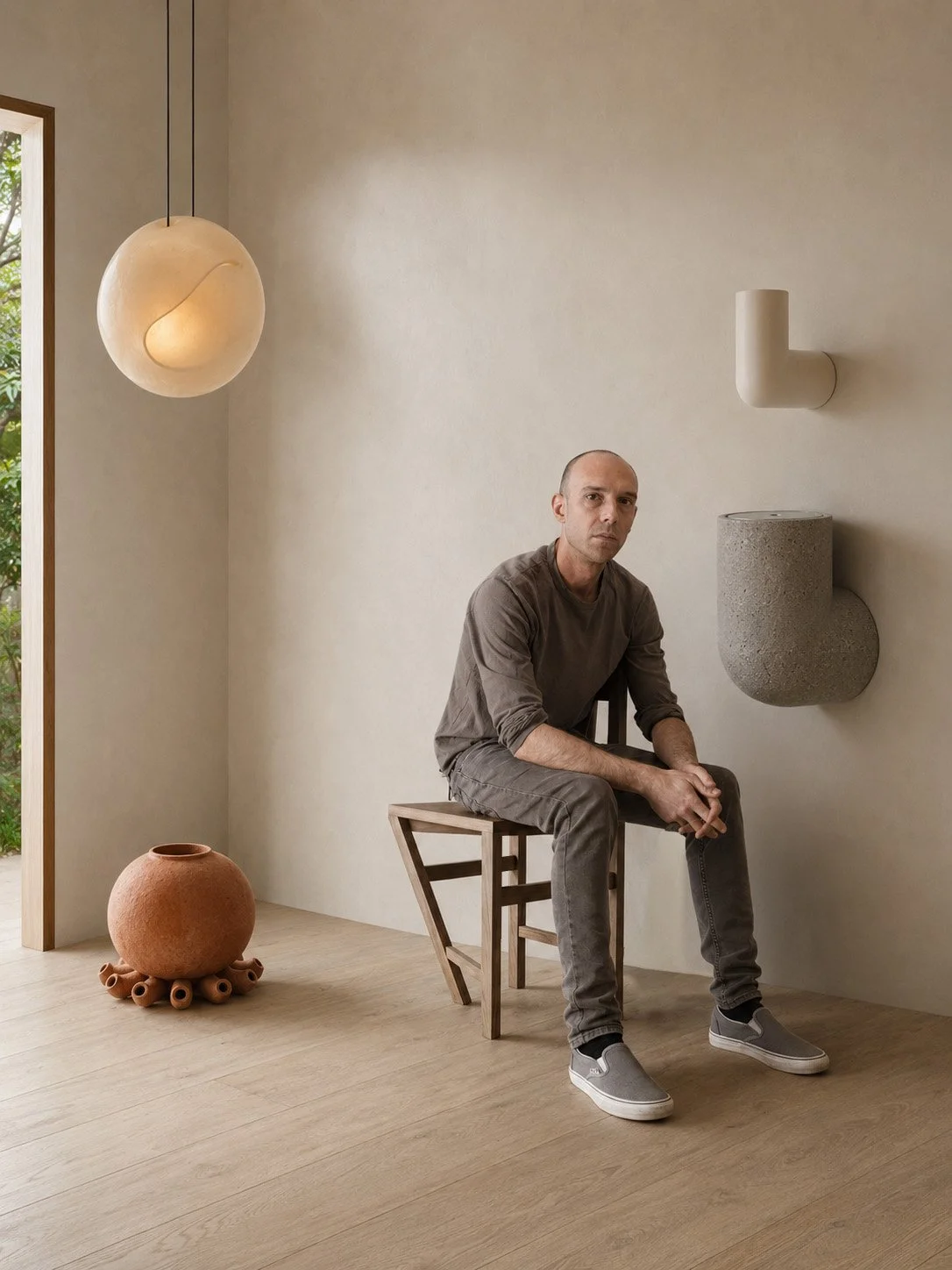
Since early 2026, Martin Lenclos has used practices, tools, logs, and designed constraints to test what happens when perception is treated not just as a subject of art, but as a medium of inquiry. In that sense, the project can be understood as a form of conceptual art that no longer stays inside the studio: a structure for observing how meaning gathers, how experience is framed, and what creative possibilities emerge from a different premise.

What is the Dreamer Project →

DESIGNING PERCEPTION

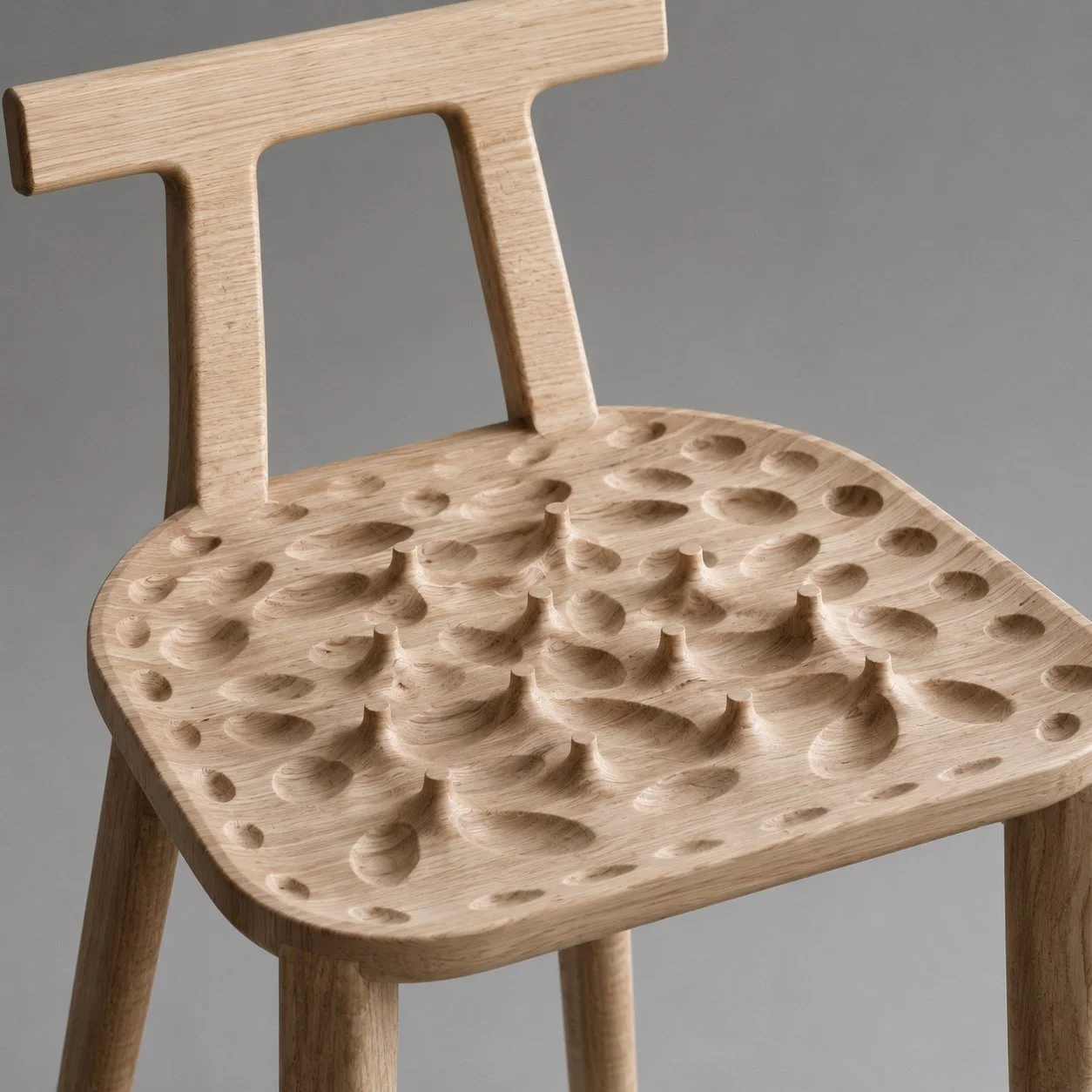
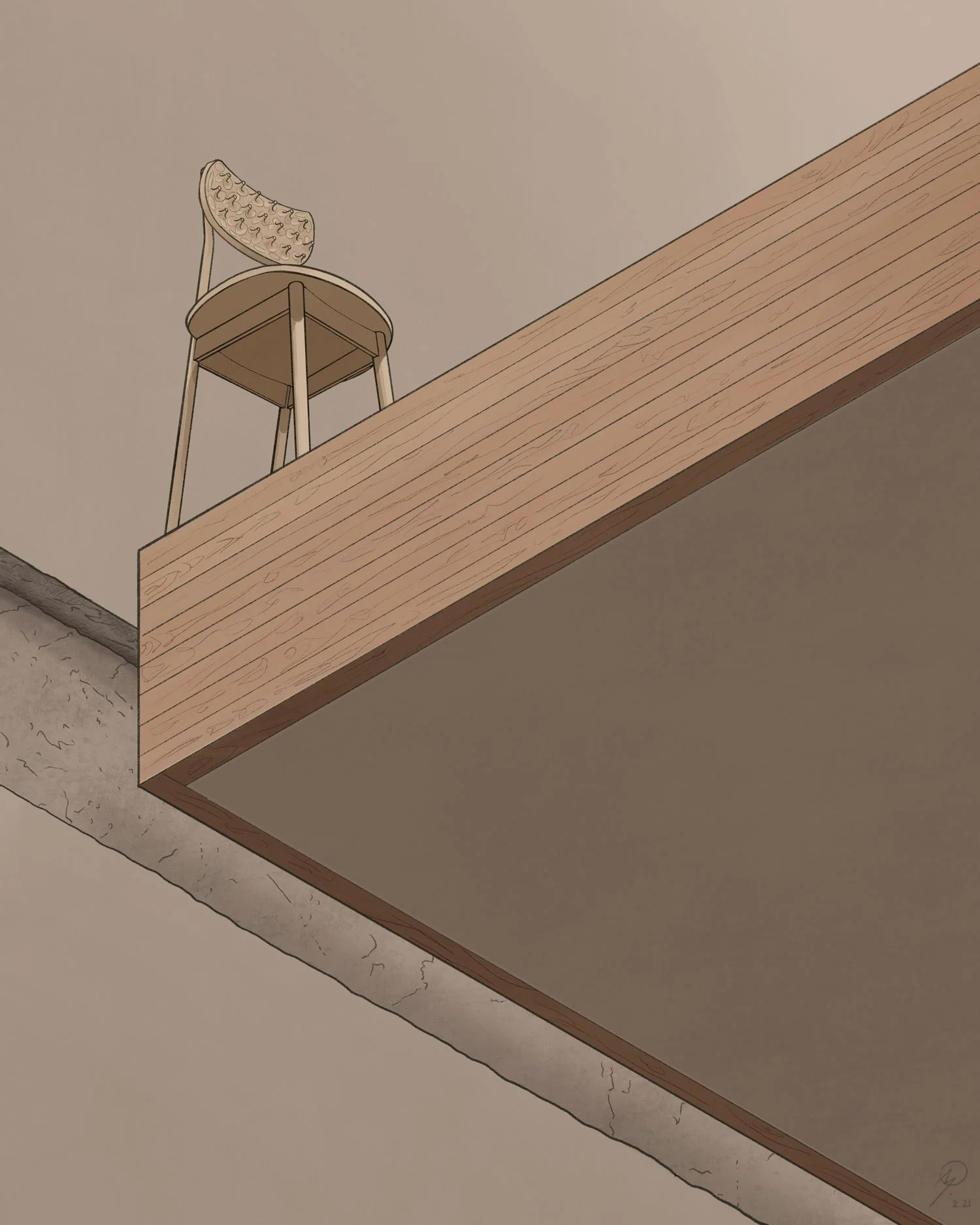
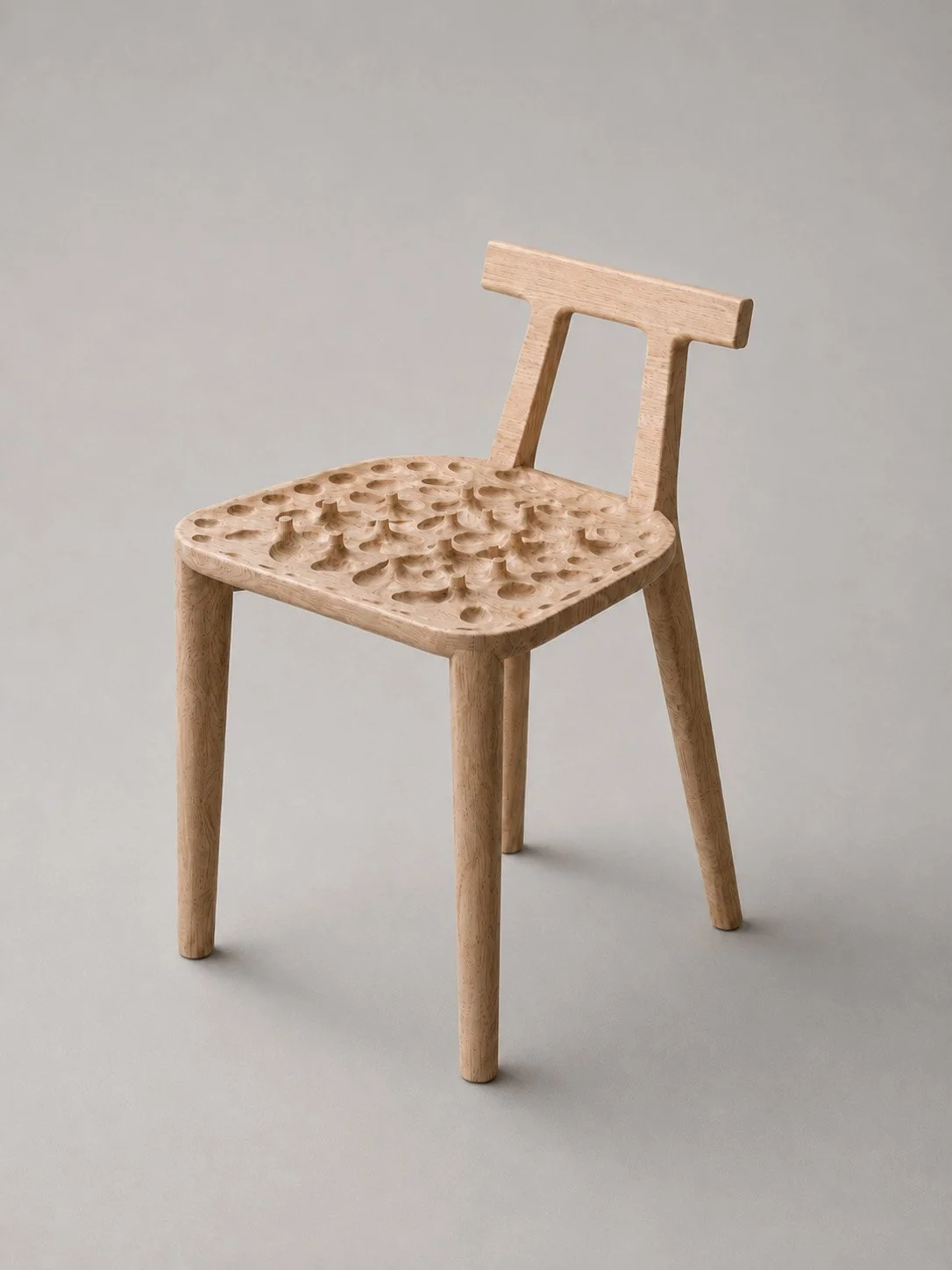
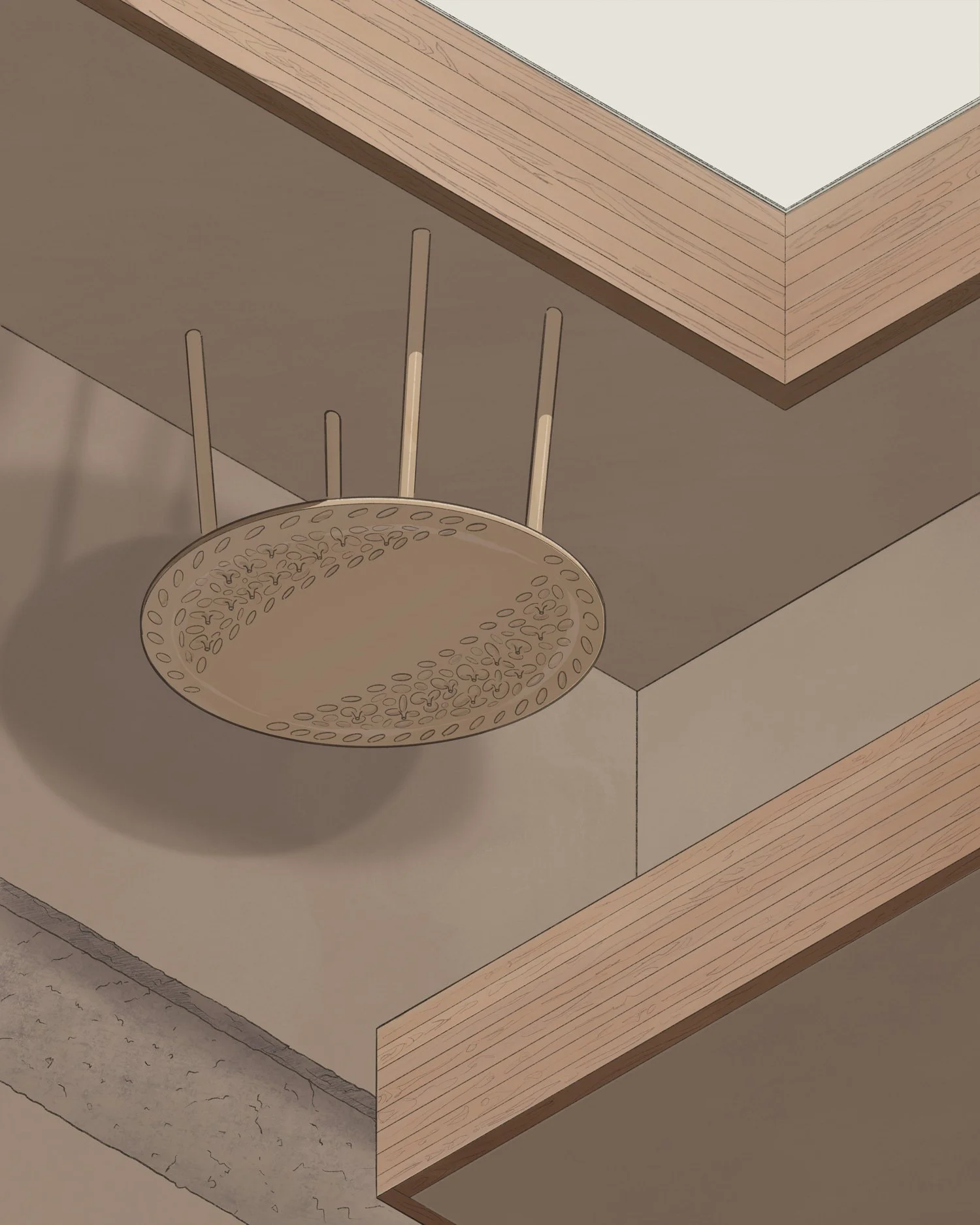
Illustration by Martin Lenclos of a monk suspended in the air above a prickly chair.

The Design Monk | Illustration by Martin Lenclos

Design for Nothing

The method Design for Nothing grows directly out of the same artistic question at the center of this page: what happens before form, judgment, and meaning lock into place? It treats negative space not only as a visual principle, but as a mental one — a deliberate clearing around fixation, over-interpretation, and automatic response.

In that sense, the method is less about producing an object than about shaping the conditions from which perception, action, and creation emerge. For artists, designers, and makers, it offers one practical way of working with attention itself: subtracting noise, loosening the first reading, and making room for a different gesture, frame, or possibility to appear.

Explore Design for Nothing →

PERCEPTION IN PHASES

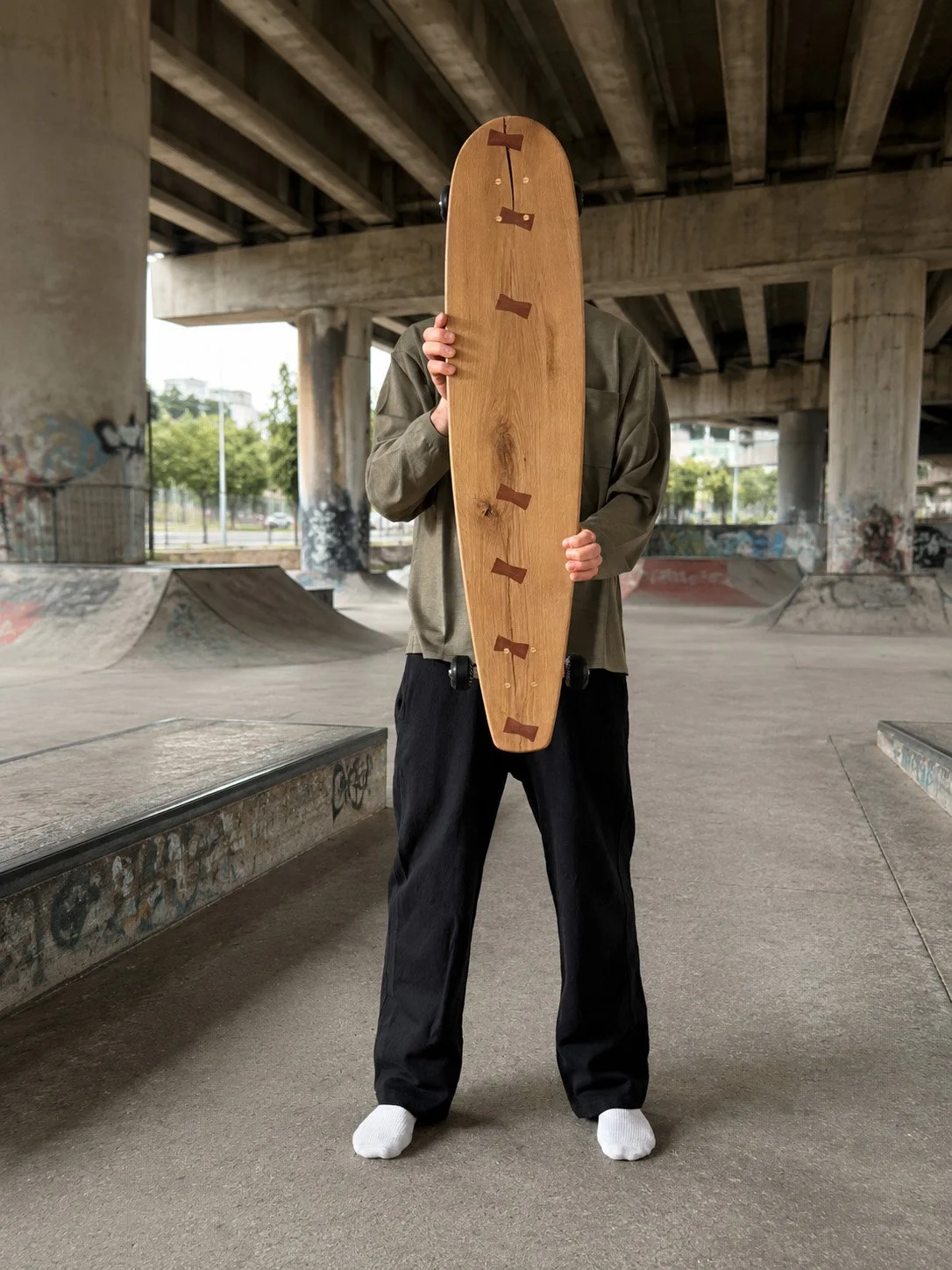
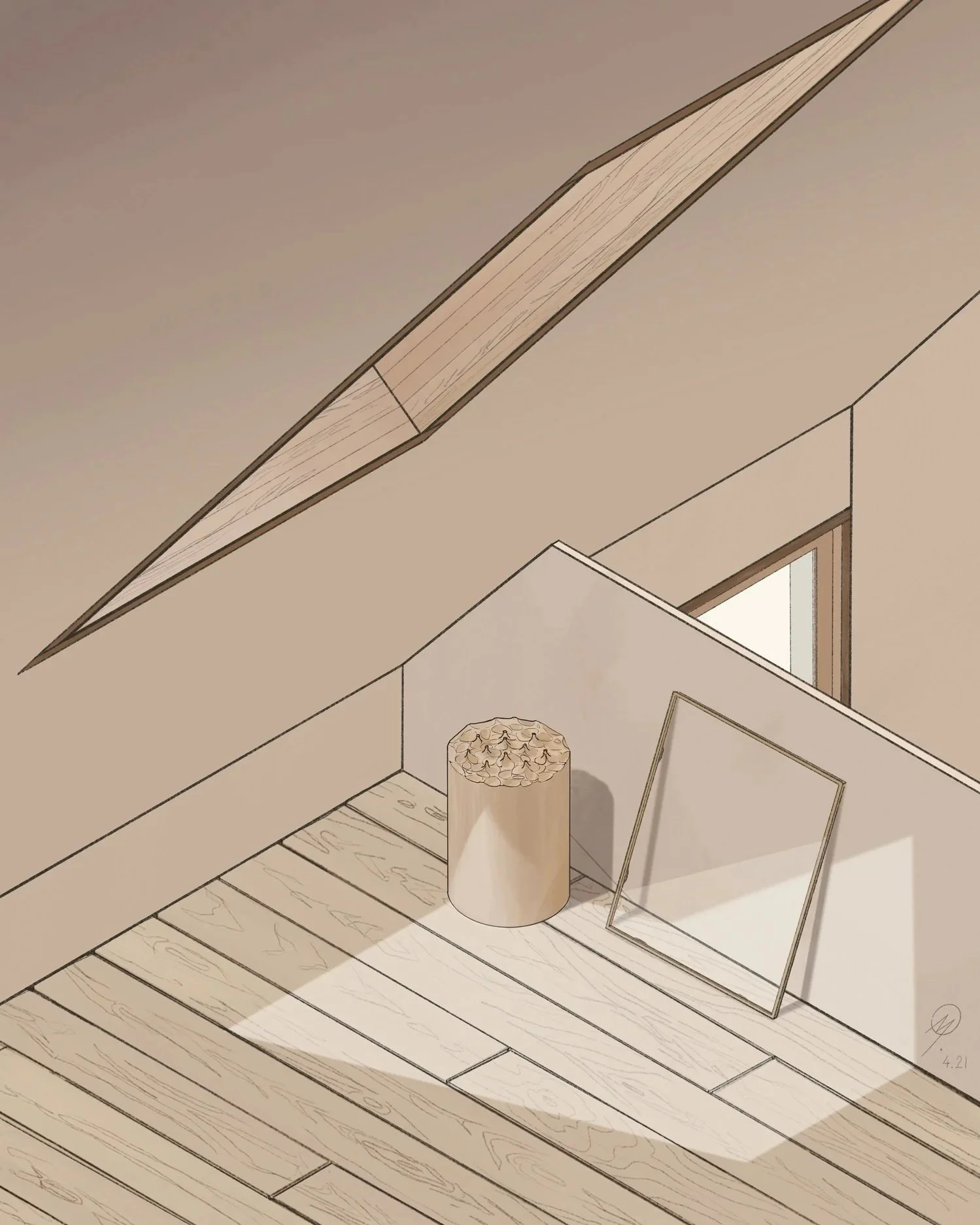
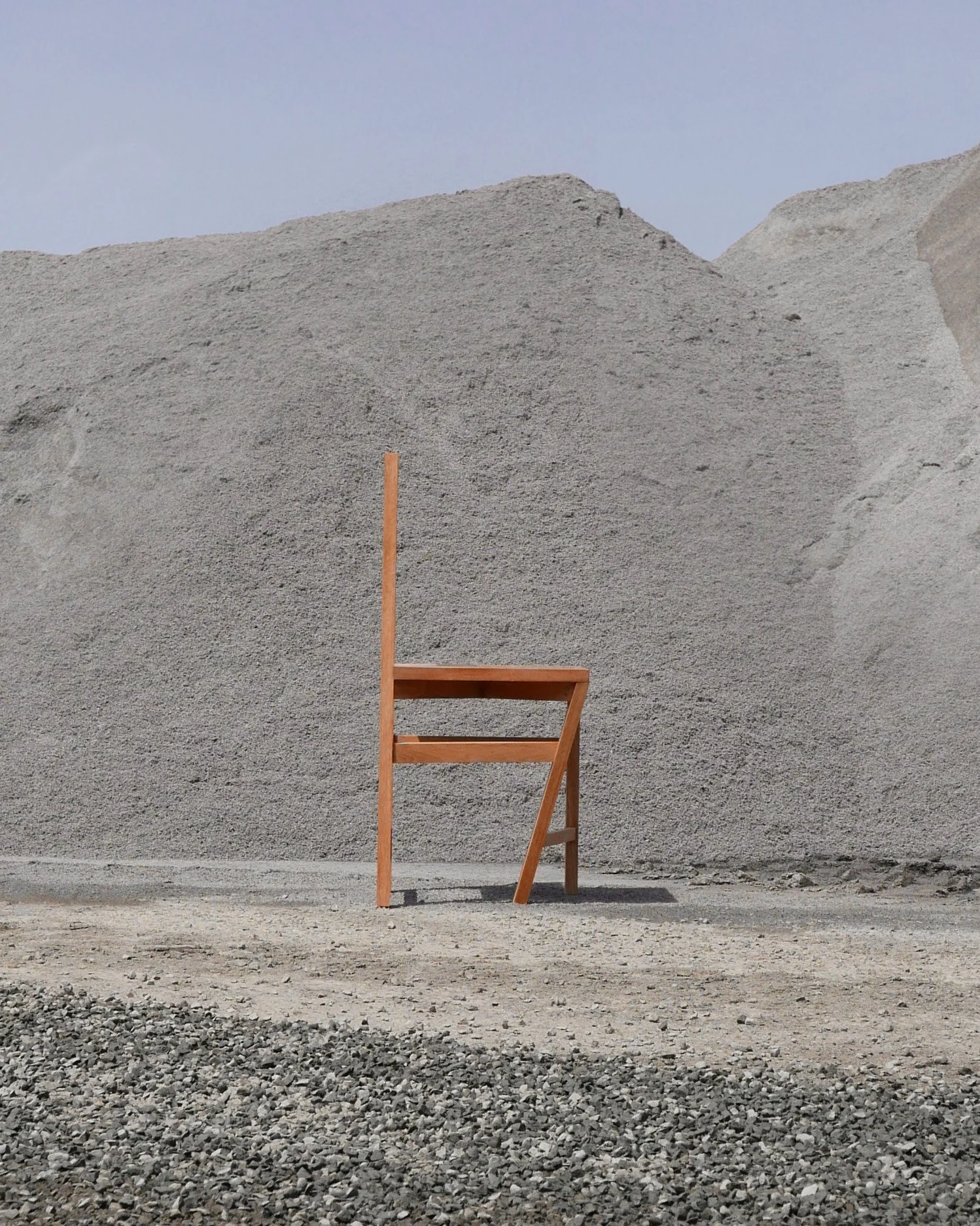
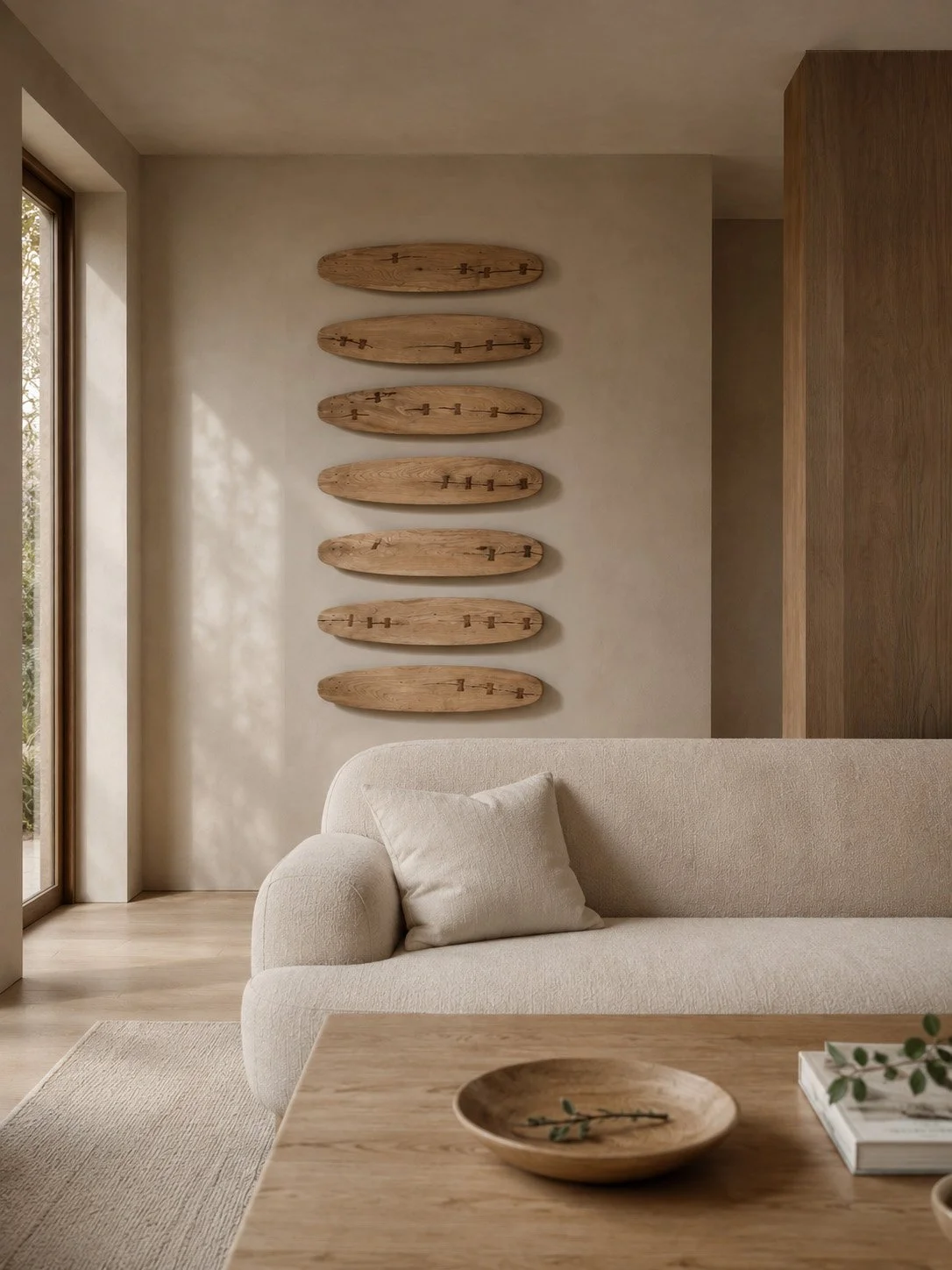
From Objects to Perception

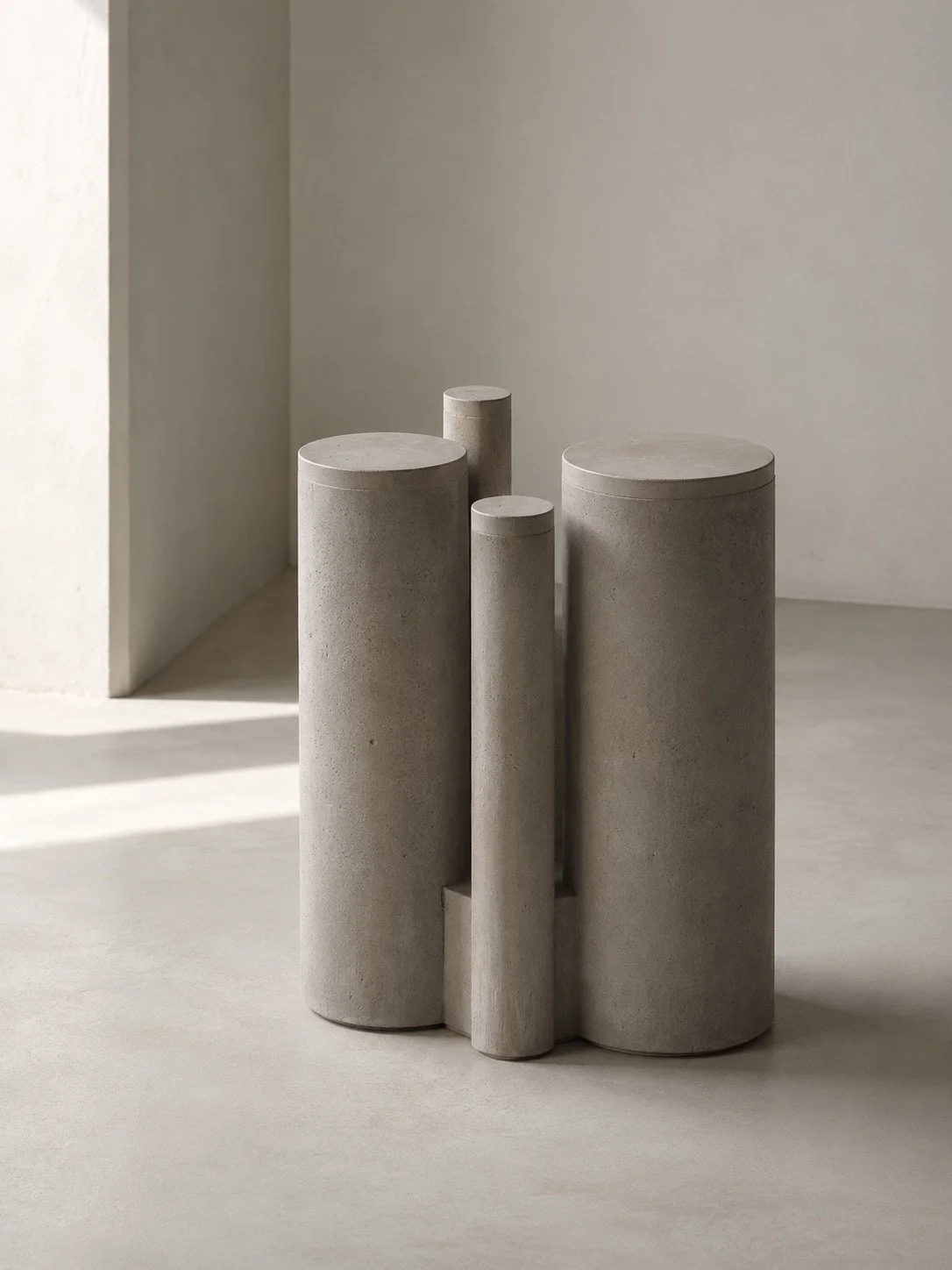
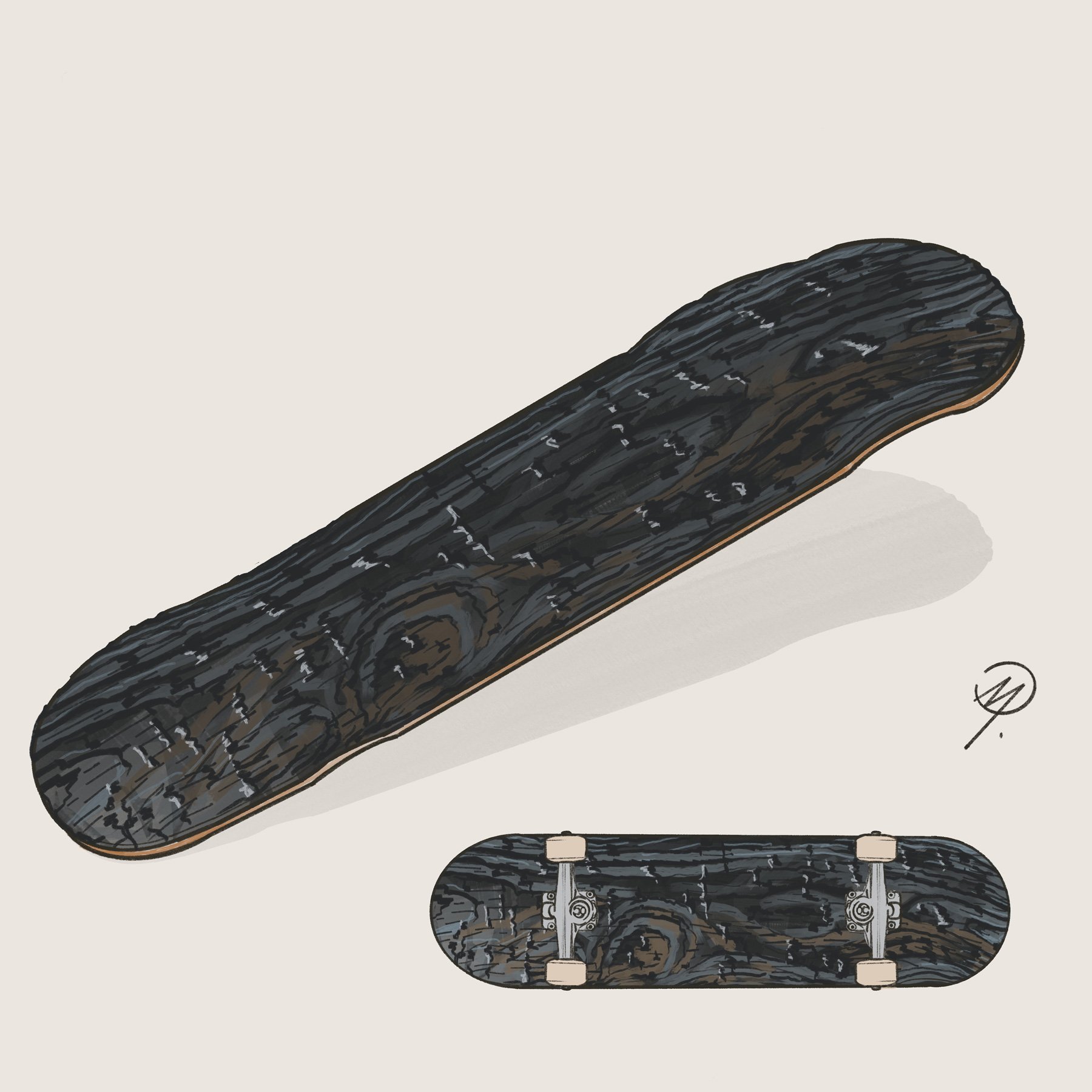
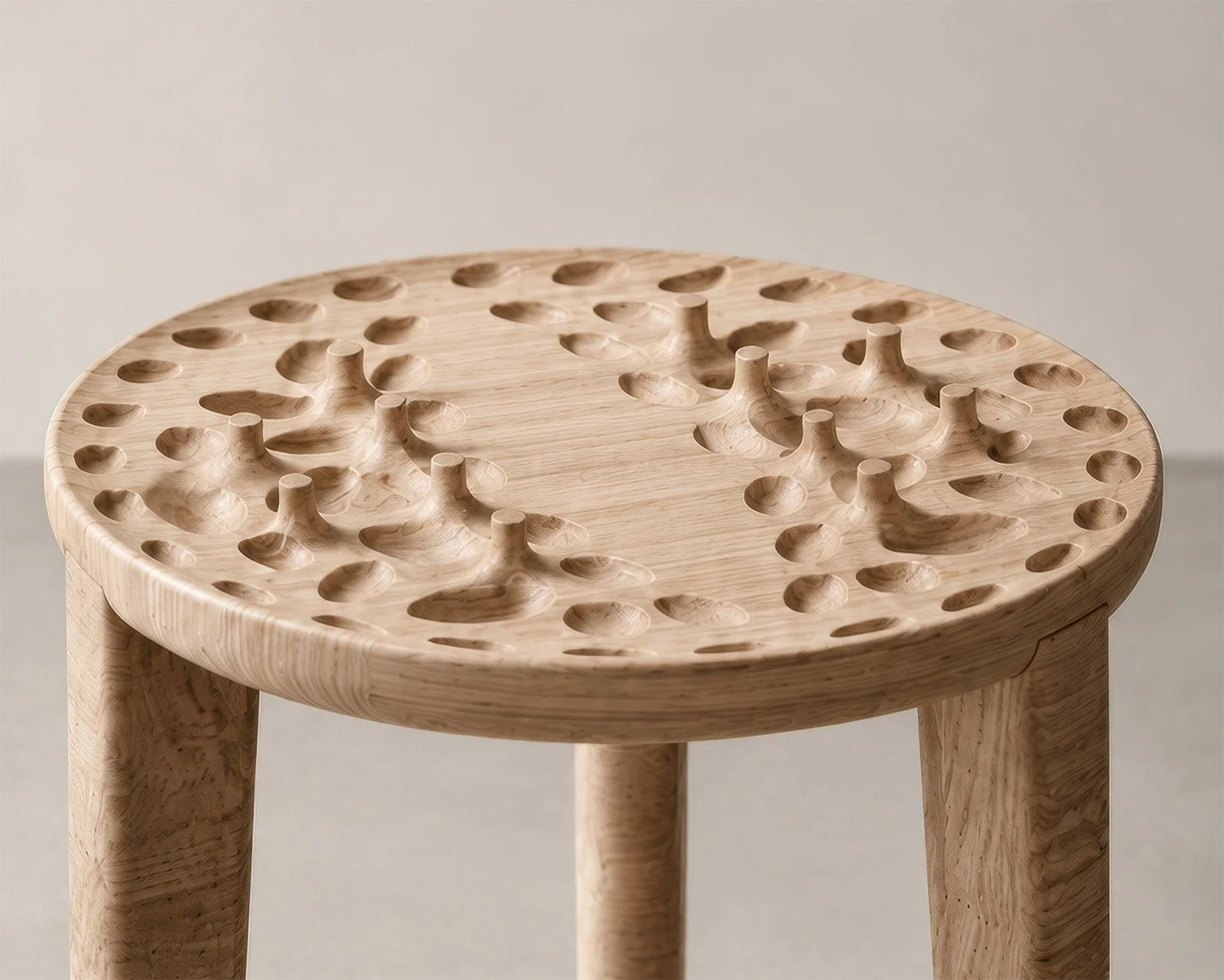
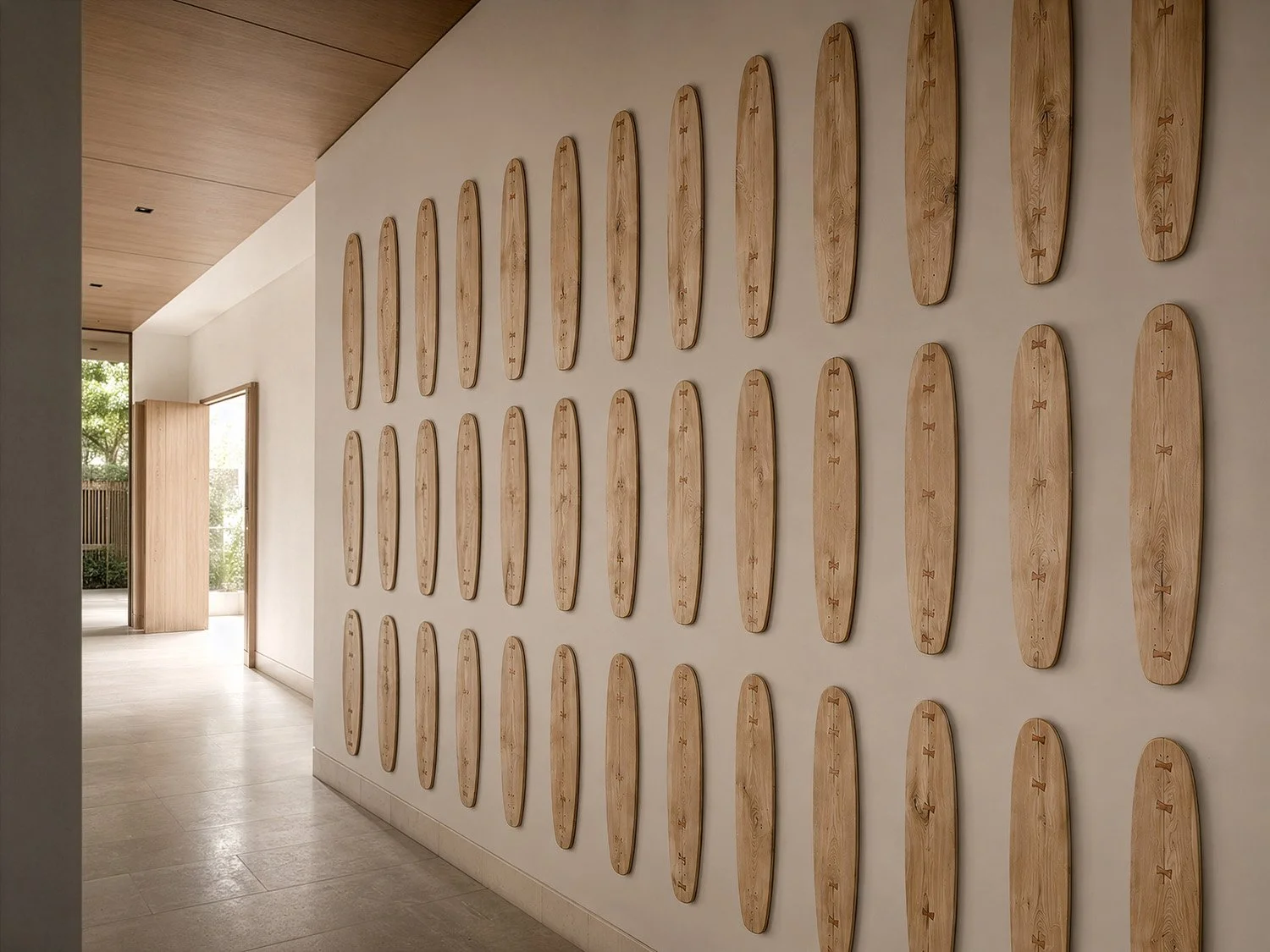
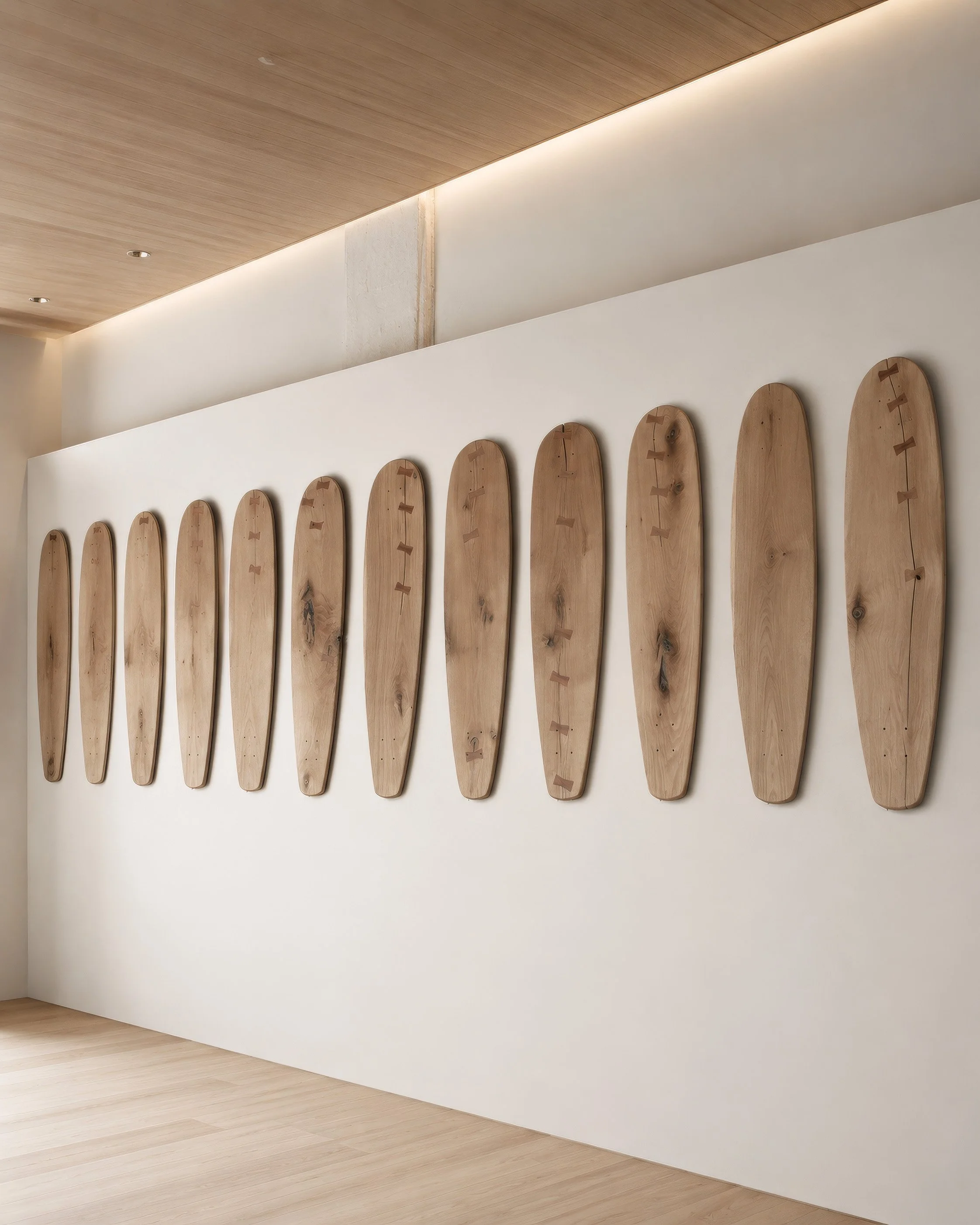
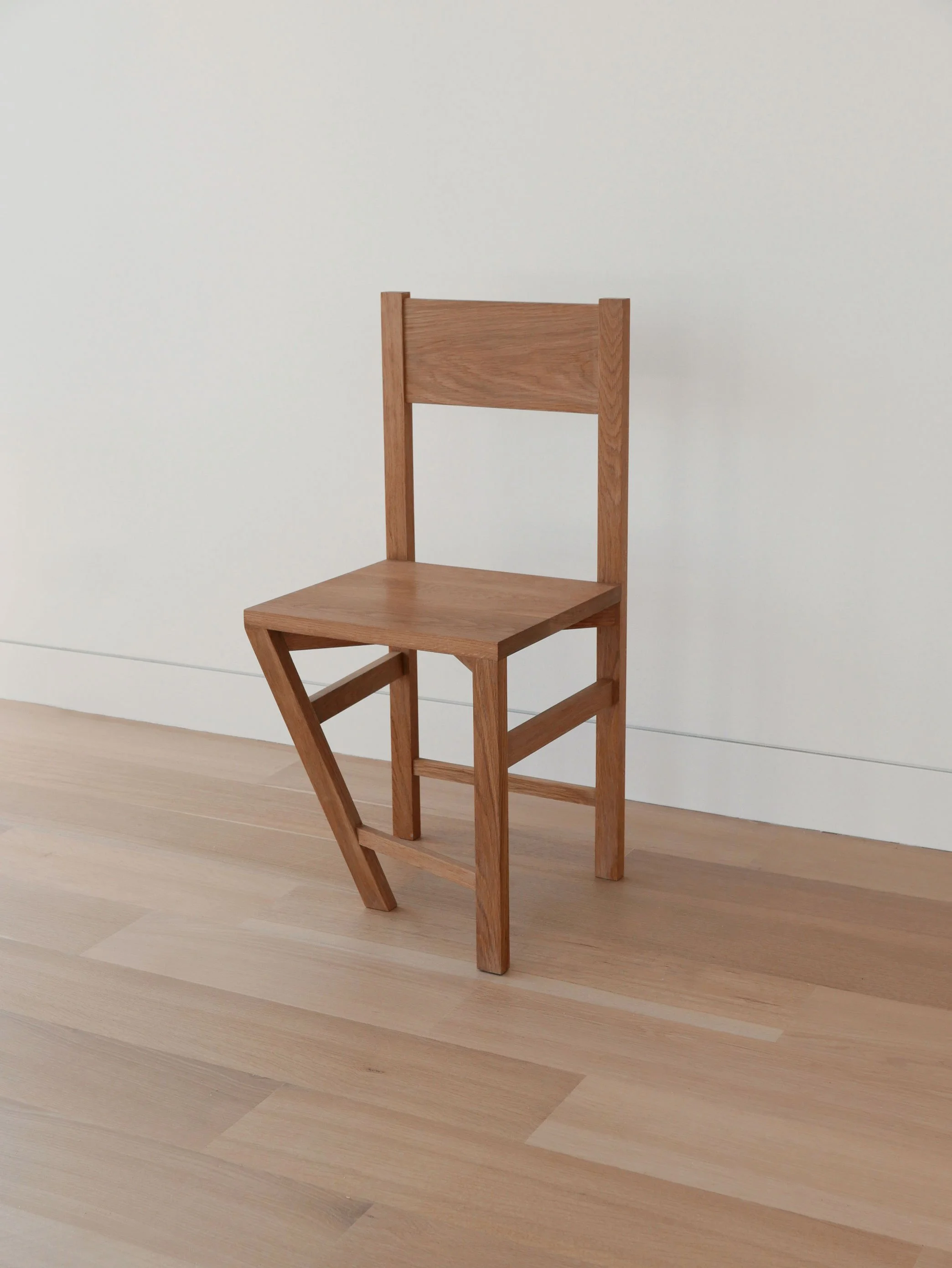
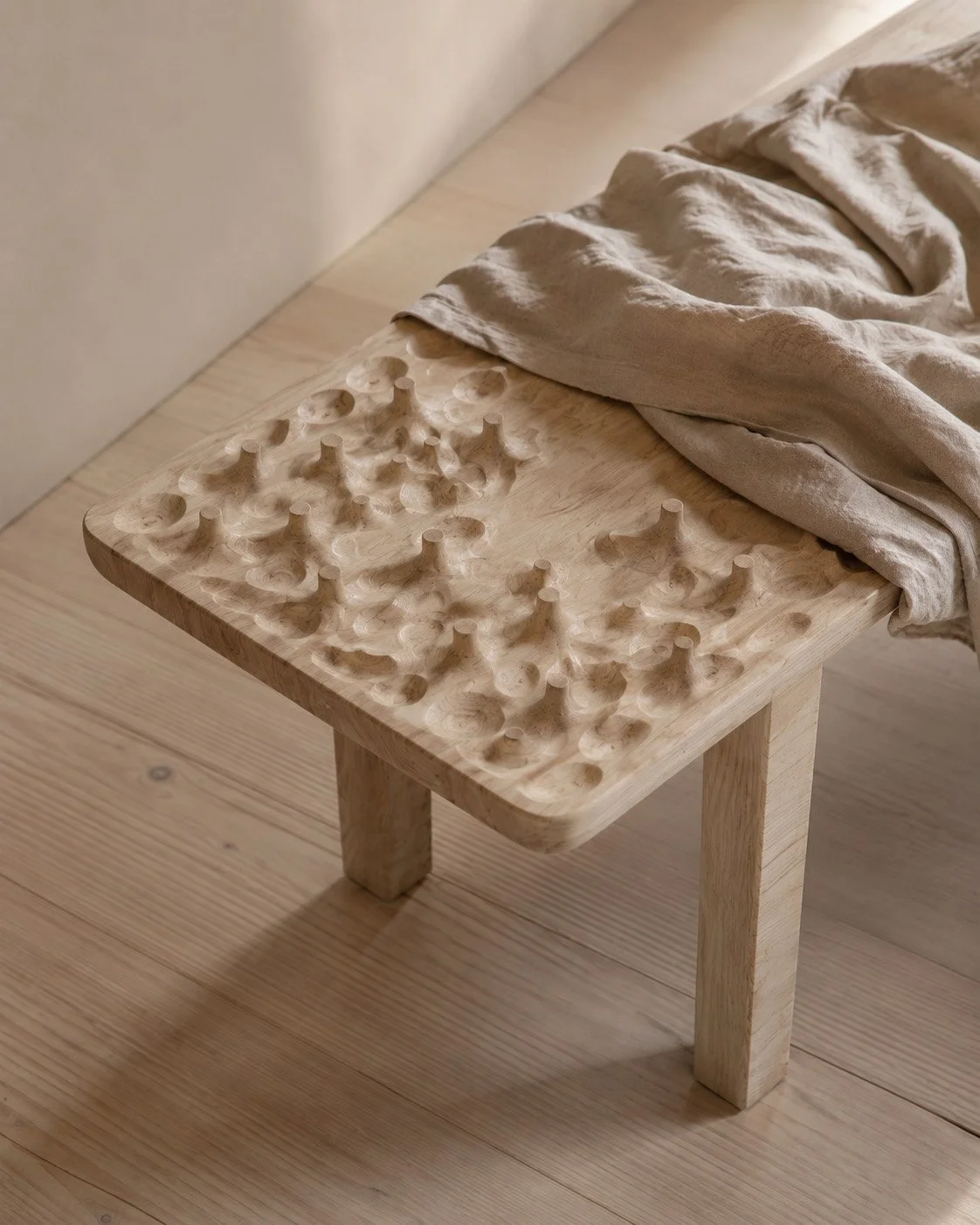
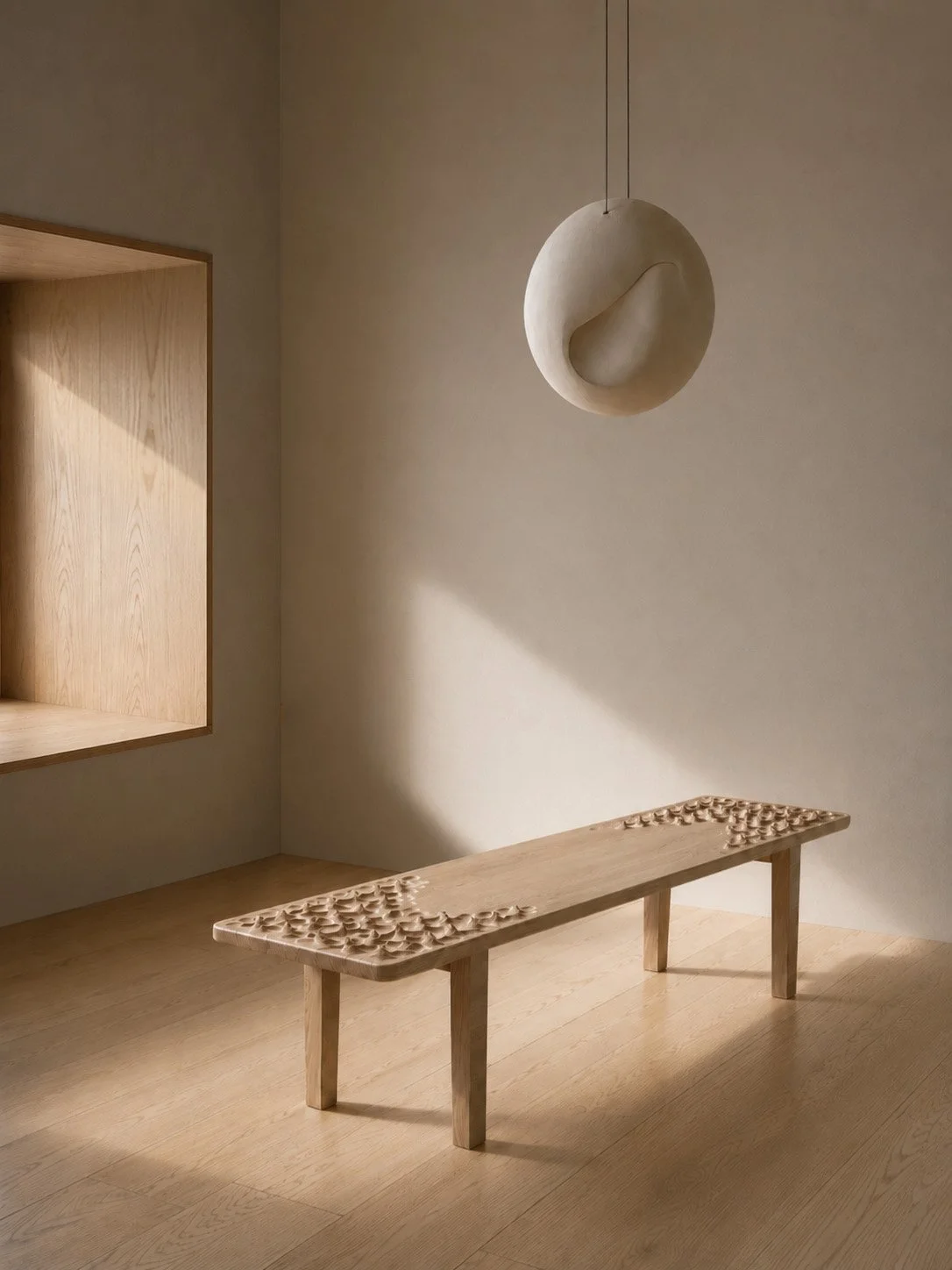
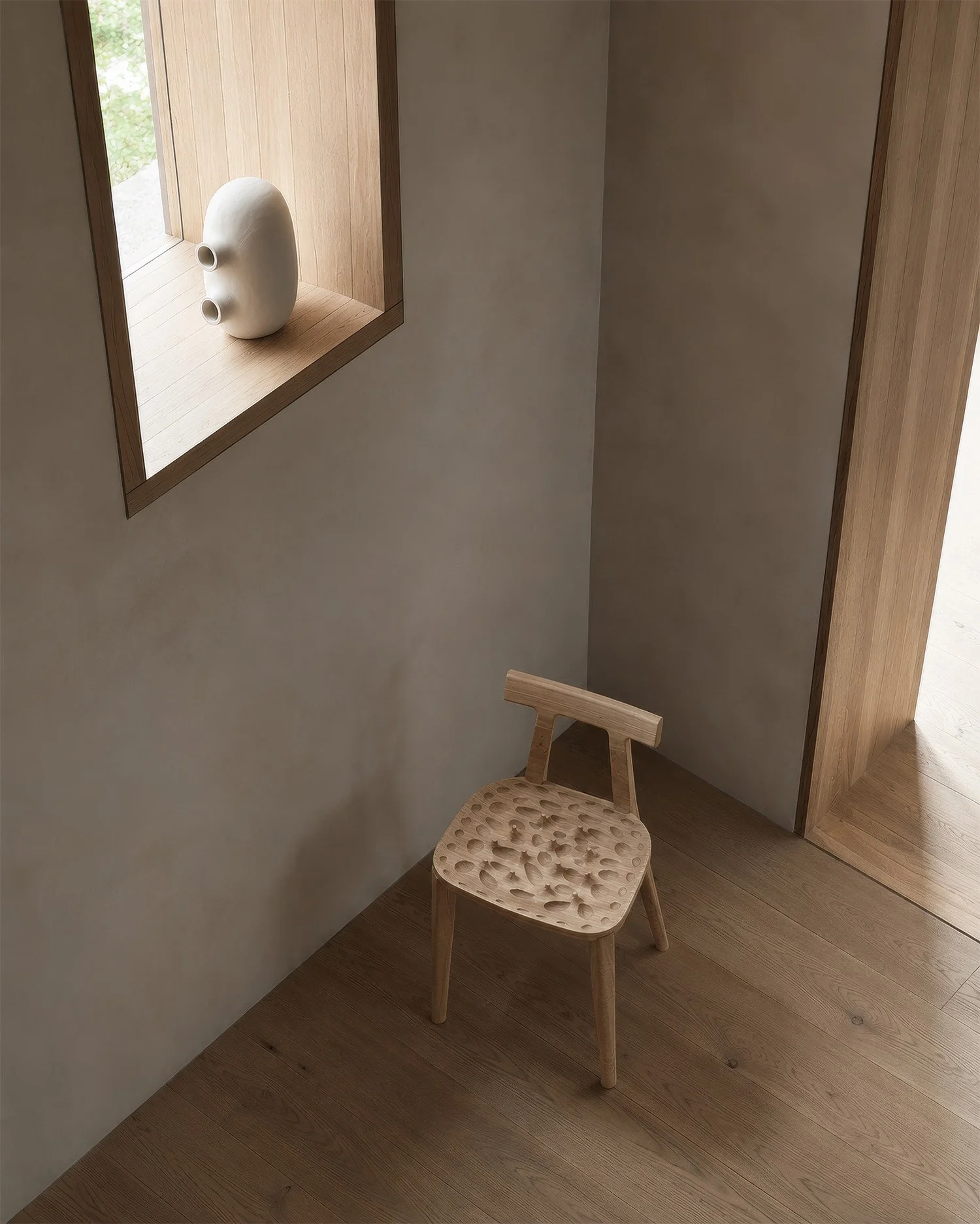
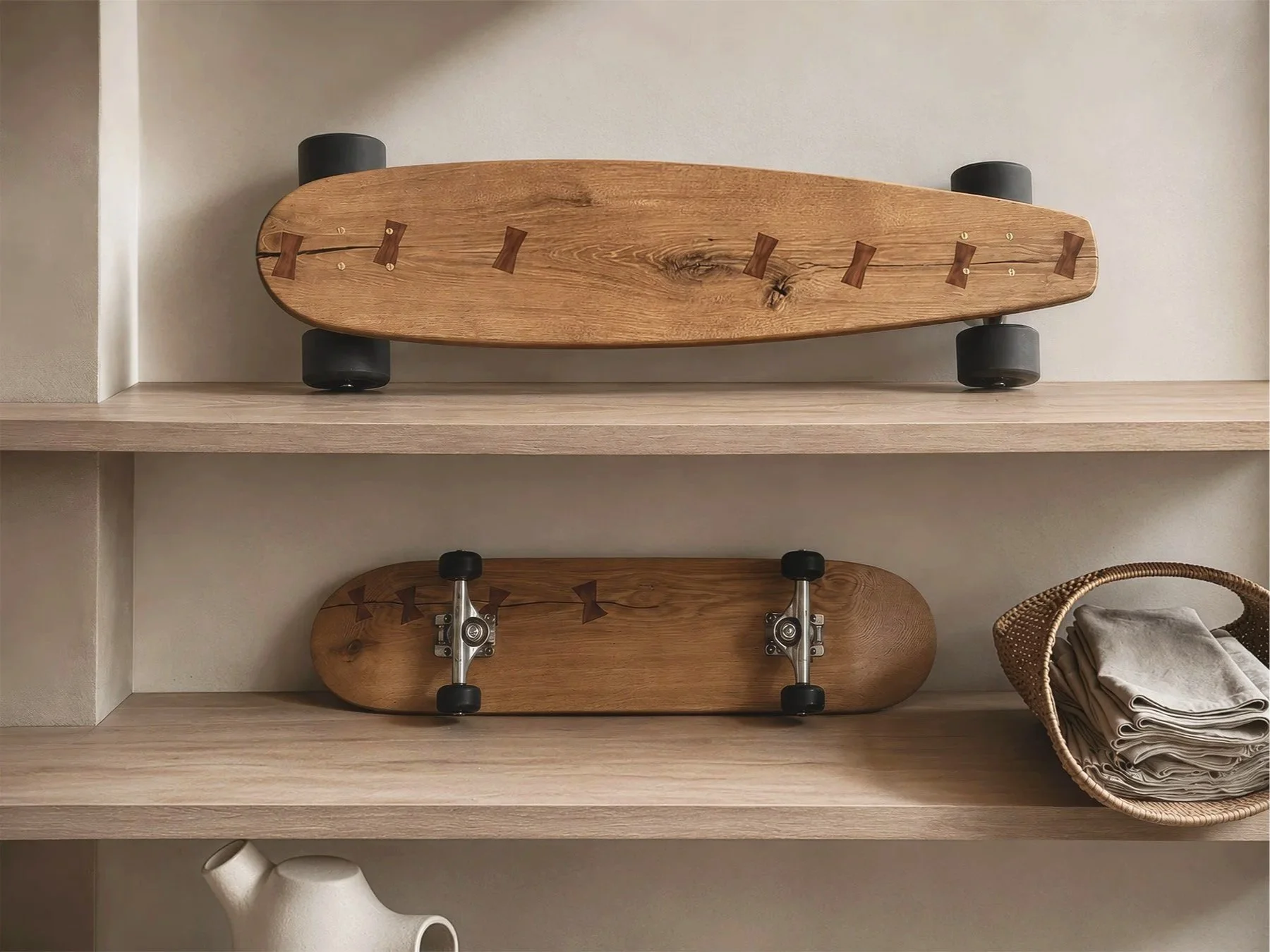
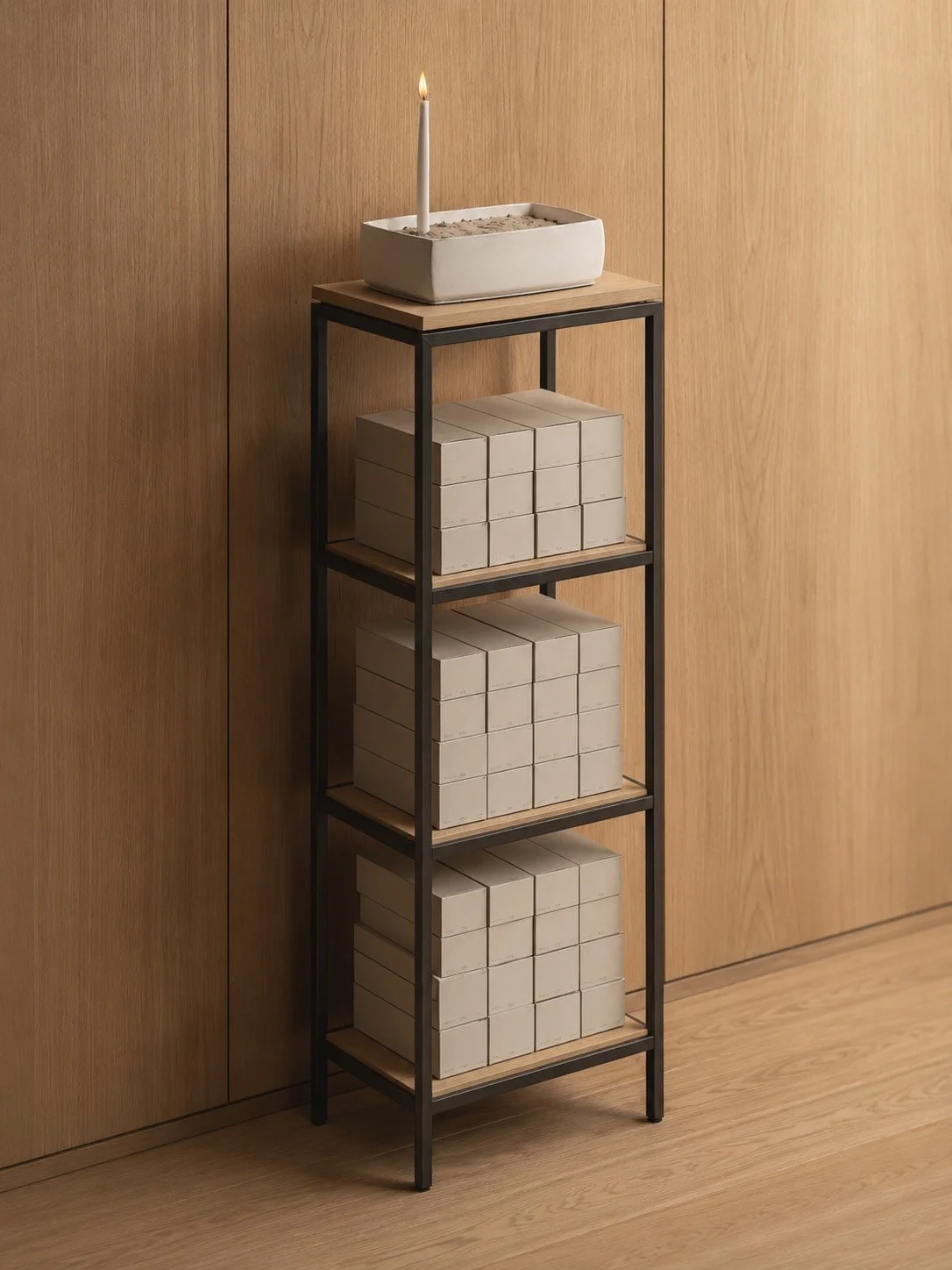
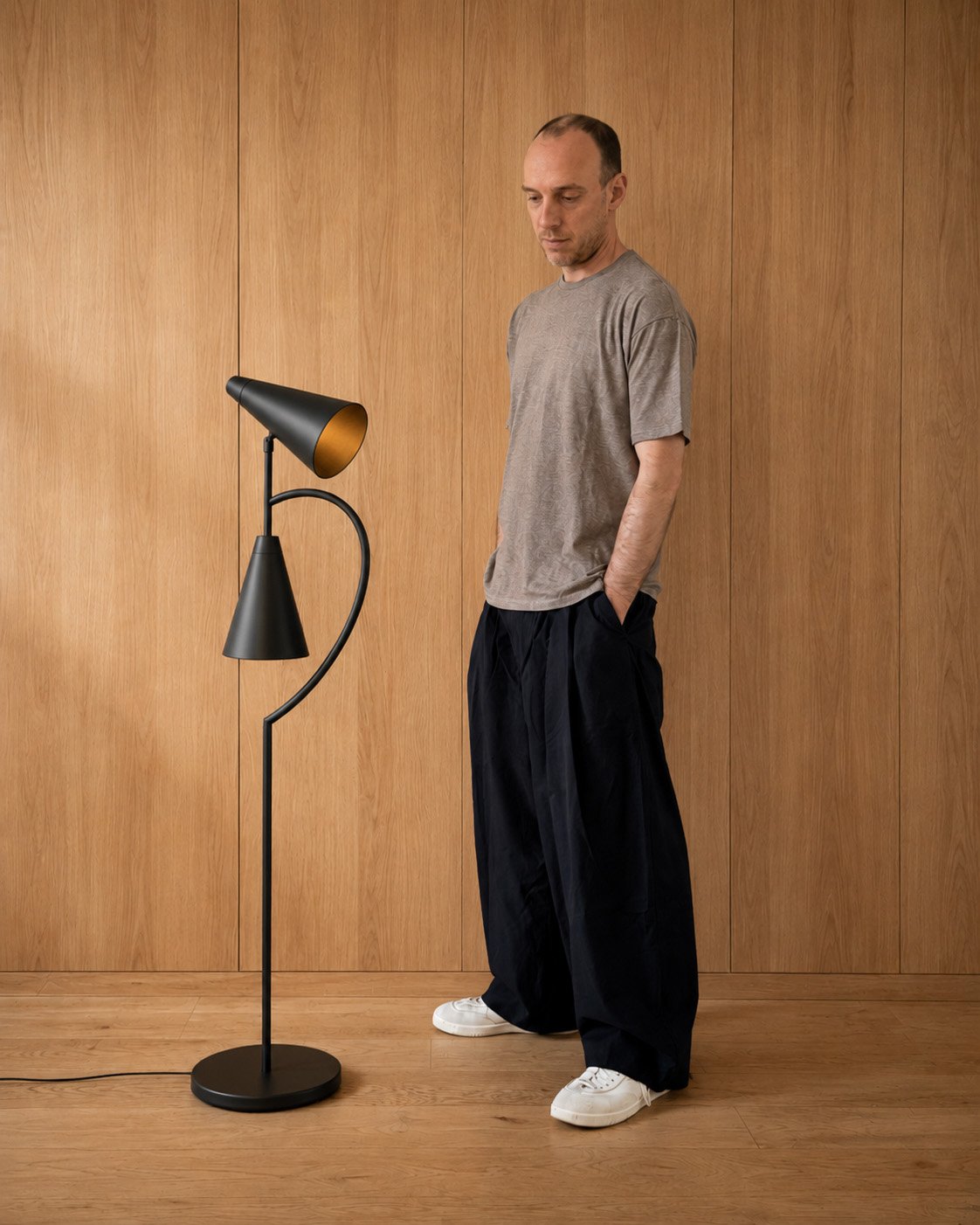
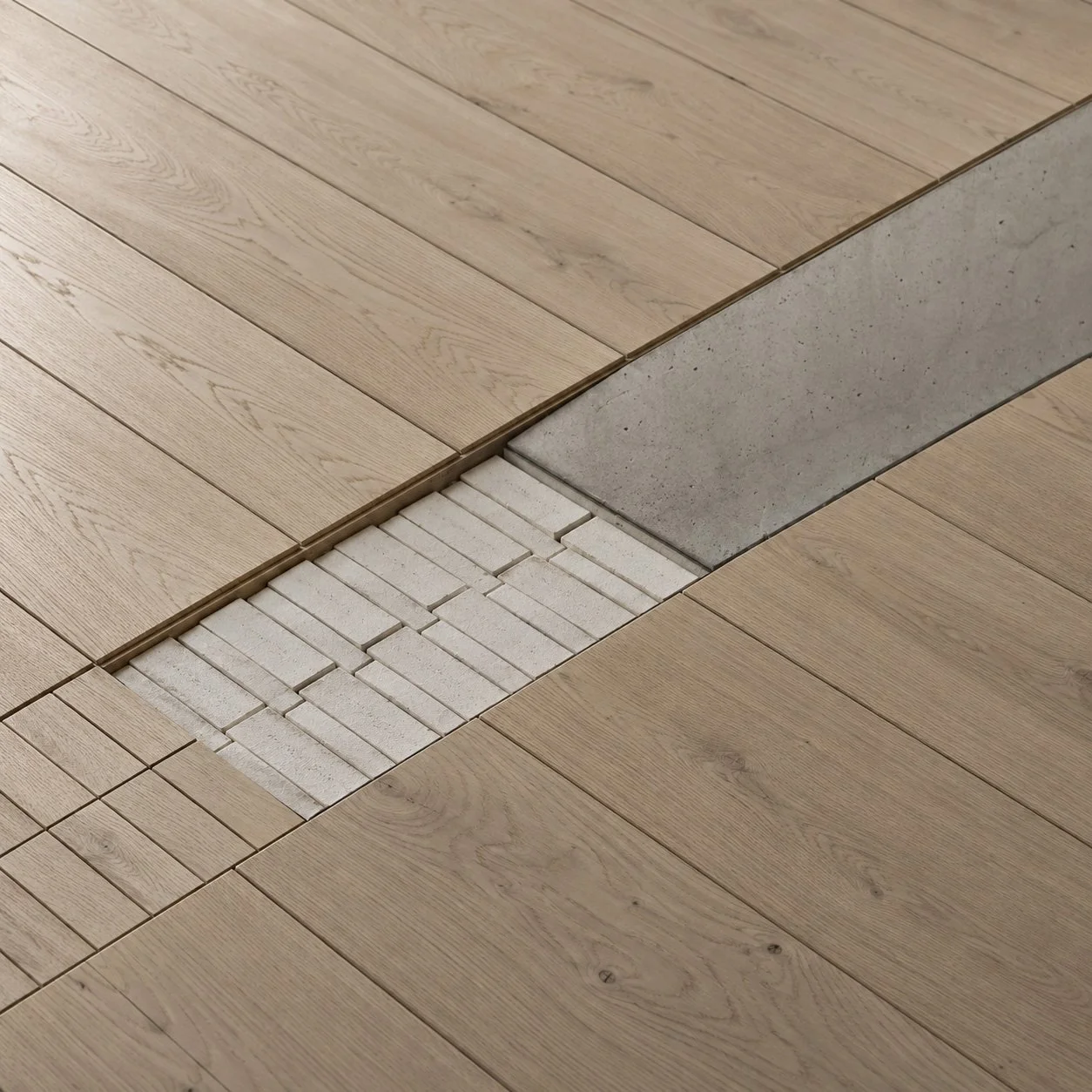
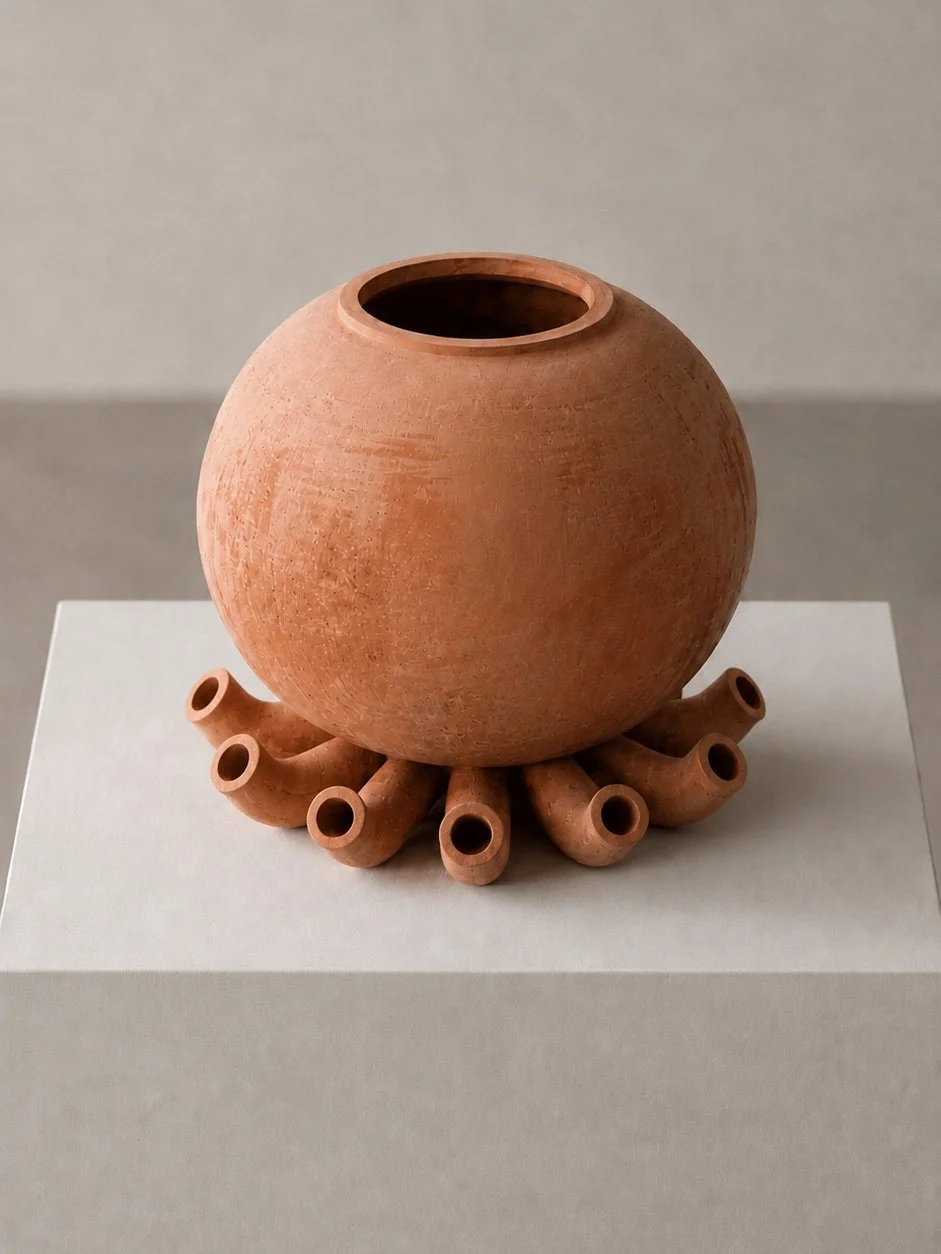
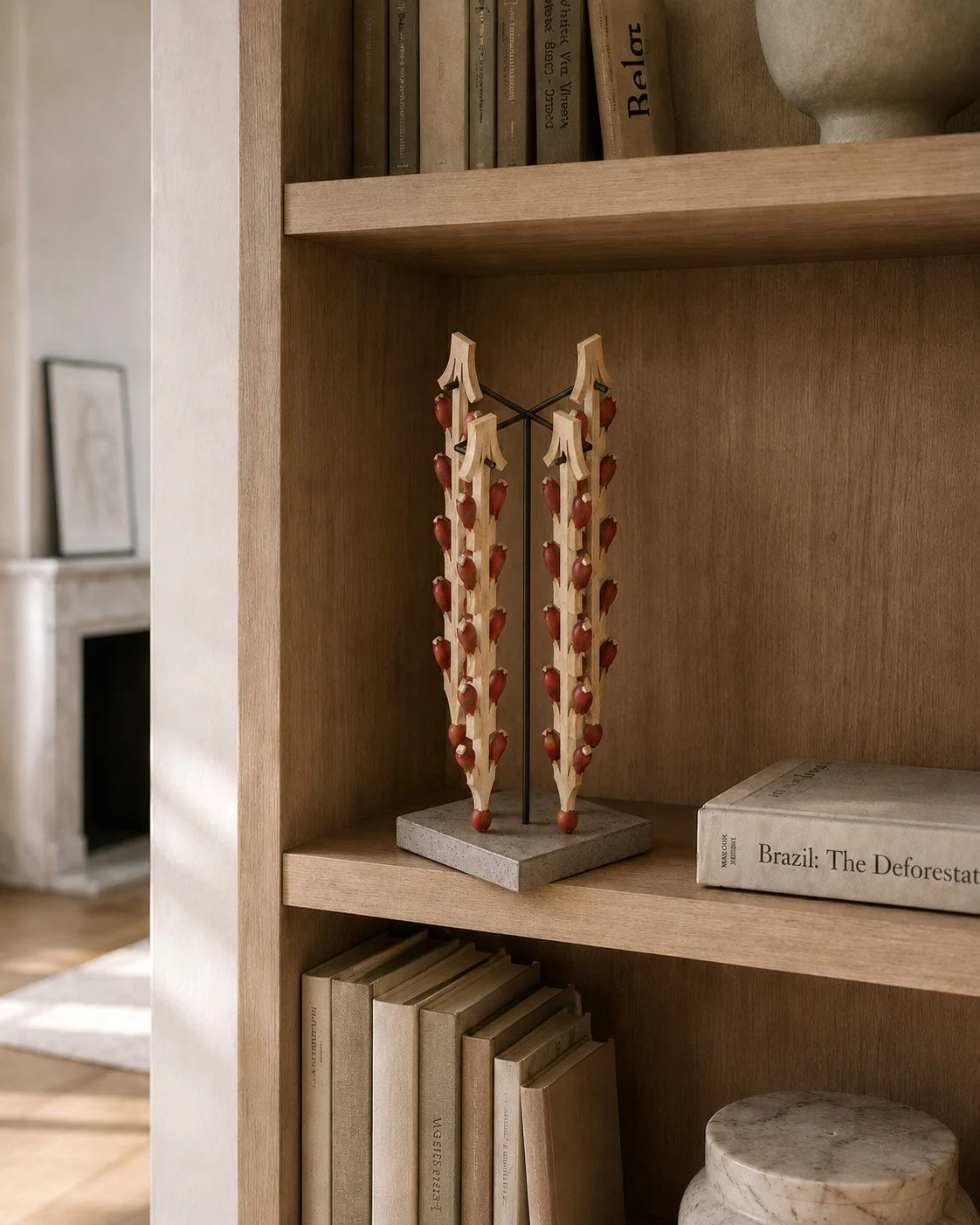
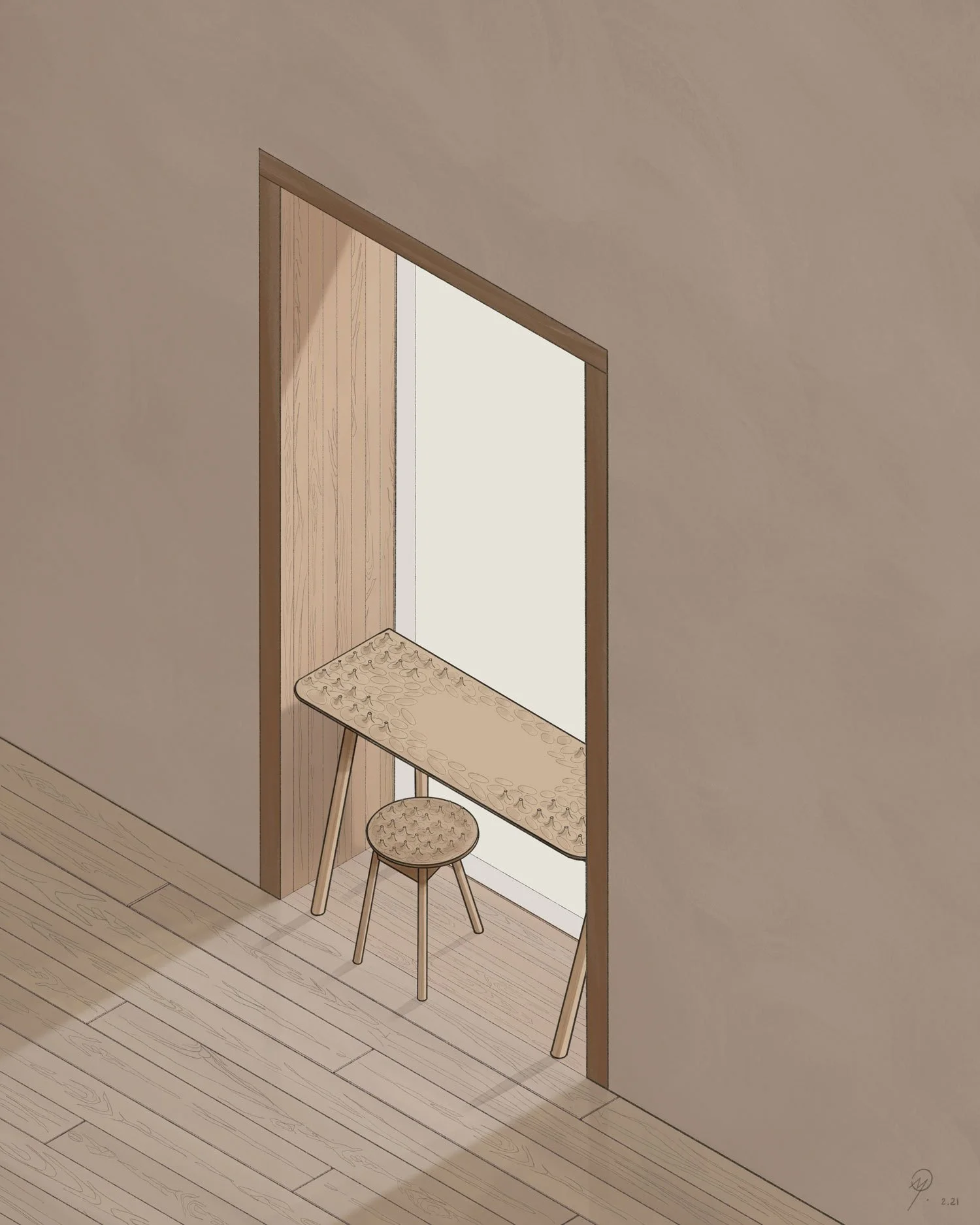
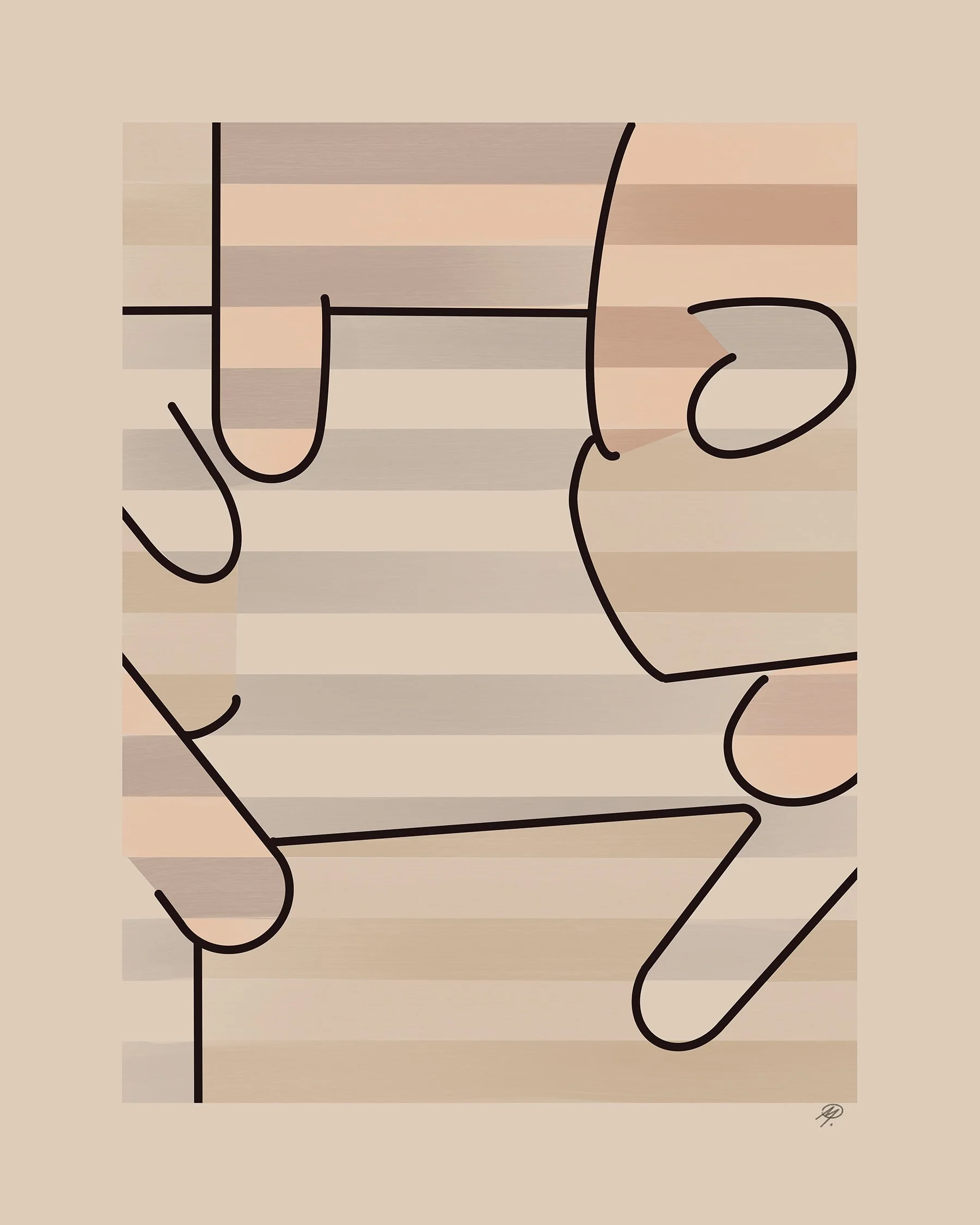
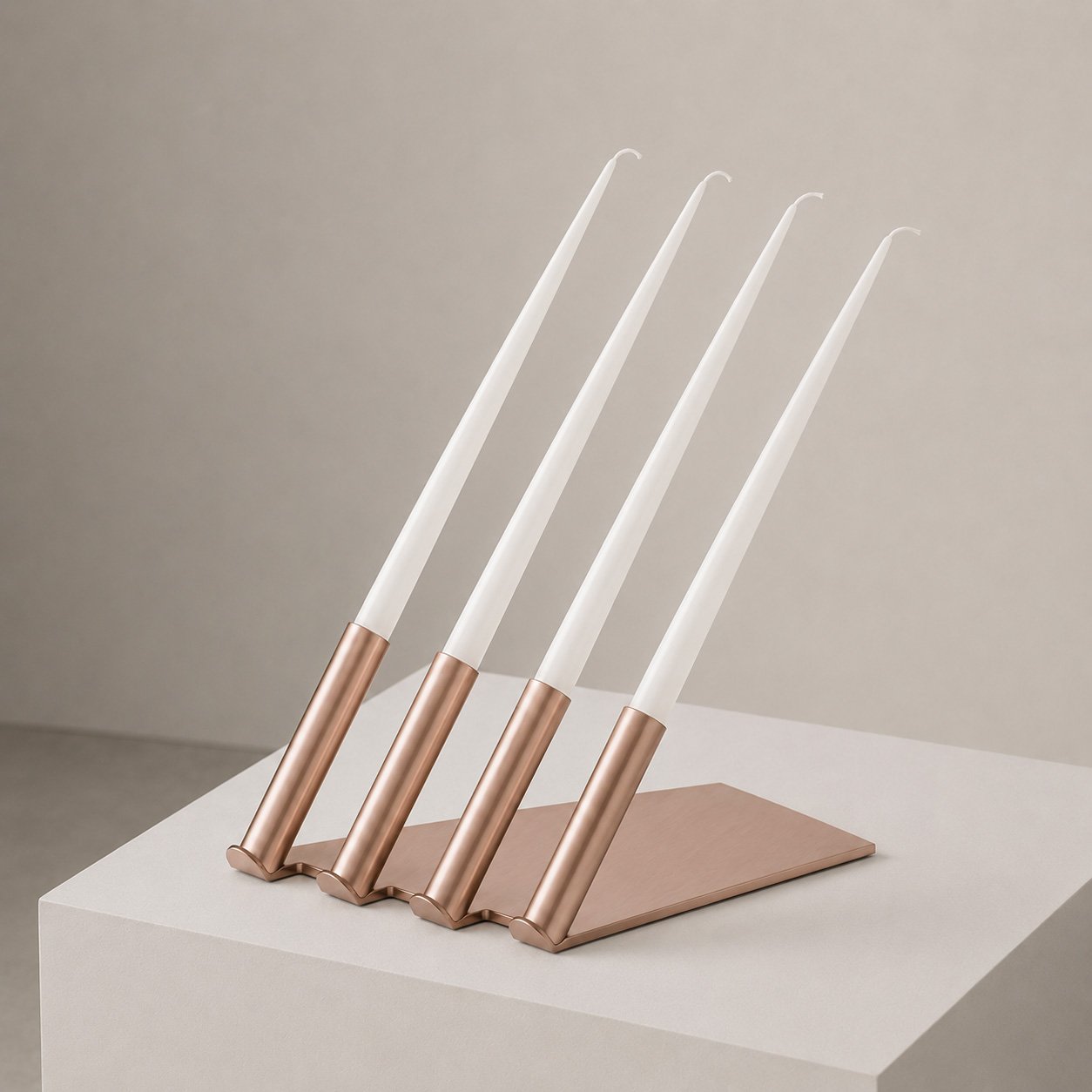
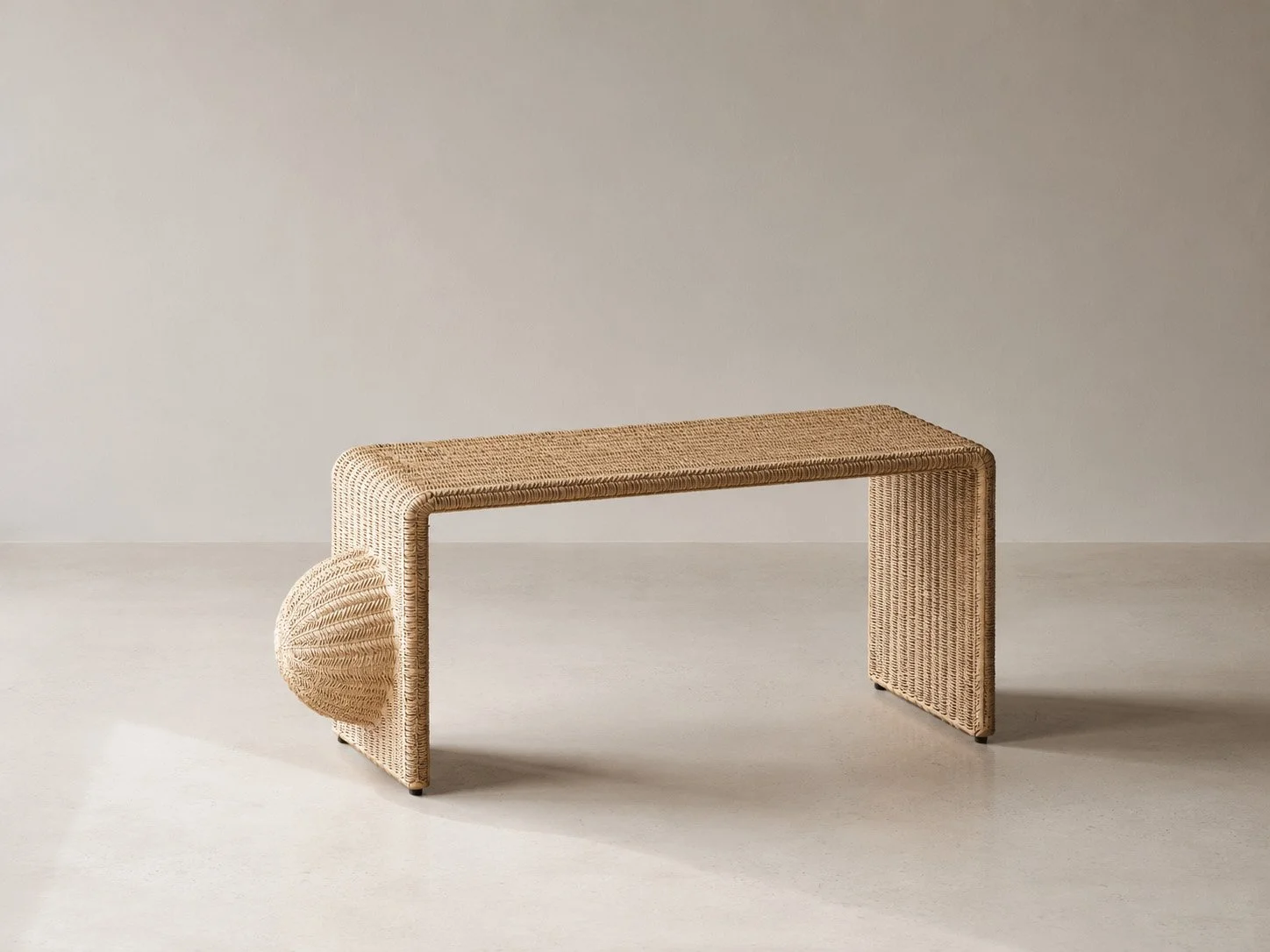
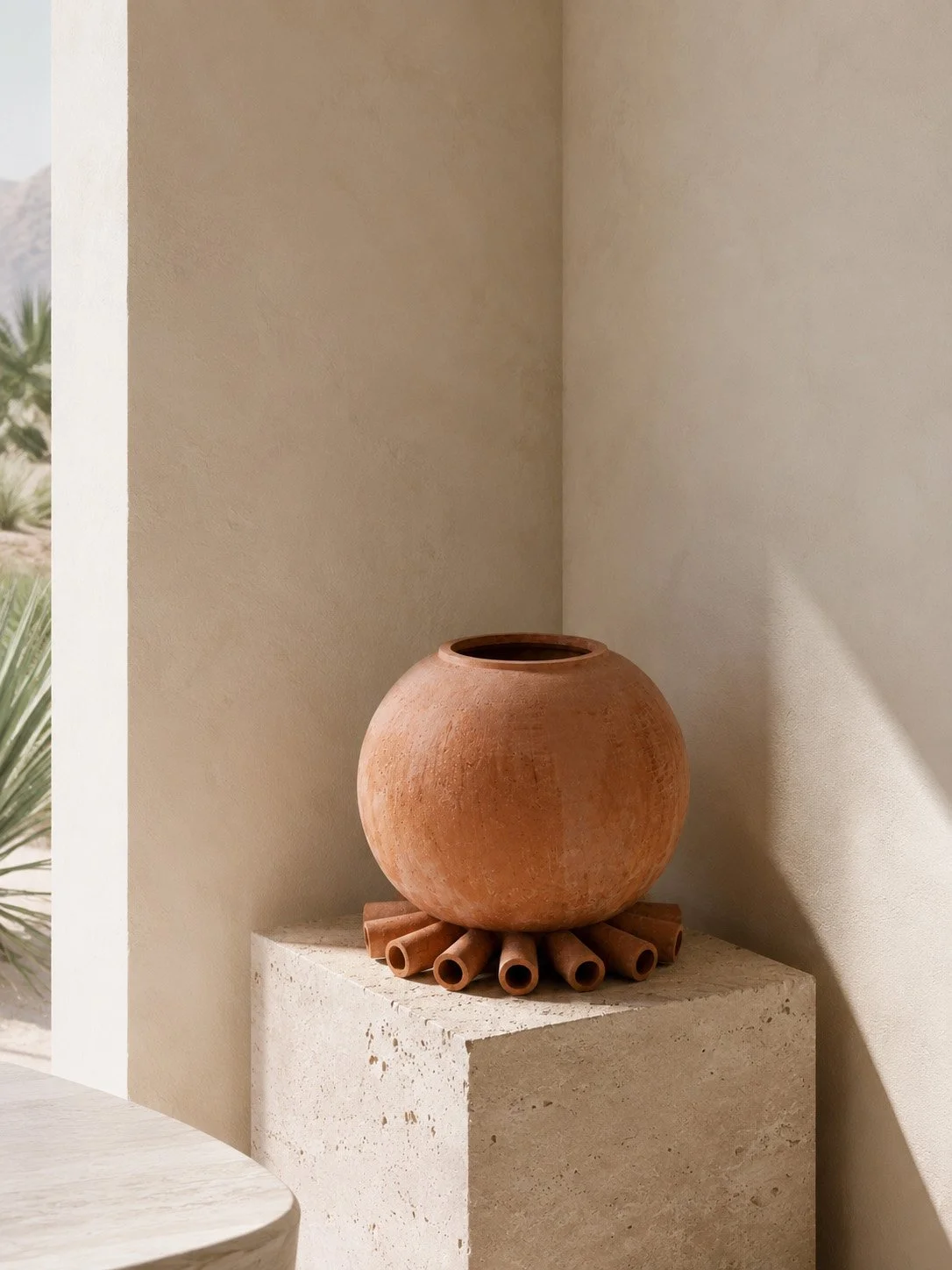
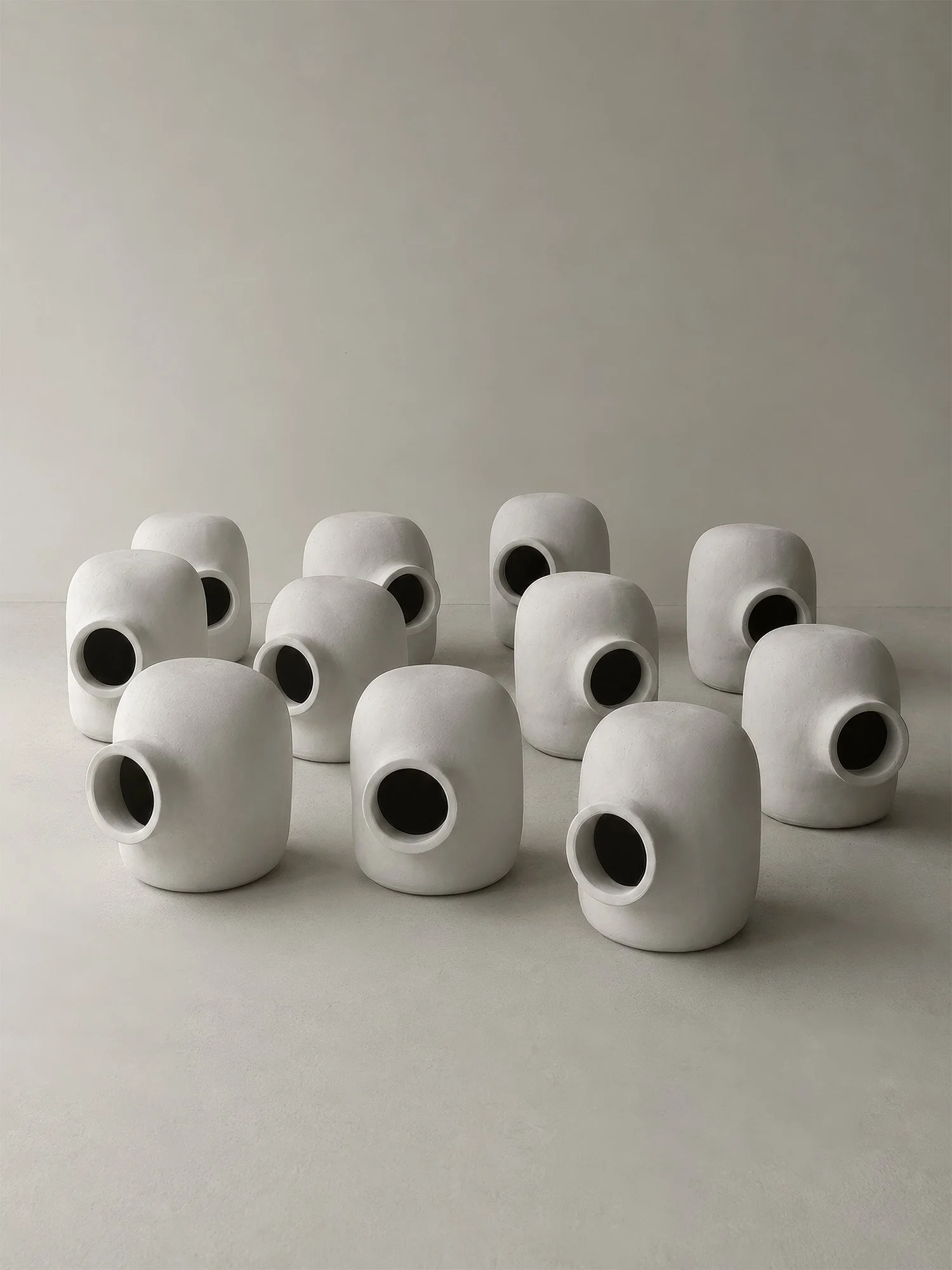
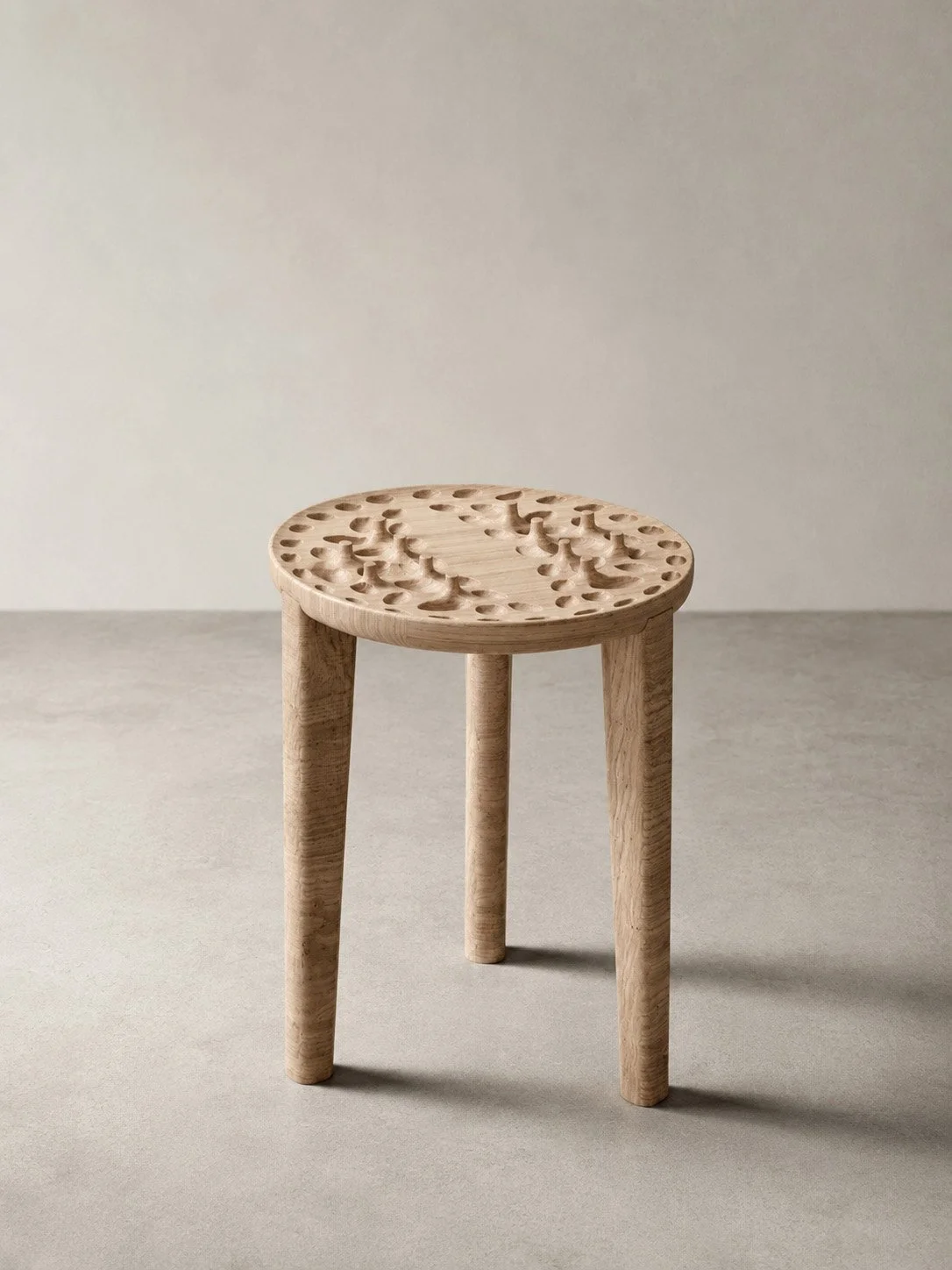
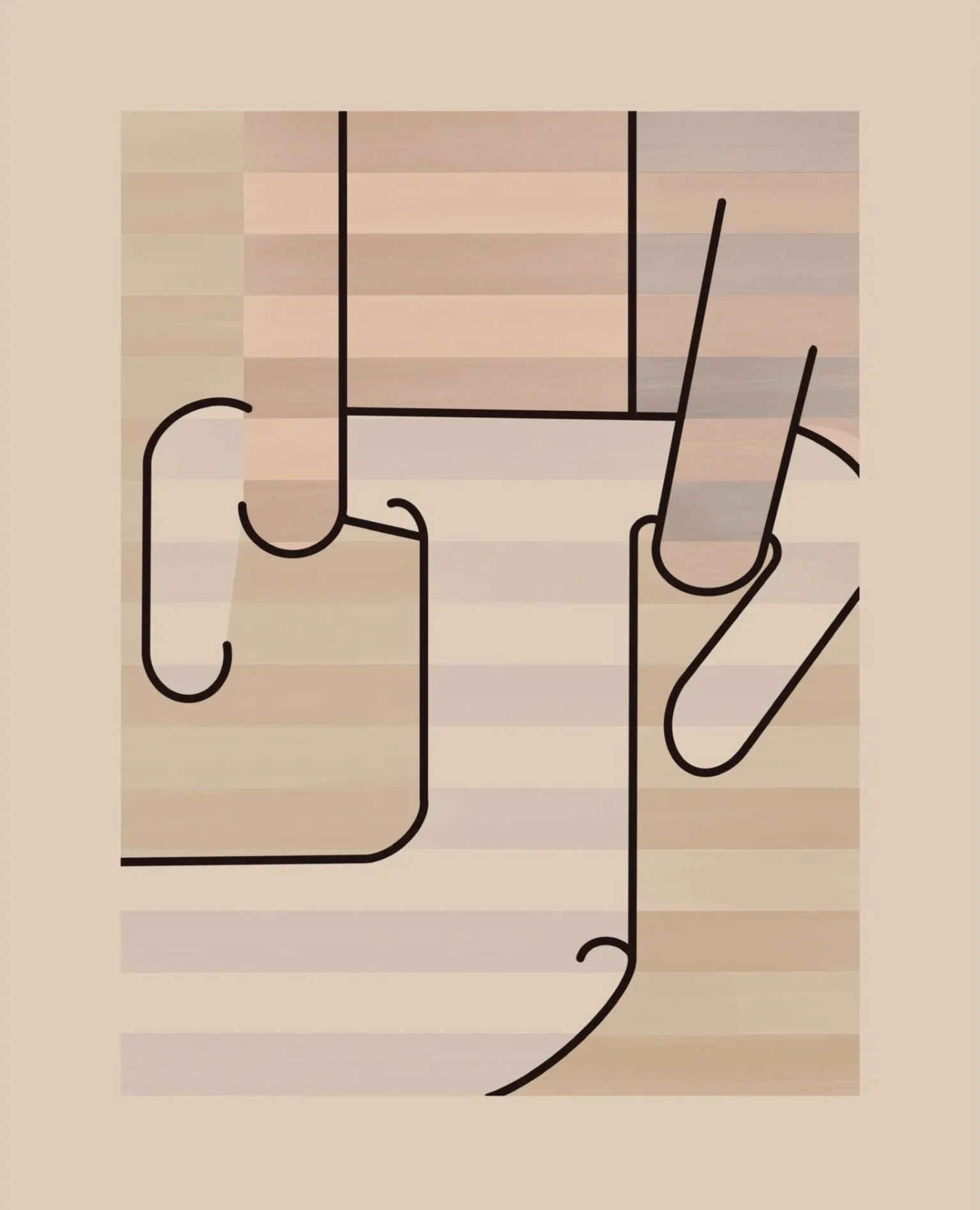
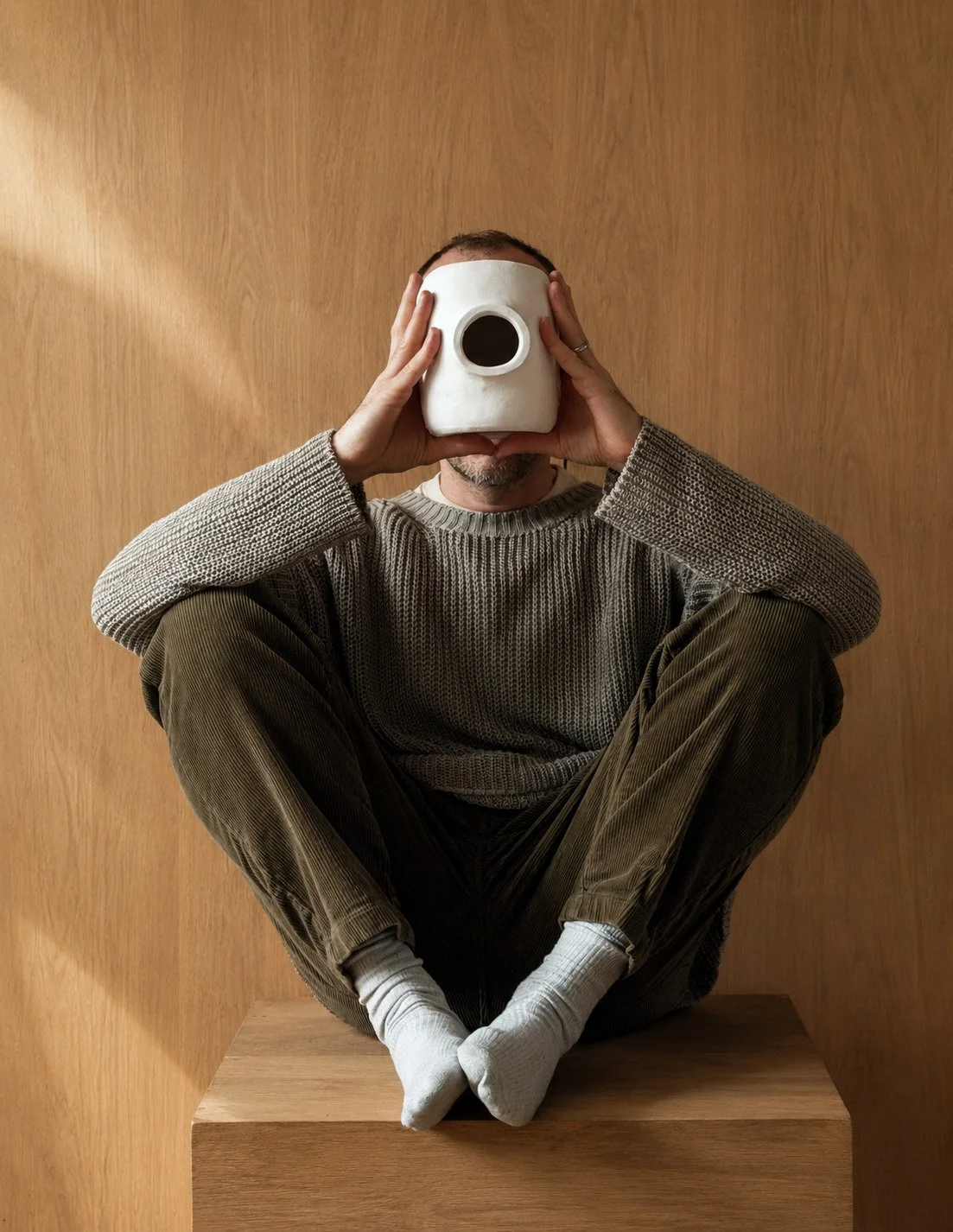
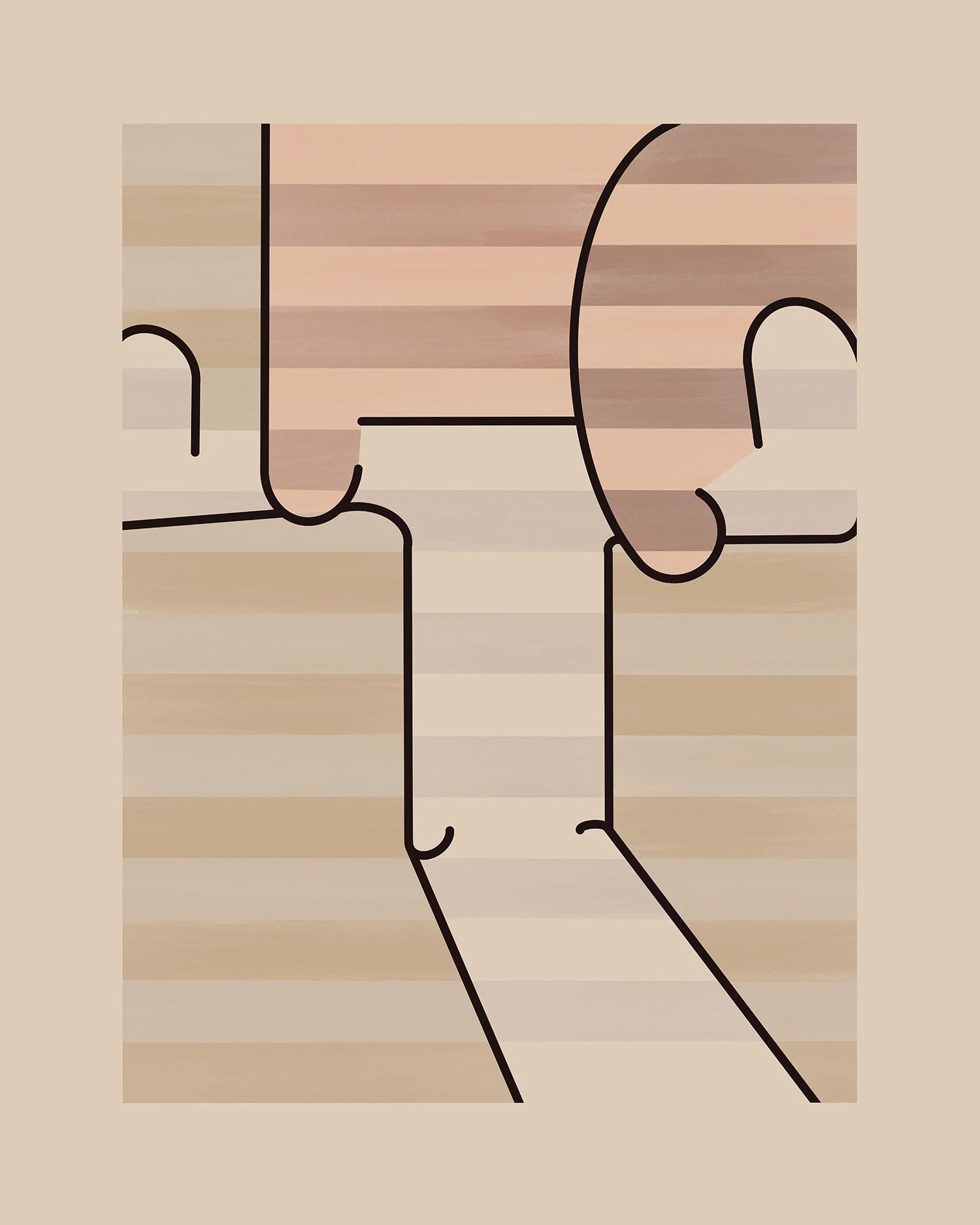
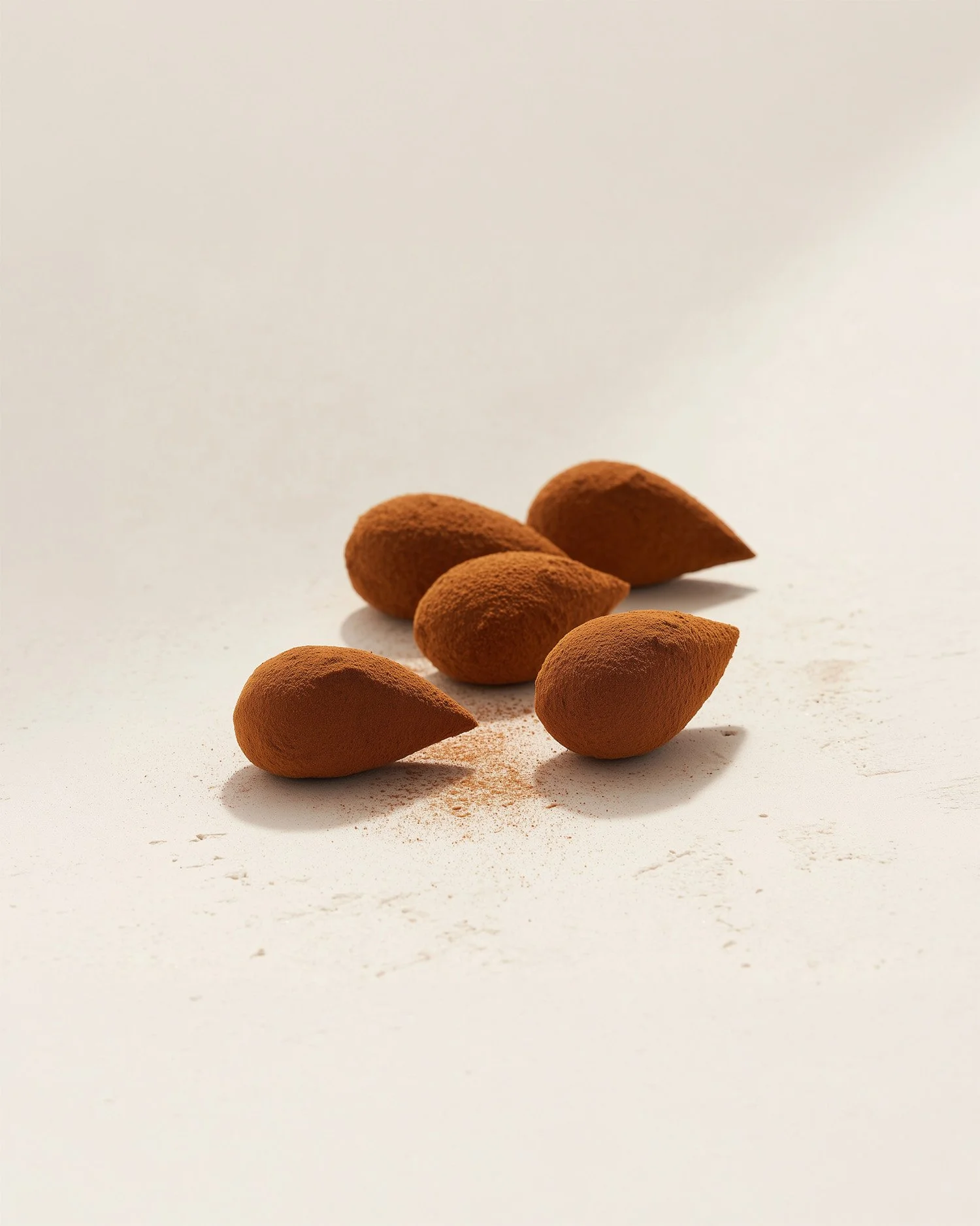
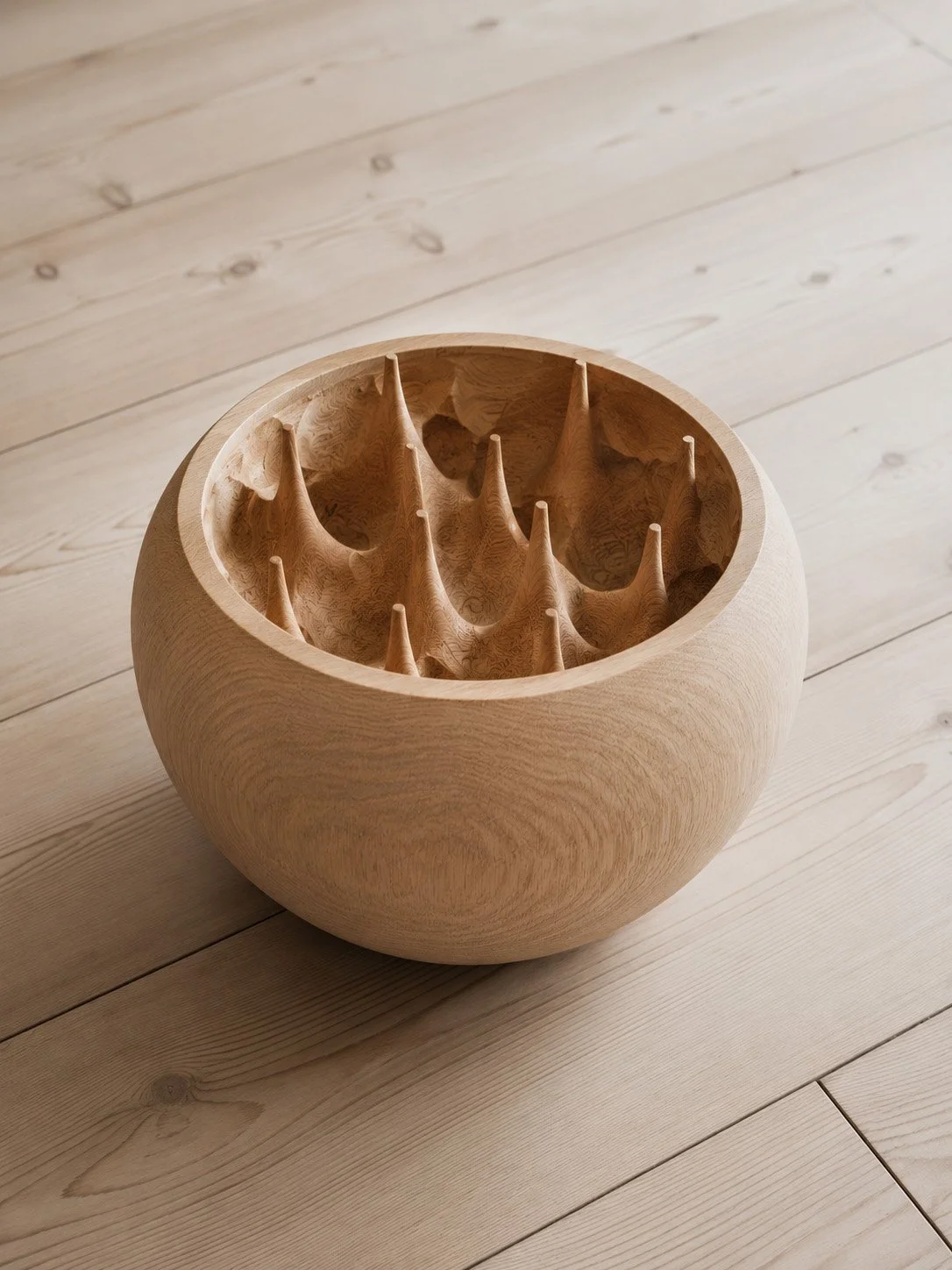
Across decades of work, each body of work reflects not only a medium or period, but a way of seeing. Read together, they form a loose chronology of perceptual phases — shifts in what reality seemed to be, what creativity was for, and how form could translate a state of mind.

A way of seeing, a way of living

“This page is rooted in art and design, but the question underneath it is wider. Before we make anything — a painting, an object, a decision, a life — we are already perceiving, framing, and assigning meaning. That is something all of us do, whether we name it or not.

For me, the work has become a way of staying with that fact: not to master it, but to keep exploring what changes when perception itself becomes part of the practice. The answer remains open. That openness may be one of the most creative conditions we have.”

META NOTES

This page is a living document. Last updated: Newly created on March 19, 2026
Created a new Art & Design page, Perception Is the First Creative Act, to frame the shift from making objects toward perception as medium, method, and test field. Added early language linking this inquiry to painting, trained seeing, and the broader artistic significance of perception. Added a chronological “From Objects to Perception” gallery framing past works as phases of perception, so each project reads not only as output but as evidence of a changing way of seeing.