REFLECTIONS
Field Notes & Essays
A journal of field notes, annotations, essays, and art — lived fragments, questions, and creative practices exploring what happens when perception shifts.
All | Field Notes | Annotations | Essays | Art & Design

Beginning a PhD in Philosophy: Perception, Consciousness, and Ordinary Life
This fall, I will begin a PhD in Philosophy, Cosmology, and Consciousness. My research asks how our first reading of a situation shapes attention, decisions, and behavior, and whether shifts in perception can be investigated through disciplined experiments in ordinary life.

Dreamer Mode in Ordinary Life
Awakening has long been imagined in monasteries, retreats, and other protected spaces. The Dreamer Project considers a different possibility: that ordinary life itself might become a site of philosophical and perceptual inquiry, where the first reading of a moment is not necessarily the final one.
Entrepreneurship of Awakening
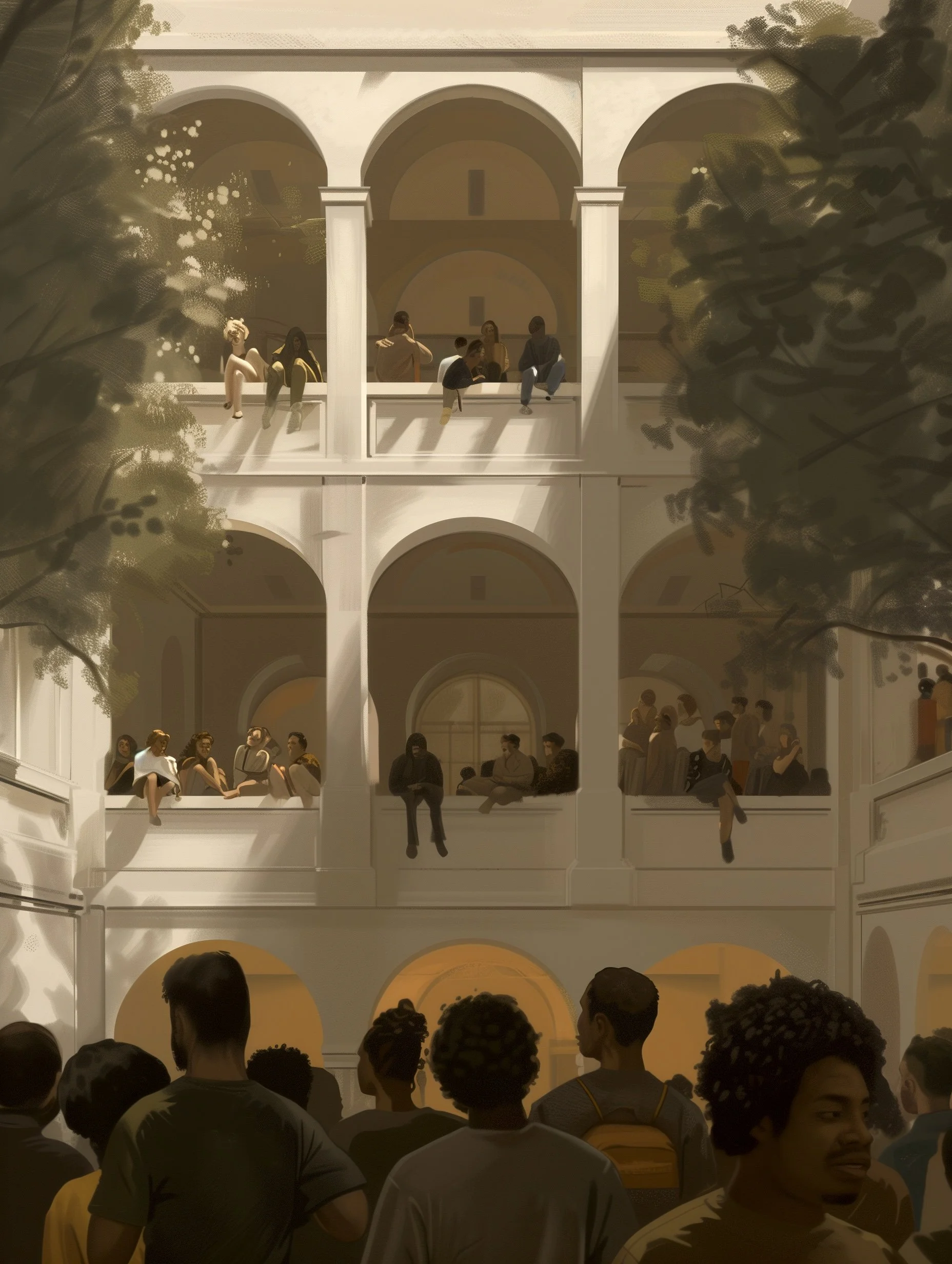
What if awakening itself were treated as R&D? This annotation sketches how presence, peace, and generosity might be tested as variables in organizations, cities, and daily life.
The Hypothetical Population
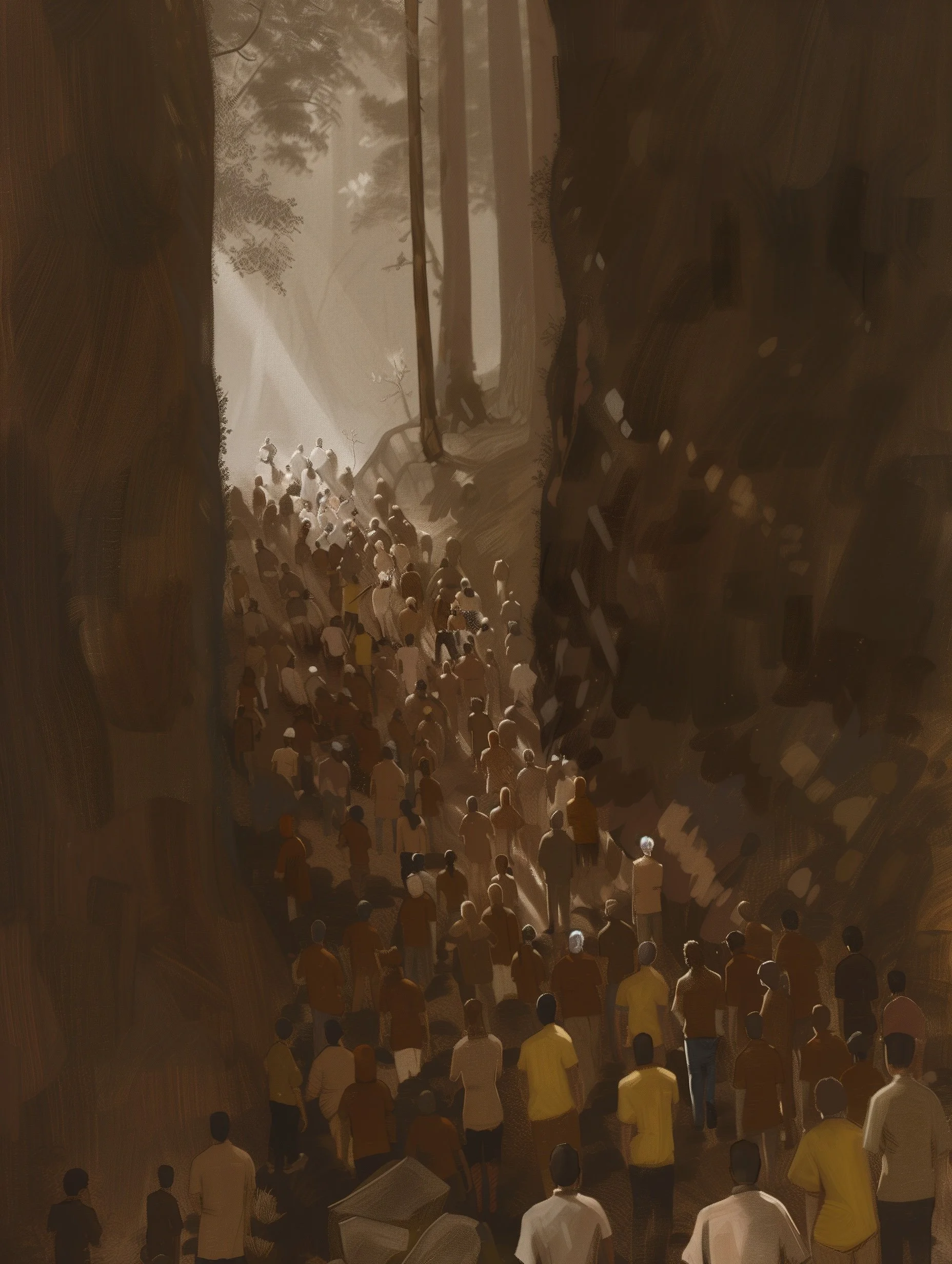
Could we model humanity with presence the way cosmologists model galaxies? This annotation explores the speculative “hypothetical population”: a vision of what might happen if identity shifted from separation to shared mind — not utopia, but a living experiment at scale.

A Tool Asked Me to Do Nothing: A Backyard Field Test
A random What Now assignment asked me to stay home and look at the backyard for twenty minutes. The task did not make the mind peaceful or turn the backyard into a revelation. But it made the mind visible — how quickly attention reaches for irritation, control, memory, comparison, longing, and then, sometimes, availability.
The What Now Tool: Randomness, Constraints, and Ordinary Life as a Field Test
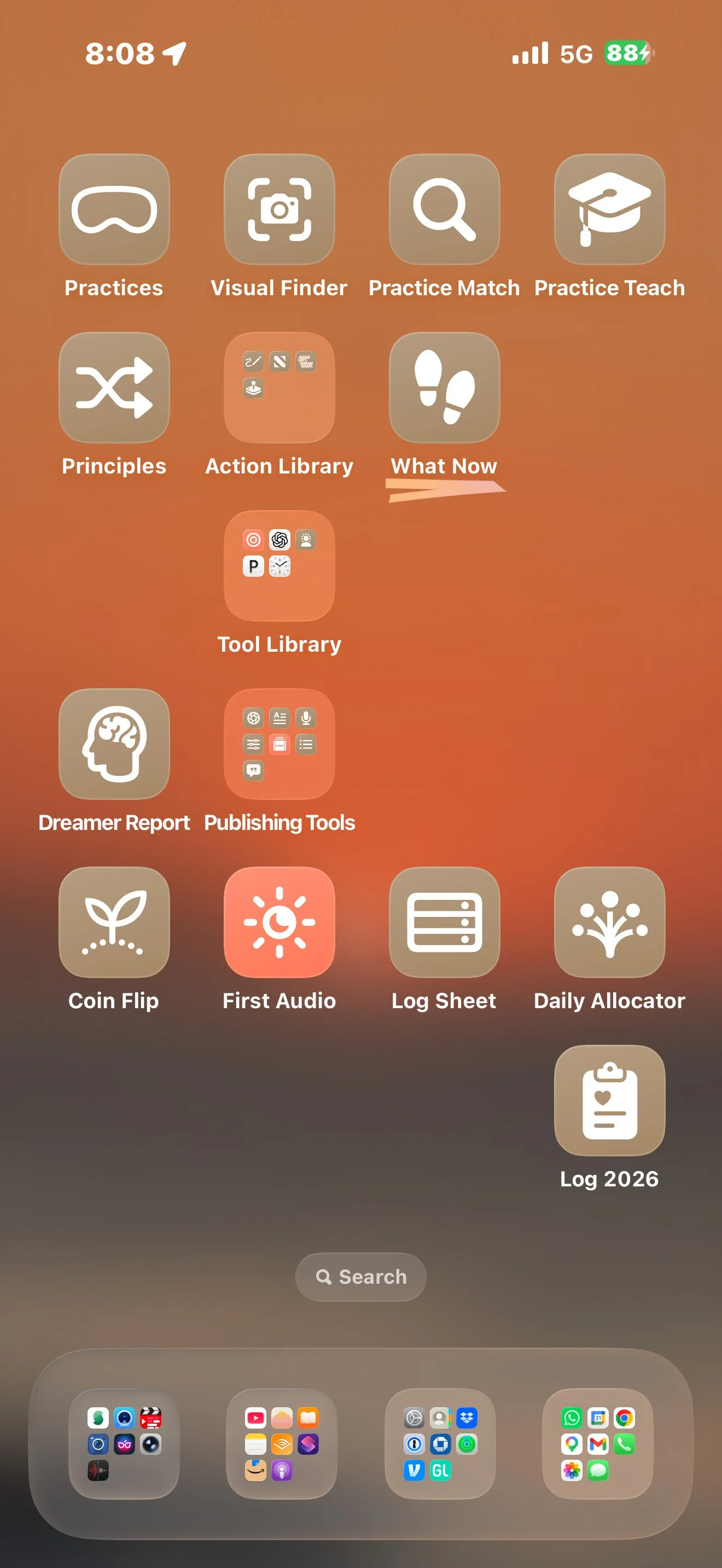
The What Now tool randomly assigns field tests, constraints, and practice conditions for The Dreamer Project. It does not try to optimize the day. It creates situations where perception, reactivity, identity, and ordinary life can be observed before they are explained.

Beyond the Dream: The Unnamable Source
Traditions across centuries gesture to the same truth: the dream of the world is not final. Atman, Tao, Christ, Buddha-nature — each points to an unnamable source, awareness itself. This annotation asks: what would it mean to live as if this were true, to remember innocence as the dream’s healing?
I Built a Tool That Tells Me What to Test
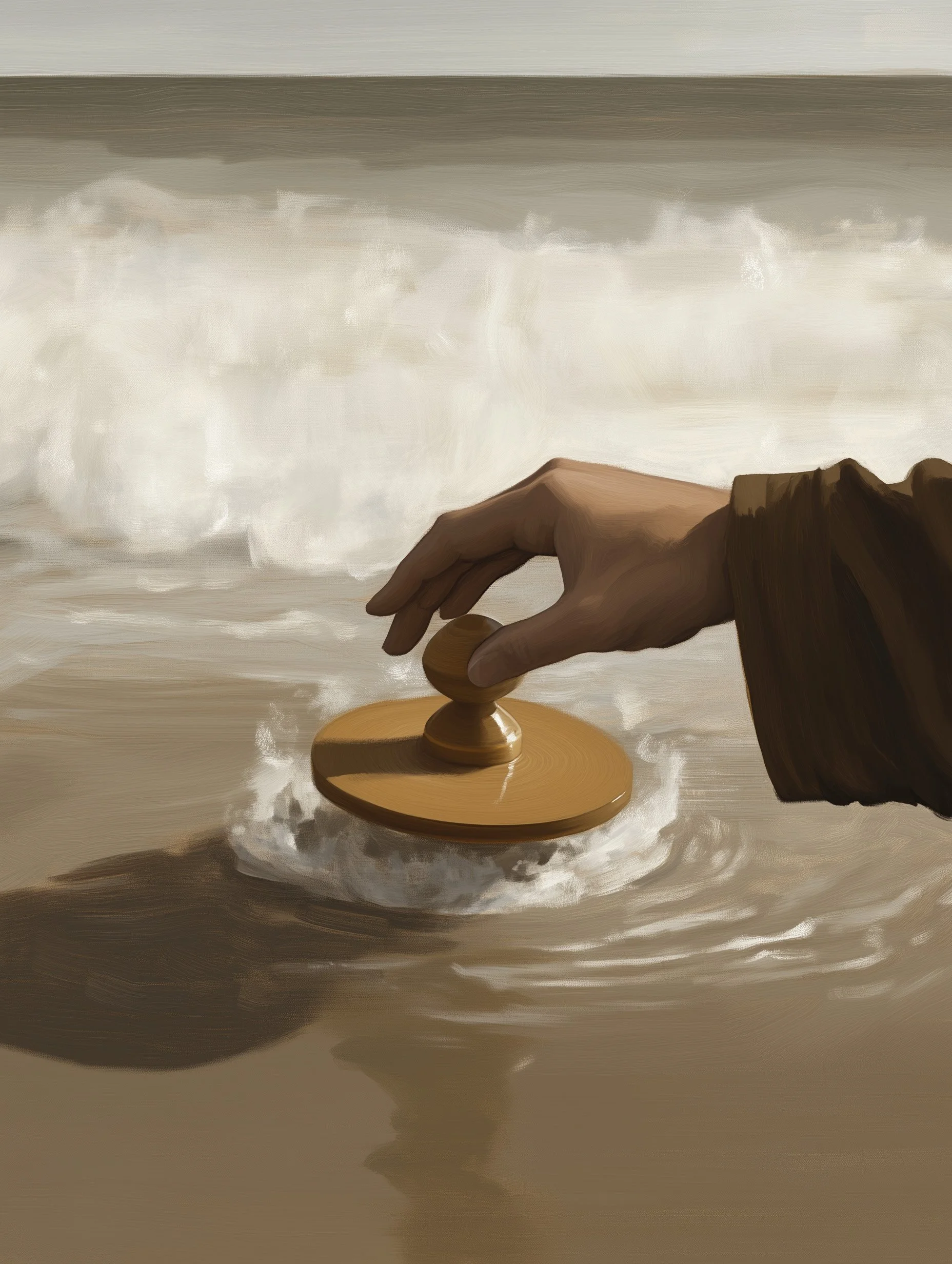
This Journal of the Experiment entry extends the inquiry from the How It Works and What is The Dreamer Project? pages by introducing one of the tools that helps structure the experiment in daily life. The Daily Allocator is a simple device for assigning the day’s test conditions — what to hold, what to apply, when to apply it, and under what limits — so that the inquiry can be lived rather than merely thought about.
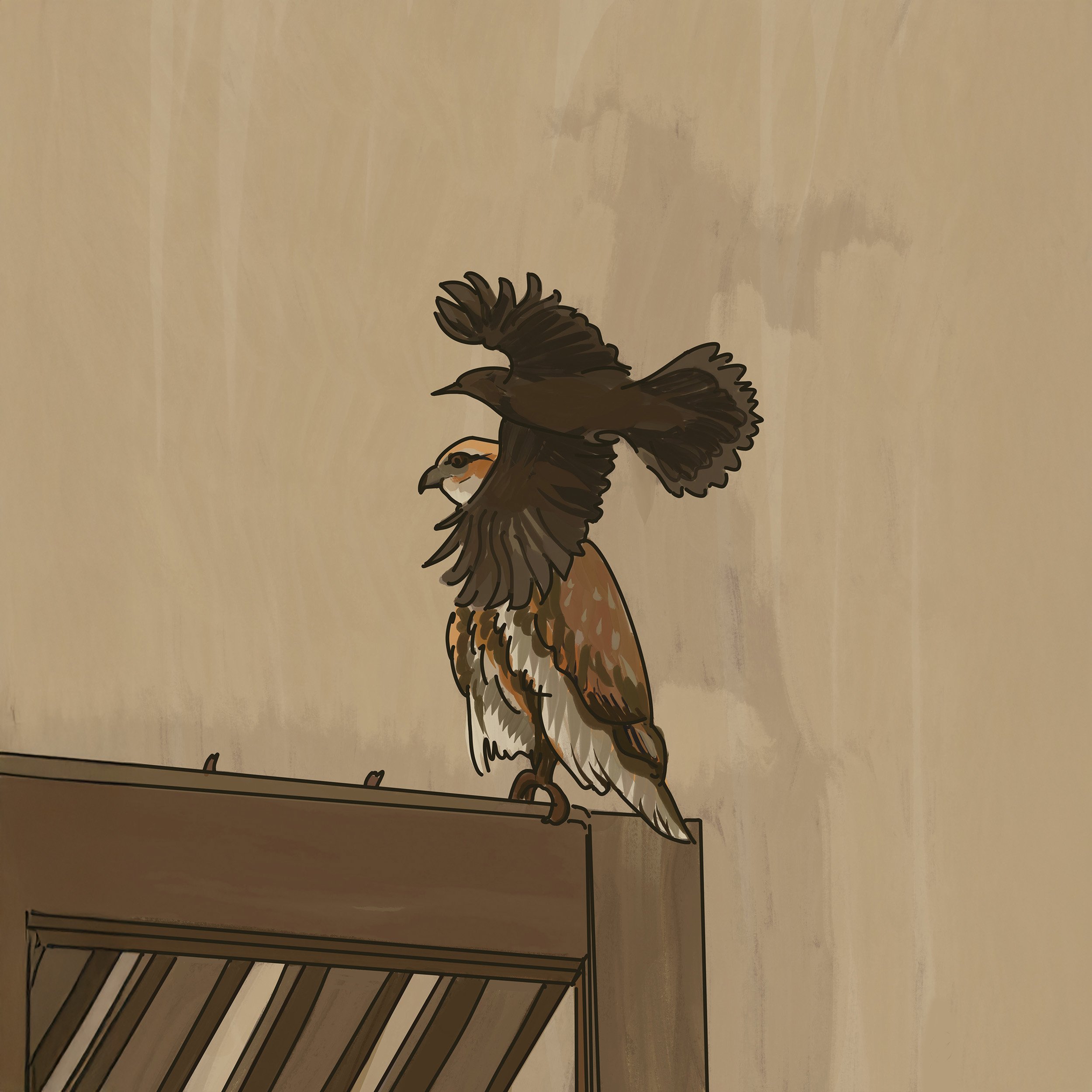
The Hypothesis Protocol — Upon Waking, to Reinitiate the Experiment
It begins from a minimal ground: before any theory about reality, there is awareness, experience, and the question of what can actually be verified from the inside. The Premise Protocol is one tool in that experiment — a way to set the frame early, and observe whether perception, reaction, and meaning reorganize once the day begins.
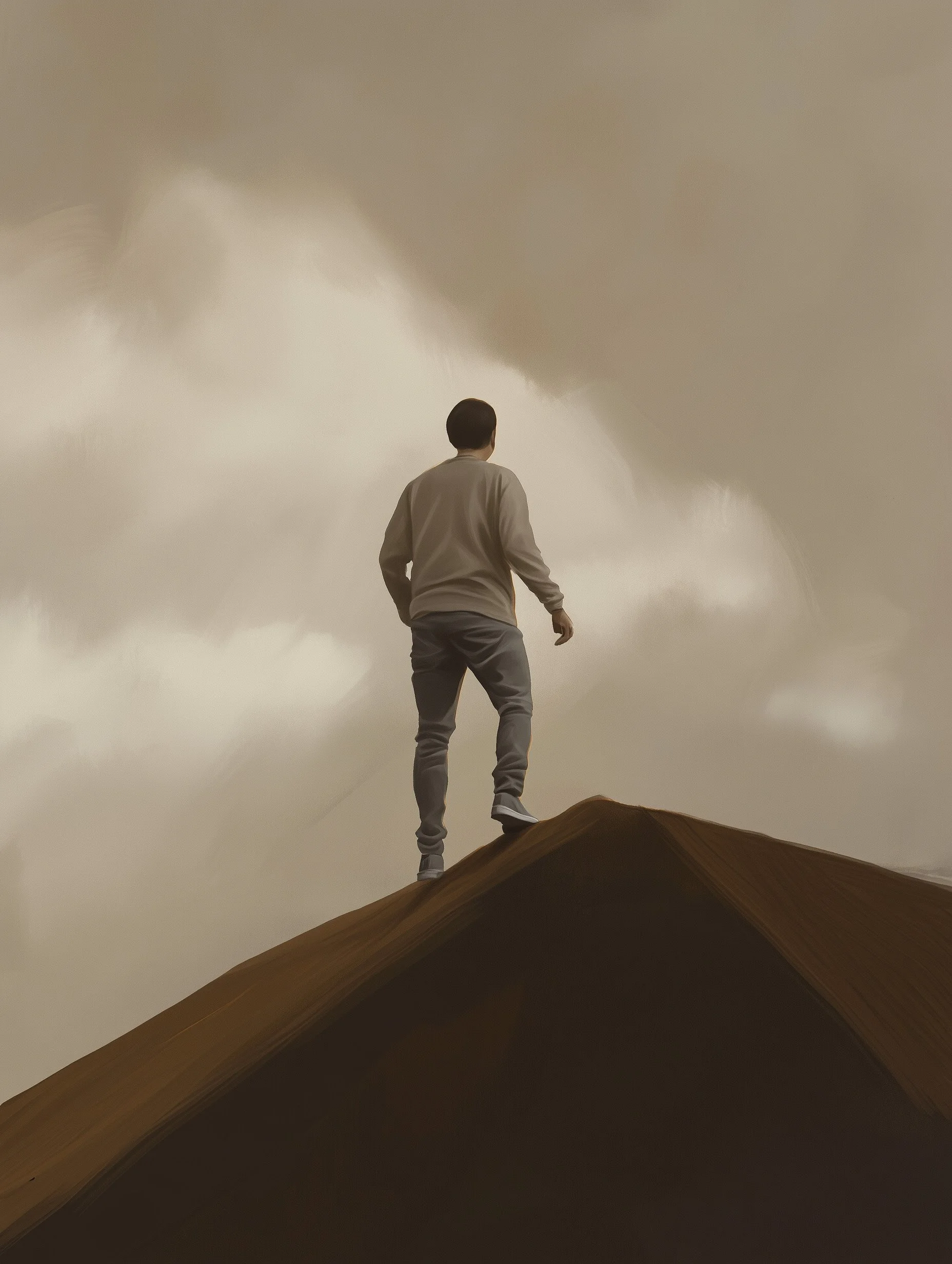
Dream as Symbol, Dream as Instrument
A field note from The Dreamer Project on why it uses dream language at all — and how “Dream,” “Dreamer,” and We The Dreamer became working symbols, and even part of the test itself, in exploring consciousness as fundamental, shared identity, and a mind-first view of reality.
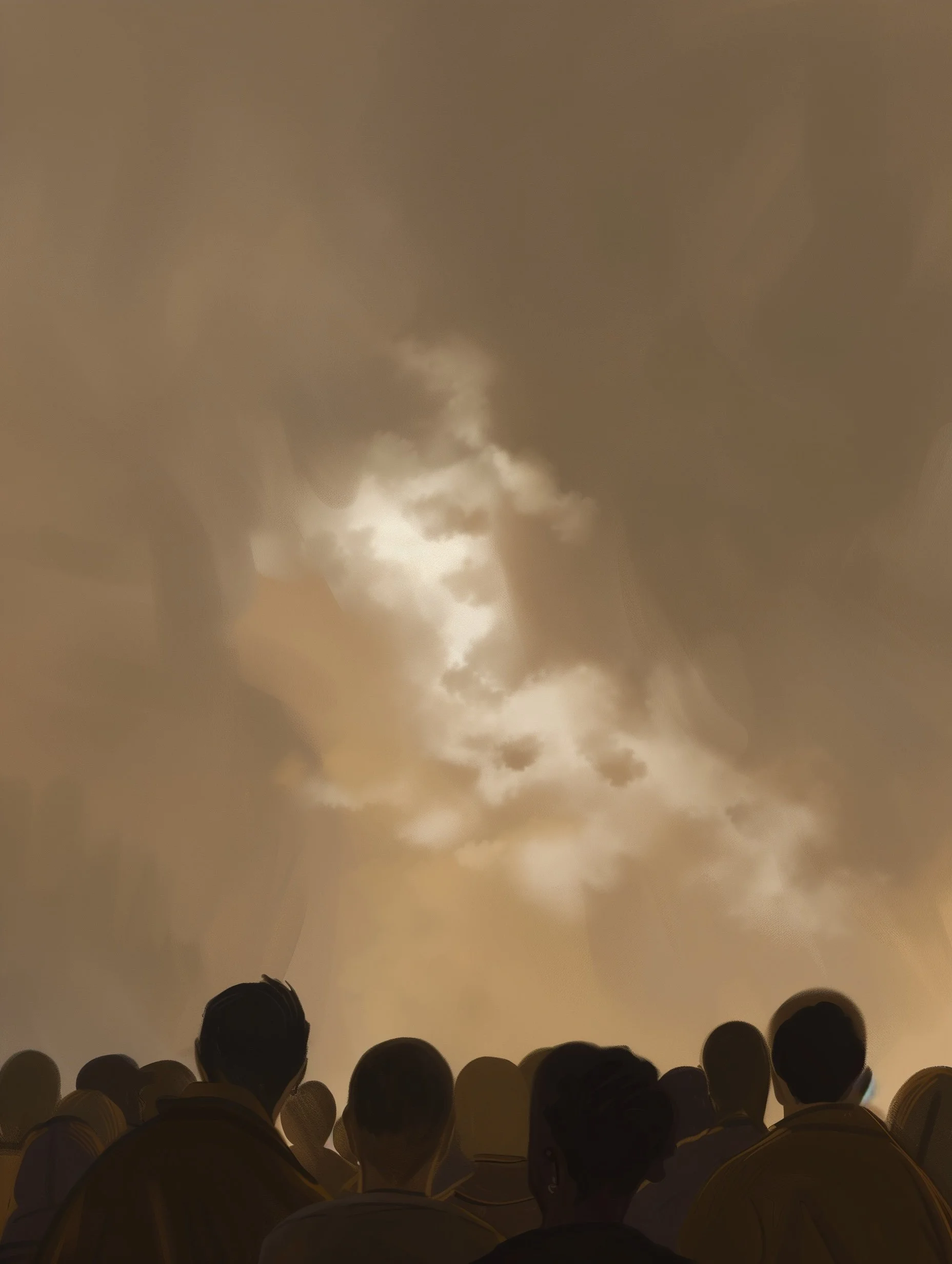
The World We Are Dreaming
Dreams can fracture into crisis or unfold as resilience. This annotation reflects on We The Dreamer as a practice of lucid participation — holding the crises of our time as projections of a shared mind, and testing whether awareness itself can alter what seems inevitable.
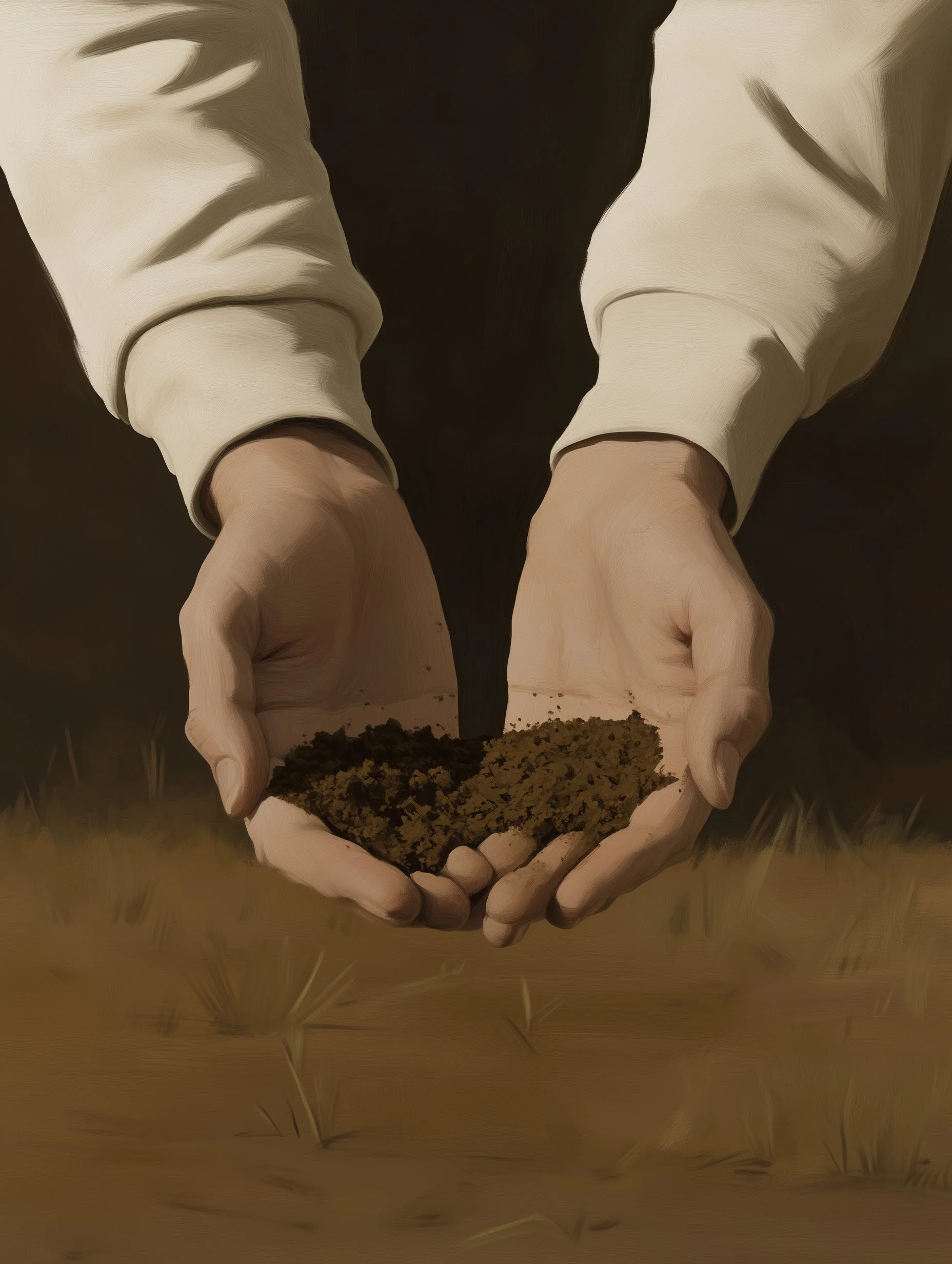
The Aware in Awareness Is the Real in Reality - Where the Inquiry Begins
This Journal of the Experiment entry extends the inquiry from the Project Philosophy page and connects directly to the practice The Aware in Awareness Is the Real in Reality. It traces the minimum honest ground of the experiment: before any theory about reality, there is awareness, experience, and the question of what can actually be verified from the inside.