The Dream We Are Making
JOURNAL ANNOTATIONS
450 words · 2 min read
This Journal Annotation was created for the We The Dreamer page. It extends the project’s symbolic core, tracing how cultures have always used dreams as metaphors for mystery, meaning, and shared identity.
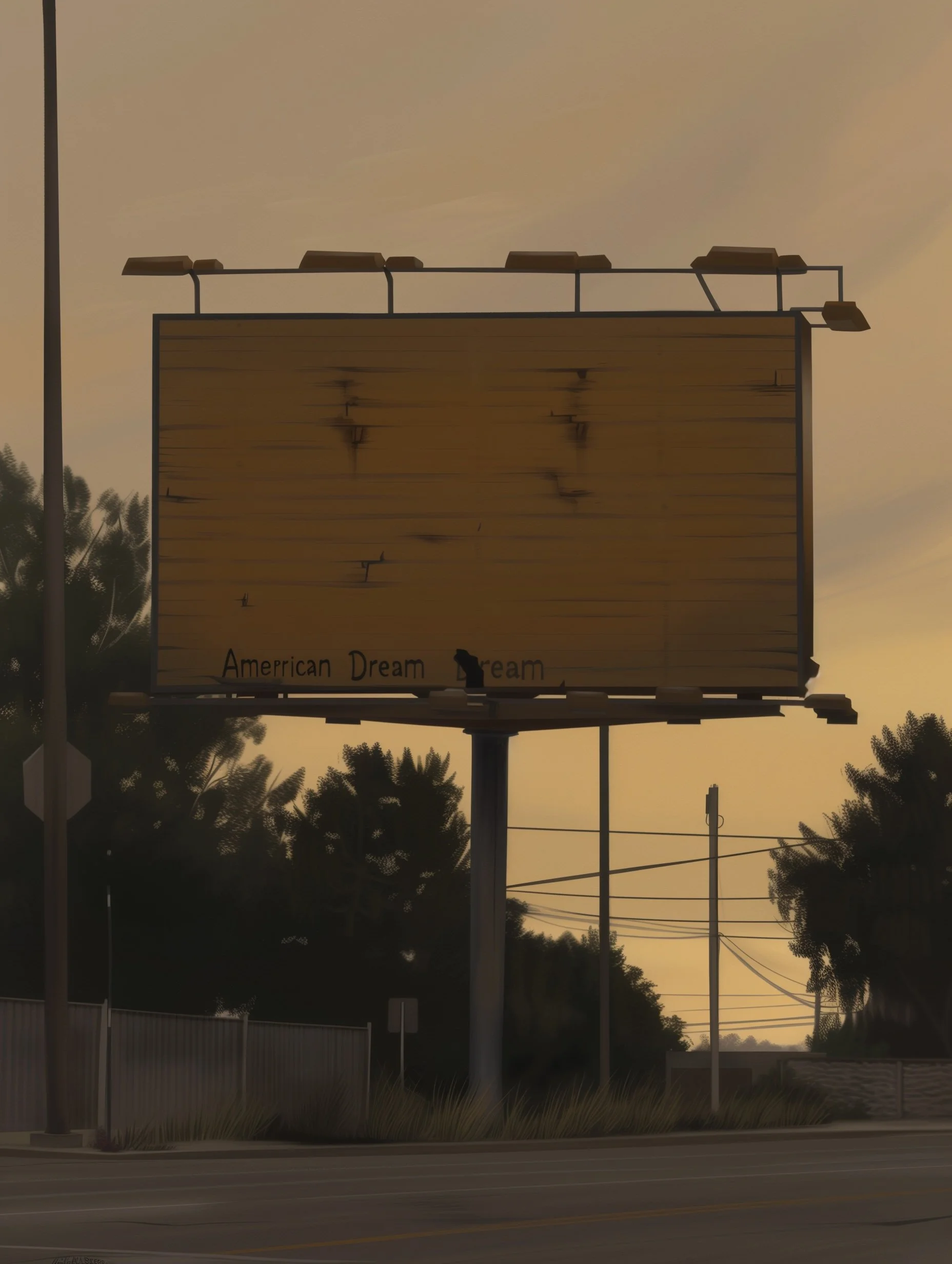
Every dream is authored. To see that we are the makers is to recognize both freedom and responsibility: what kind of dream will we choose next?
Dreaming has always been humanity’s bridge to meaning. Across languages, rituals, and philosophies, the dream appears as a way to reach for what cannot be touched — a metaphor for mystery, a mirror for mind.
In French, the idiom is striking: j’ai fait un rêve / j’ai fait un cauchemar — “I made a dream / I made a nightmare.” The phrasing quietly acknowledges responsibility: your mind is the author, not a passive witness.
In the United States, “The American Dream” once promised mobility and freedom, yet today it stands fractured, up for reinvention. We the People anchored a constitution; We The Dreamer proposes a deeper founding — not bound by politics, but by shared awareness.
Other cultures echo the same gesture. Indigenous vision quests treat dreams as sacred guidance. In Hindu and Buddhist thought, the world itself is dreamlike, with awakening likened to lucidity. Sufi poets imagine existence as God’s dream, veiled and unveiled in forms. Jung mapped the psyche as a collective unconscious — a vast dreaming mind that shows itself in symbols. In Chinese philosophy, Zhuangzi asked if he was a man dreaming a butterfly, or a butterfly dreaming a man.
The universality is unmistakable. From idiom to constitution, from vision quest to philosophy, dreaming is the language humanity returns to when meaning stretches beyond reason.
But if we are responsible for the dream, then the question is urgent: what are we dreaming now? Consumerism, endless growth, and competition promise fulfillment, yet leave many fractured and exhausted. Perhaps our most “fundamental” right is not only political freedom or economic access, but the freedom to recognize ourselves as more than individuals, more than bank accounts, more than our temporary successes and failures.
To speak of We The Dreamer is to test whether equality could mean something deeper: not only interconnected, but undifferentiated — one awareness appearing in many forms. It is to wonder, together, what kind of world we choose to dream next.
Further Reading.
Bibliothèque: Zhuangzi, The Book of Chuang Tzu — butterfly dream parable on reality and identity
C.G. Jung, Man and His Symbols — dreams as expressions of the collective unconscious
Rumi, The Essential Rumi (trans. Coleman Barks) — Sufi vision of existence as divine dream
Black Elk Speaks (as told to John G. Neihardt) — Lakota reflections on vision and dream as sacred guidance
James Truslow Adams, The Epic of America — origin of the phrase “The American Dream”
Guy Standing, The Precariat — economic critique of modern dream narratives
Meta Note
This page is a living document. Last updated: New post.
Connection: Extends the We The Dreamer page by situating the project within cultural and historical uses of dreaming as metaphor.