WE THE DREAMER
The Dream Analogy
A practical symbol and instrument for testing a consciousness-first reality.
Last updated: March 14, 2026SYMBOL AND INSTRUMENT
In this project,
the dream analogy is not just a way of describing the inquiry
It is part of the inquiry.
The word “dream” arrives with one meaning already in place — night dream, symbol, psyche, interpretation — and then gets asked to carry another possibility: that what we call reality may itself be more like appearance in consciousness than a fully external given.
That shift in meaning is deliberate. If the word can be felt differently, even for a moment, then perception may already be starting to move. In that sense, the language is not only explanatory. It is experimental.
“Dream” helps loosen the default grip of the world as fixed fact. “Dreamer” turns attention toward the awareness to which the world appears. And We The Dreamer bends that same language toward the larger question underneath the project: not just who we are, but whether one mind may be dreaming this world together.
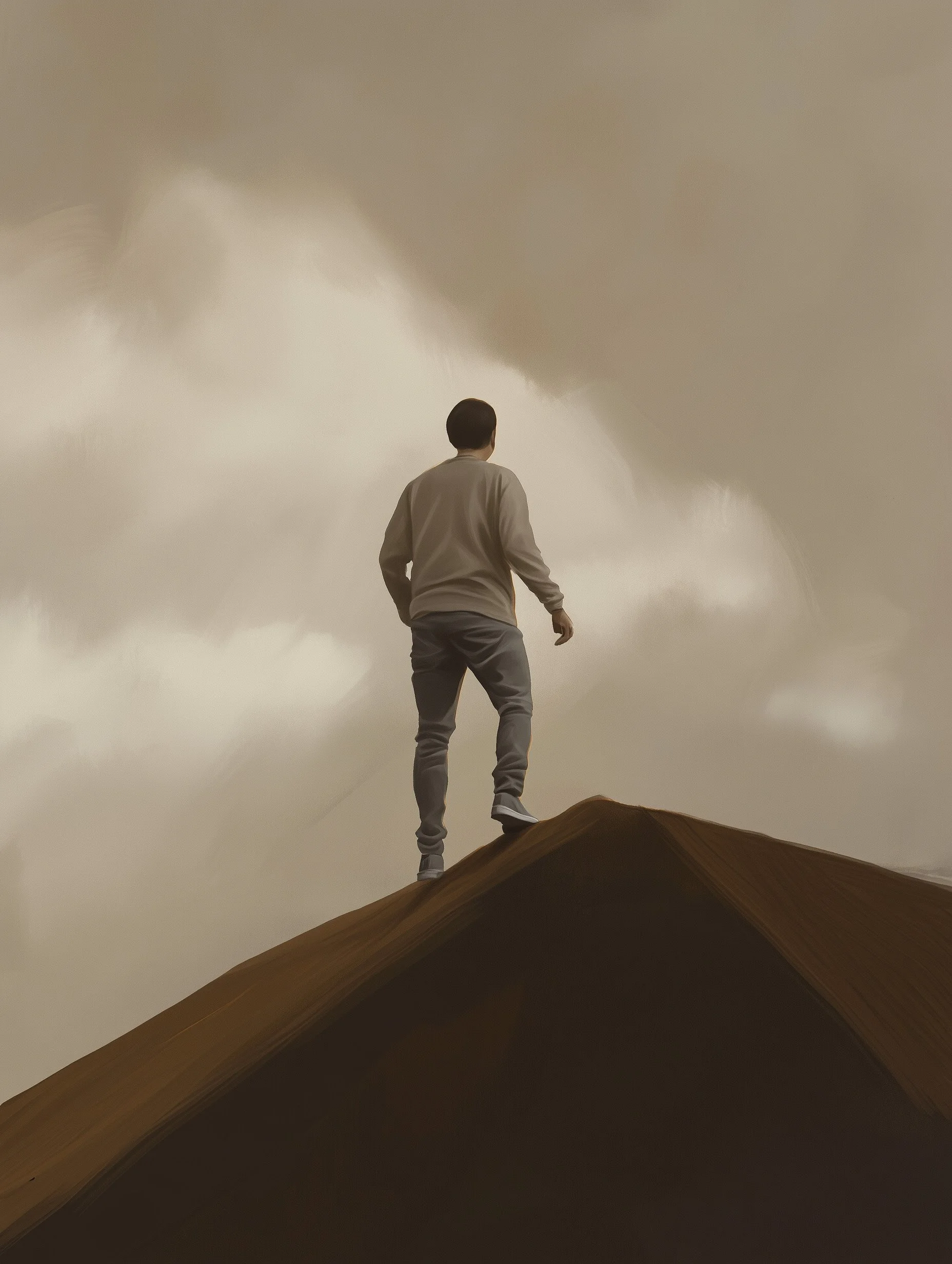
What I mean by Dream
Here, “Dream” names a way of testing how reality appears:
-
A dream feels real while it is happening. The analogy helps loosen the reflex that appearance and ultimate reality are the same thing.
-
Whatever reality is, it only ever arrives as experience. “Dream” is a compact way to name that lived fact without forcing a final metaphysical answer.
-
Most people already know, at least in miniature, what it is like for a whole world to appear in mind — vivid, convincing, emotionally charged, and yet still somehow witnessed. That familiarity gives the analogy an unusual strength. It does not only propose a theory. It begins from a form of experience we already recognize.
-
Calling reality “dreamlike” is not a doctrine here. It is a test condition: what changes if daily life is approached as appearance in mind rather than as a fully external given?
-
The world we meet is never raw data alone. It is filtered through memory, expectation, fear, desire, and meaning-making. The dream analogy keeps that in view.
-
If what appears fixed is partly shaped by mind, then identity and relation may be less trapped than they seem. And if the dreamer is more primary than the scene, then even what looks final from inside experience may not be final in the way it appears. A dream can shift.

What I mean by Dreamer
Here, “Dreamer” names the awareness to which experience appears — and the stance from which it can be tested:
-
The Dreamer does not name the social self, personality, or role. It names the awareness in which the scene appears.
-
If consciousness is fundamental, identity may not be best understood as separate individuals first, but as one field of awareness appearing as many. “Dreamer” gives that possibility a usable symbol.
-
“Awareness” can remain abstract. “Dreamer” gives the experiment a human-scale handle — a figure one can stand as, test, and return to in real situations.
-
In a dream, the dreamer is untouched by the dream’s events, yet the dream still matters while it unfolds. That paradox is central to the project: less blame, more responsibility.
-
Many traditions compare awakening to waking from a dream. The term keeps that resonance available, while the project remains secular, provisional, and practice-based.
Why “We The Dreamer,” not “we the dreamers”?
The phrase became We The Dreamer, rather than “we the dreamers,” because the point was never to name a group, a movement, or a community of separate people who happen to share an idea. It was to bend the grammar toward the living theory itself: that beneath the appearance of many lives, there may be one shared field of awareness. In that sense, The Dreamer is not only a personal witness-position. It is also a symbol for shared identity — not many selves first and unity later, but unity appearing as many.

A Creative Polarity
“Dream” without “Dreamer” can become vagueness or escape.
“Dreamer” without “Dream” can become abstraction or pose.
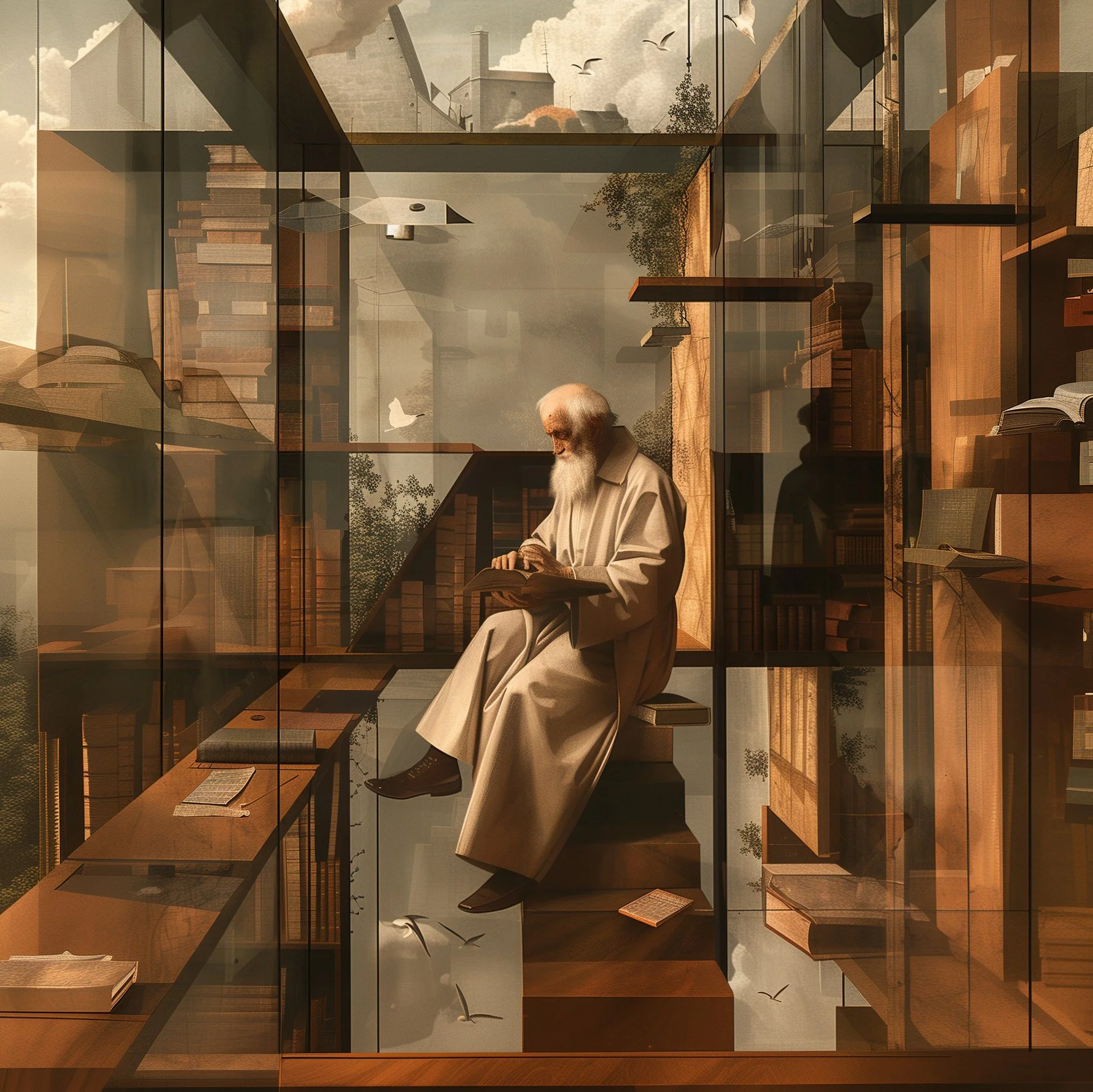
How Dream and Dreamer belong together
Dream names the appearing world — unstable, interpreted, relational, dreamlike.
Dreamer names the prior awareness — the standpoint from which the world is met, tested, and possibly re-seen.
That pairing makes We The Dreamer more than a poetic phrase. It becomes a practical symbol for a difficult hypothesis: that reality may be consciousness-first, and that the self we take ourselves to be may be narrower than what we are.
Within the living theory, this matters because the experiment is not only about what reality is. It is also about what happens to conflict, care, identity, and action when people try living as if separation is not the final truth. If the stance yields even modest increases in clarity, restraint, repair, or peace, then the dream analogy has earned its place — not as doctrine, but as a working instrument of inquiry.

FRAME
From symbol to test.
Why this word matters, and what the experiment asks it to do.
Why this word, carefully used
I don’t use the word dream lightly. It carries real symbolic weight in psychology, contemplative traditions, and ordinary life, and I use it with respect. In this project, it does not refer primarily to our night dreams, nor is it meant as an escape from reality. I use it because it is the most workable symbol I’ve found for testing a consciousness-first possibility: that what we call world may appear in awareness before it is fixed as external fact, and that identity may be less separate than it seems.
What the experiment actually tests
In practice, the question is simple: what happens if I go mind-first for a while? If I hold experience as if consciousness comes before world, as if the same awareness holds our lives together, and as if separation may be less final than it seems, does anything change — in conflict, blame, rigidity, repair, or peace — or does it not? If the stance yields nothing, that matters too. If it opens even a little more clarity, restraint, or responsibility, the symbol has earned its place.

GUARDRAILS AND ROOTS
What this language resists, and some of the older currents it carries.
What this language is not
Not a theory of night dreams. The analogy points to the structure of experience, not to dream interpretation.
Not an escape from reality. Calling experience “dreamlike” here is meant to loosen fixation, not to deny pain, history, embodiment, or responsibility.
Not a cosmology you have to defend. It is a working frame — a way of testing what changes if consciousness is treated as more primary than world.
Not a claim to special insight or status. Dream language, in this project, does not make anyone awakened. It makes them a participant in an experiment.
Not an excuse for spiritual bypass. The point is not to trivialize suffering or float above conflict, but to see whether a different stance allows more clarity, restraint, repair, and care.
A symbol with older roots
The dream analogy did not arise in a vacuum. Many contemplative and nondual traditions have used dream language to point toward awakening, appearance, and the instability of what we take to be final reality. That history matters here, not as authority to borrow, but as part of why the symbol felt alive to me in the first place. The project remains secular and experimental in tone, but the analogy carries older philosophical and spiritual resonances that help explain why it continues to hold so much force.
Why not “Dreamers”?
Why not a movement?
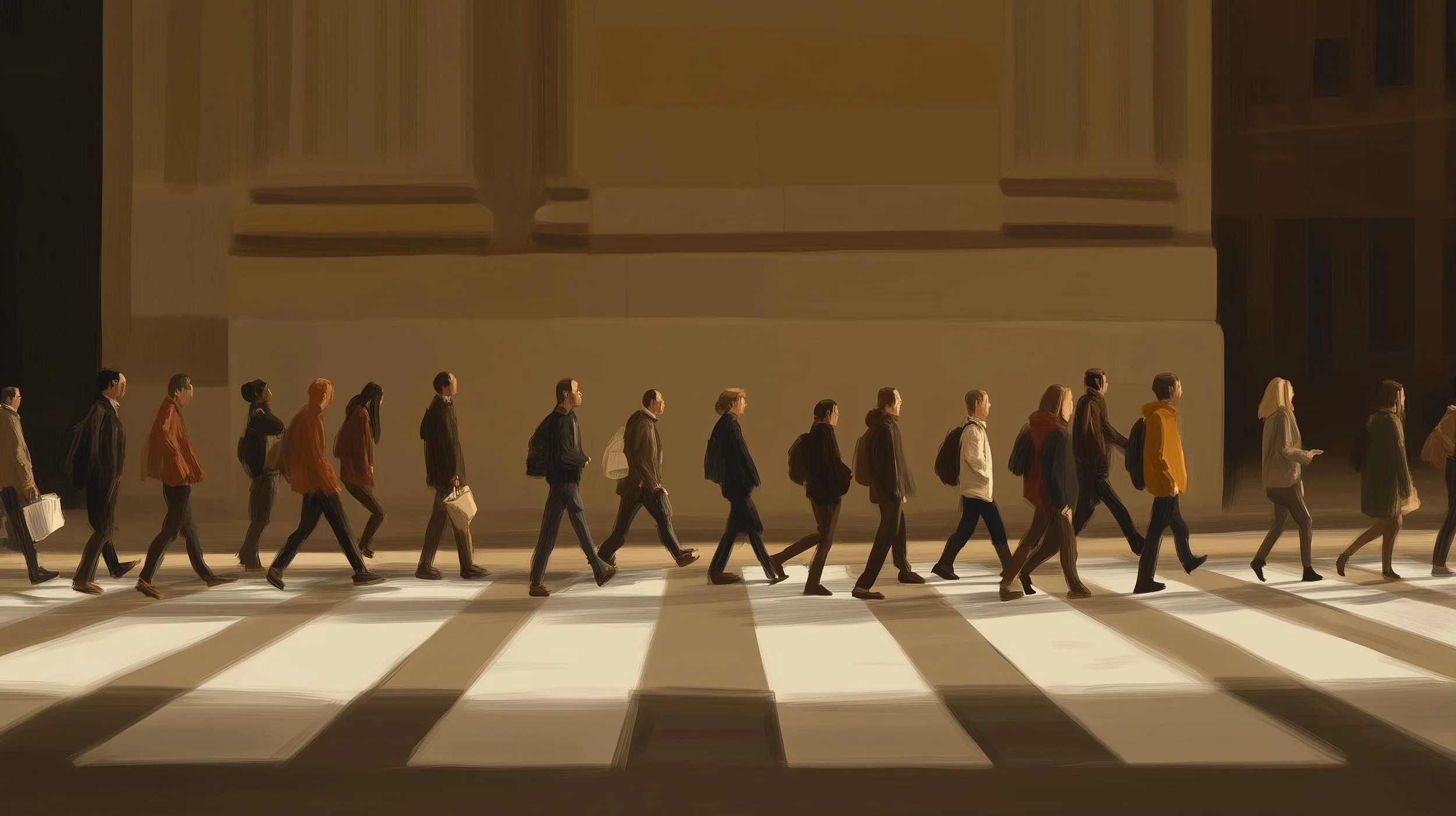
We The Dreamer is not meant to name a membership class, a tribe, or a movement of special people. The singular matters. It points away from group identity and toward a shared field of identity. The experiment is not “we, the people who believe this.” It is closer to: what if the awareness behind experience is less separate than it seems, and what if that changes how we meet one another?
Related: Project Philosophy →META NOTES
This page is a living document. Last updated: Newly created on March 15, 2026