ART & DESIGN
Les Ateliers de Design
Studio experiments using objects, images, interfaces, and participation to interrupt automatic perception.
Last updated: July 29, 2026STUDIO RESEARCH FORMATS
Can objects, images, and installations question you back?
The work moves attention from material outcomes to perception-shifting experiences.
Rather than treating design only as problem-solving, function-making, or product development, Les Ateliers de Design uses familiar design formats to interrupt how people read objects, brands, rituals, interfaces, and everyday systems. A phone case, ice cube mold, toy, tray, image, installation, or workshop can become a designed condition for noticing what usually remains automatic.
Interface Recalibration. Products and interfaces are displaced from their usual speed, status, brand language, or behavioral script. The object still works, but its authority changes.
Dissolving Icons. Symbols of power, fantasy, violence, status, or memory are turned into temporary forms. They appear, perform, melt, disappear, or return to the environment.
Counter-Interface Play. Habits are rebuilt through modular systems, toys, and handmade exchange. The interface becomes slower, more social, and more imaginative.
Image Conditions. Painted images, listening prompts, and quotes are composed as visual situations that extend attention and keep perception active beyond the moment of listening.
IMAGE CONDITIONS
STORIES FEATURE › PAINTED IMAGES & CURATED PLAYLIST
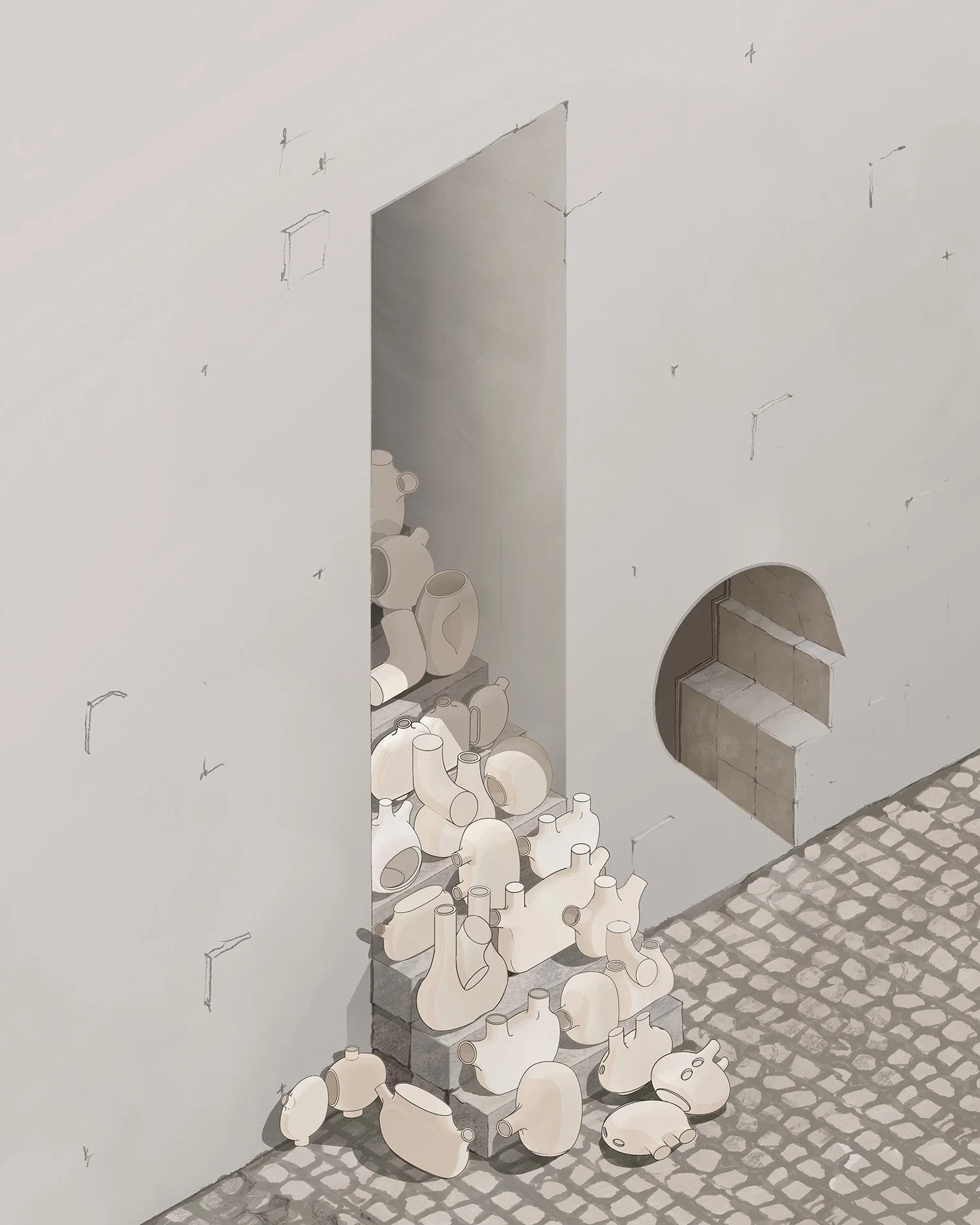
Waking Up Stories: Experiments in Perception
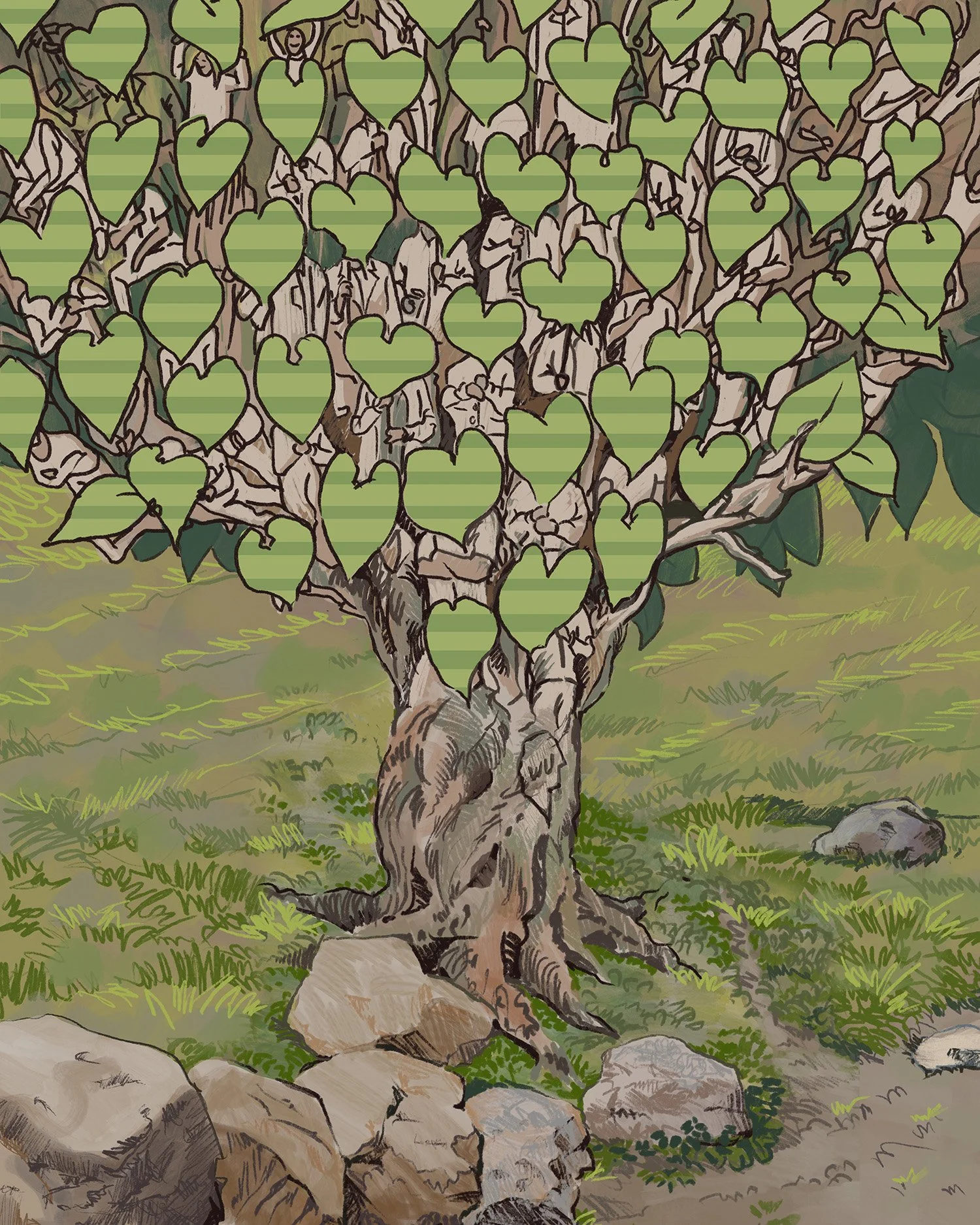
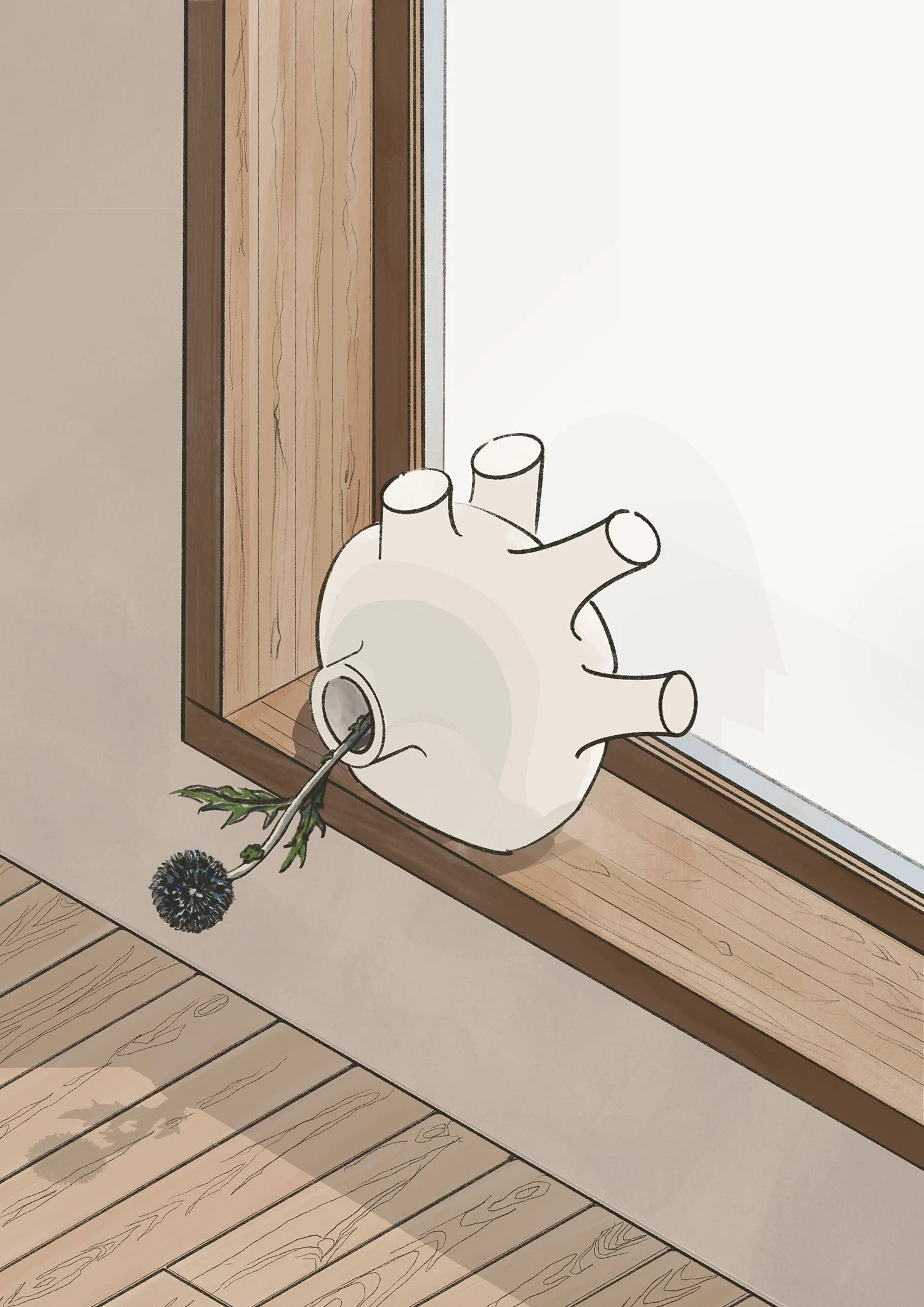
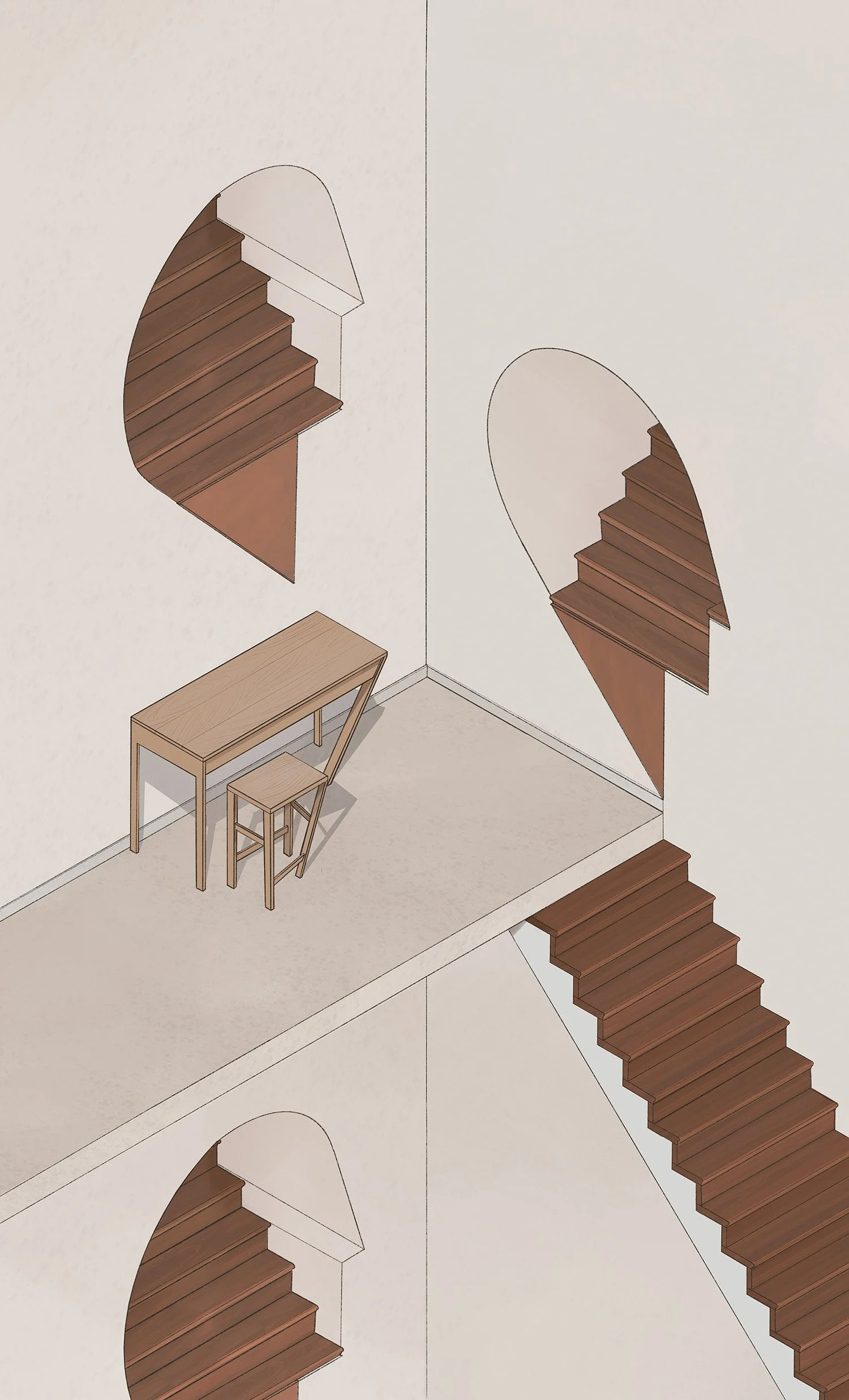
A guest-editor collaboration with Waking Up bringing together Martin Lenclos’s first-person Stories essay, four original painted images offered as downloadable wallpapers, and The Visual Learner, a playlist he curated and illustrated for the app. The project traces a path from painting and contemplative practice to Design for Nothing and field-based perception experiments.
For Waking Up members, Lenclos offers a designer-artist’s perspective on contemplative inquiry: perception becomes not only something to observe, but creative material that can be tested through images, objects, and ordinary situations. The paintings explore emptiness, awareness, no-self, and embodiment, while the playlist invites listeners to question first impressions and cultivate creative perception.
Read, view, and listen on Waking Up →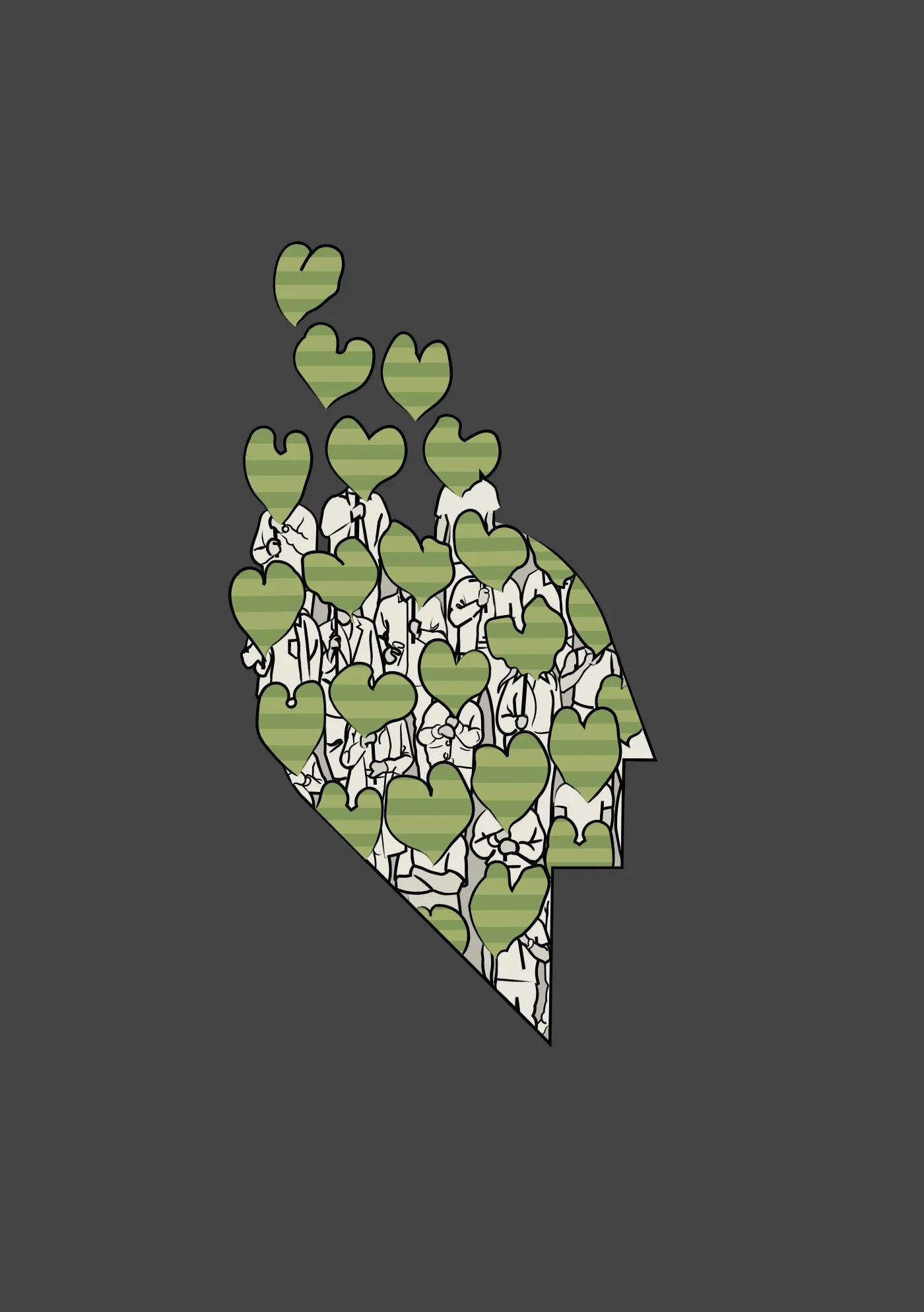
SELECTED DESIGN INQUIRIES
DISSOLVING ICONS › PRODUCT DESIGN
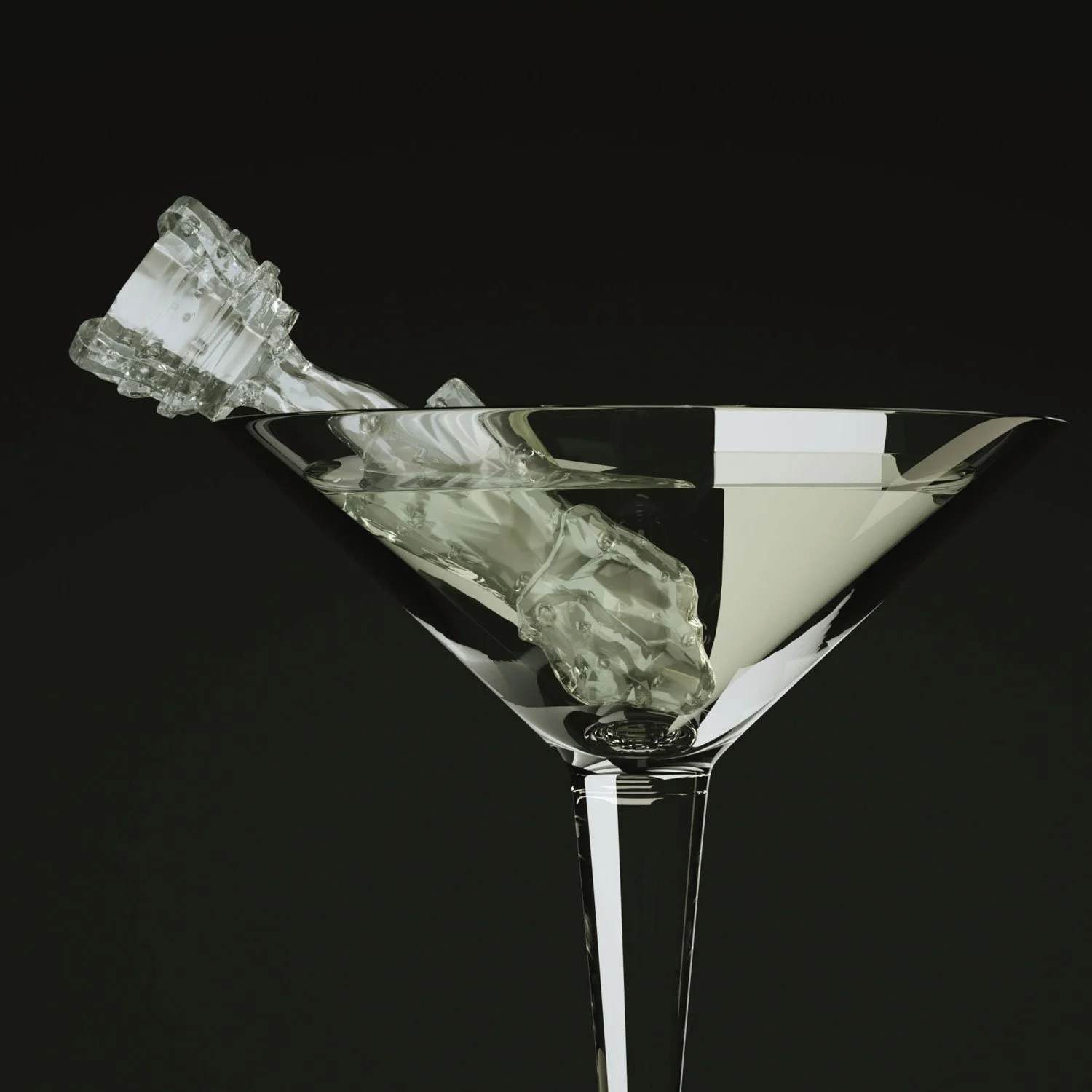
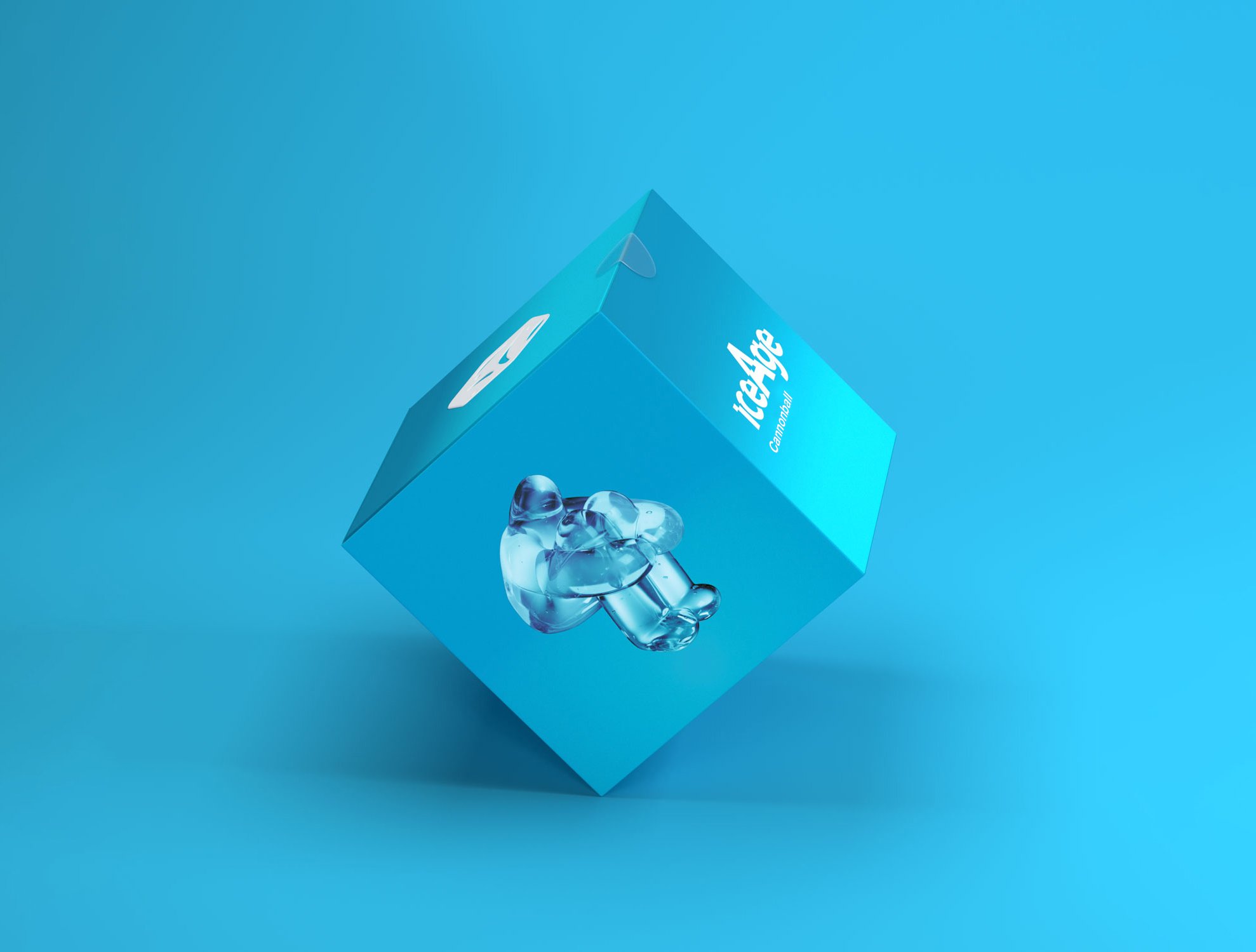
IceAge
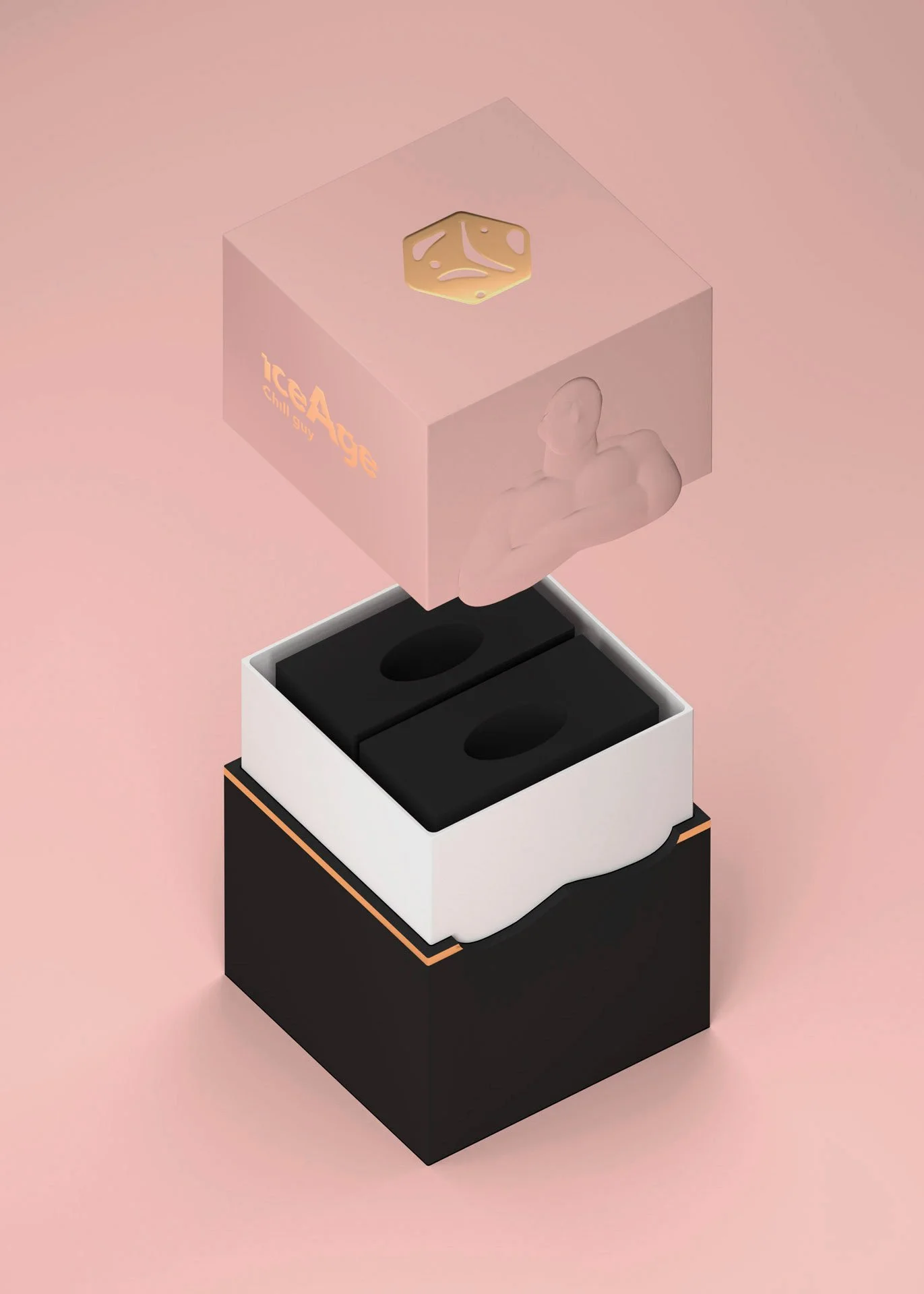
A collection of ice cube molds that turns phones, weapons, monuments, trophies, fantasies, and cultural symbols into temporary objects. Their use depends on disappearance.
View project gallery →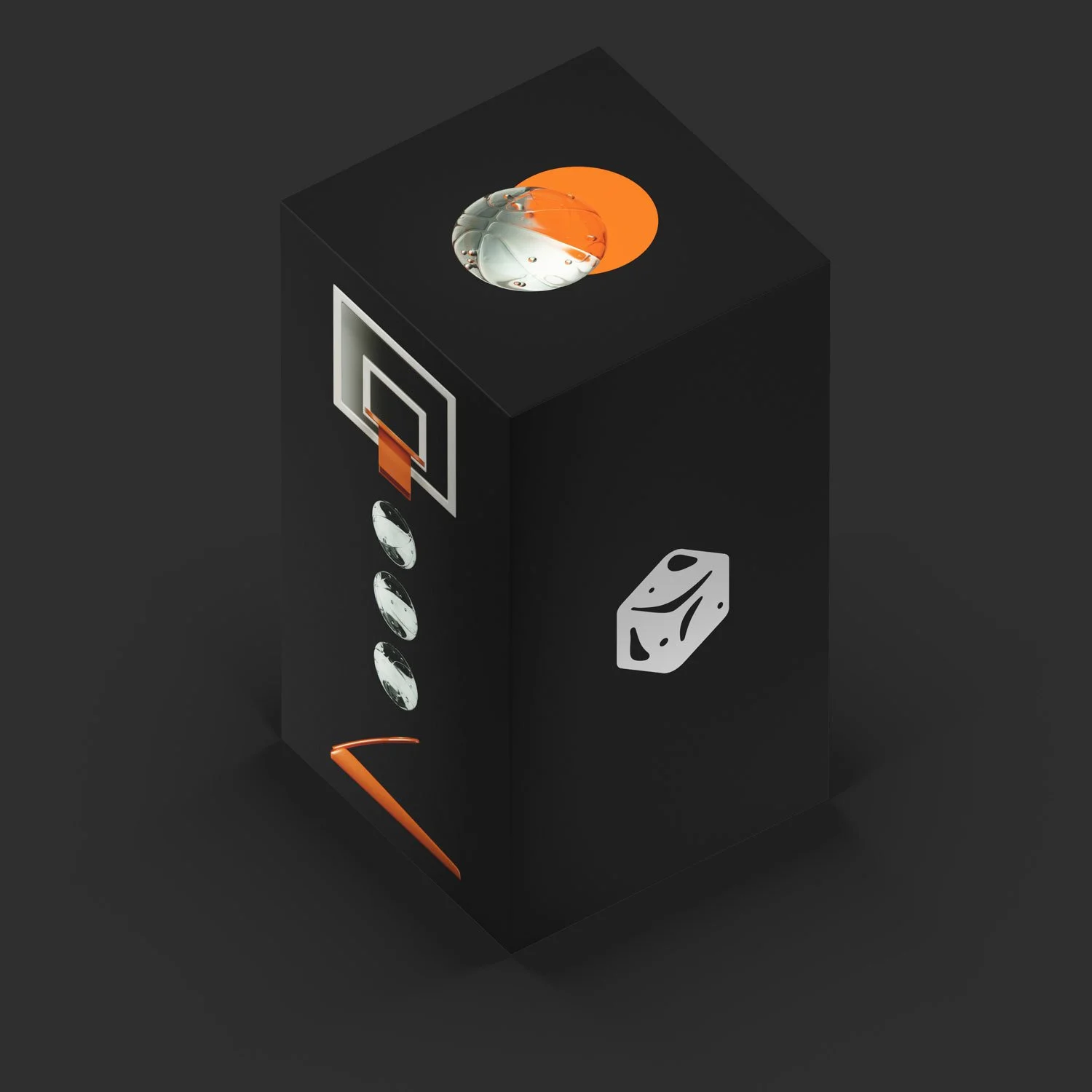

INTERFACE RECALIBRATION › PRODUCT DESIGN
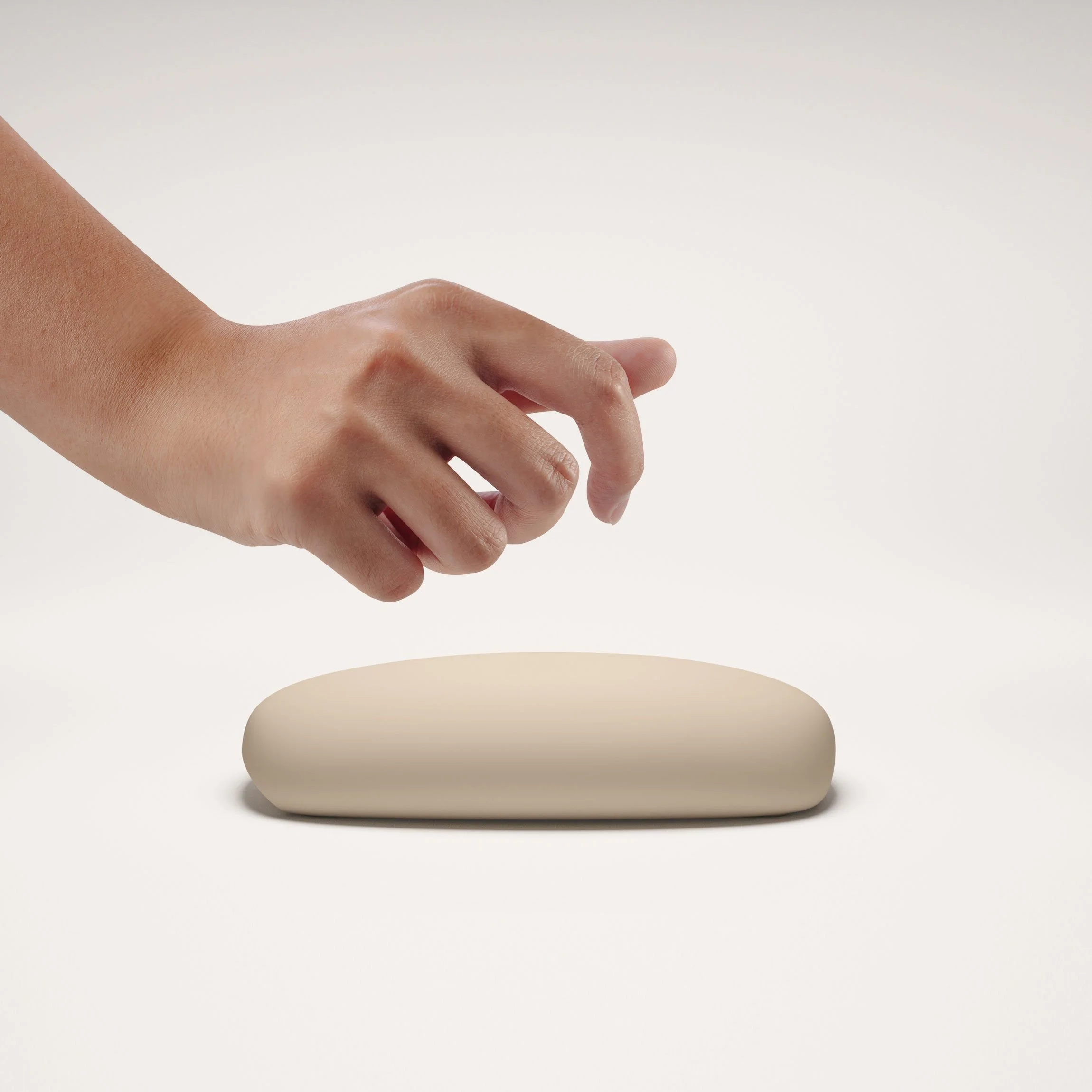
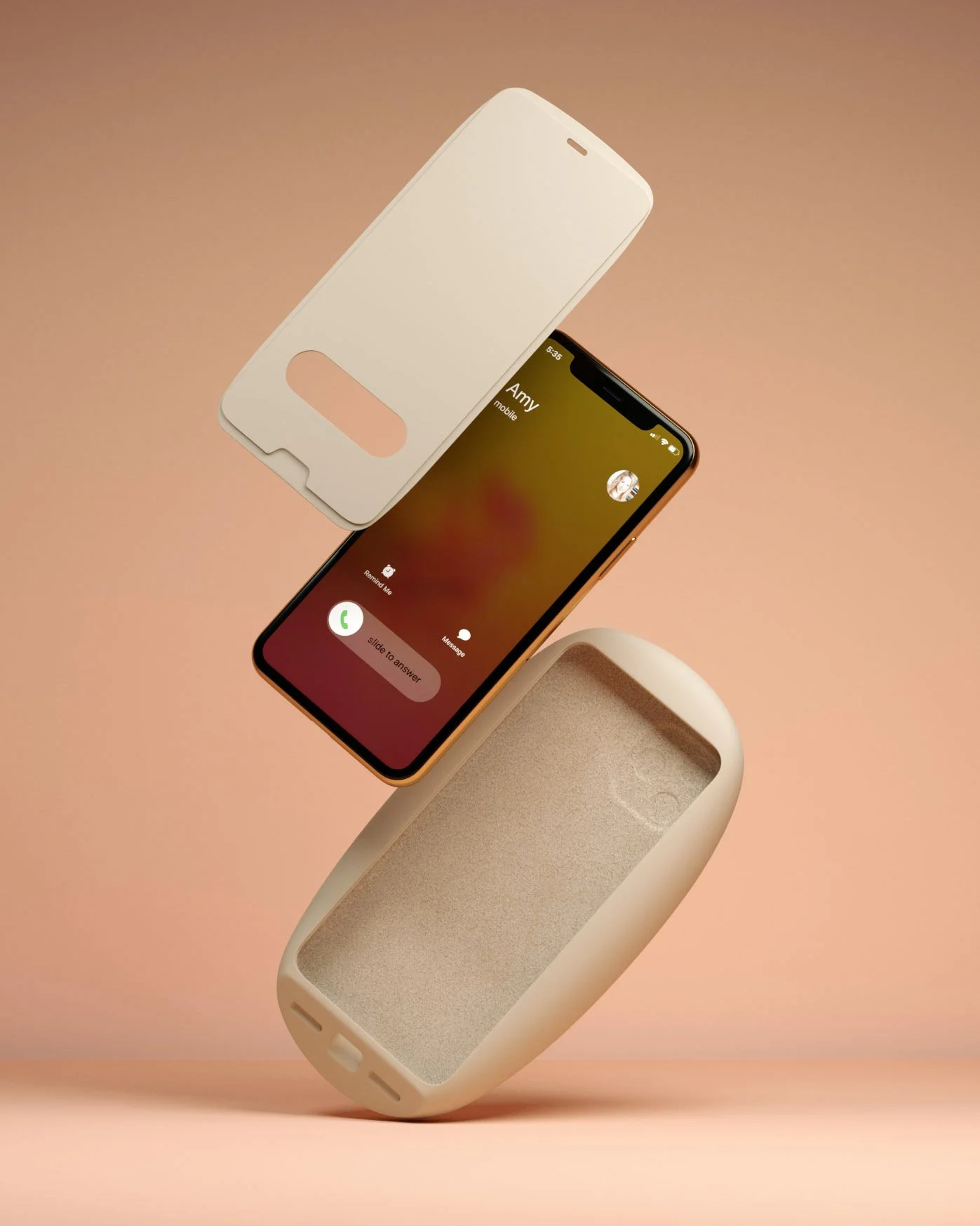
Disconnect
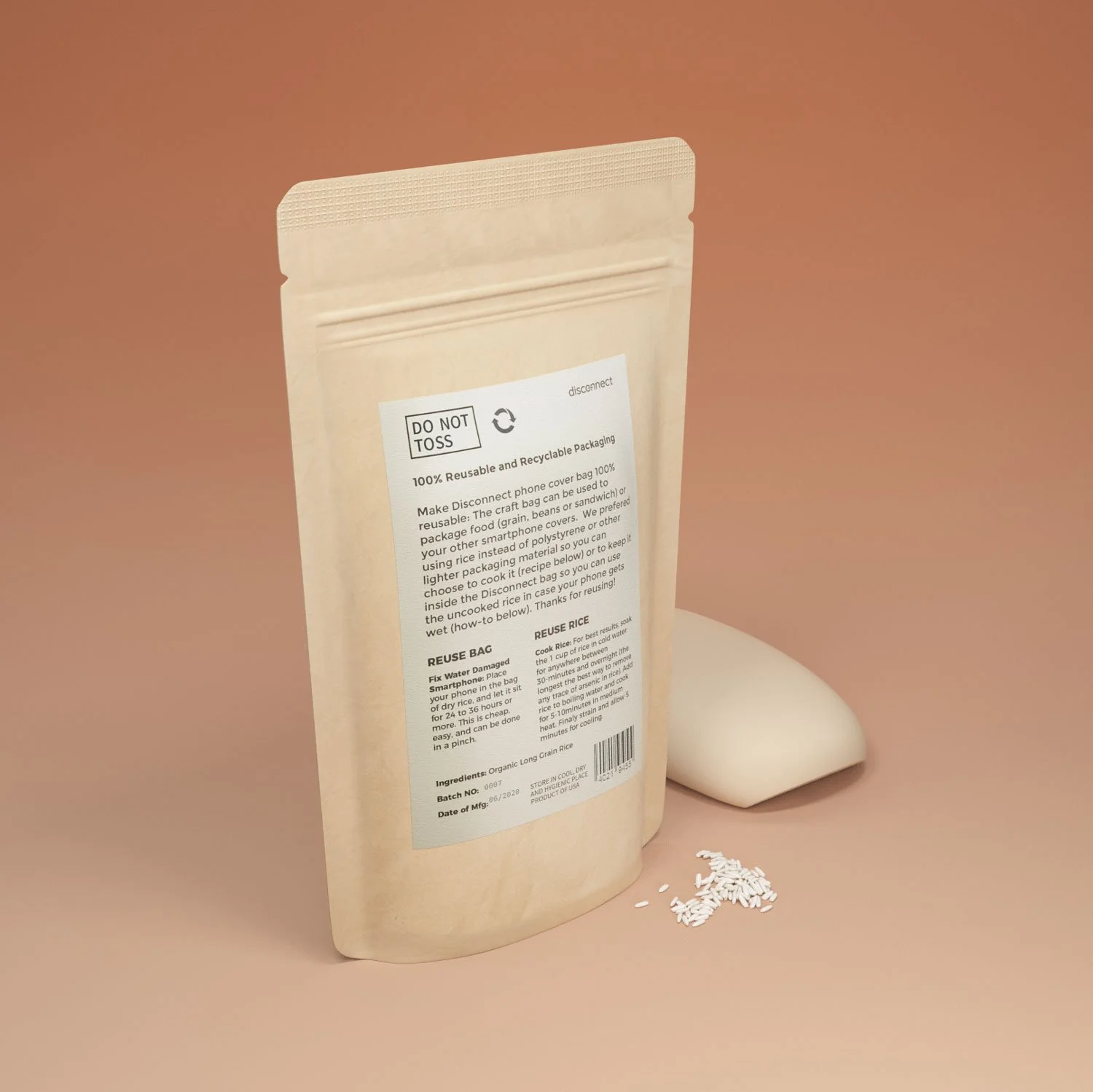
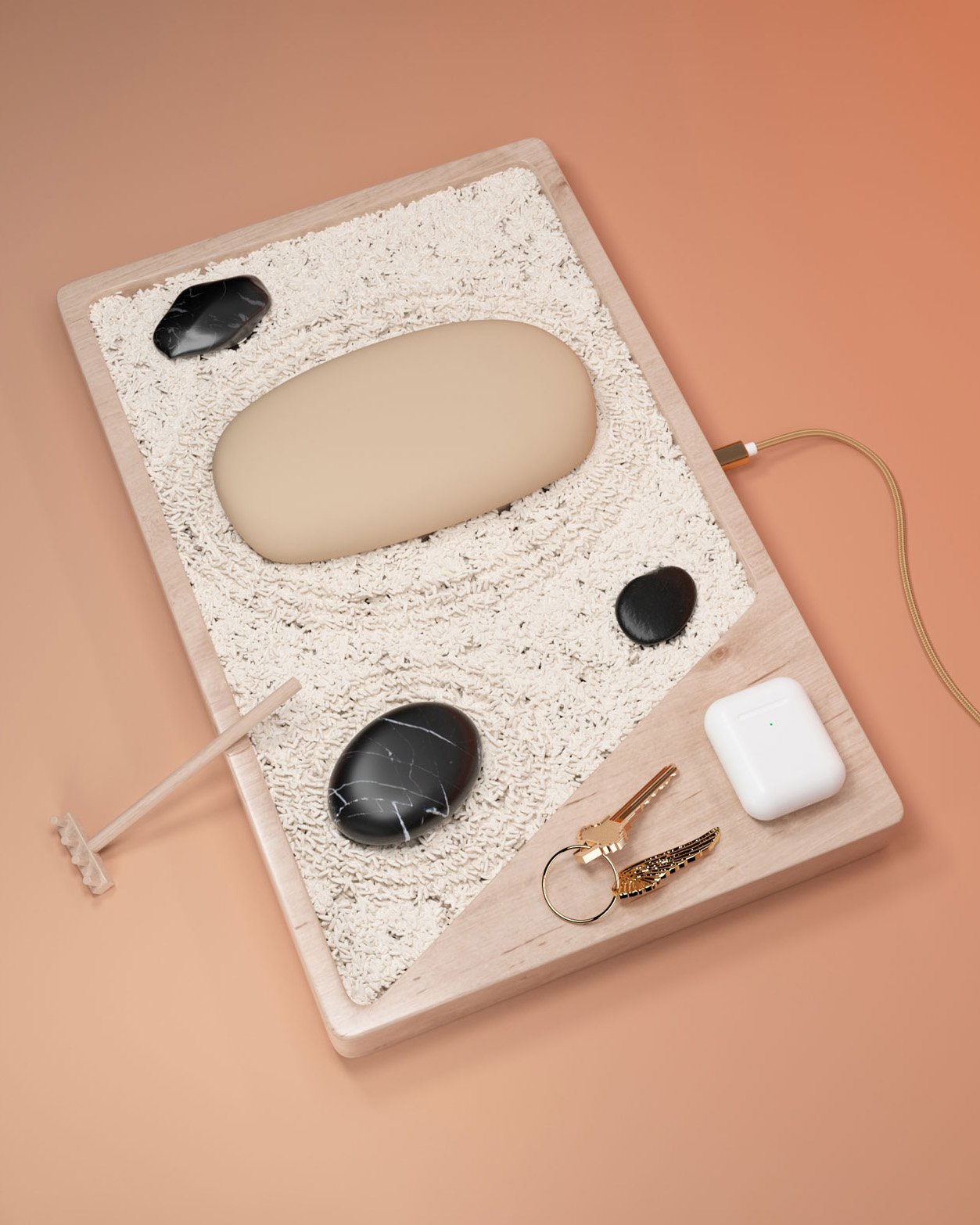
An iPhone case collection and charging ritual that hides the device inside the visual language of beach stones, trays, rice, and stillness. The phone remains present, but its brand signal, speed, and psychic authority are softened.
View project gallery →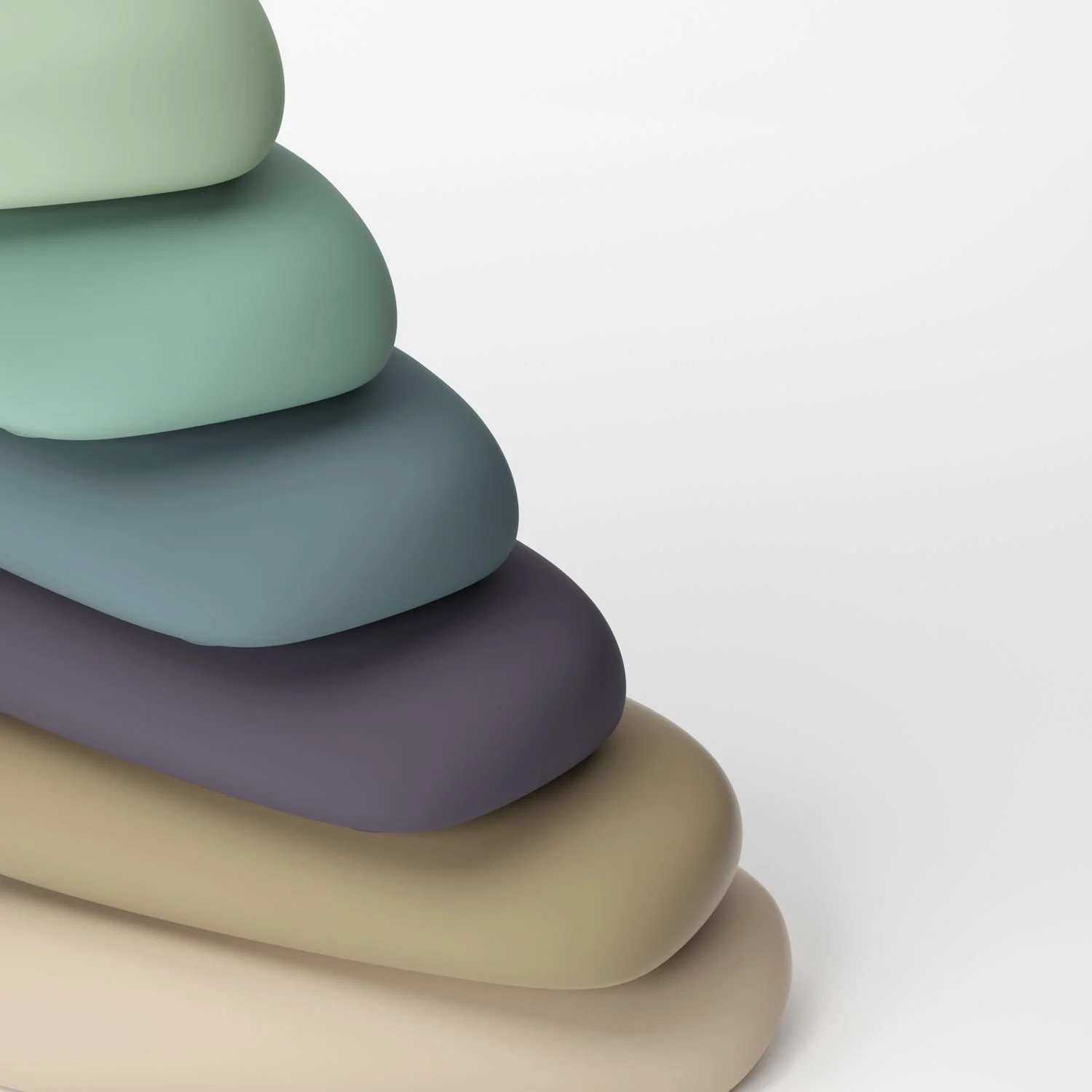
COUNTER-INTERFACE PLAY › LEGO SYSTEM
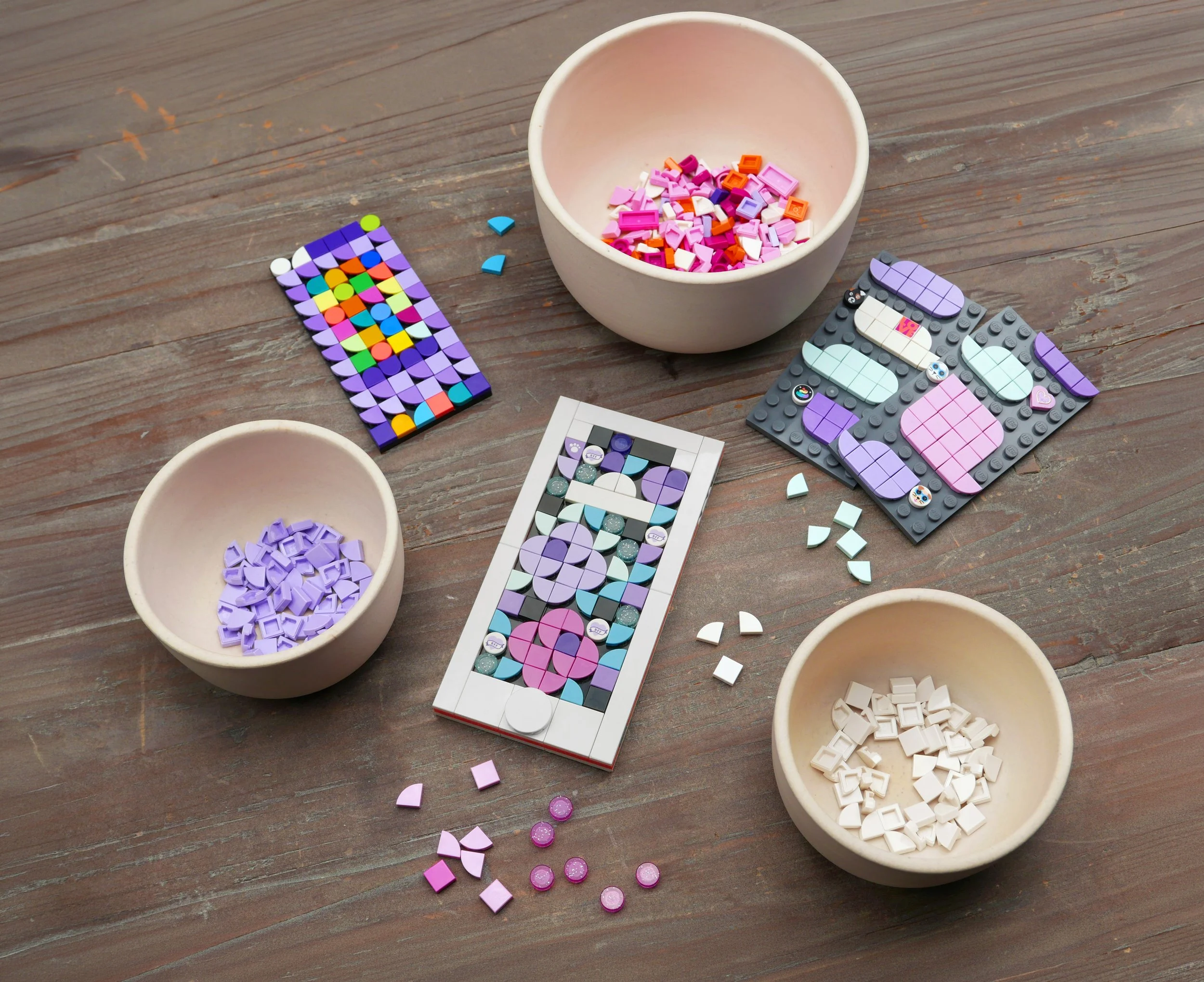
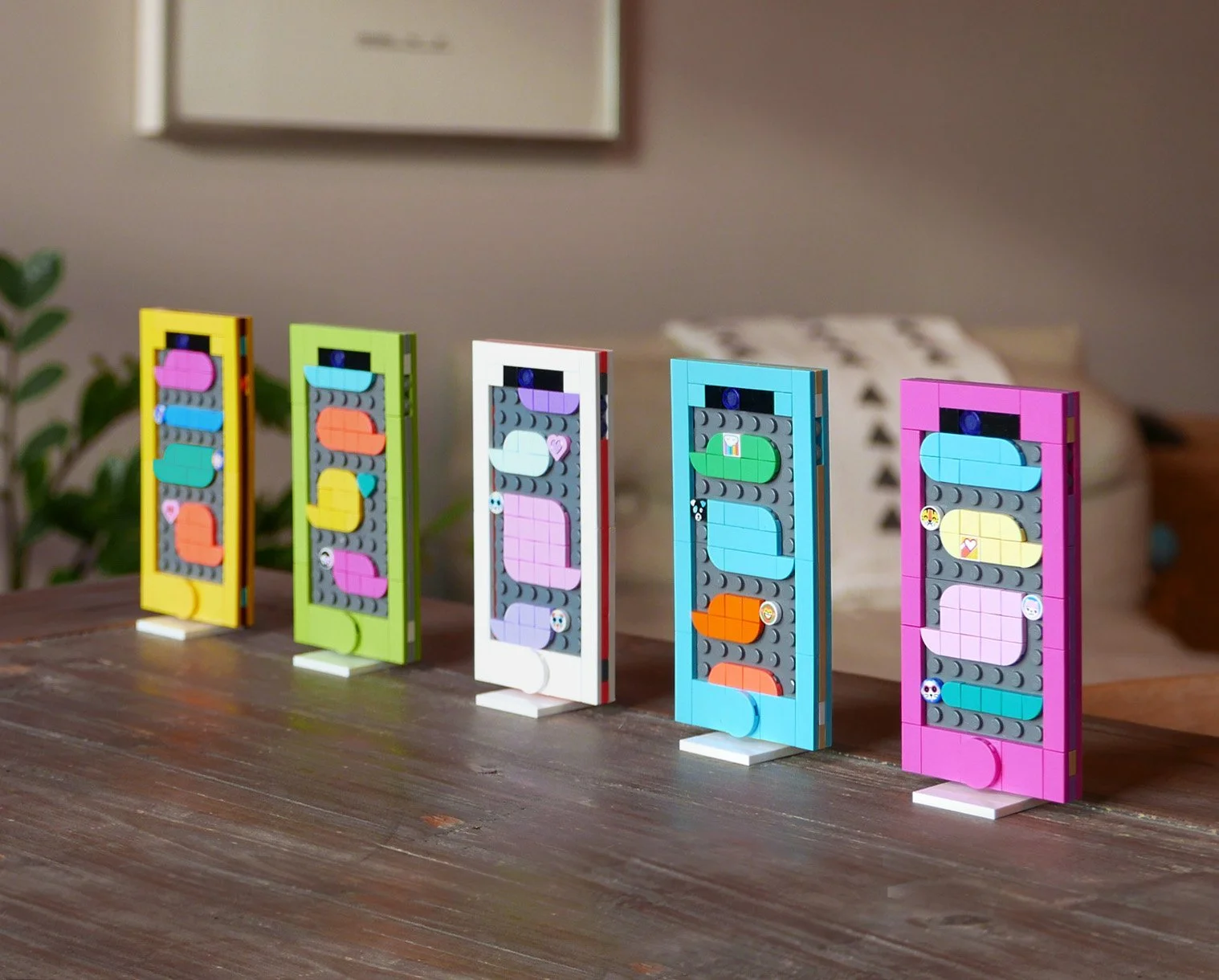
Friendship Phones
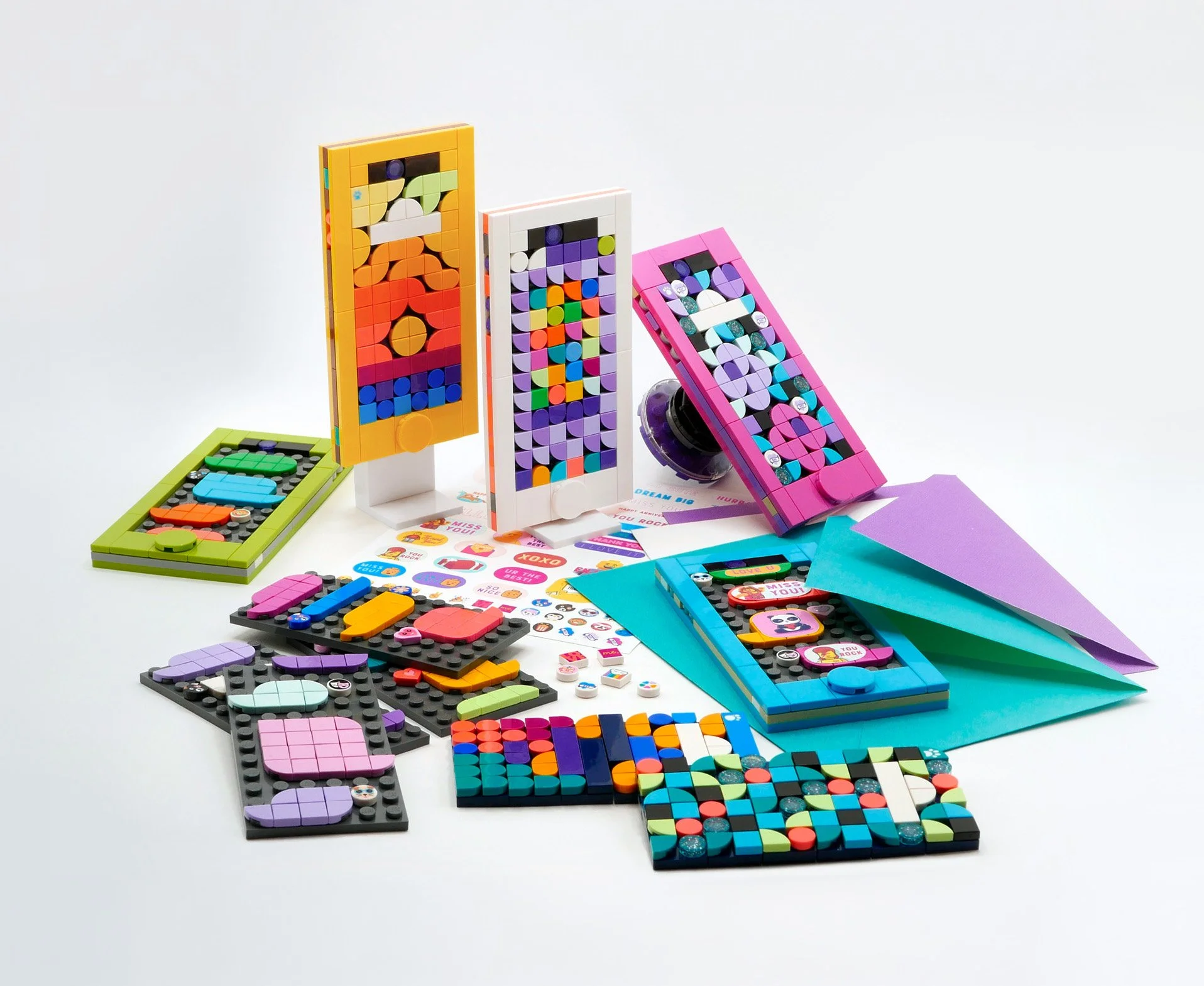
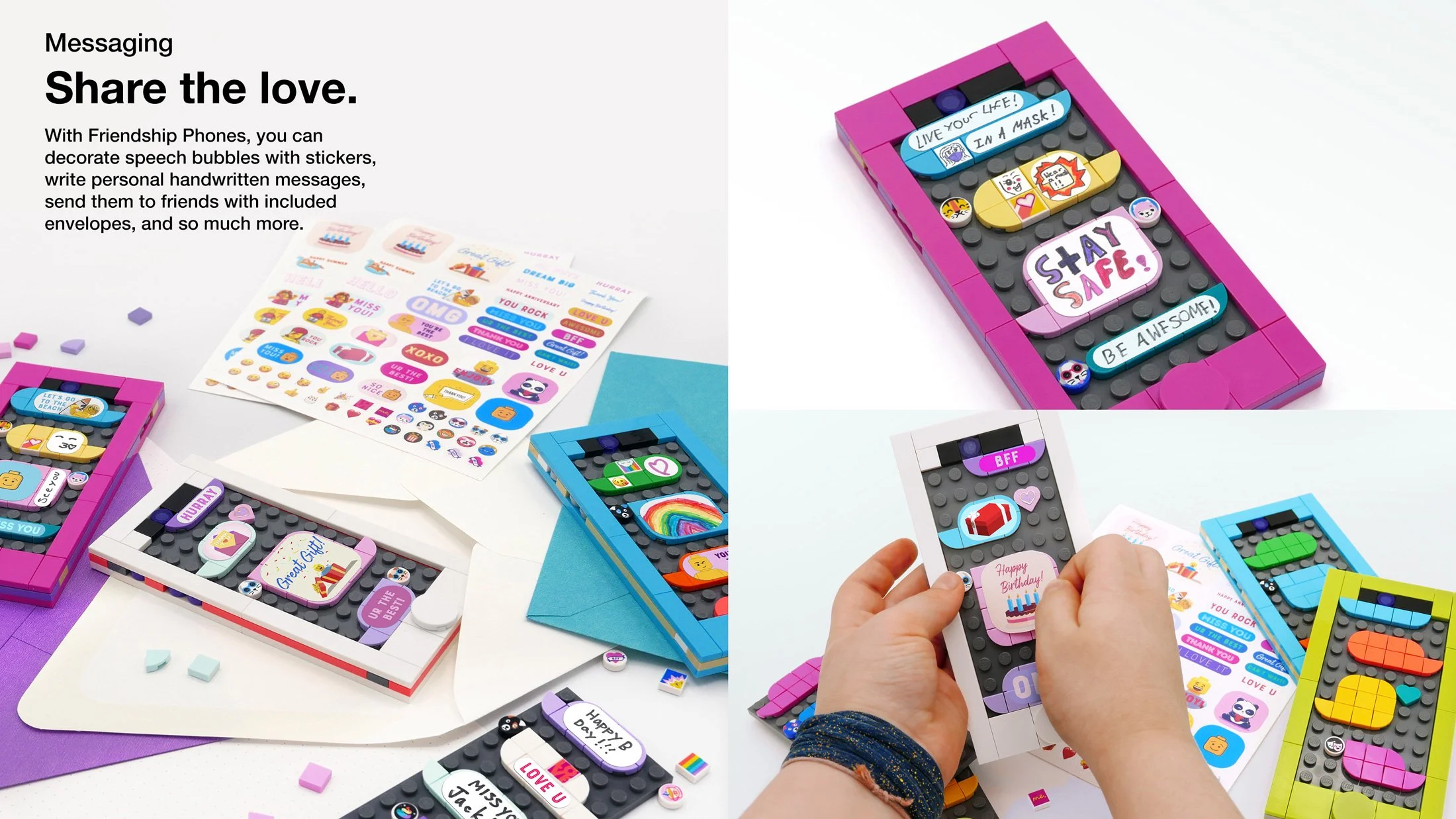
A LEGO-based communication system that turns the phone into a handmade toy, letter, message board, and friendship object. The interface becomes something children can build, alter, send, and reimagine.
From Objects to Shared Fields
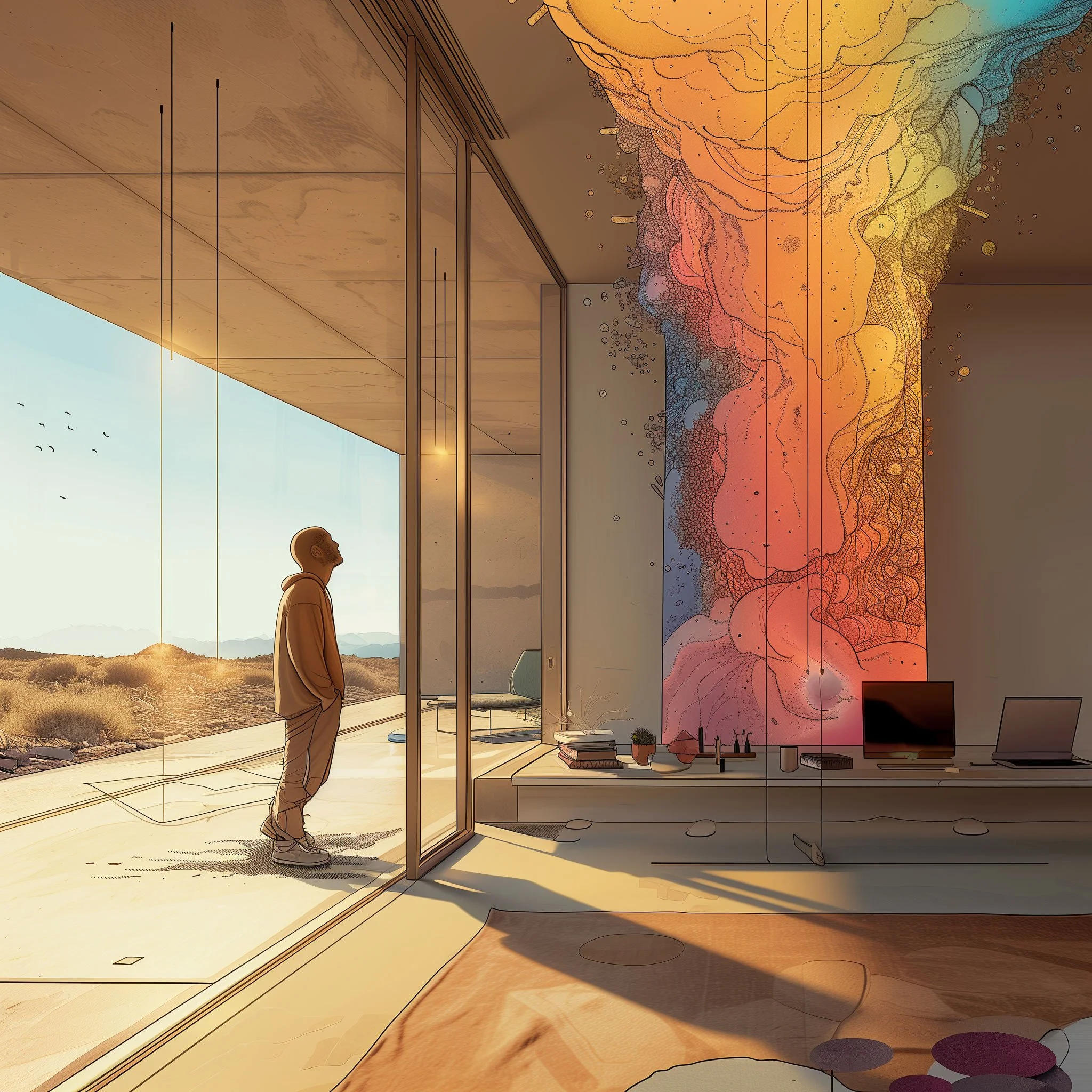
The Creative Catalysts workshops fused art, design, and guided visualization into collective experiments in perception—using AI tools, shared imagery, and intuitive exercises to spark creativity, nurture interconnection, and invite participants into the flow of consciousness-first exploration.
META NOTES
This page is a living document. Last updated: July 29, 2026.
July 29, 2026: Added Waking Up Stories: Experiments in Perception under Image Conditions, documenting the guest-editor essay, four painted images, downloadable wallpapers, and The Visual Learner playlist created for Waking Up.
June 18, 2026: Added “Studio Research Formats” to clarify Les Ateliers de Design, also listed as Studio Design Experiments, as the studio-research wing of L’Enclos. The page now names four recurring formats: Interface Recalibration, Dissolving Icons, Counter-Interface Play, and Image Conditions, showing how familiar design forms can become conditions for interrupting automatic perception.
Newly created on Nov 4, 2025