ART & DESIGN
Participatory Perception Studies
Works where people enter a designed condition and perception shifts through participation.
Last updated: June 20, 2026Some works do not begin with an object to look at. They begin with a condition to enter.
A person is asked to hold a leaf, answer a question, sit with a prompt, use an interface, join a workshop, or pass through a temporary visual frame. The gesture is simple, but the condition is unusual enough to loosen the participant’s first reading of self and other.
Martin Lenclos uses these shared conditions to study what changes when perception is not treated as private. The same mask, prompt, tool, or space can pass through many people. Each person remains distinct, but the repeated condition lets the viewer sense something larger: one field moving through many bodies, voices, gestures, and imaginations.

Image: Martin Lenclos
In these works, the participant is not simply the subject of an artwork, and the viewer is not simply outside it. Both are invited to notice what changes when identity becomes less fixed and perception becomes shared.
Through a shared field.
Different people enter the same designed condition. Each remains distinct, but the repetition lets the viewer sense one field moving through many bodies, voices, gestures, and imaginations.
“I had something beautiful in me today that I didn’t know was waiting to come out. This made it possible.”
— Erik, ICFF New York, LeafHead Field Project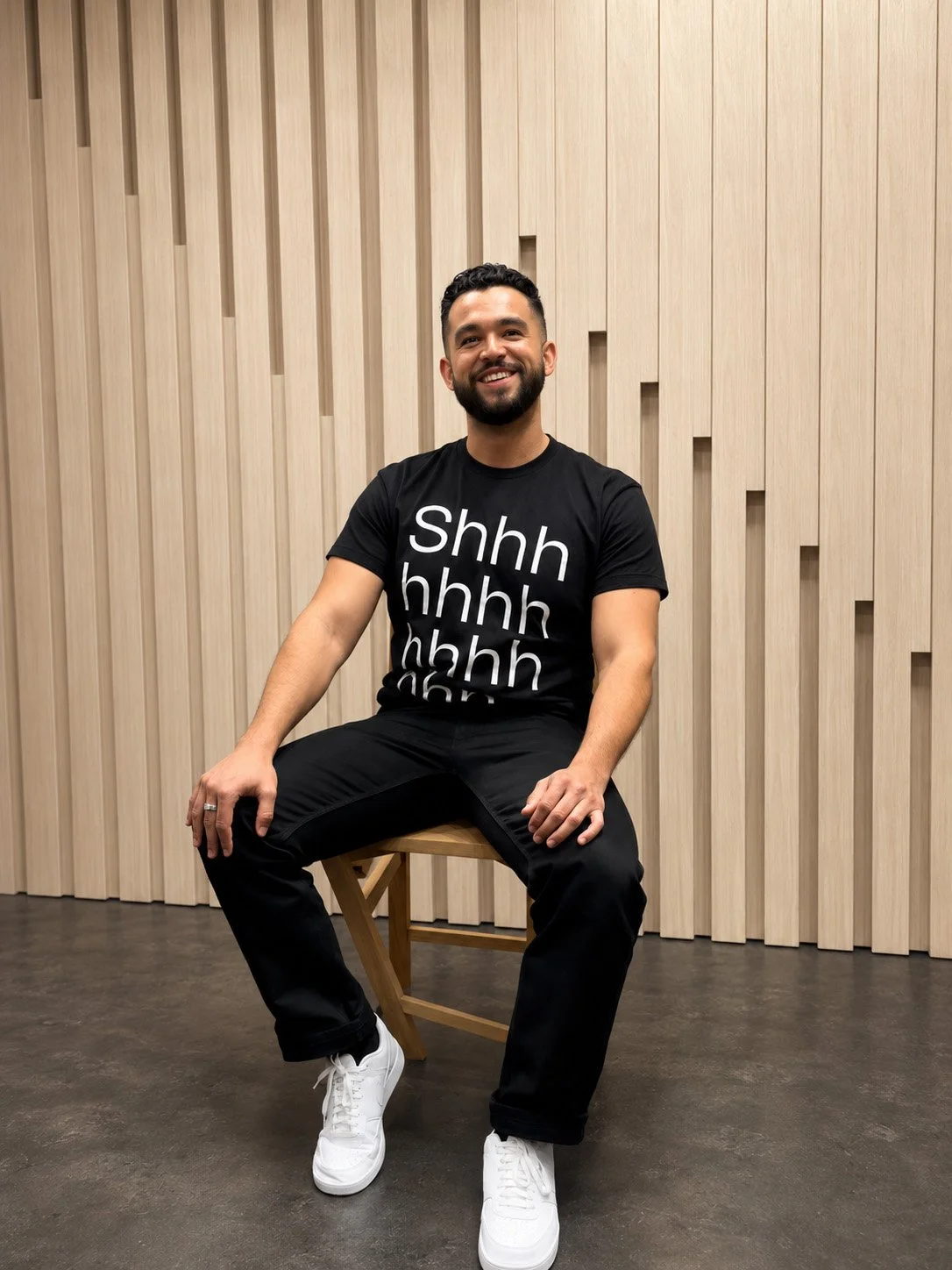

FIELD PROJECT › PARTICIPATORY INQUIRY
LeafHead Field Project
2024-Present
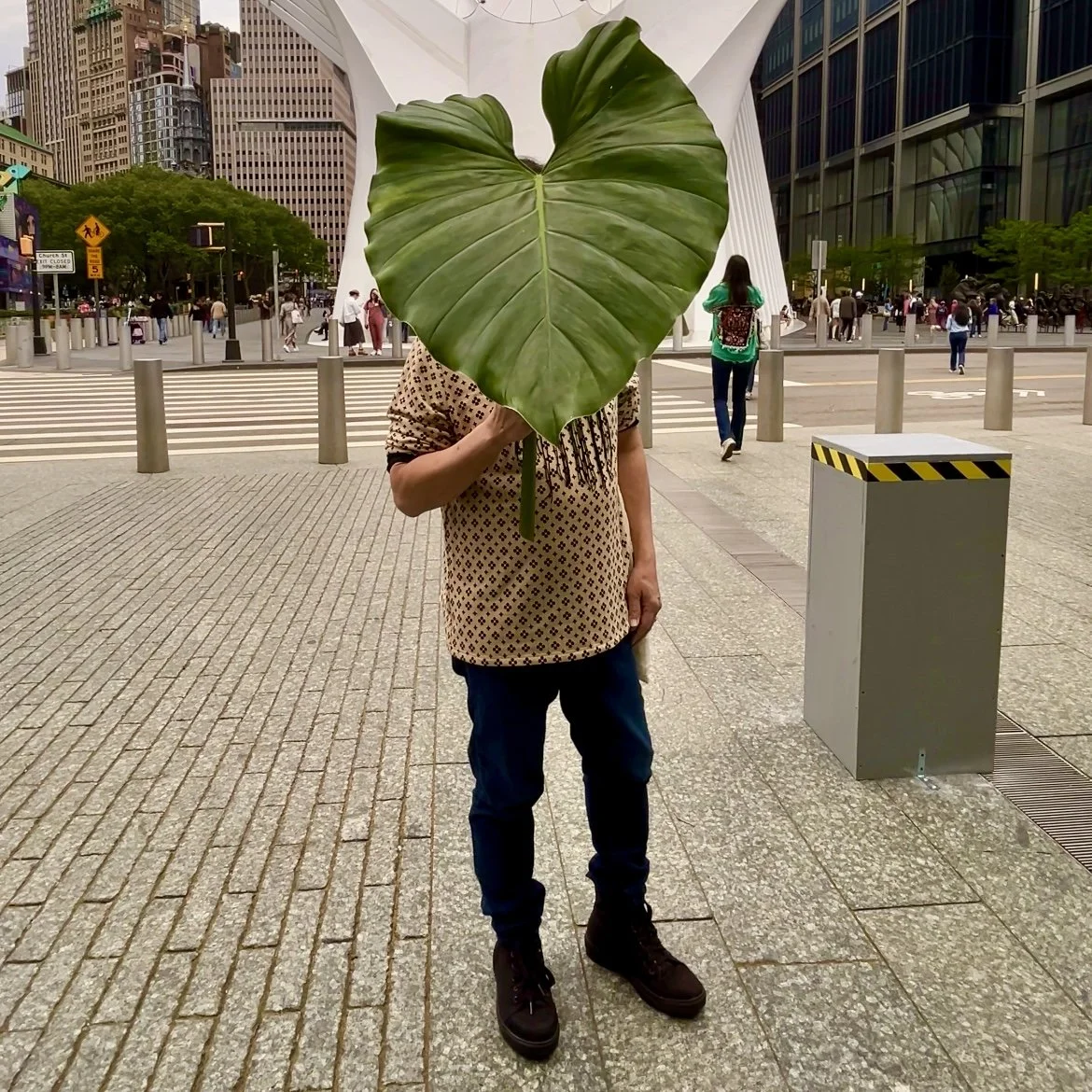
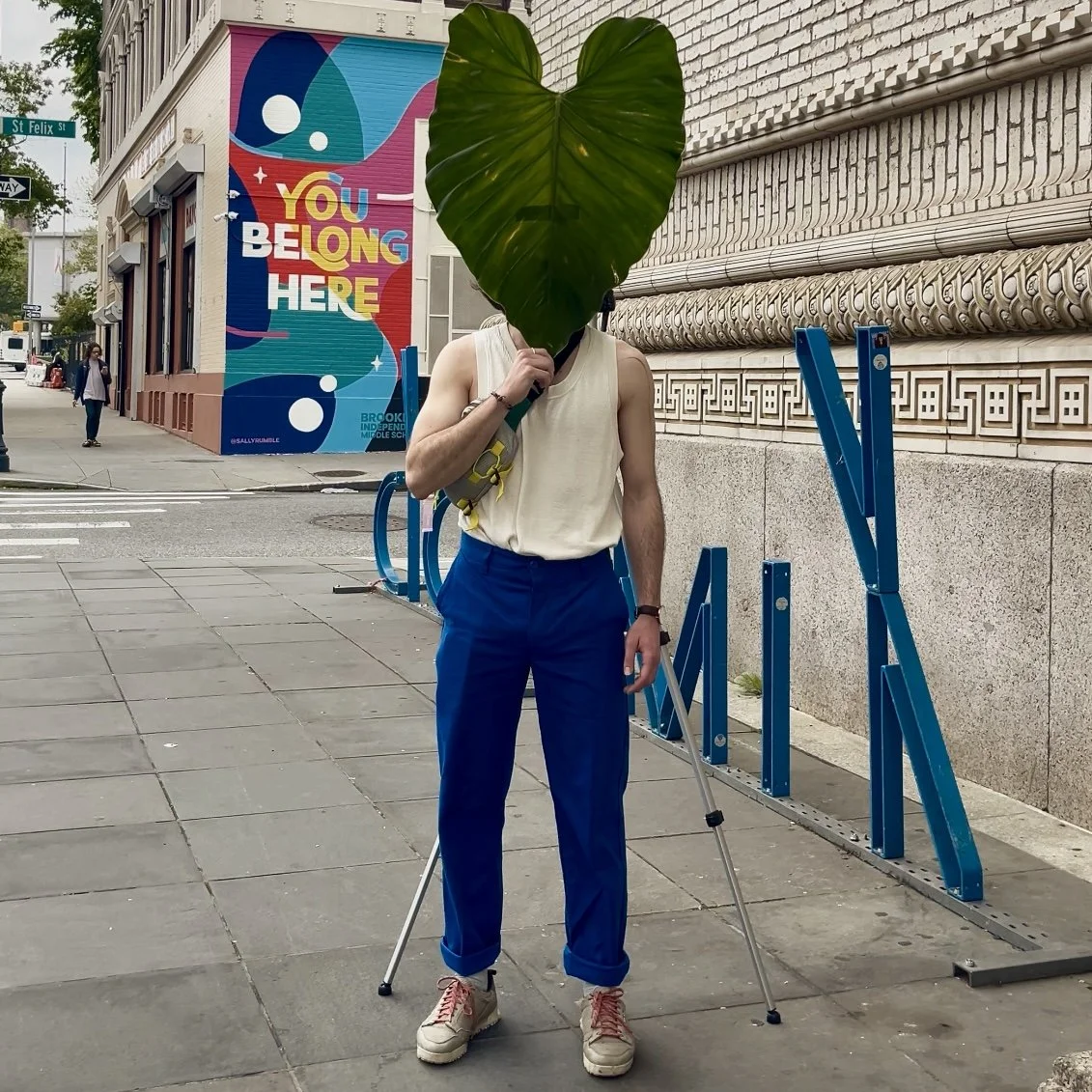
A participatory video and street project in which people hold a giant leaf in front of their face before being asked to speak.
The leaf acts as a simple natural mask: it hides the face without silencing the person. By softening visible identity, the project asks what changes when difference is partially suspended and speech passes through a shared form.
Across many participants, the viewer begins to see one head, many bodies. The leaf does not erase the person behind it; it creates a temporary symbolic unity through which wishes, regrets, fears, and hopes for the world may become easier to voice.
Learn more about the project →


SELF-QUESTIONING DEVICE › CHAIR-SHAPED TEST
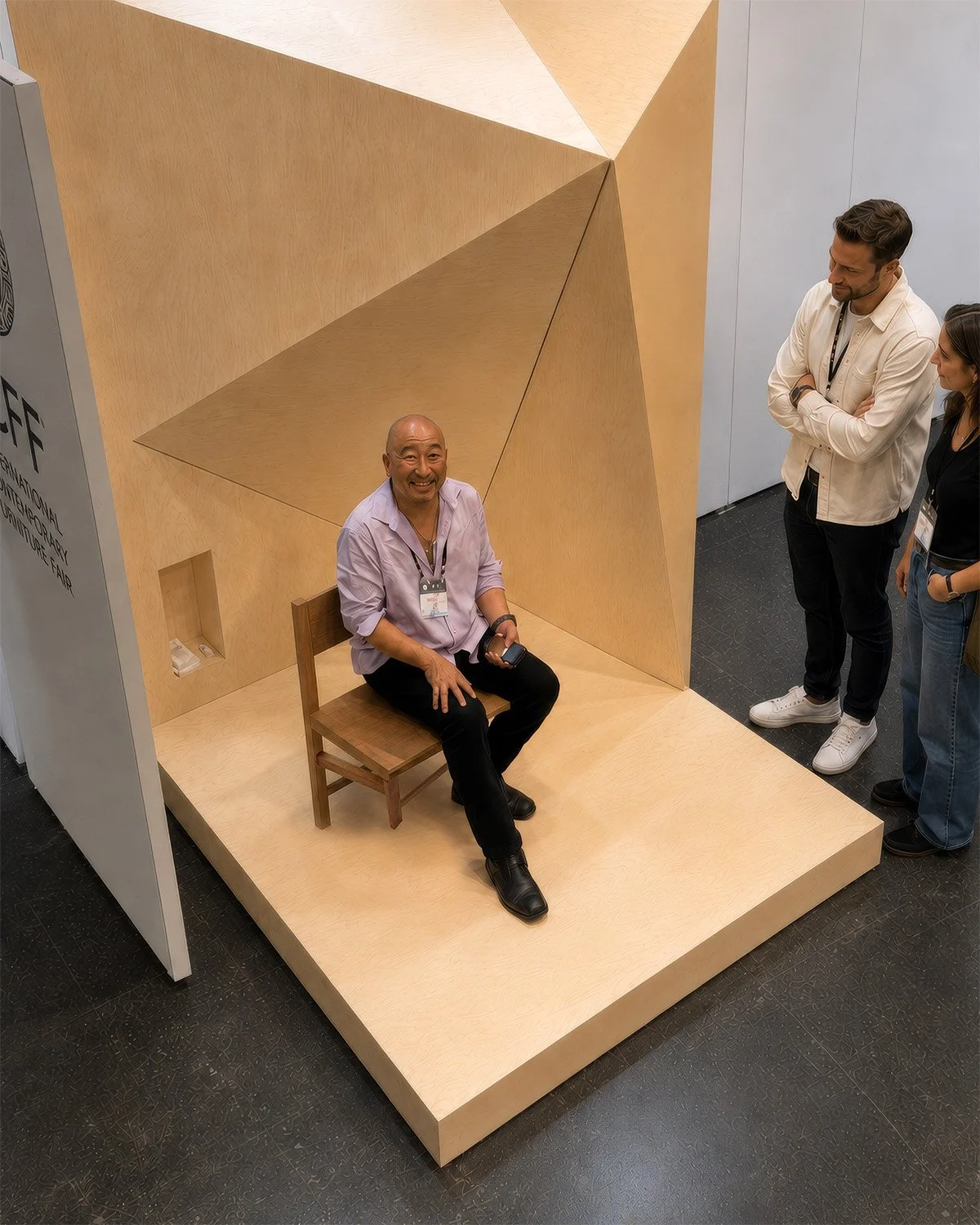
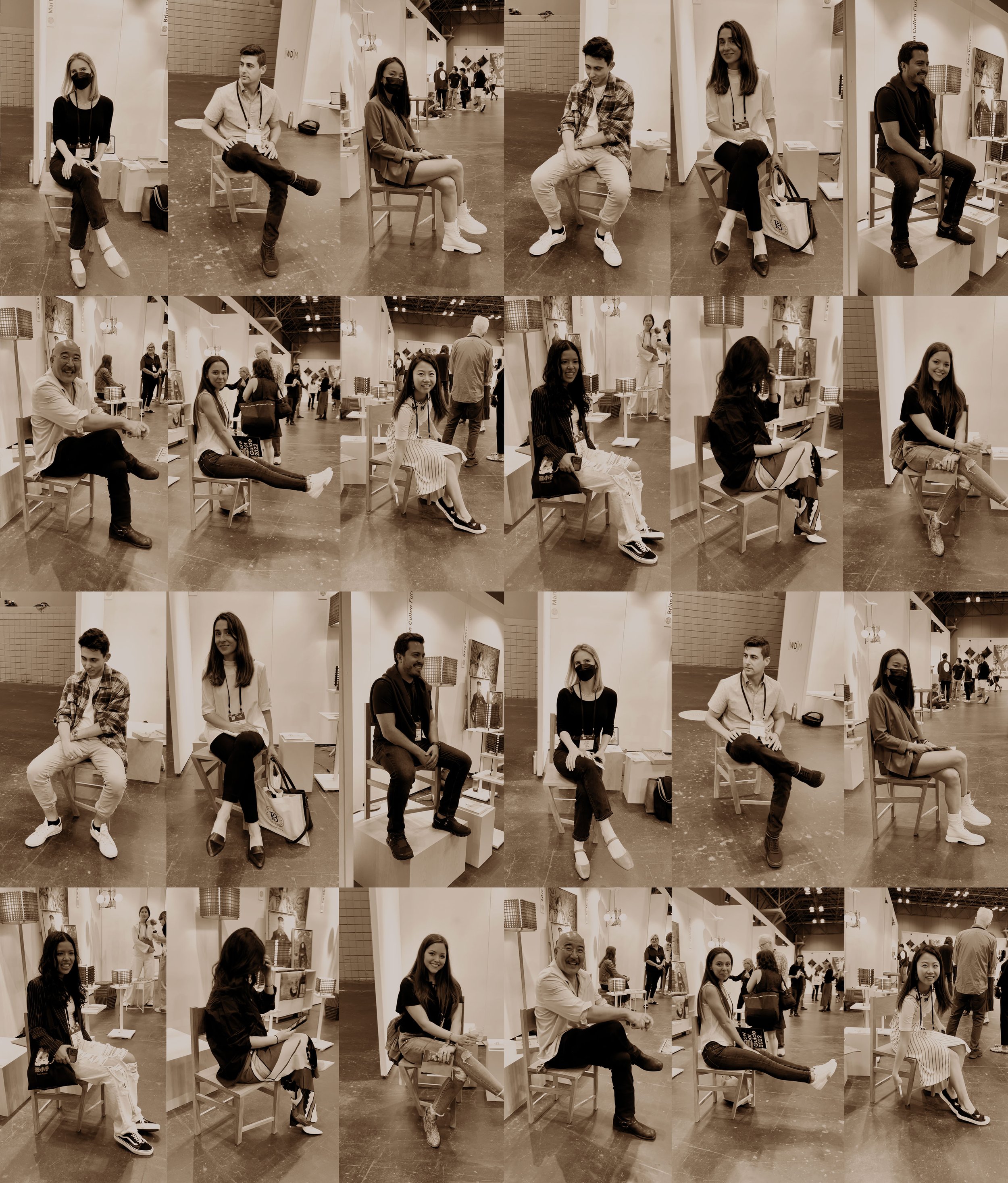
ICFF Field Test: Sitting With the Unknown
2022
During International Furniture Fair, ICFF 2022, the Paradox of the Typical Atypical Device was placed where a chair was expected to behave. It looked broken, but was engineered to hold, turning the ordinary act of sitting into a public test of trust, judgment, and first perception.
The study happened in the pause before sitting: hesitation, nervous laughter, partial belief, refusal, relief, and curiosity. As a participatory perception study, the chair became a shared condition where visitors could notice how quickly the mind reads danger, defect, support, and meaning into form.
More device photos →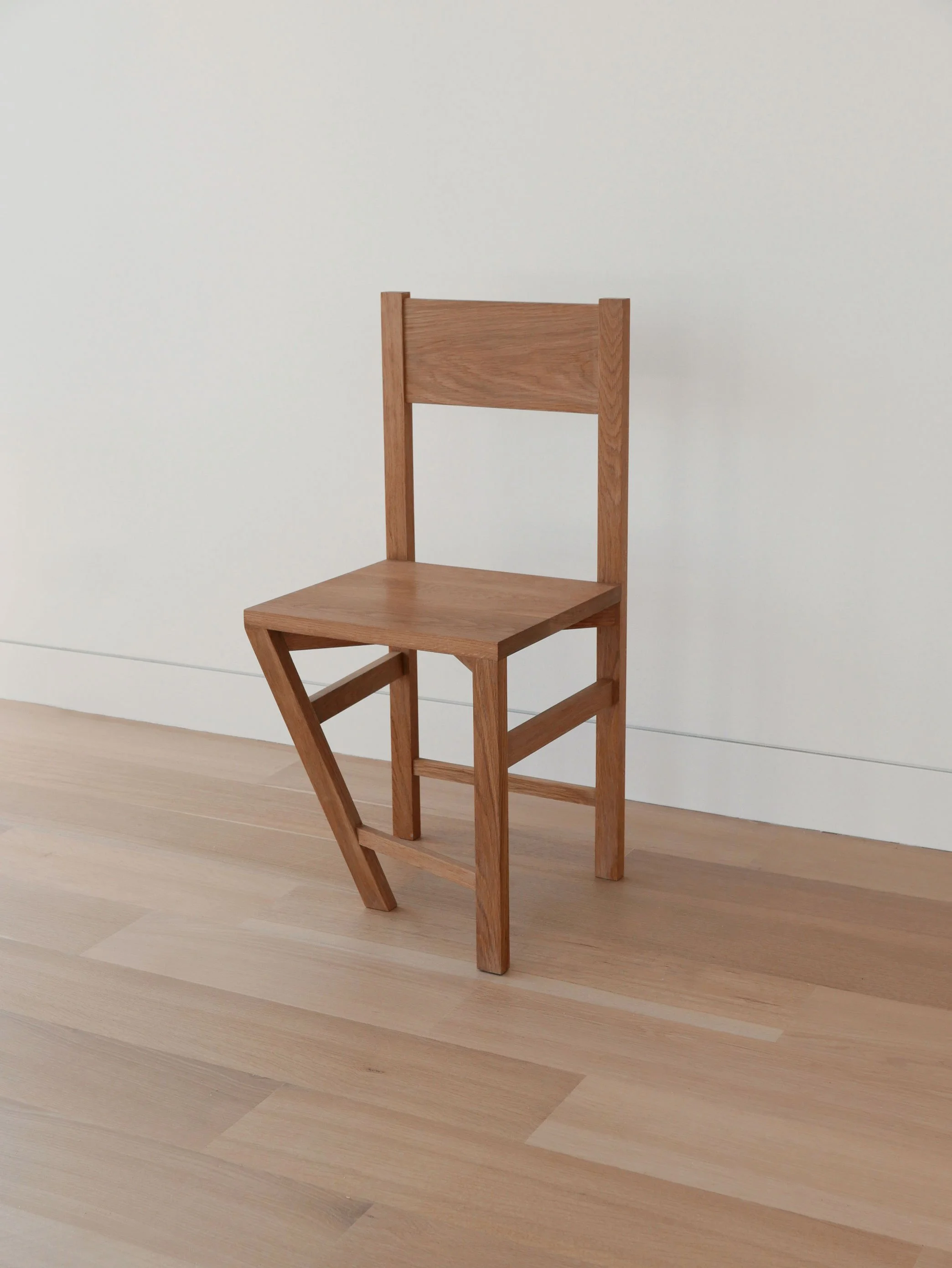

META NOTES
This page is a living document. Last updated: June 20, 2026.
Created a new Art & Design page, Participatory Perception Studies, to gather works where people enter a designed condition and perception shifts through participation. The page introduces the shared field as a fourth way the work interrupts perception, with LeafHead as the first example of a repeated condition that loosens fixed identity and lets one field appear through many bodies, voices, and gestures.