ART & DESIGN
Projects in Perception
Artworks, prototype inquiries, object studies, and self-questioning devices from a practice-based inquiry into perception, form, and consciousness. Across the work, art and design are not separate from philosophical inquiry. They are ways of building conditions where perception can be interrupted, loosened, and observed before certainty returns.
Last updated: June 11, 2026PERCEPTION STUDY › PAINTED IMAGE
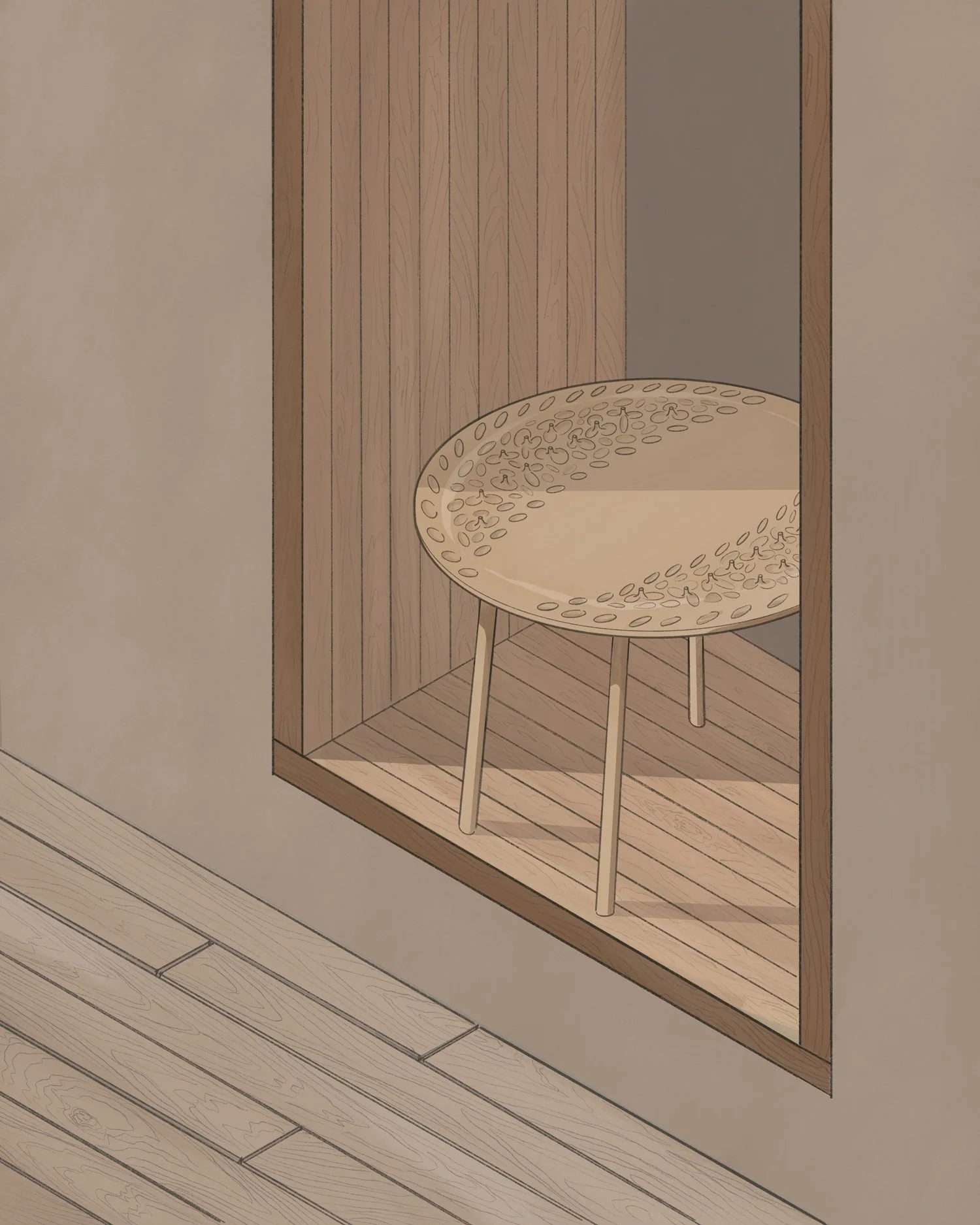
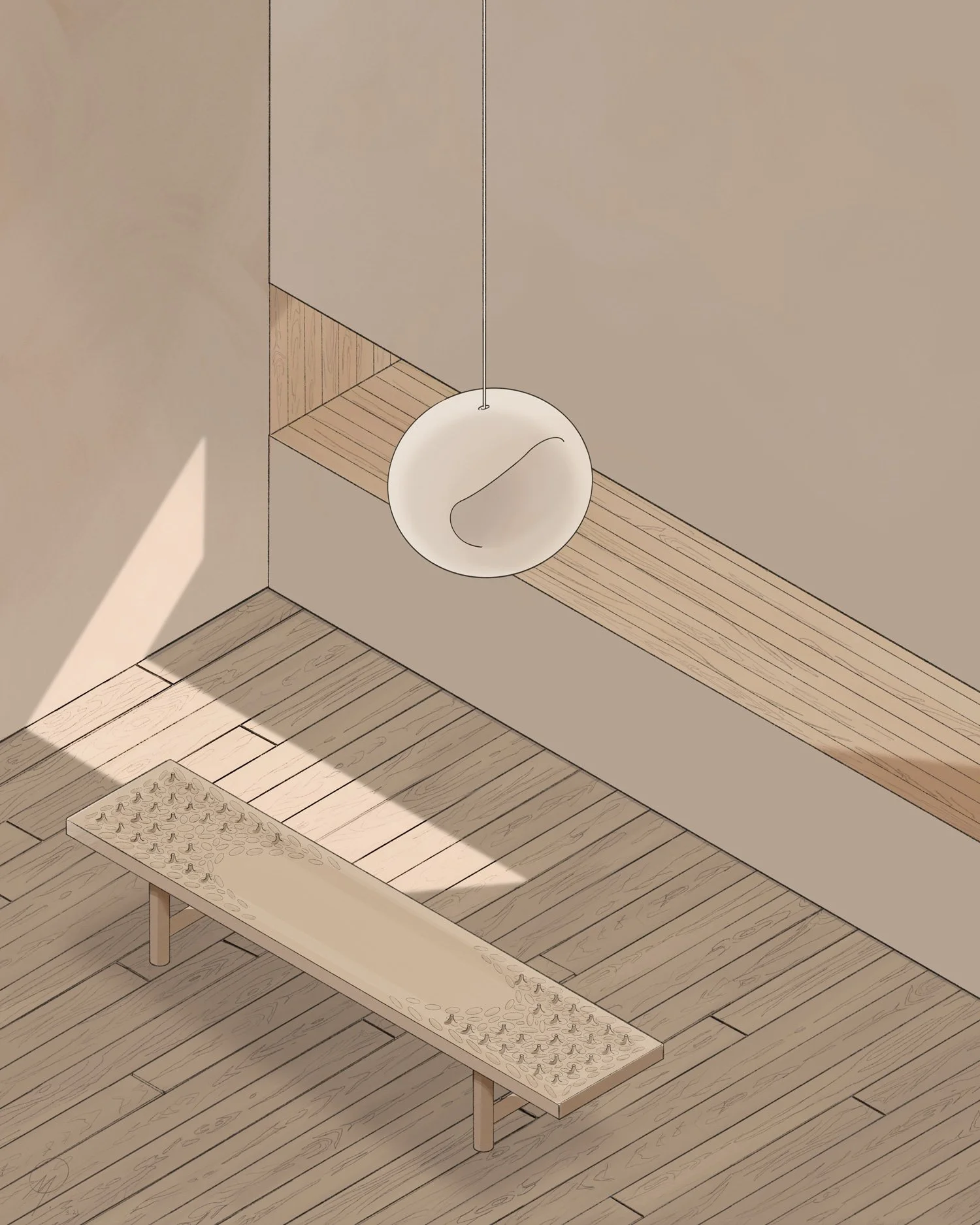
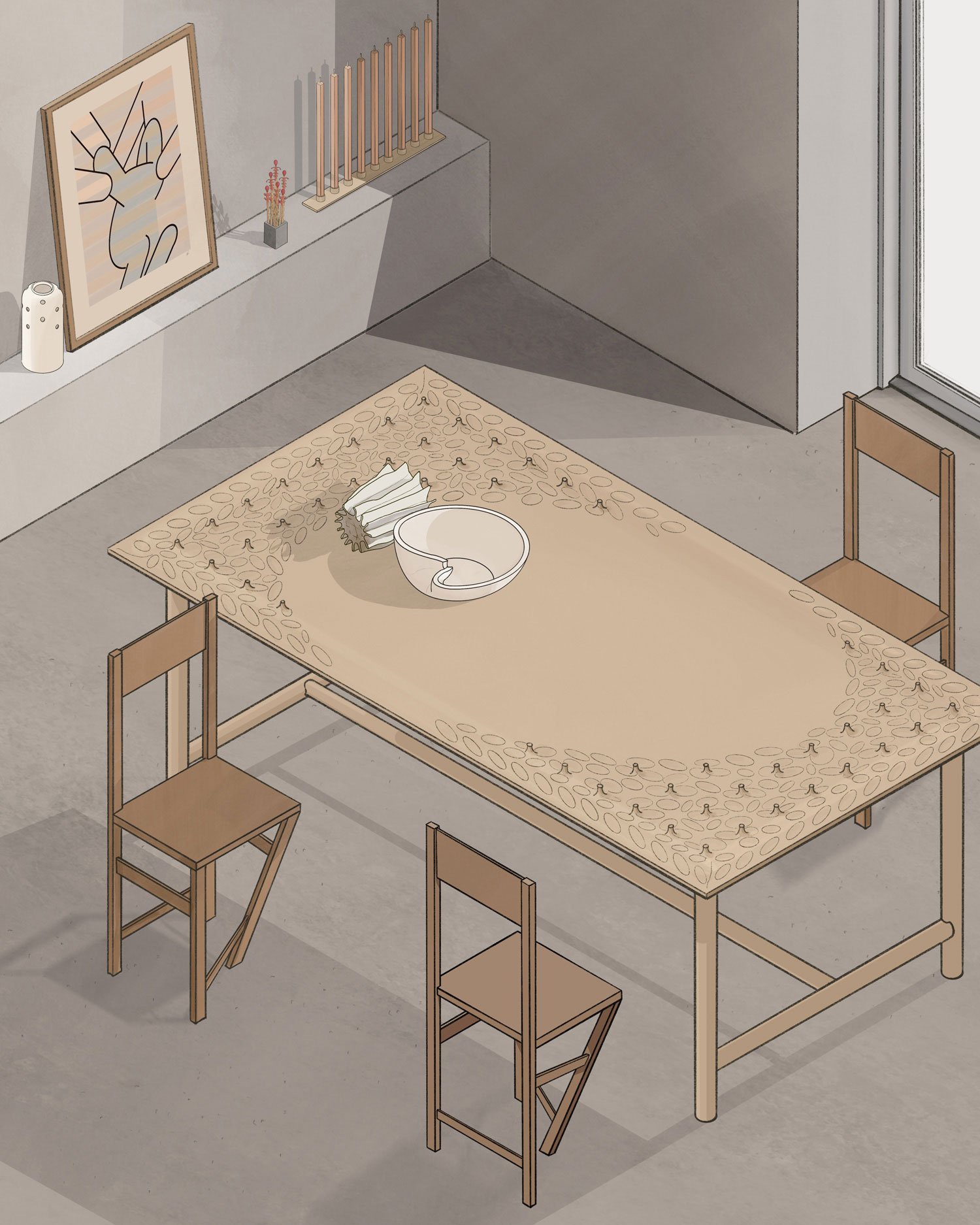
Contours of Impermanence
2021–Present
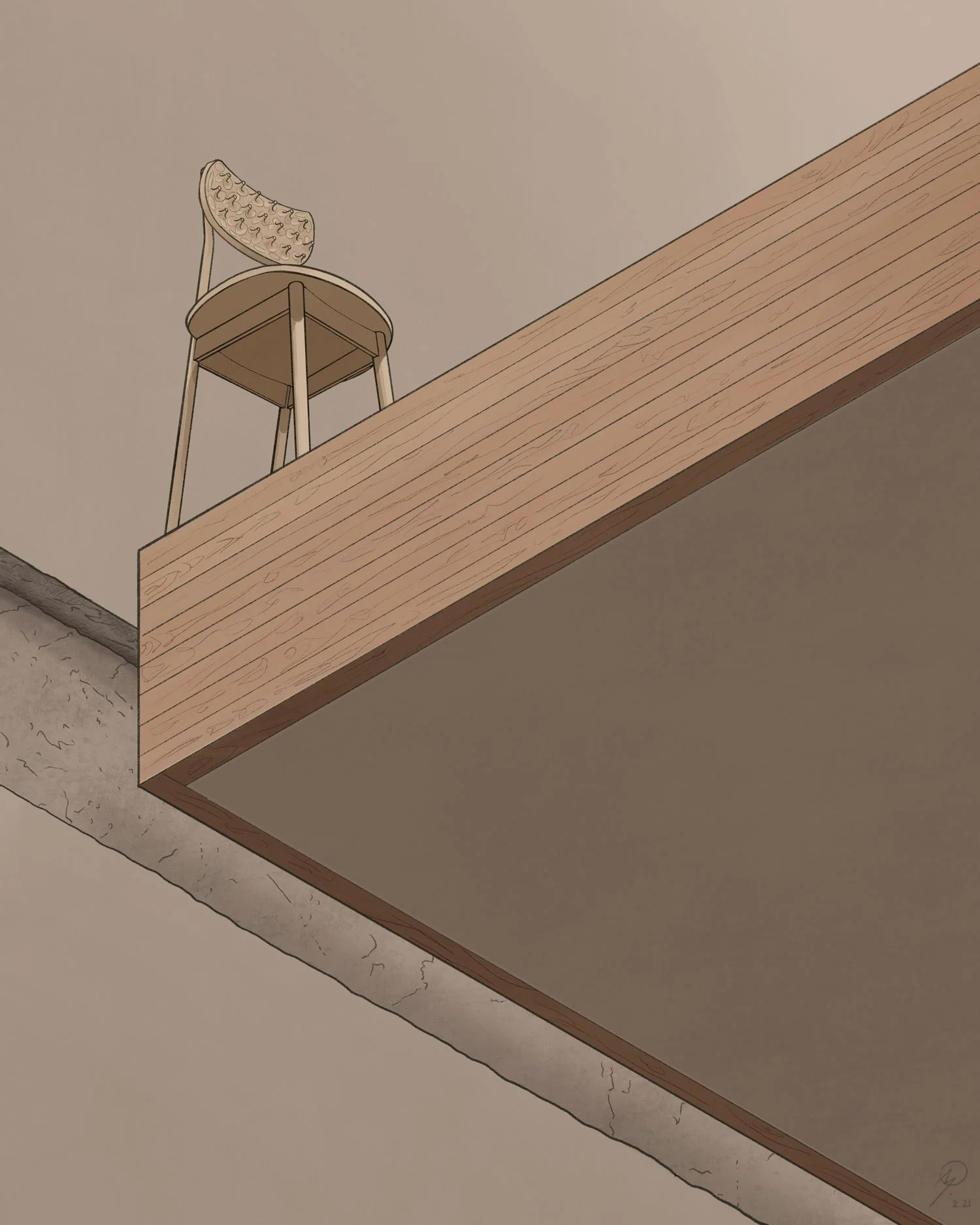
Contours of Impermanence emerged during a period of close reading in contemplative and nondual texts, when I was beginning to notice how perception organizes attachment, use, and value before an object is understood. The axonometric interiors became awkward, improbable, and slightly estranged: rooms where objects no longer settle comfortably inside function, and where usefulness depends on the frame that holds it.
Rather than presenting spaces to be entered, the series treats them as perception studies: quiet arrangements seen from a detached axonometric distance, part surrealist composition and part architectural proposal. Objects appear with flaws, diversions, and minor impossibilities, asking whether what first reads as disorder might also invite care. The works hold the viewer in the interval before use, value, and interpretation become certain, where meaning can shift with the perspective that receives it.
See project gallery → 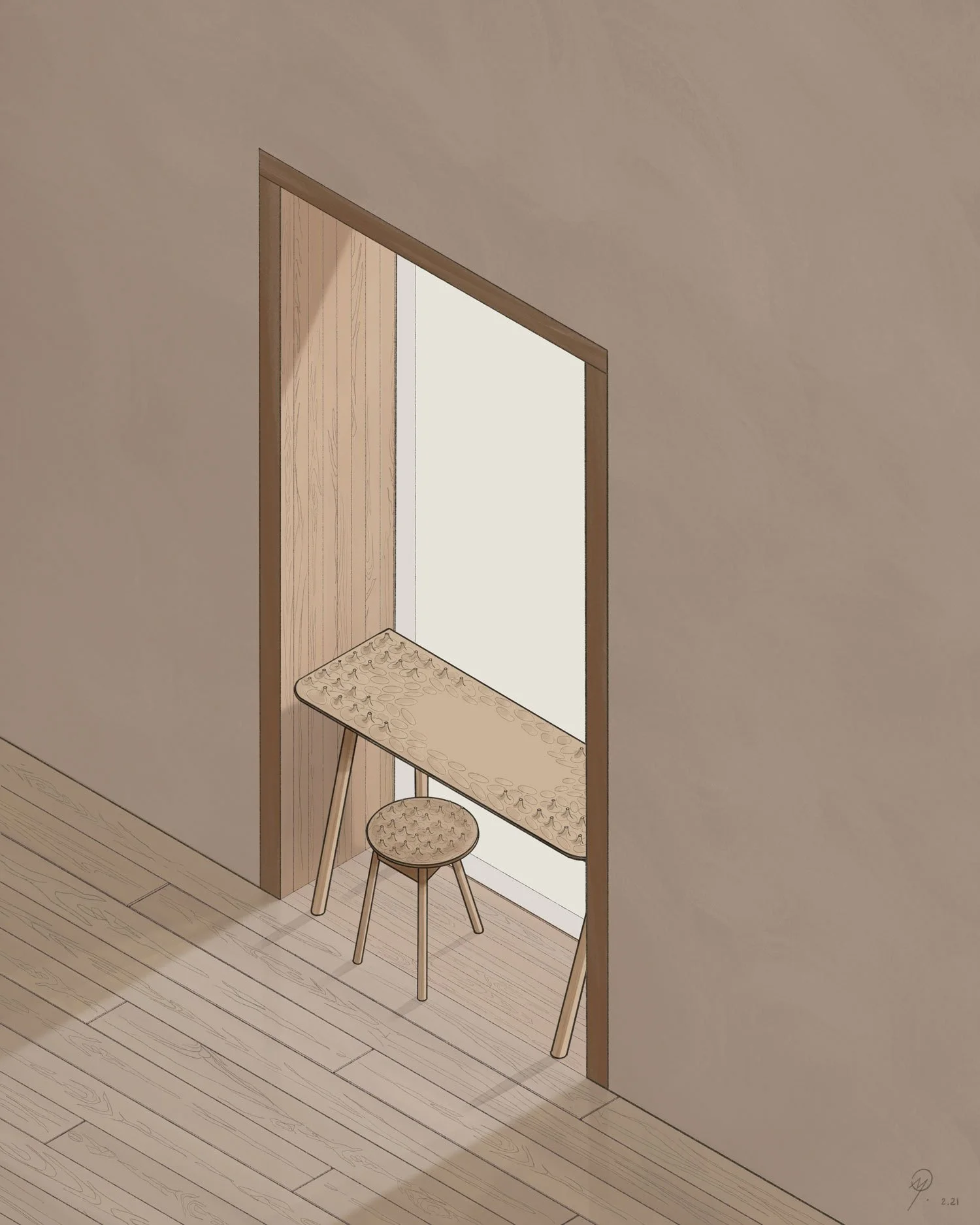

SELF-QUESTIONING DEVICE › CHAIR-SHAPED TEST
Paradox of the Typical Atypical Device
2022-present
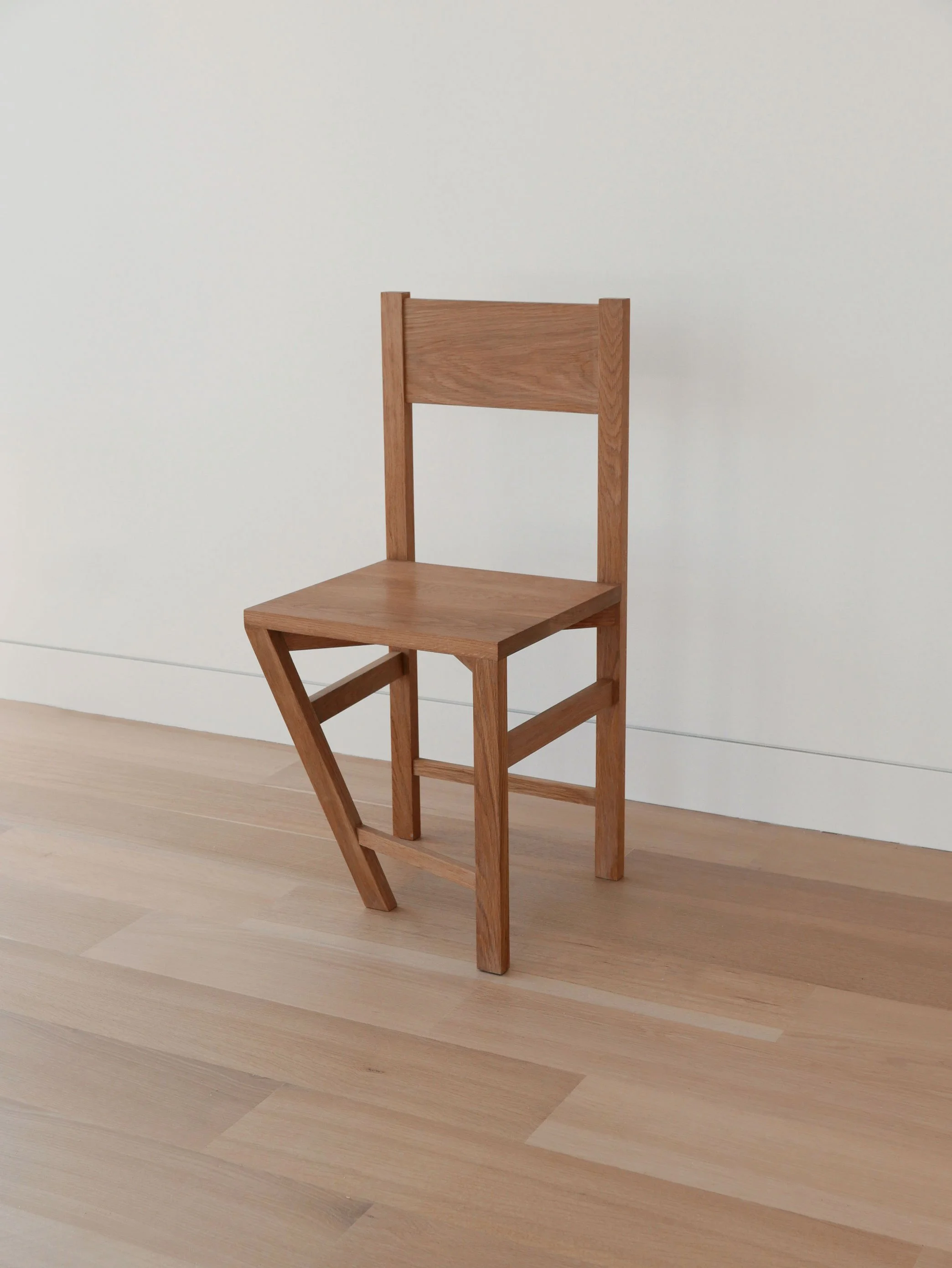
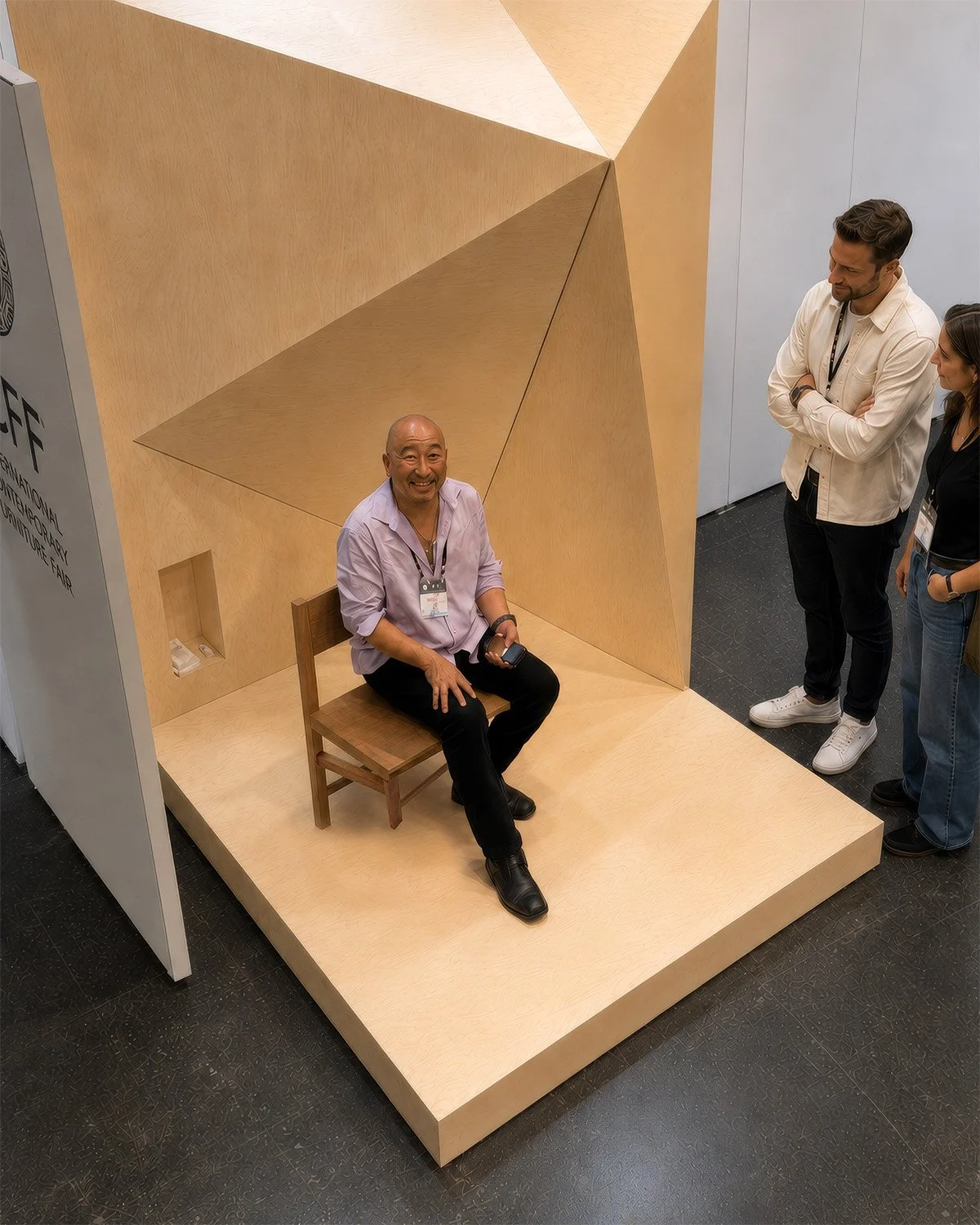
Paradox of the Typical Atypical Device began as a chair-shaped experiment in perception, function, and judgment. Its altered leg made the object appear unstable before it could be understood, turning an ordinary act of recognition into a small test: what do we call safe, useful, broken, or valuable at first glance?
The prototype later clarified its own category. It could not responsibly remain furniture. Its value now lives in what it revealed: how quickly the mind reads danger, defect, intention, and meaning into form. As a self-questioning device, it asks the viewer to notice the judgment before settling the object.
See project gallery →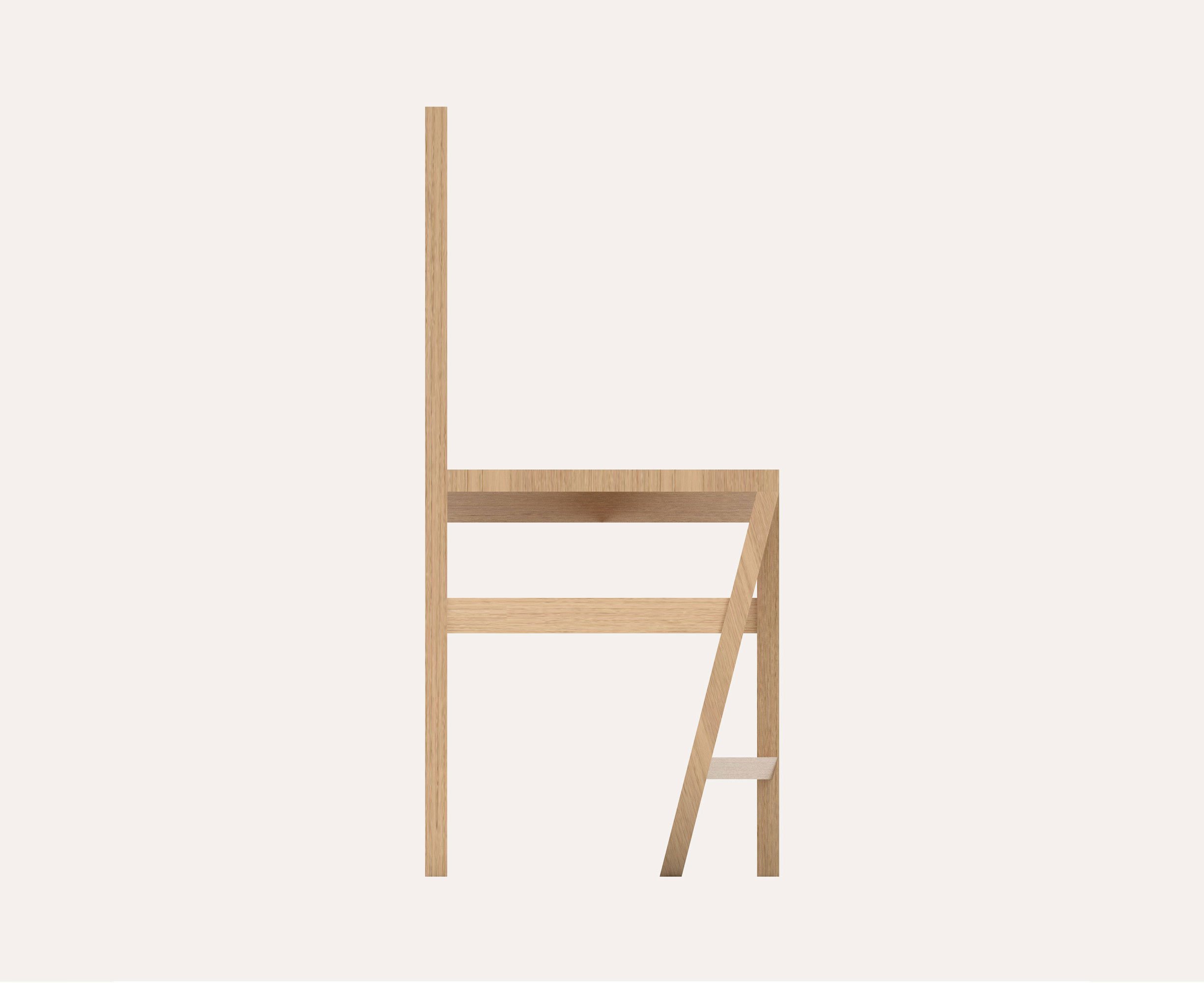


SELF-QUESTIONING DEVICE › SPECULATIVE SPICE COLLECTION
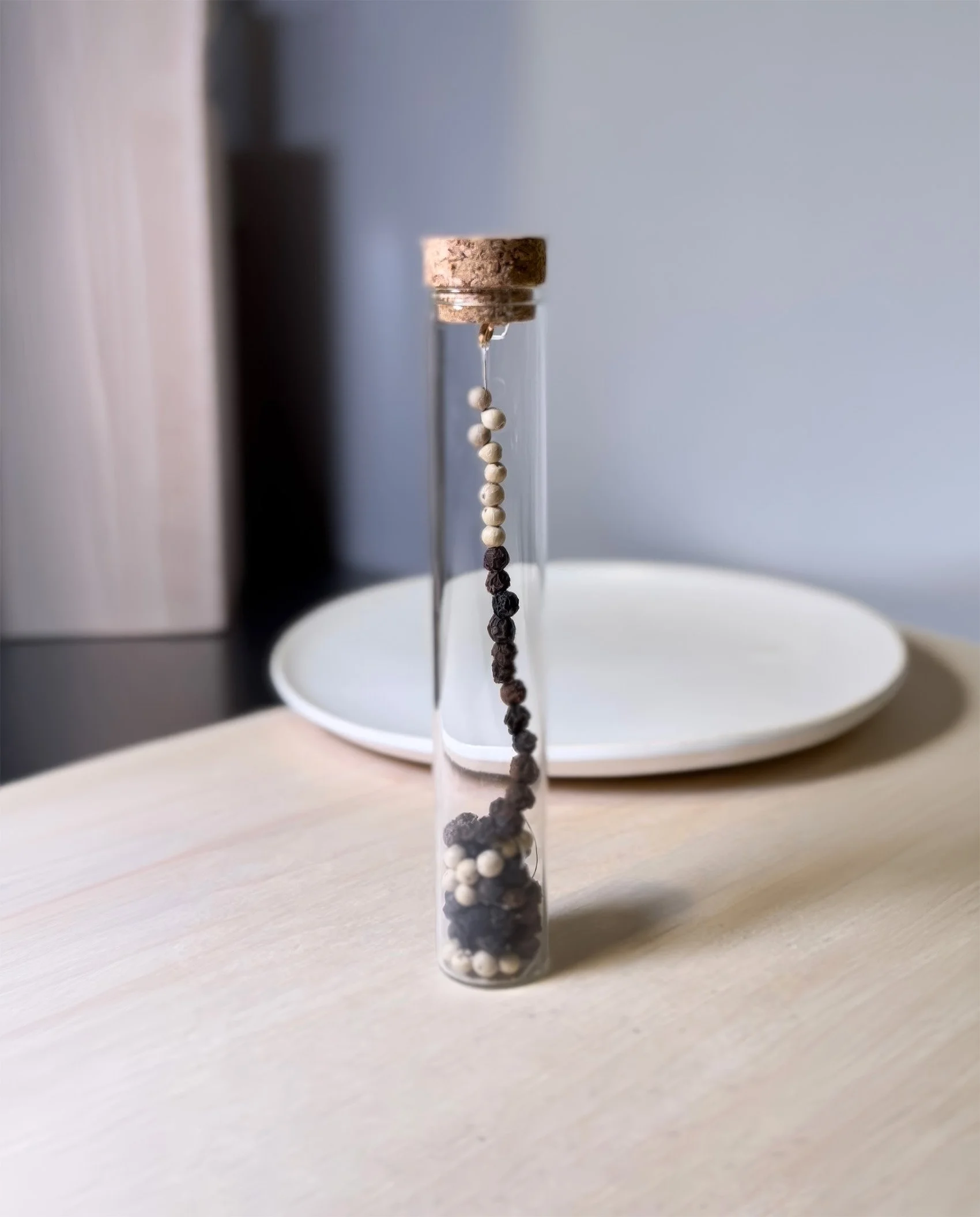
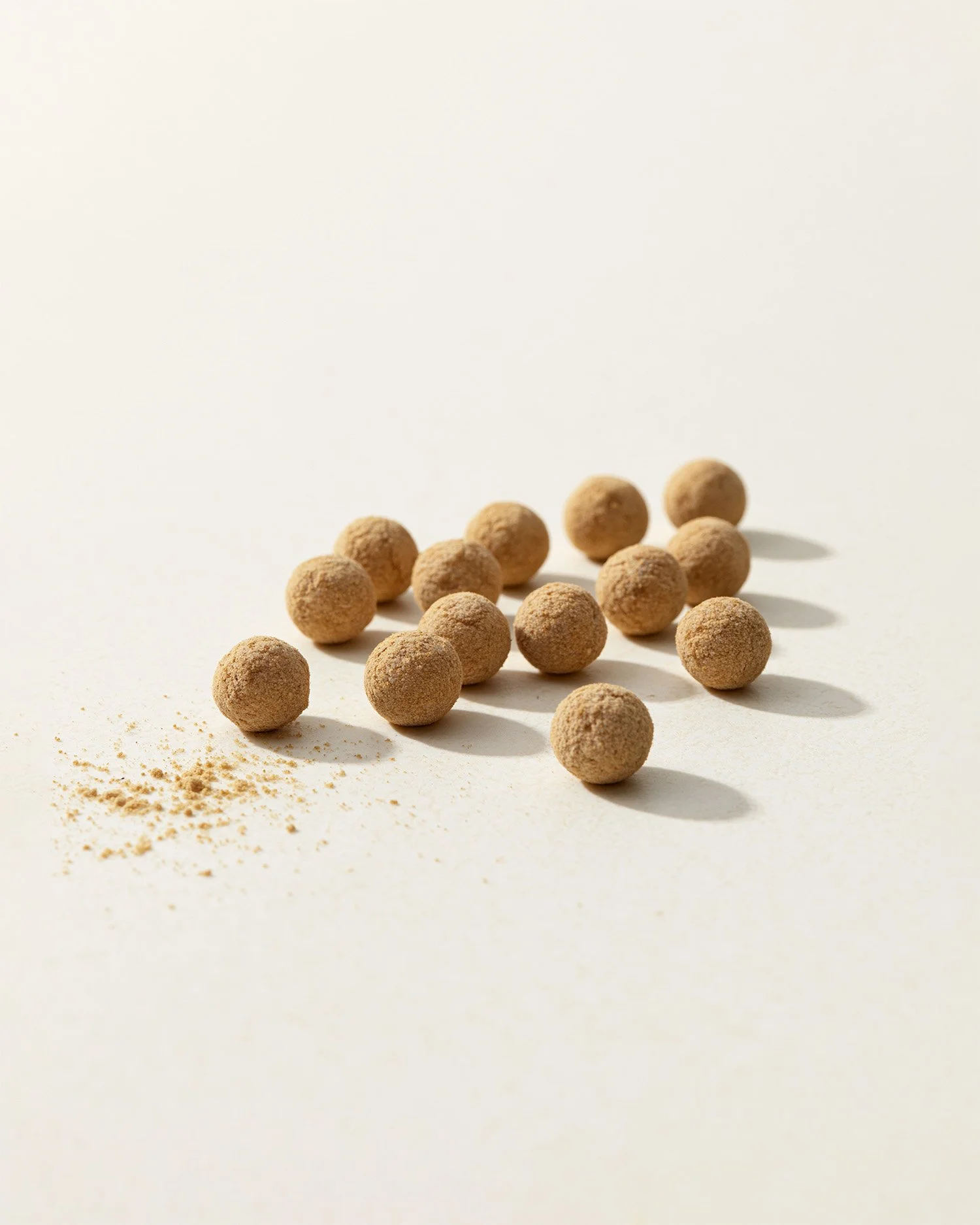
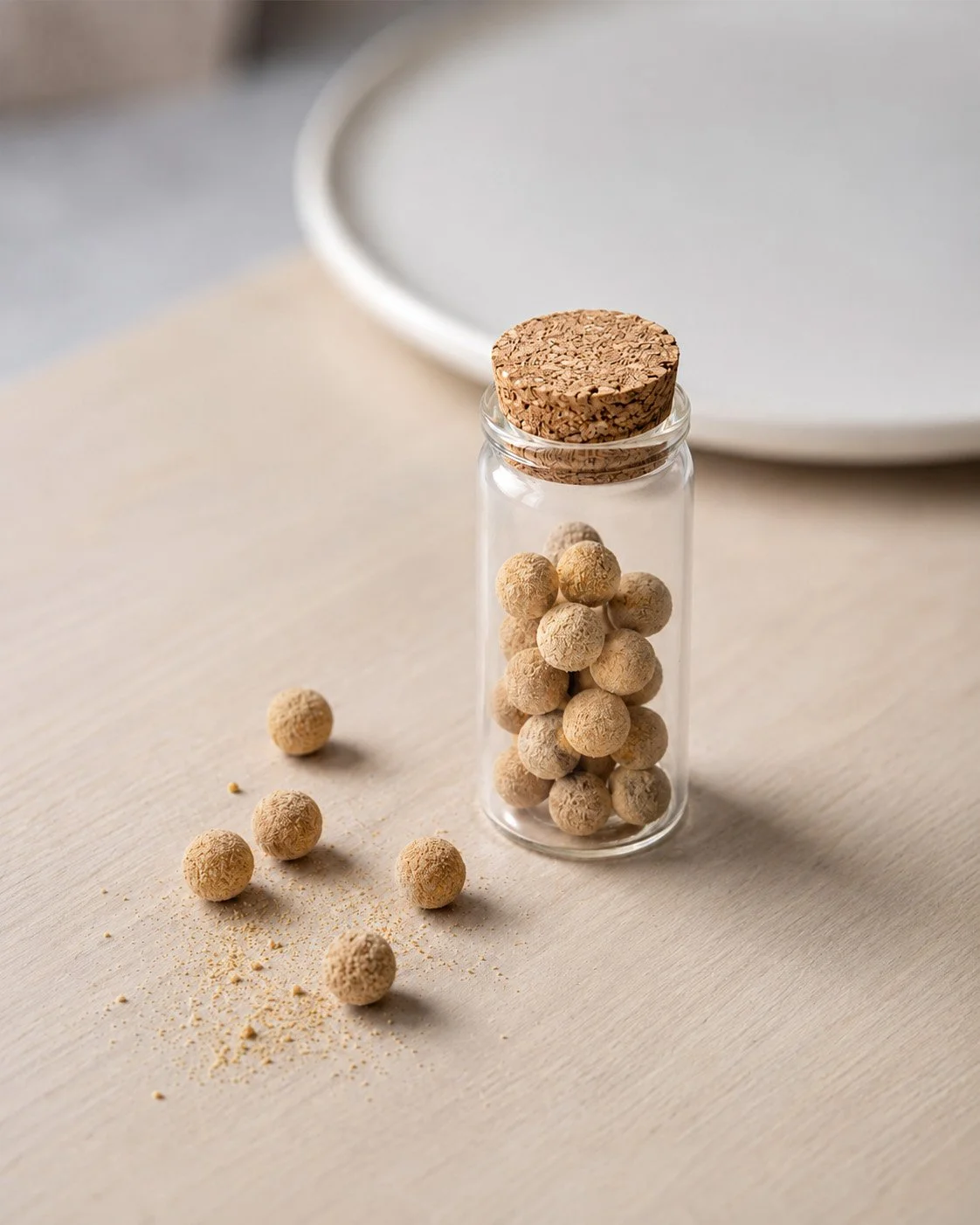
Flavors of Misconduct
2020–present
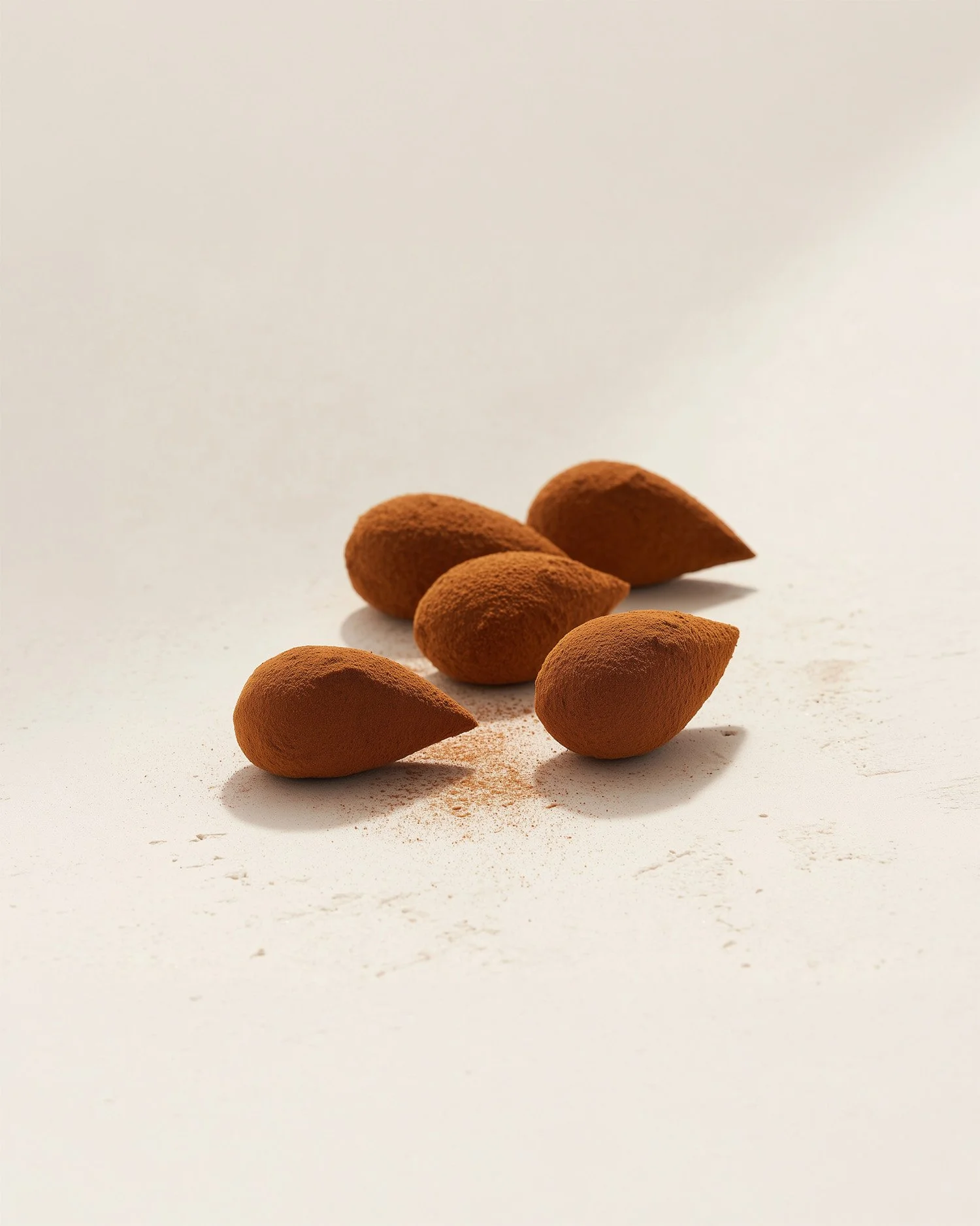
Flavors of Misconduct stages the kitchen counter as a site of polite disturbance.
Peppercorns, chili flakes, rosemary, cinnamon, ginger, and paprika are given new forms: threads, clusters, stacks, teardrops, bullets, impact buttons. Each one keeps the manners of domestic life while carrying the aftertaste of suspicion, disbelief, quotas, threats, impact, and dispersal.
The project comes from outrage and sadness toward systems that claim peace, order, and public trust while producing suspicion, disbelief, quotas, threats, impact, and dispersal.
View project gallery →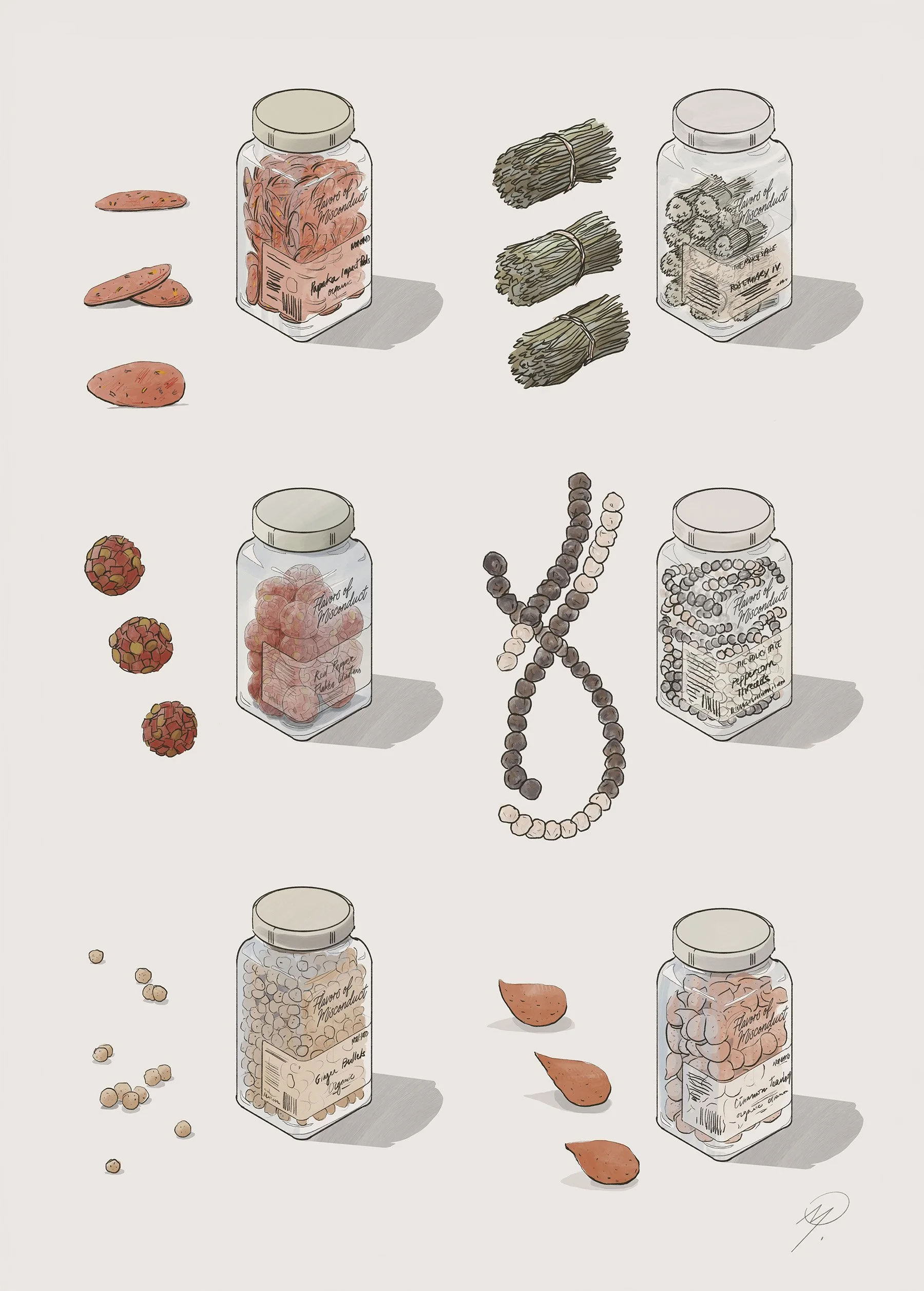
PROTOTYPE INQUIRY › VESSEL STUDY
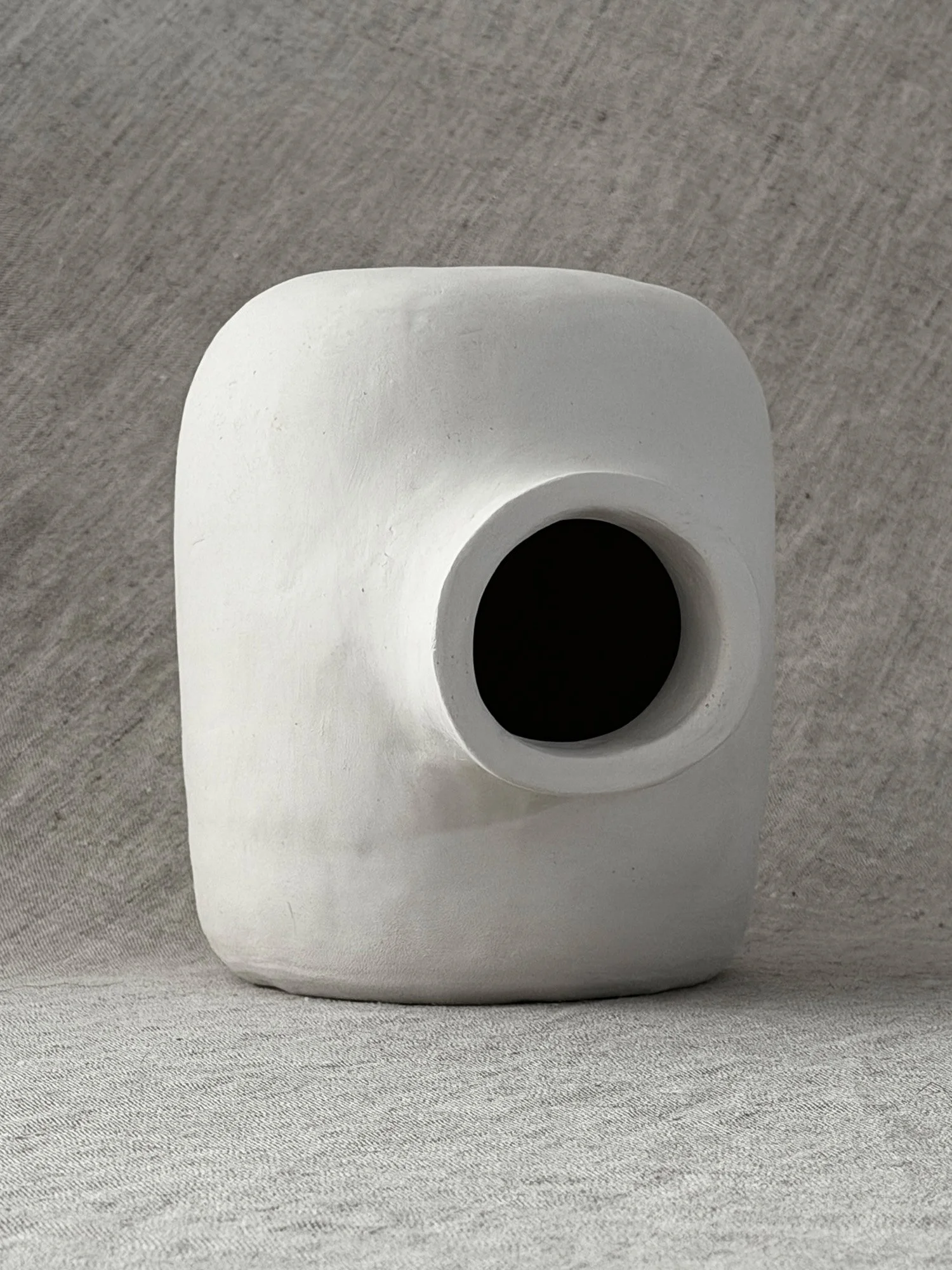
Jacob Vase
2025-Present
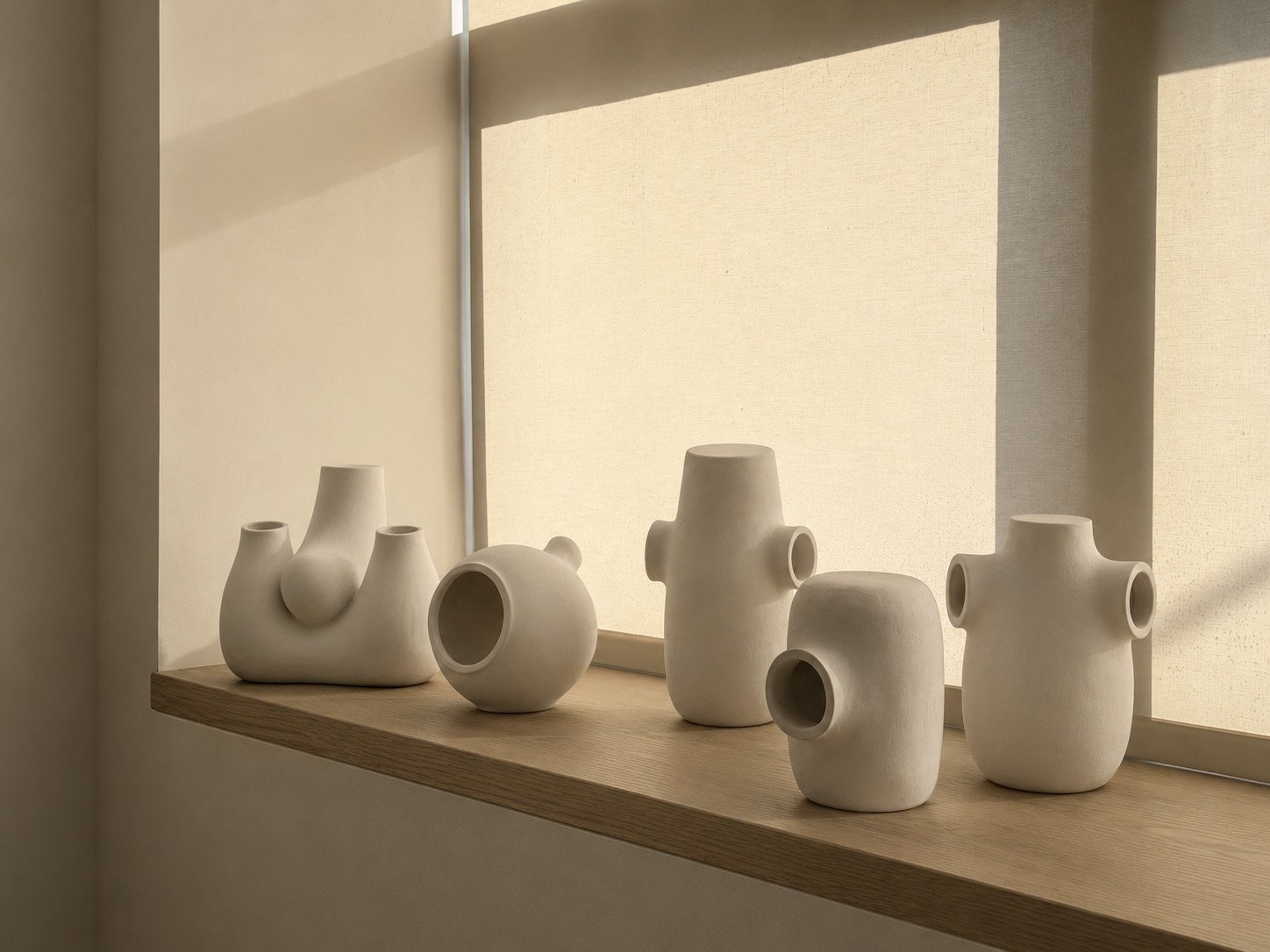
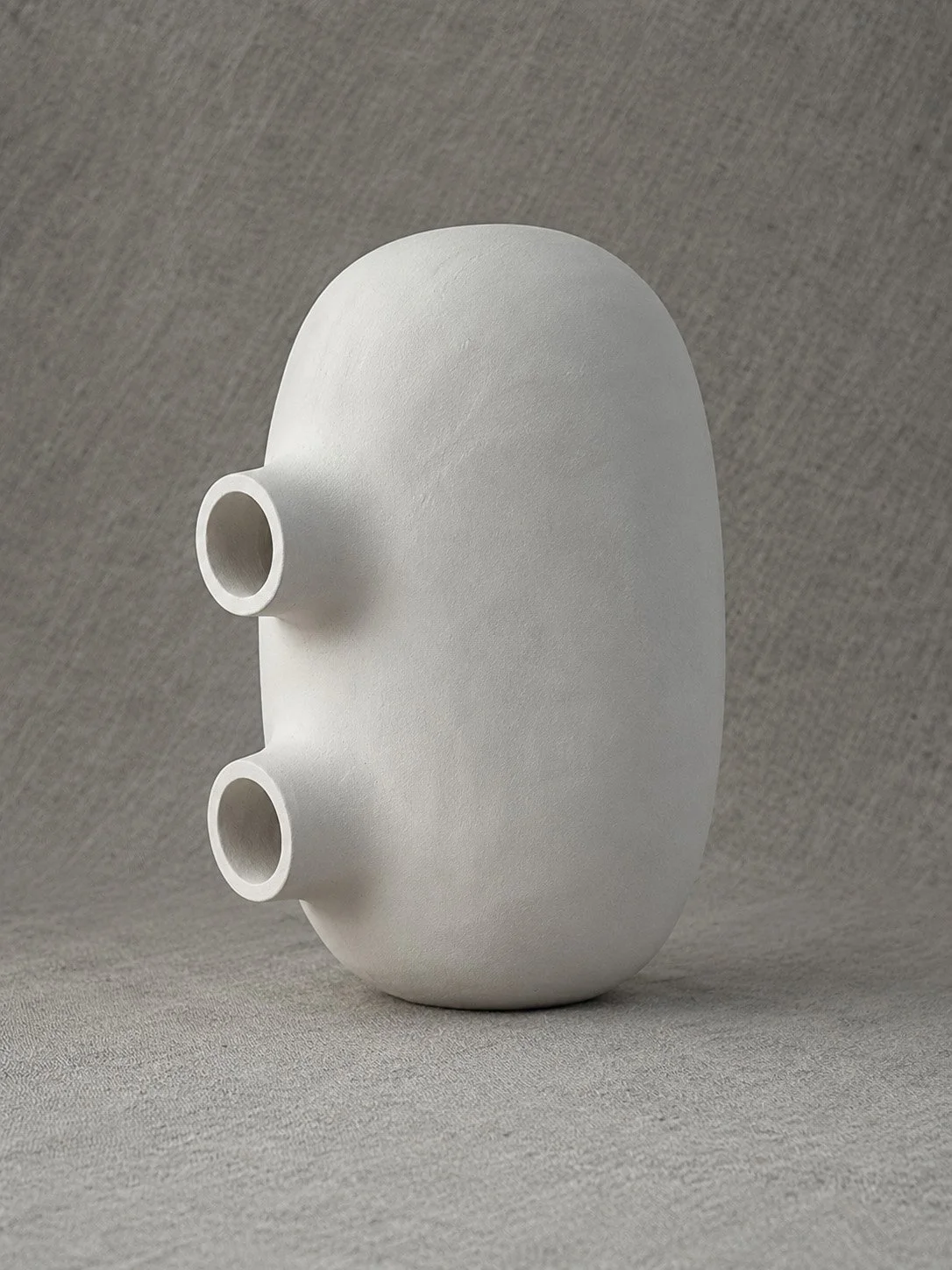
The Jacob Vase series began as a Design for Nothing experiment: a way of making in which utility was intentionally suspended before form was allowed to settle. The vase, one of the most familiar objects of holding and offering, became the site of the test.
Working from sketches, Martin Lenclos began placing openings where they were not expected: sideways, repeated, closed, displaced, or turned away from the usual logic of water, flowers, and use. The forms remain close enough to ceramic vessels to be recognized, but something in the agreement between object and function has been interrupted.
The emotional pressure behind the series came from private outrage and sadness around public scenes of institutional harm, but the vessels do not ask to be read as illustrations of those events. Instead, the pressure of that reflection moved into form: a system that still looks like a vessel, but no longer behaves as expected.
From the viewer’s side, the question becomes immediate: What is a vase when the opening is no longer where it is expected to be? The object becomes less a container than a pause: a quiet device for noticing how quickly use, trust, and expectation become attached to form.
View project gallery →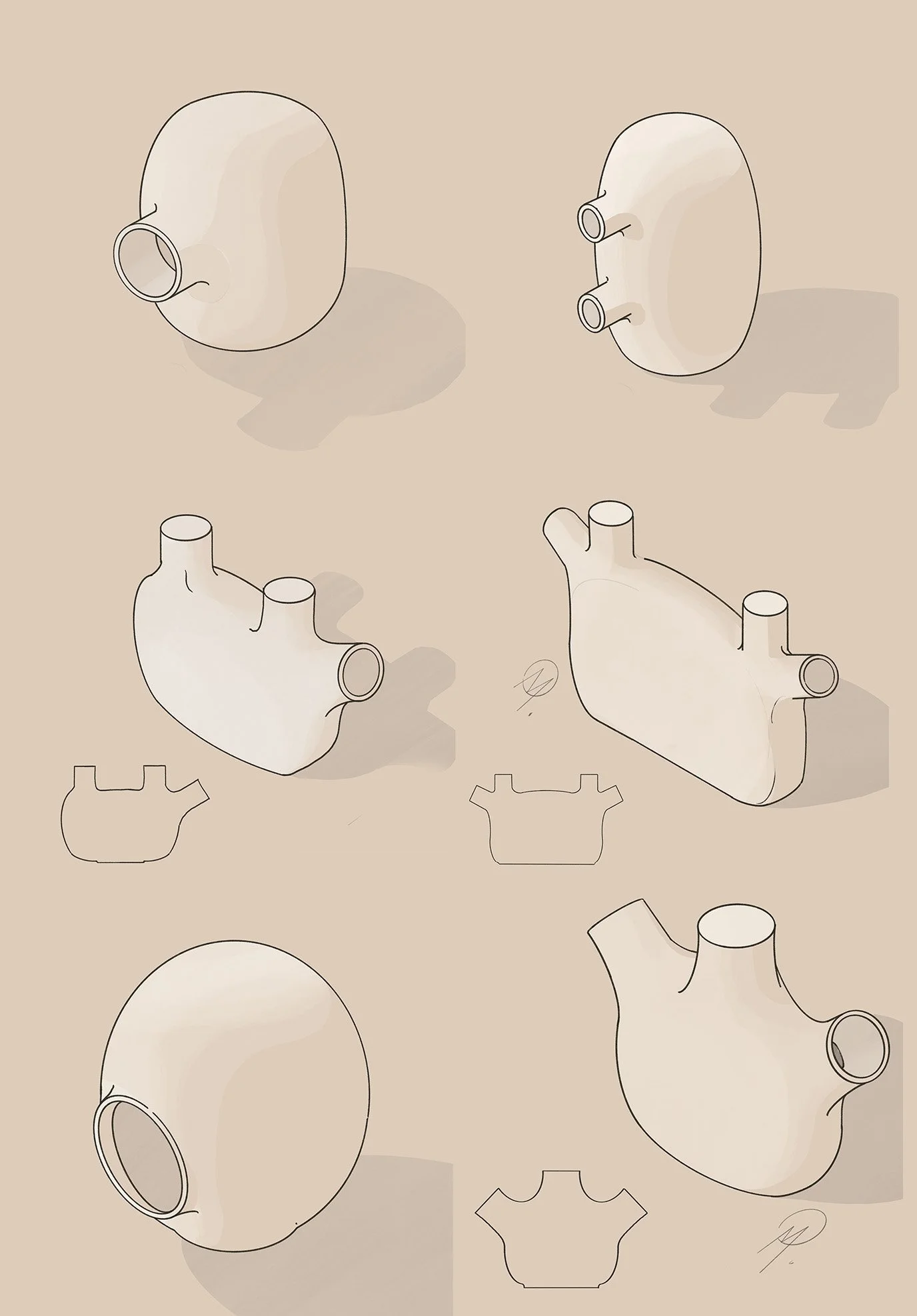
SELF-QUESTIONING DEVICE › REPAIRED SKATEBOARD STUDY
Continuum of Resilience
2022-Present
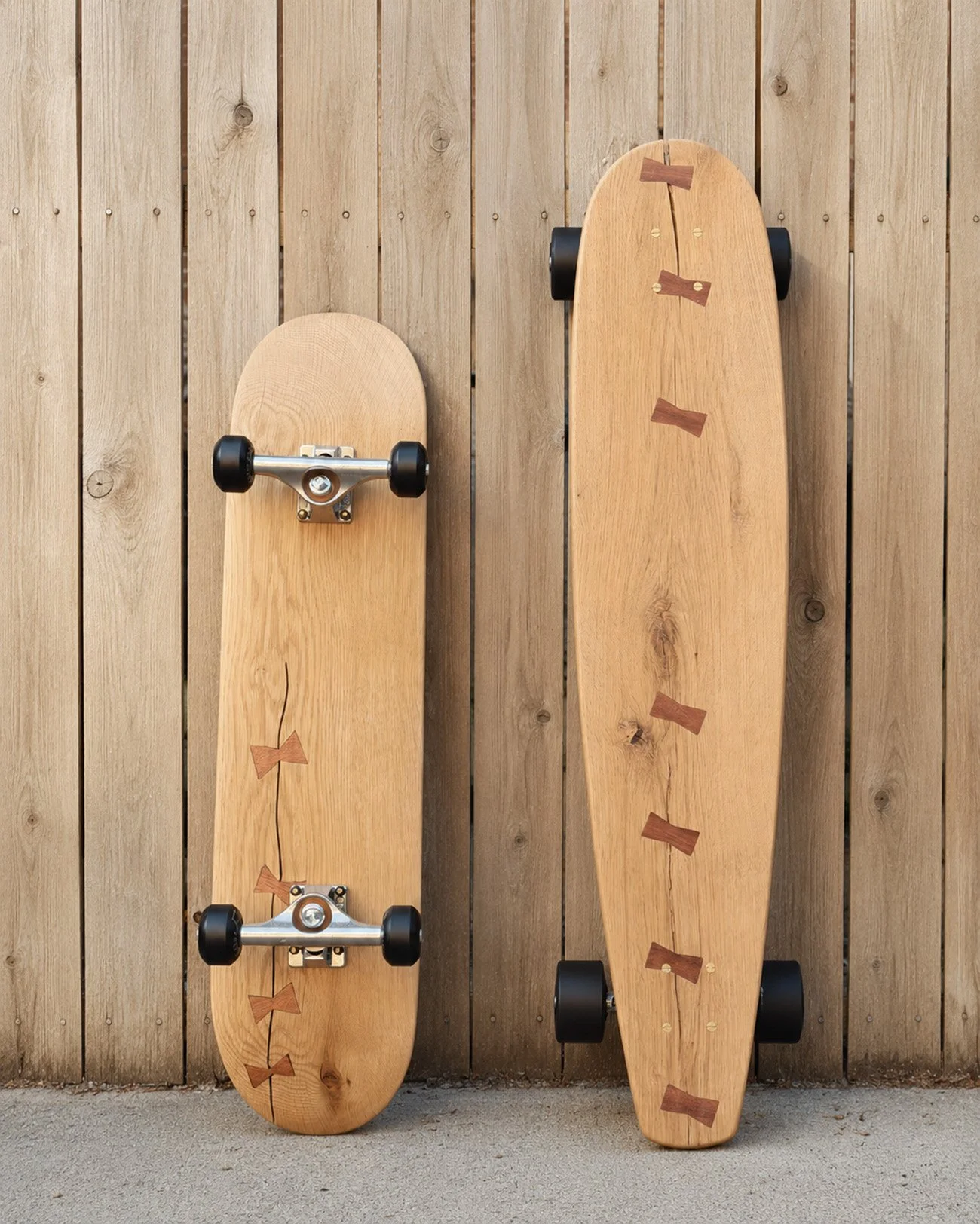
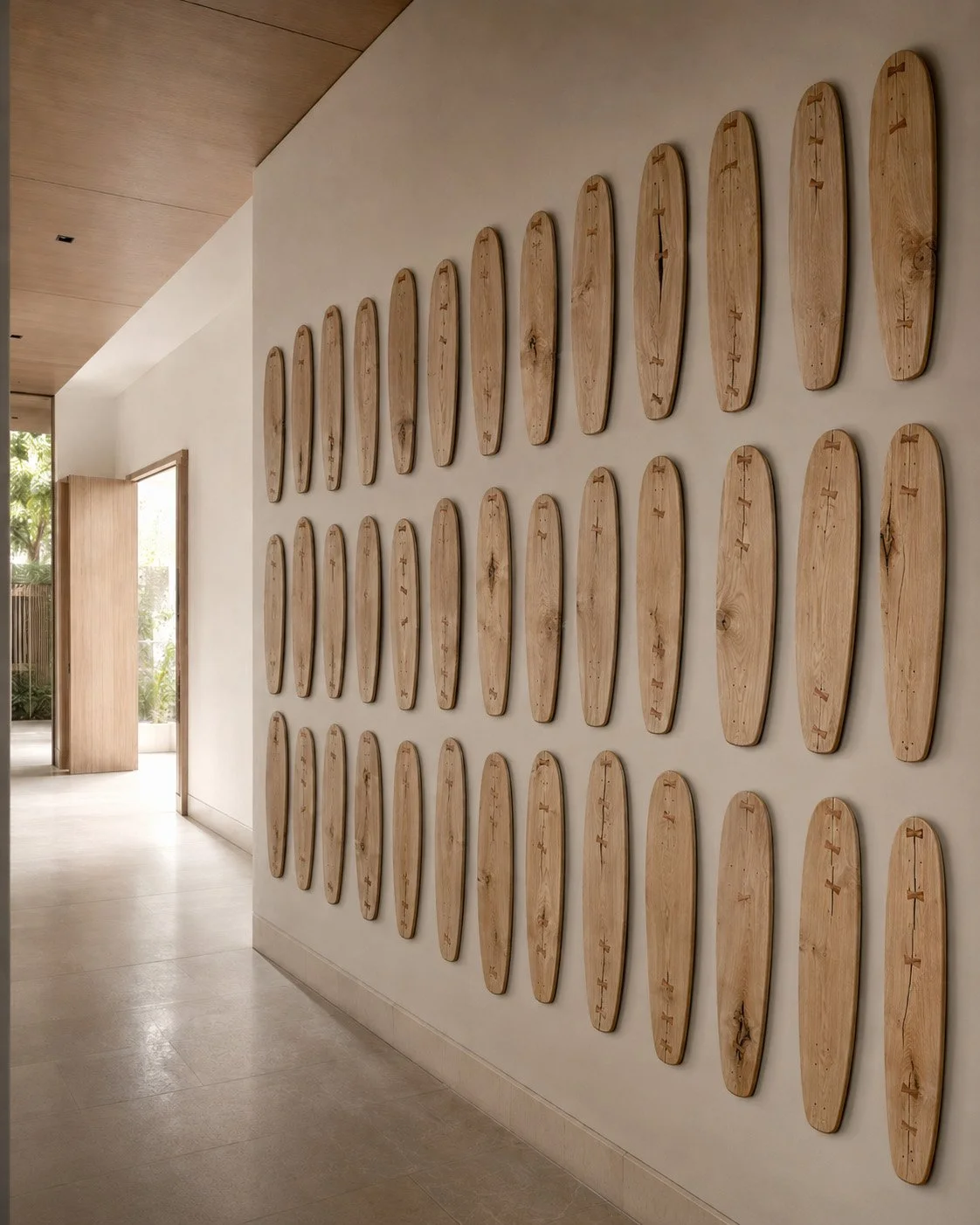
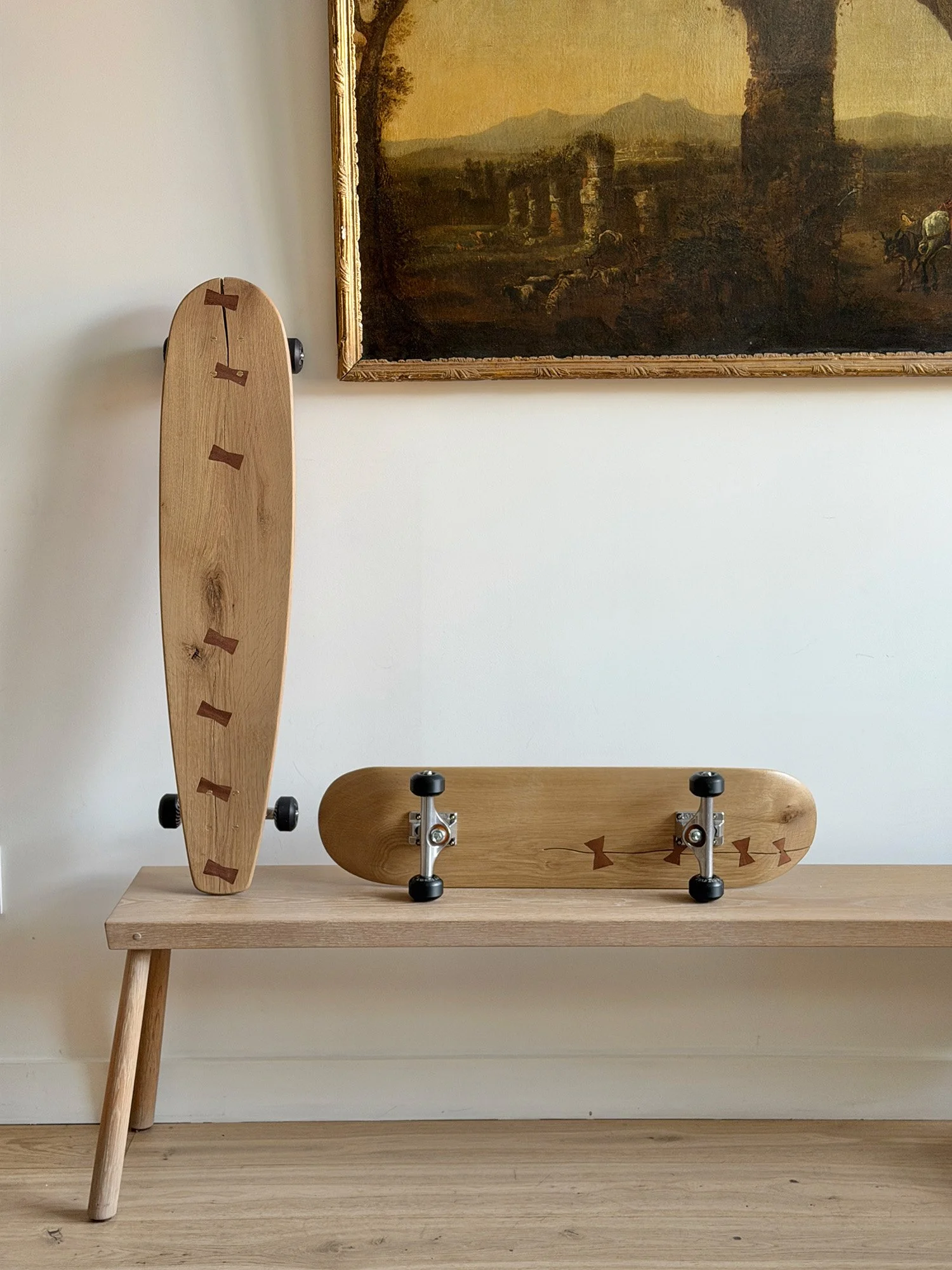
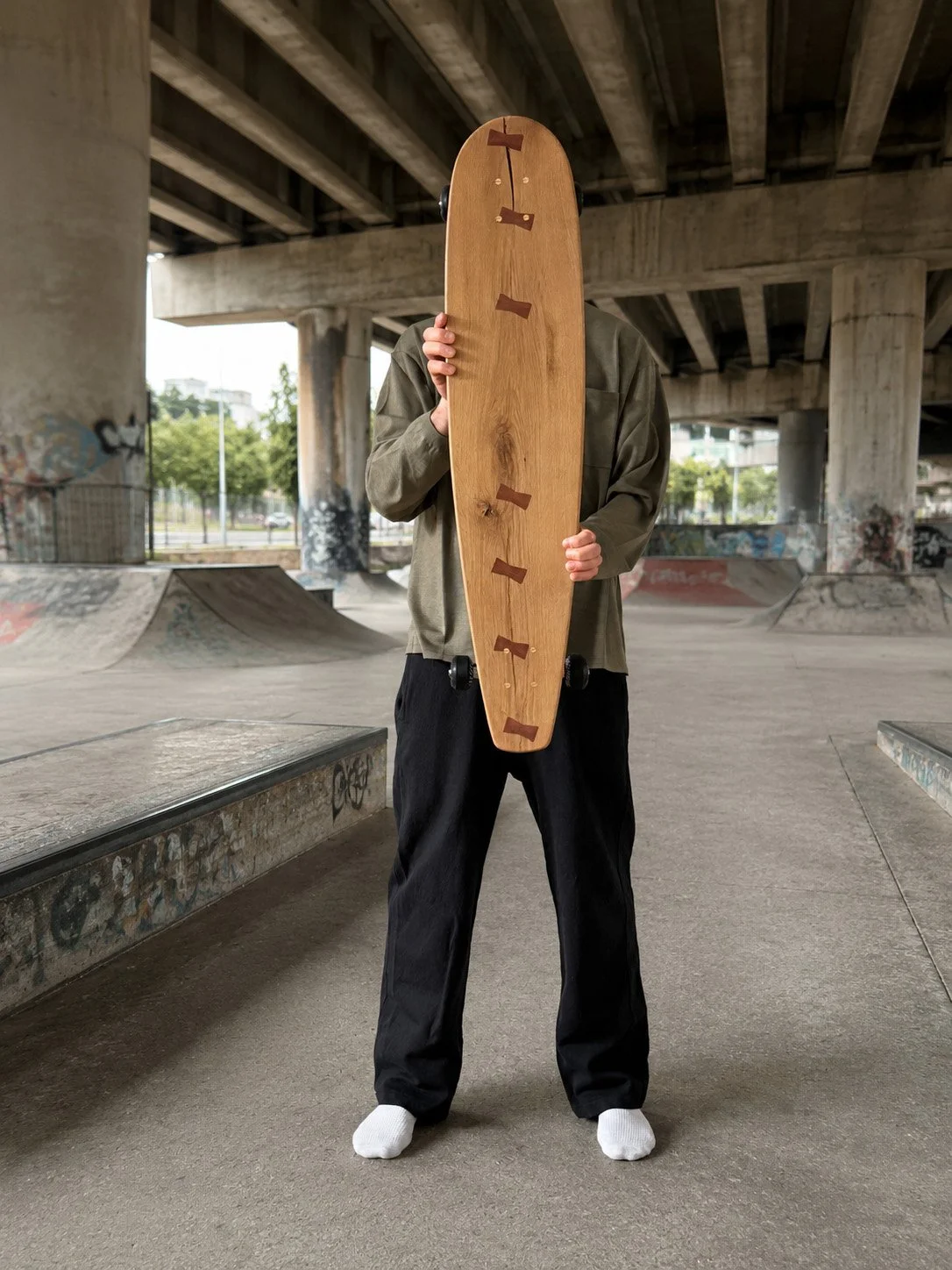
Continuum of Resilience began from the tension between rupture and flow. Skateboarding is built on trial, error, impact, and return; it also carries moments of speed, balance, and temporary stillness, when the body moves before the self has time to explain itself. These wall-hanging boards withdraw the skateboard from use and return it as a question.
Made from naturally cracked oak and repaired with sapele butterfly inlays, each piece keeps the fracture visible. The repair is not hidden or corrected away; it becomes the place where attention gathers. Like a skater getting back on the board, the piece does not erase rupture; it learns where to place weight. As a self-questioning device, the series asks what changes when damage is no longer treated as failure, but as a visible condition for continuity, presence, and a different way of seeing.
View project gallery →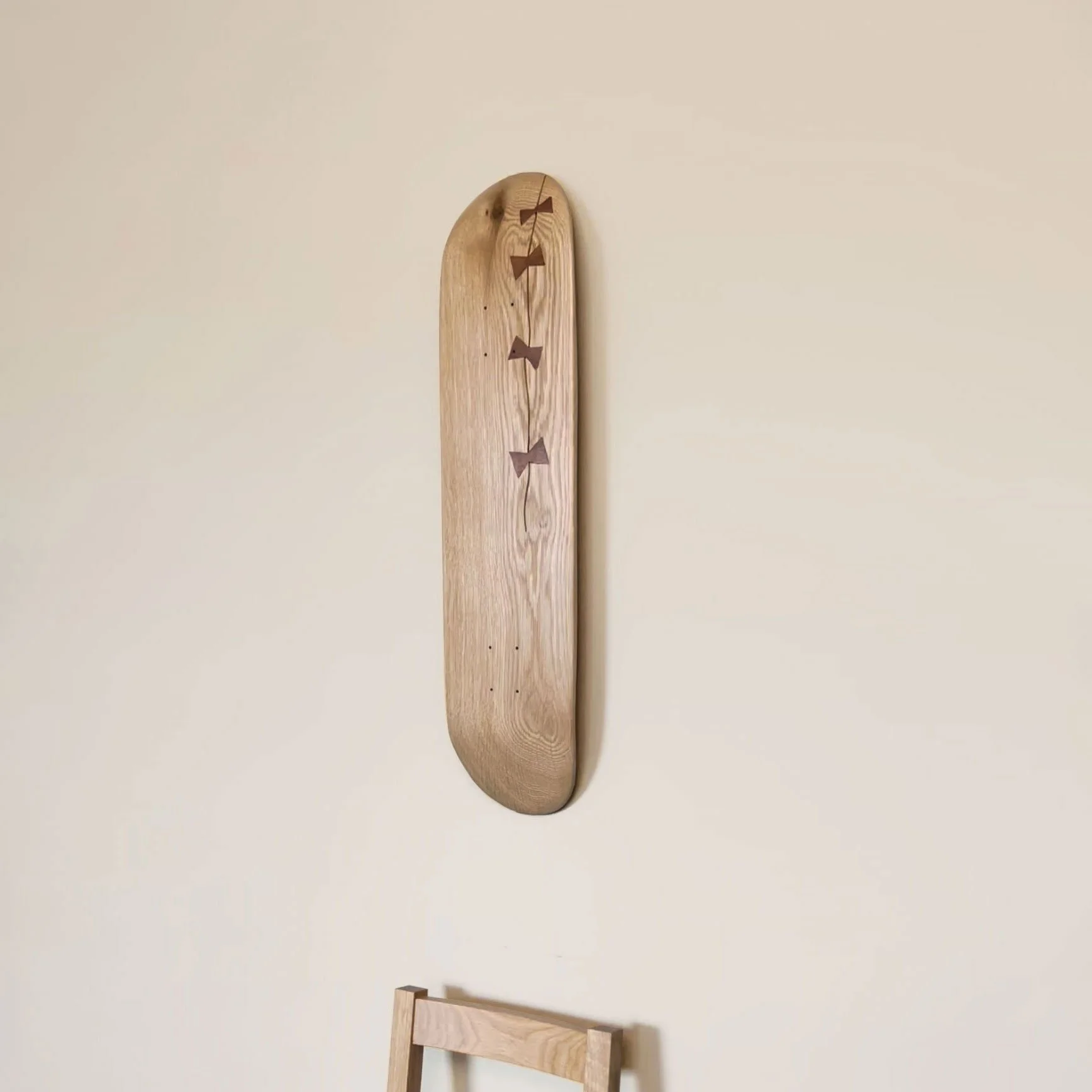
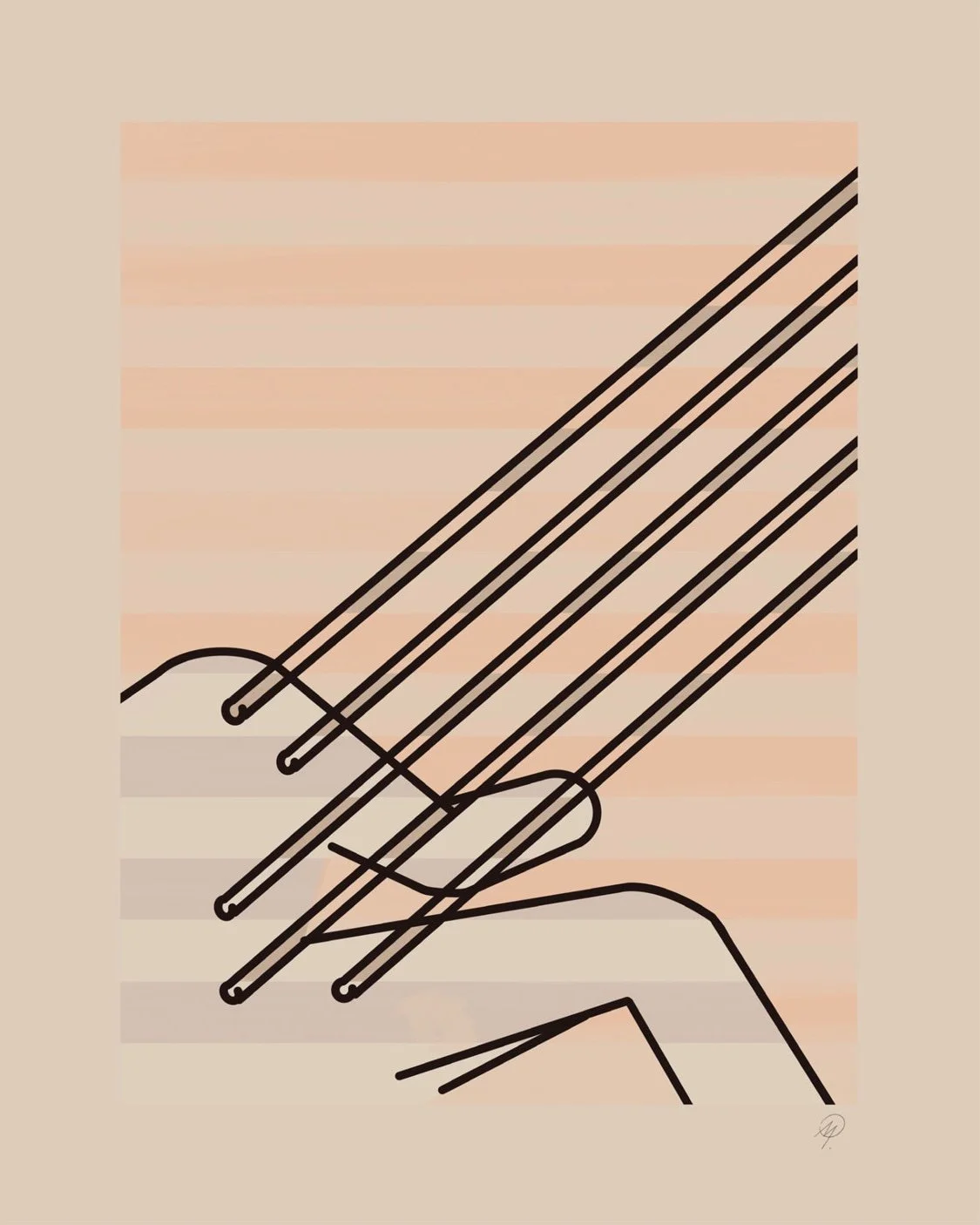
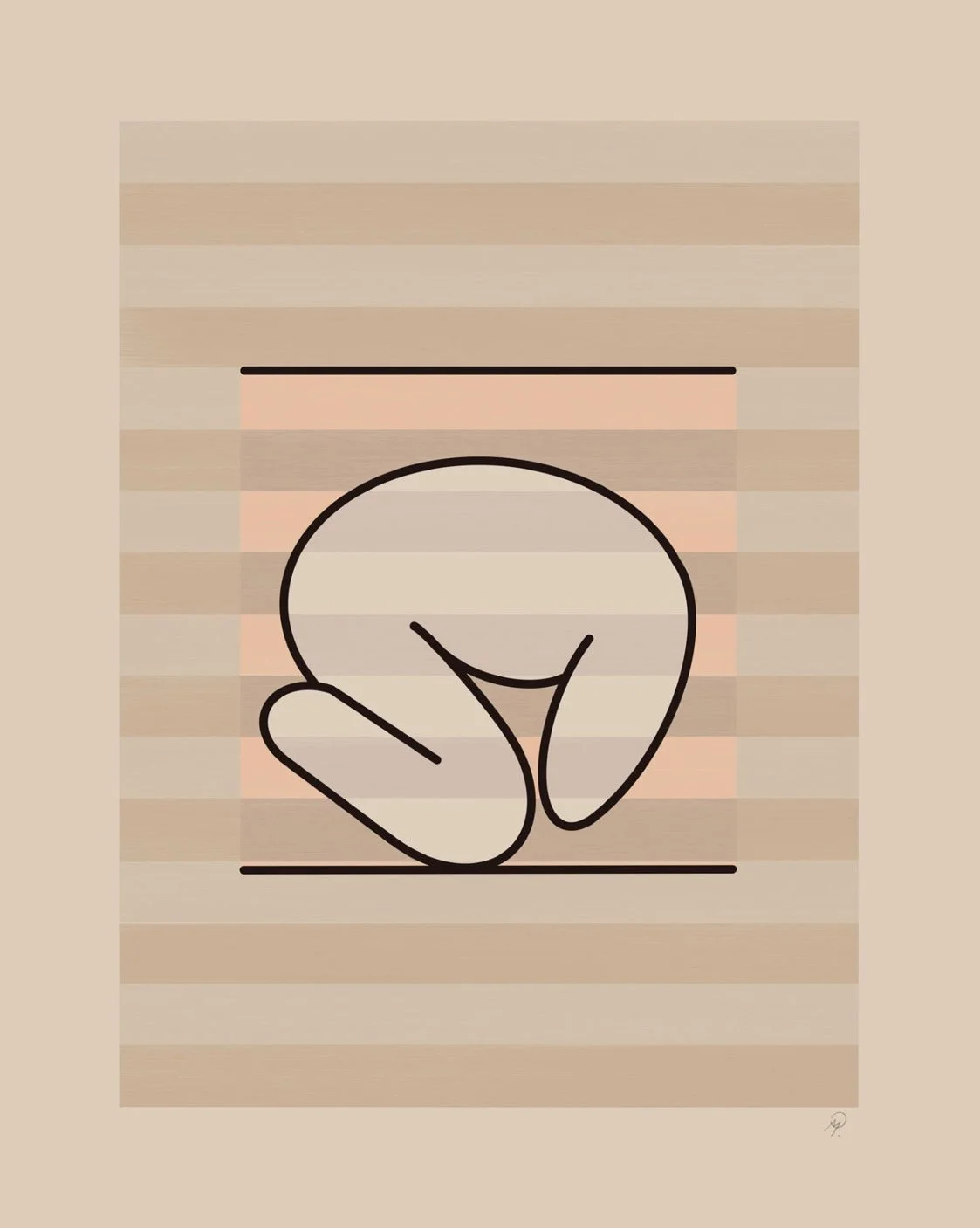
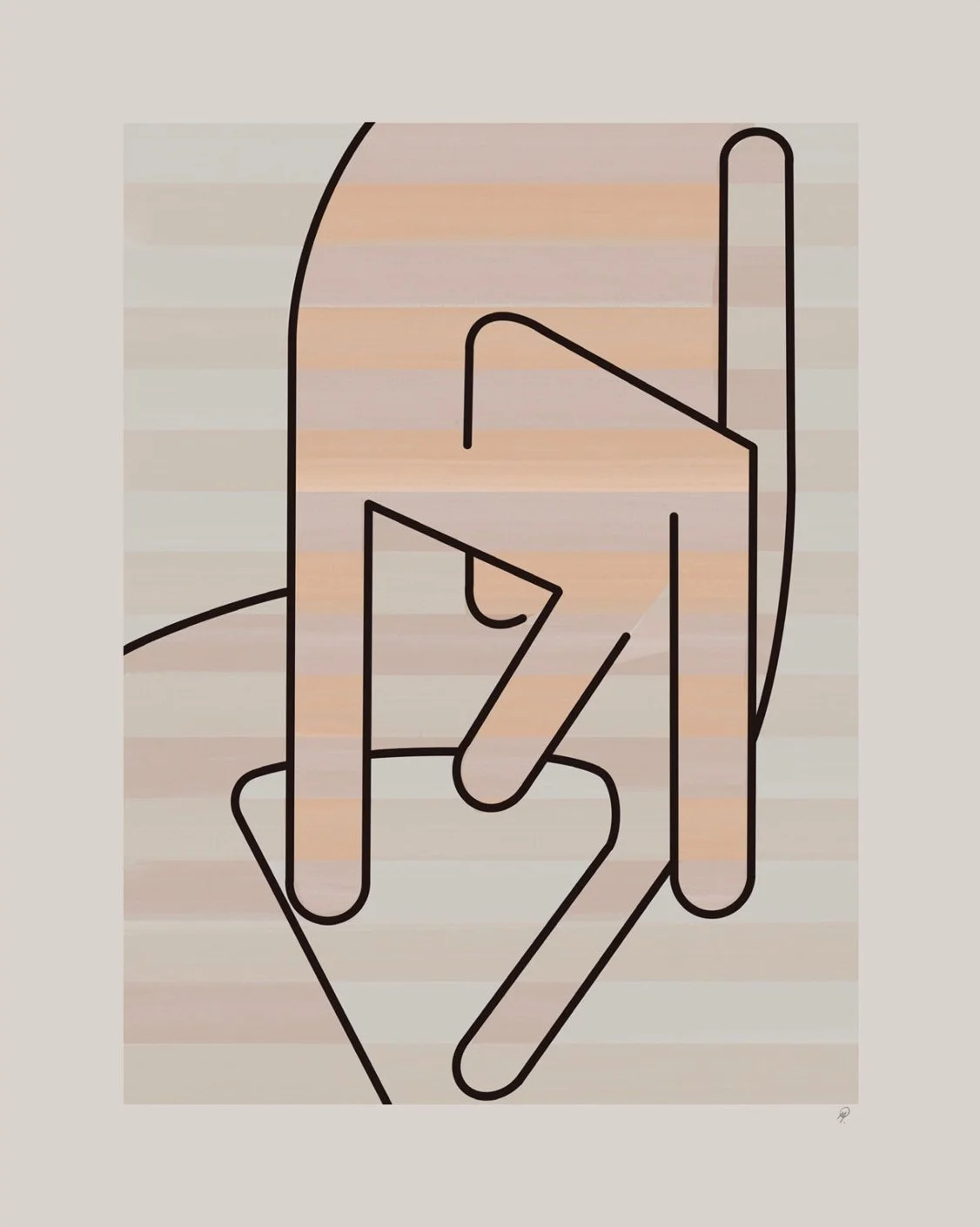
PERCEPTION STUDY › PAINTED IMAGE
Shadows of the Mind
2020-present
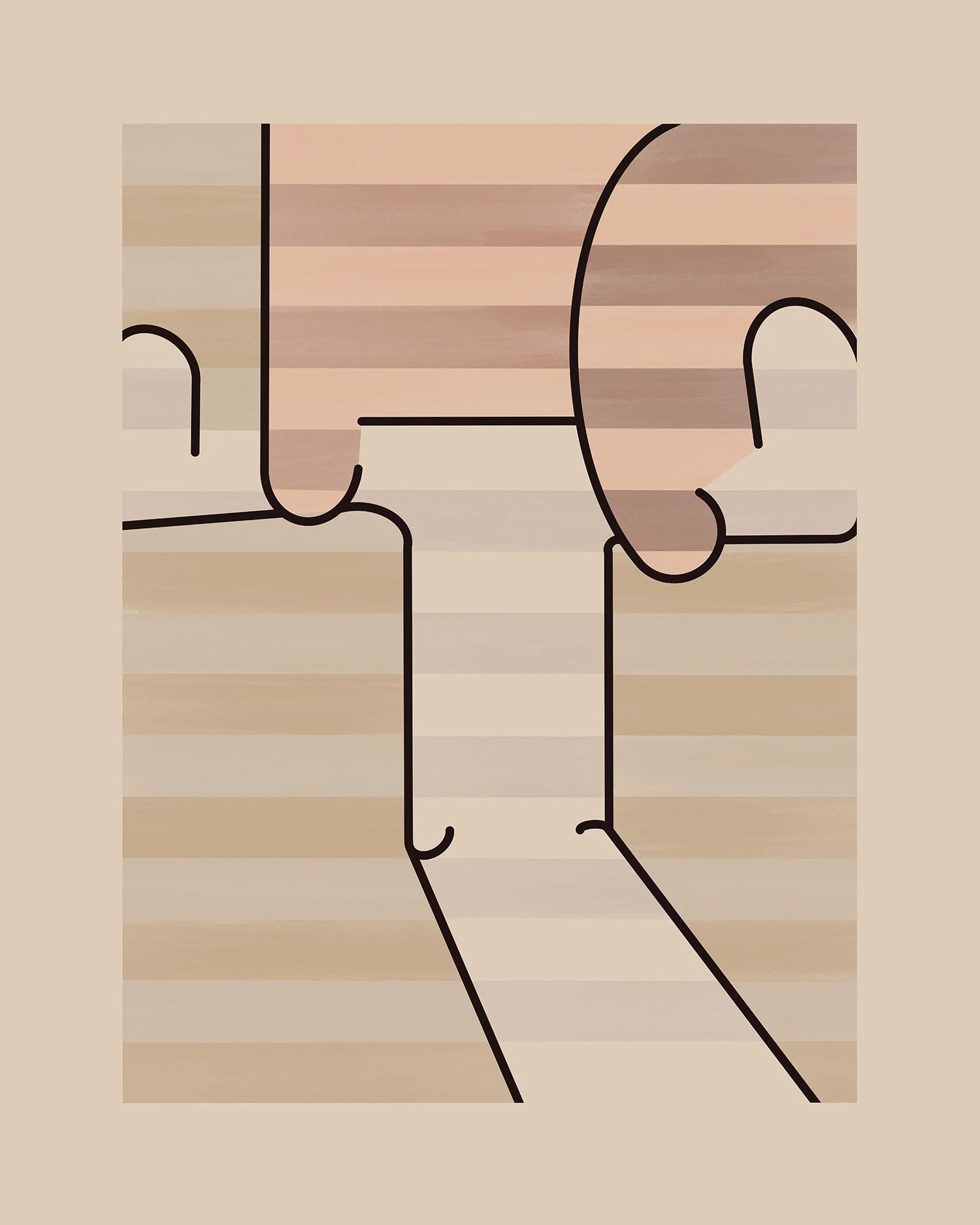
Shadows of the Mind emerged from an inquiry into how images hold the space between inner life and the world we look at together. Using a restrained palette, bleached wood tones, and brushed watercolor-like marks, the series softens the image into its environment rather than asking it to dominate the room.
The work treats seeing as a social mirror. What we look at is never only outside us; it also reflects what we are willing to notice, avoid, protect, or question. These images are not meant to explain a position, but to create a quieter space in which the viewer can become the watcher of their own thoughts.
See project gallery →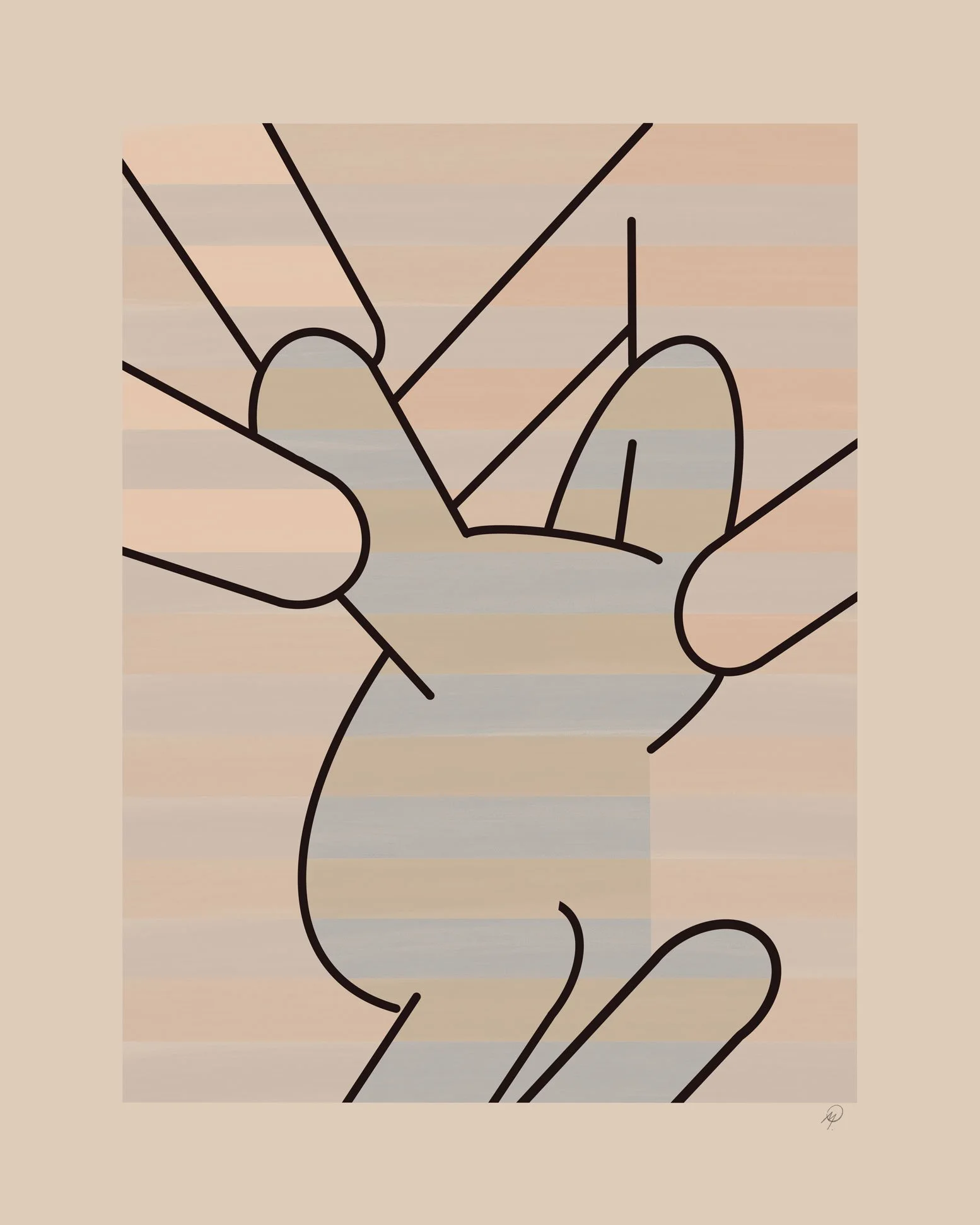
DESIGN FICTION › SPECULATIVE FIRE OBJECT
Razing Fire Matches
2020–present
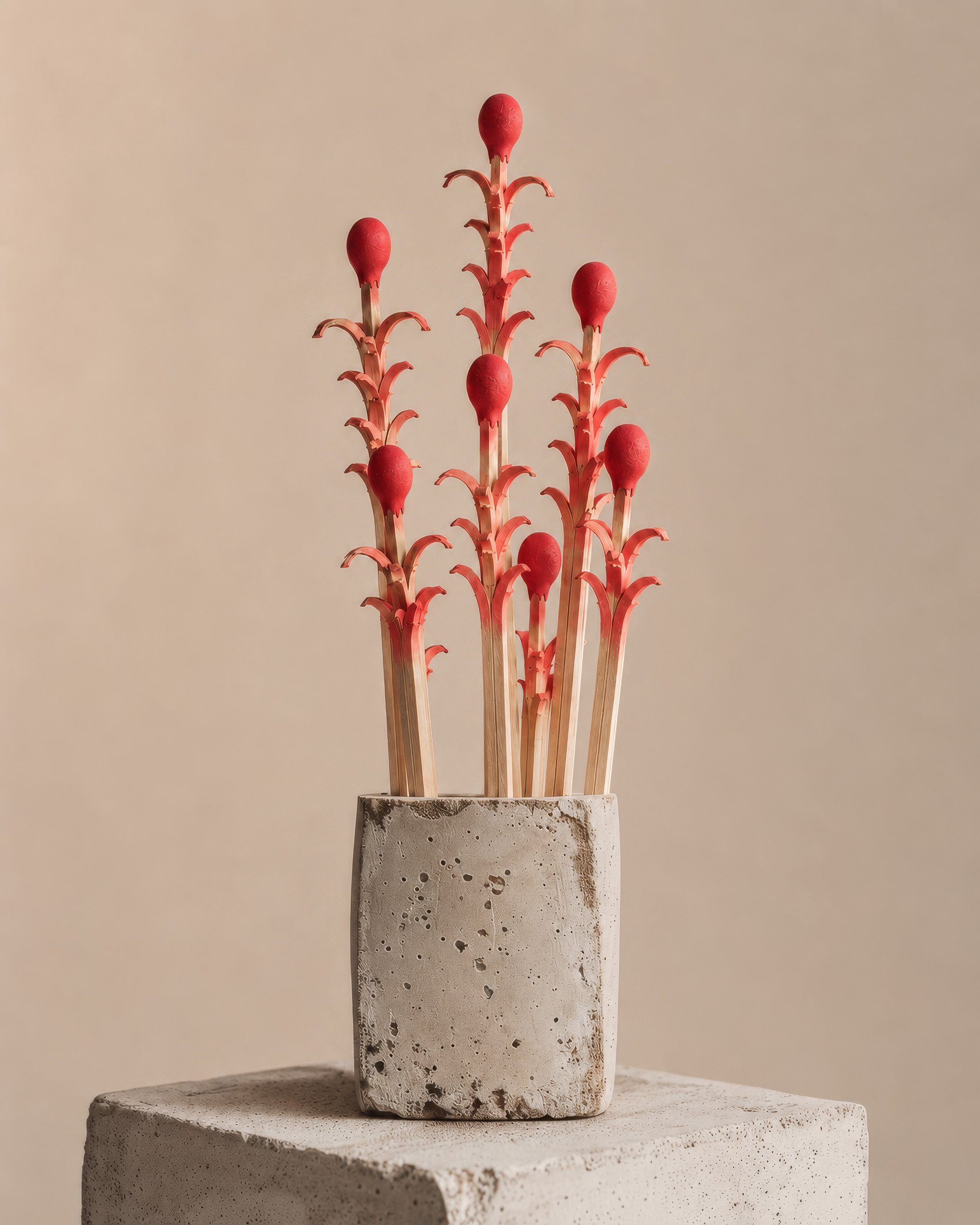
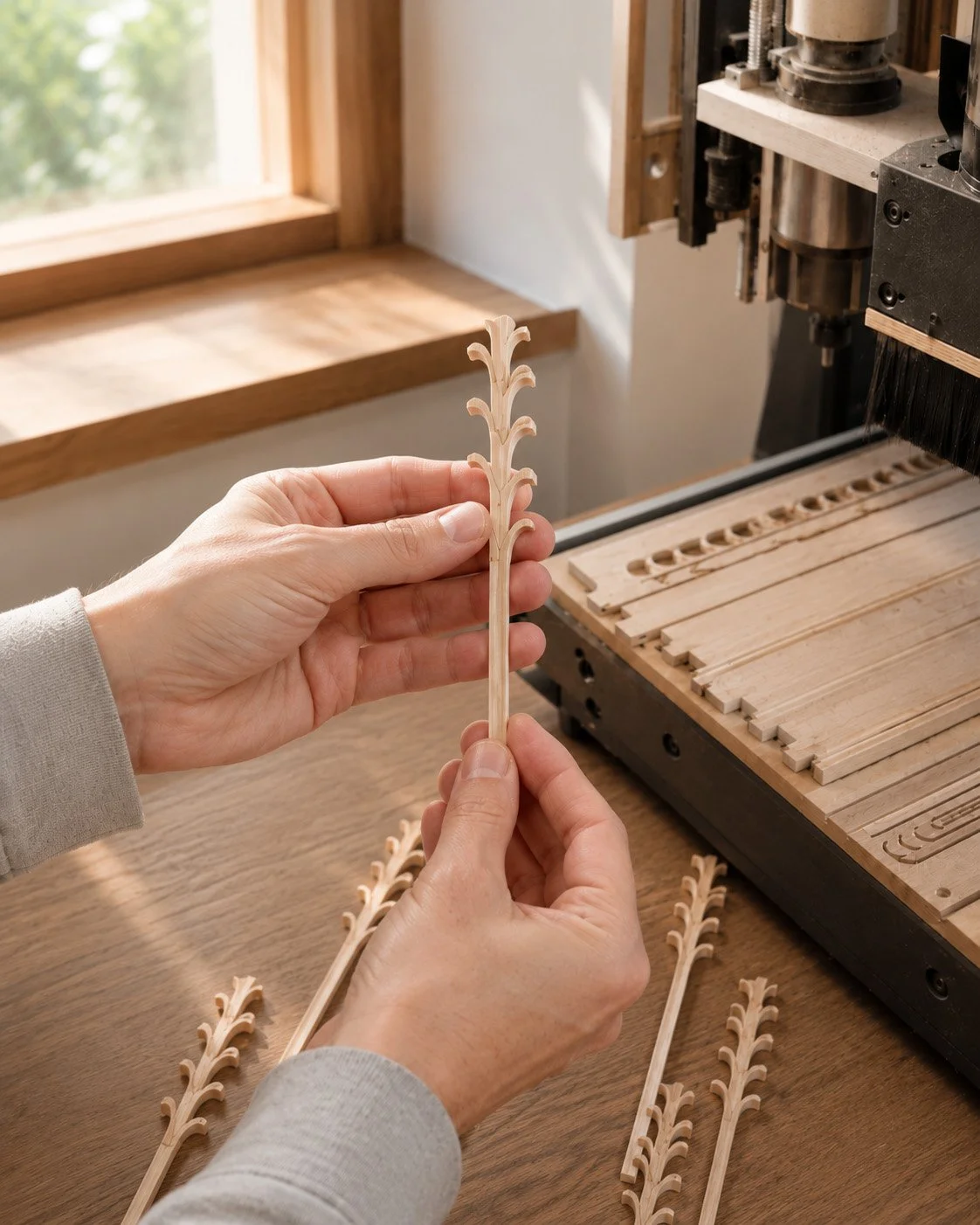
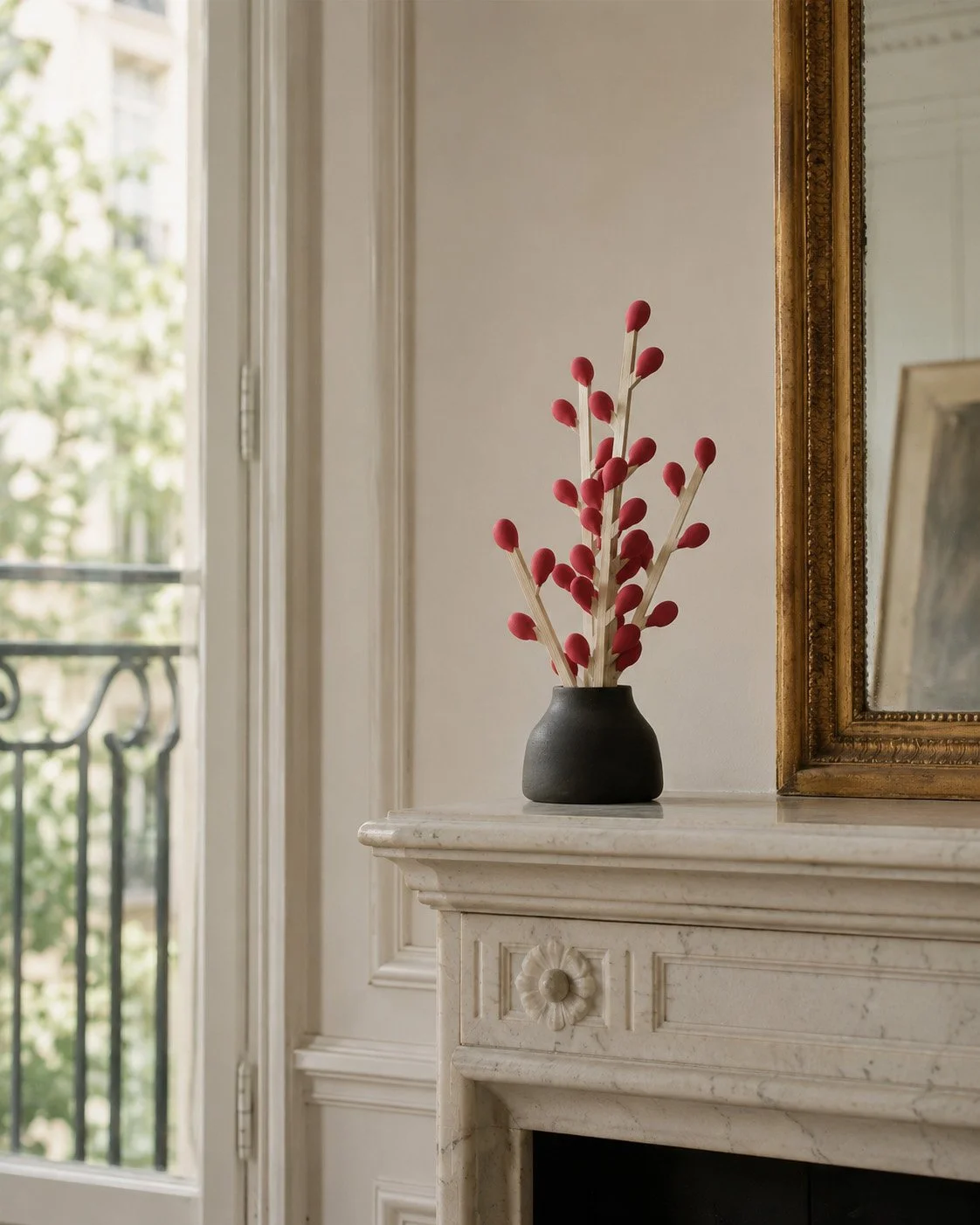
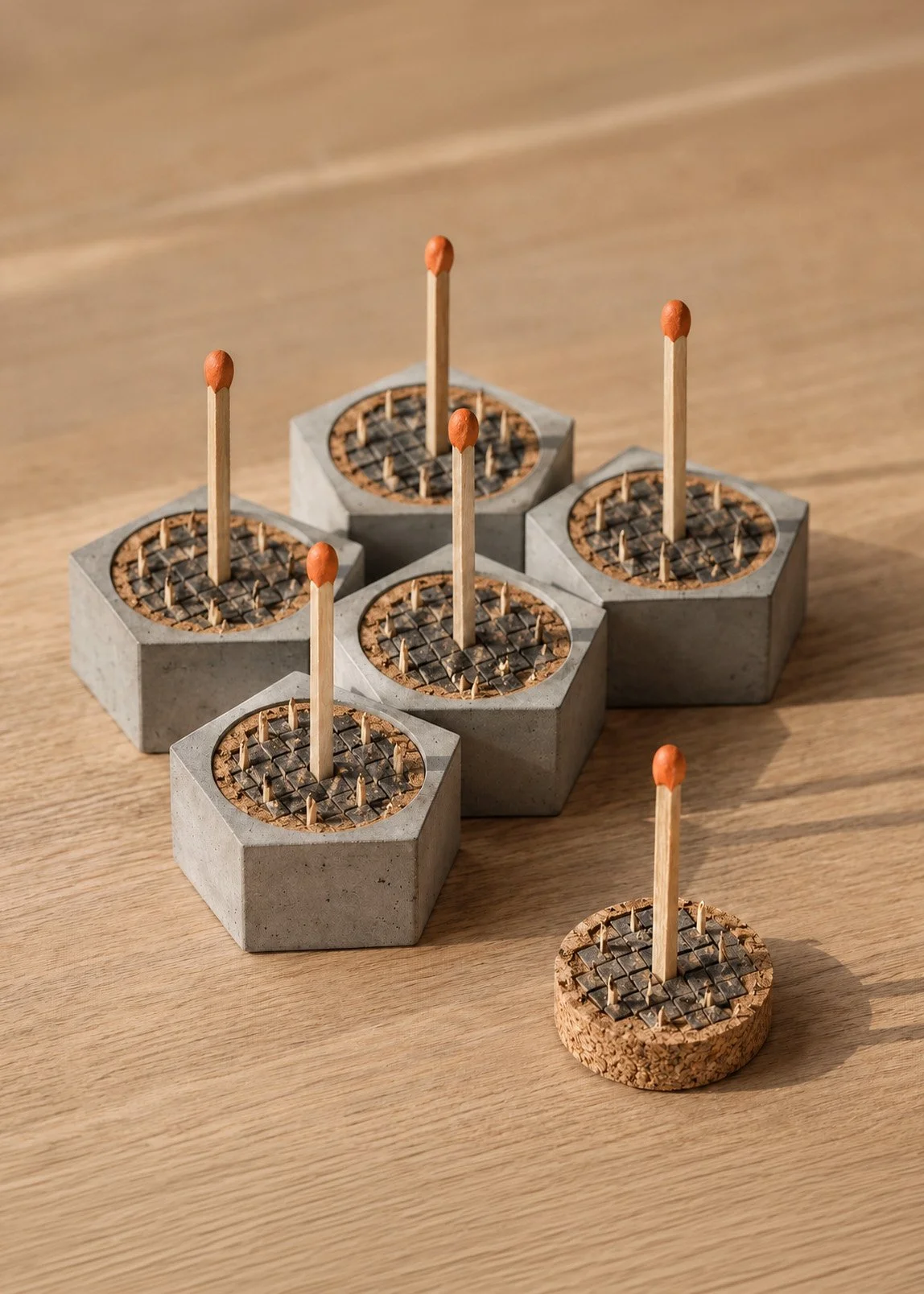
Razing Fire Matches is a series of speculative fire-match objects shaped after flowers, plants, and botanical forms associated with landscapes marked by deforestation.
Cherry blossoms, heliconia, red torch ginger, cantuta, and other floral references become small instruments of contradiction: matches that resemble what fire ends up erasing.
The project began during the stillness and disorientation of the Covid lockdown, as a way of asking what an object could hold when concern had not yet found a useful form.
The works remain largely unrealized as product. Their life is in sketches, renderings, and production attempts: a design fiction about beauty, ignition, and the forests we keep turning into symbols after they burn.
View project gallery →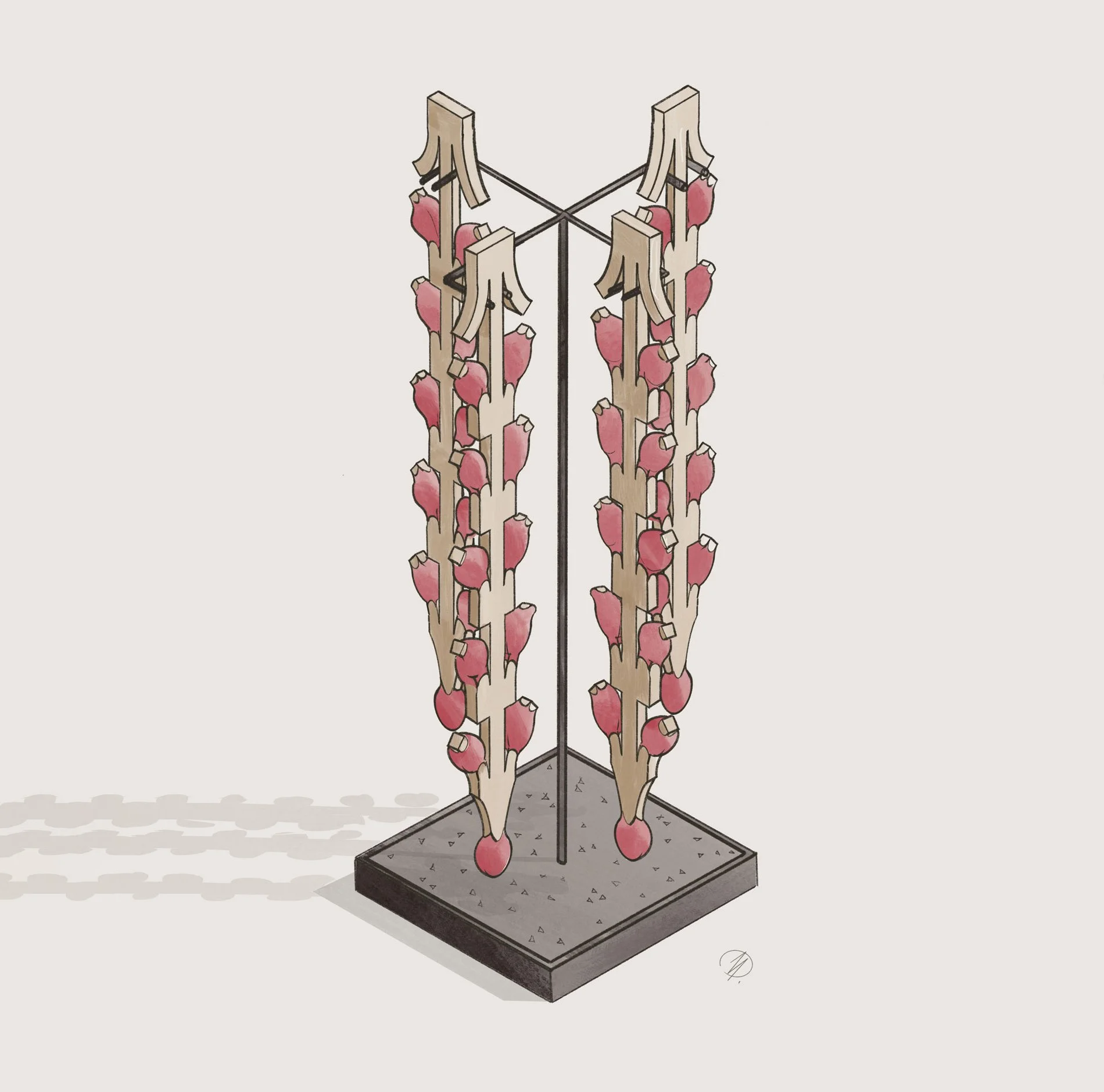
PROTOTYPE INQUIRY › FURNITURE-LANDSCAPE STUDY
Perceptual Terrain
2022–present
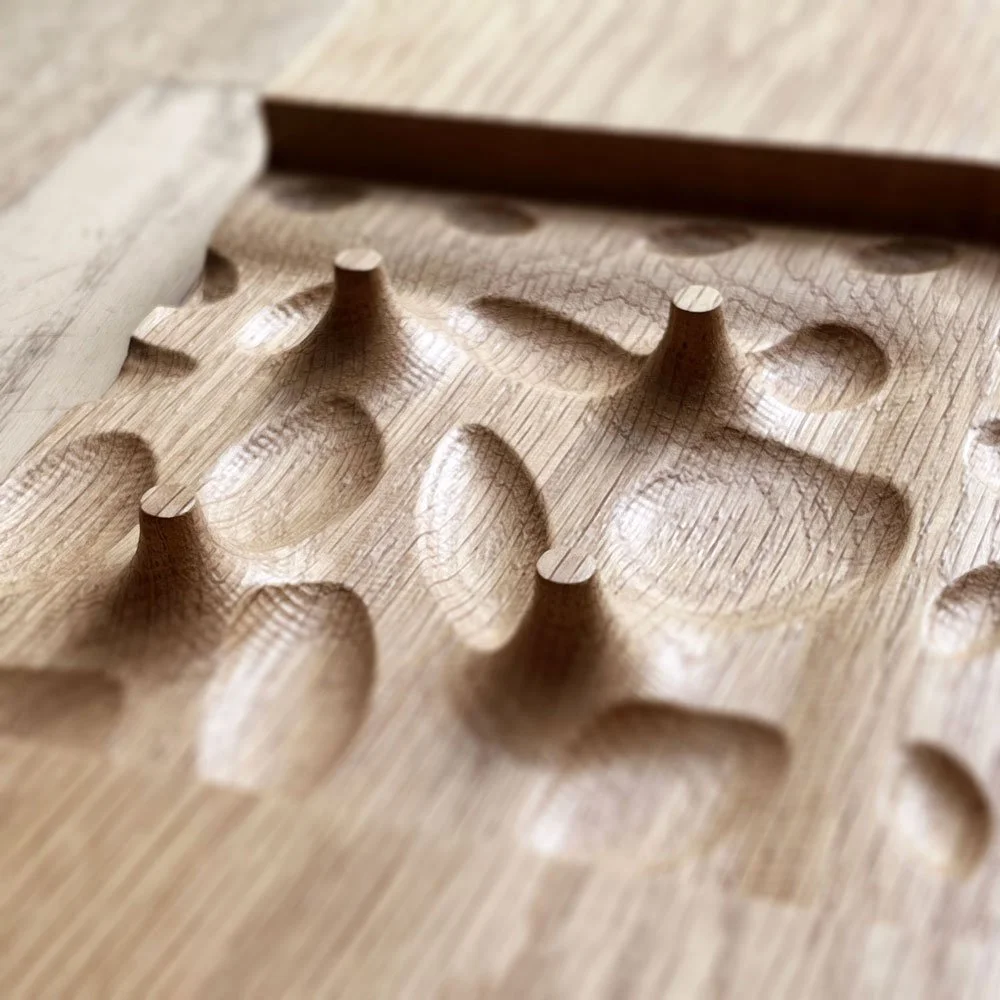
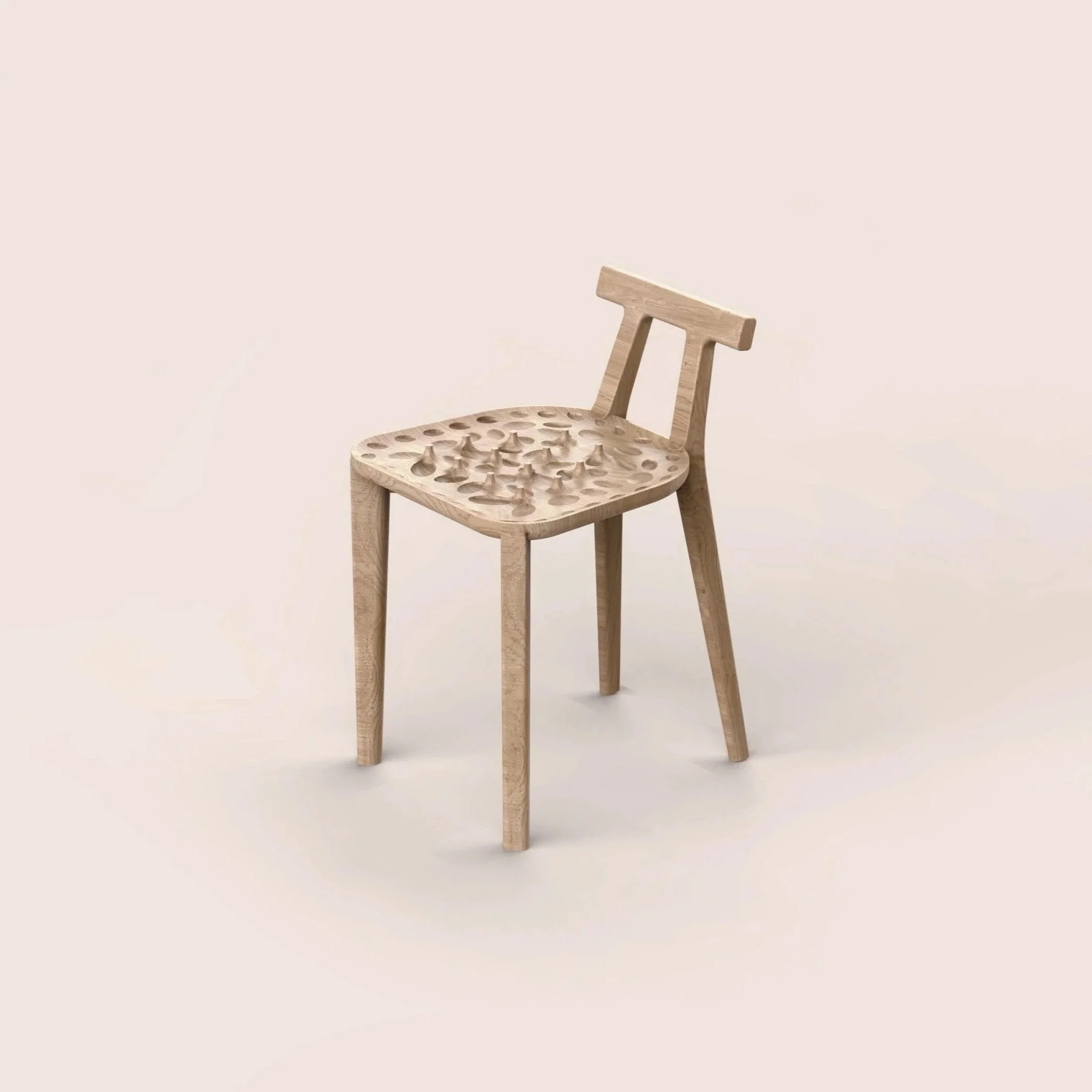
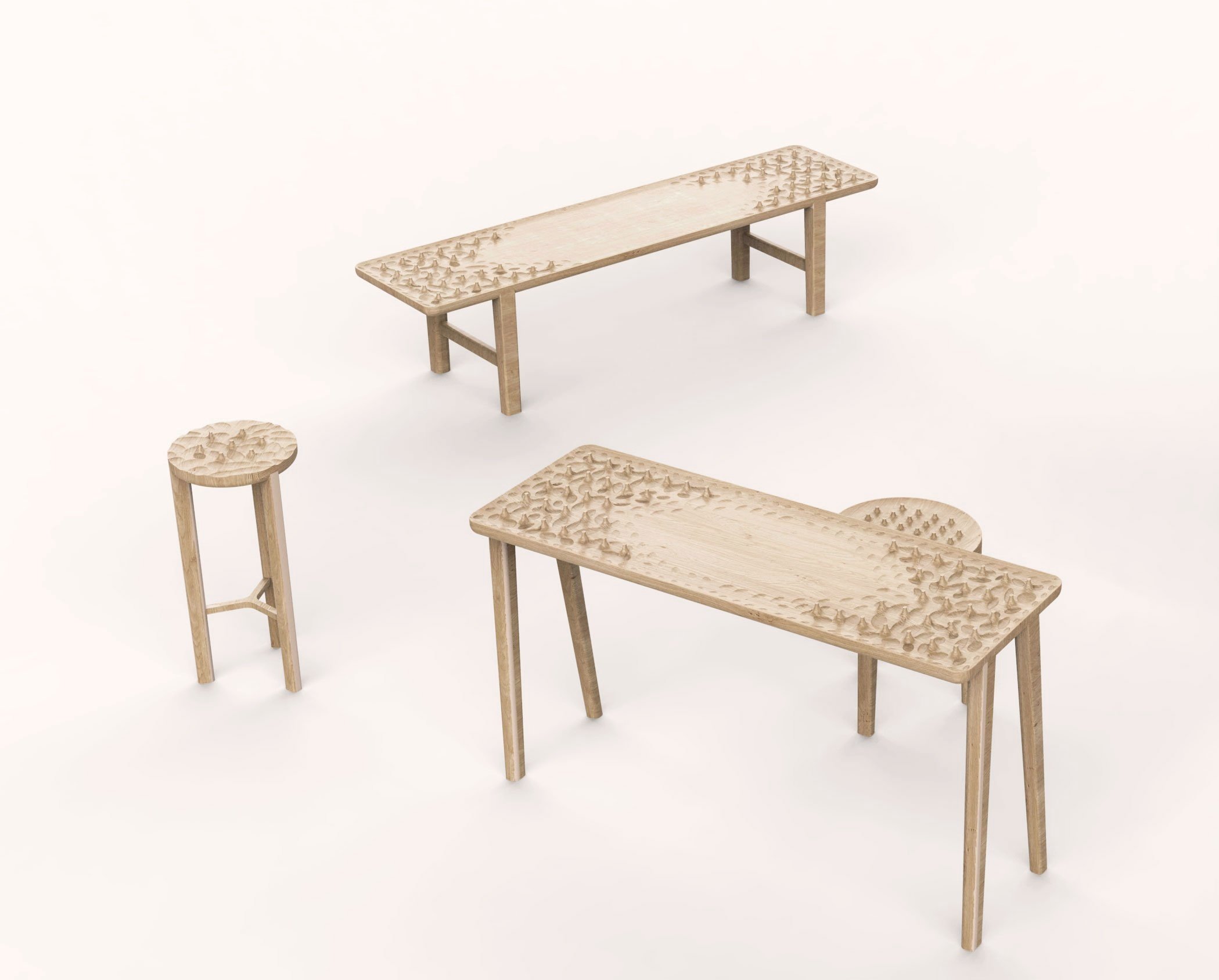
Perceptual Terrain is a proposed series of furniture-like forms developed through sketches, drawings, and renderings. The work began from a simple perceptual tension: an object that appears to be furniture, but whose surface behaves more like a small landscape: uneven, resistant, and difficult to use at first glance.
By placing abstract terrain where comfort or function is expected, the series turns furniture into a frame for looking. A seat, table, or stool becomes less a useful object than a question about usefulness itself: what do we call functional, and how quickly does judgment arrive when comfort is interrupted?
As a self-questioning device, Perceptual Terrain remains a study in expectation, surface, and projected purpose. It asks the viewer to pause at the edge between object and landscape, utility and image, design proposal and perceptual test.
View project gallery →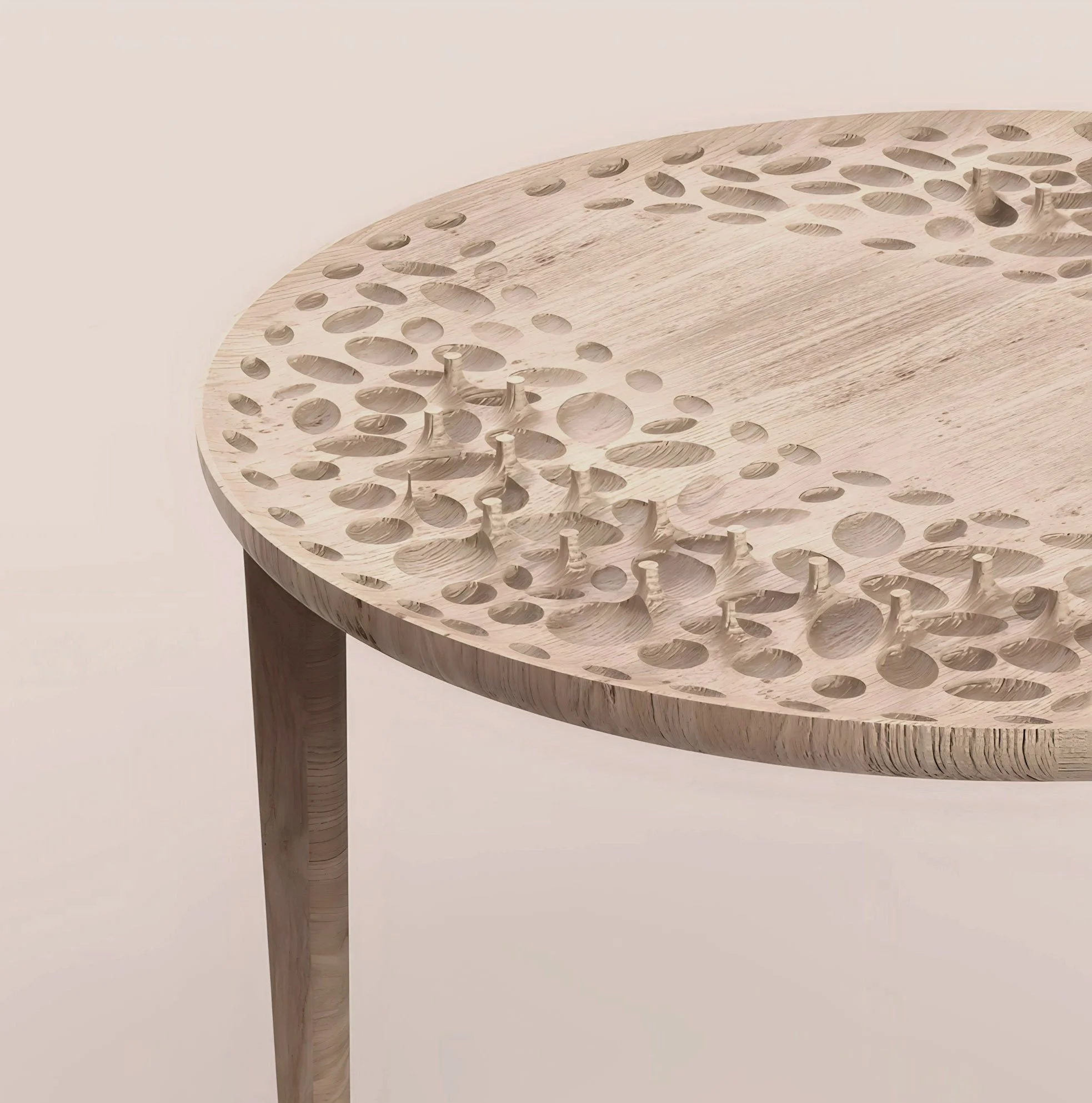
PROTOTYPE INQUIRY › MATERIAL CONTRADICTION

Blueprints of Hypothesis
2022–present
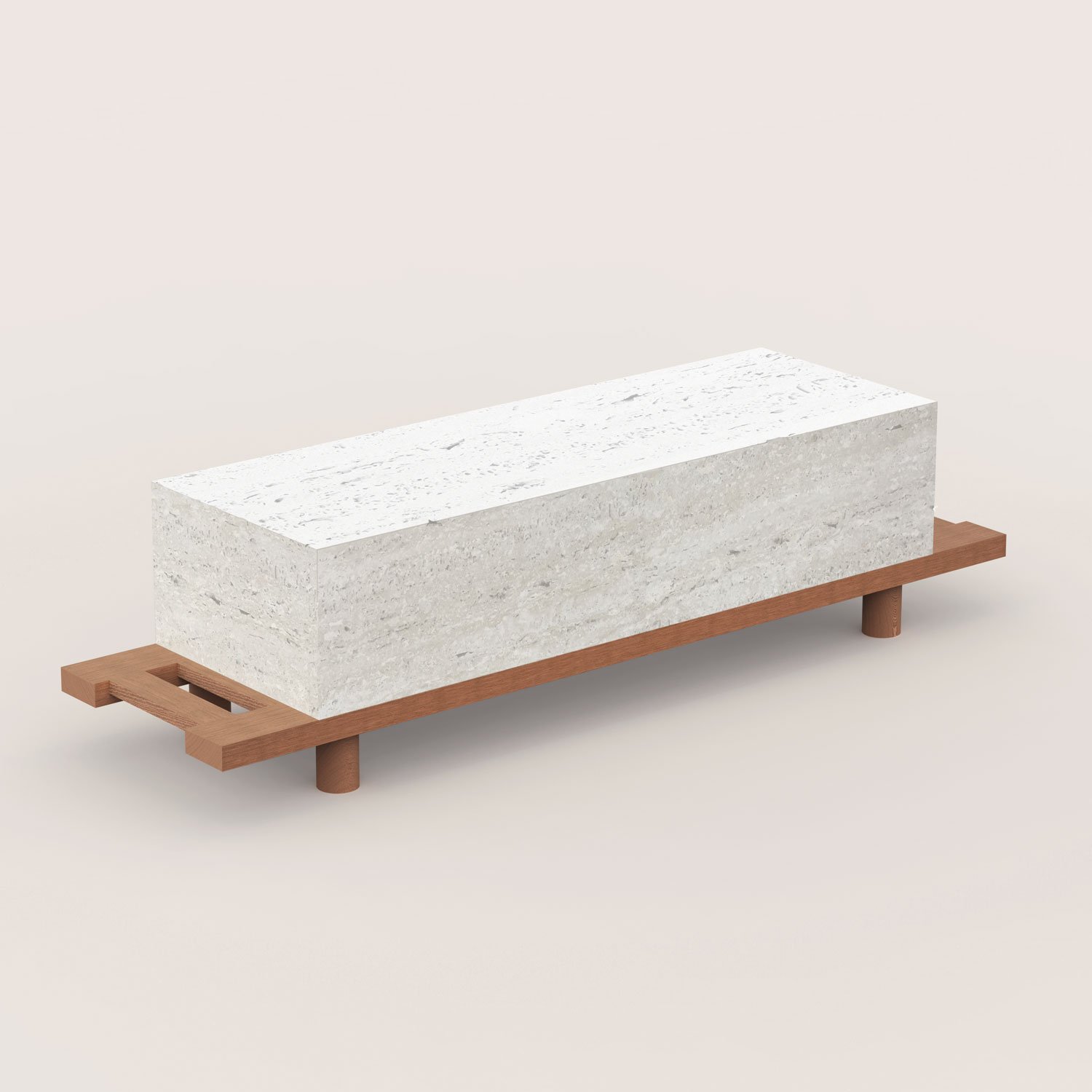
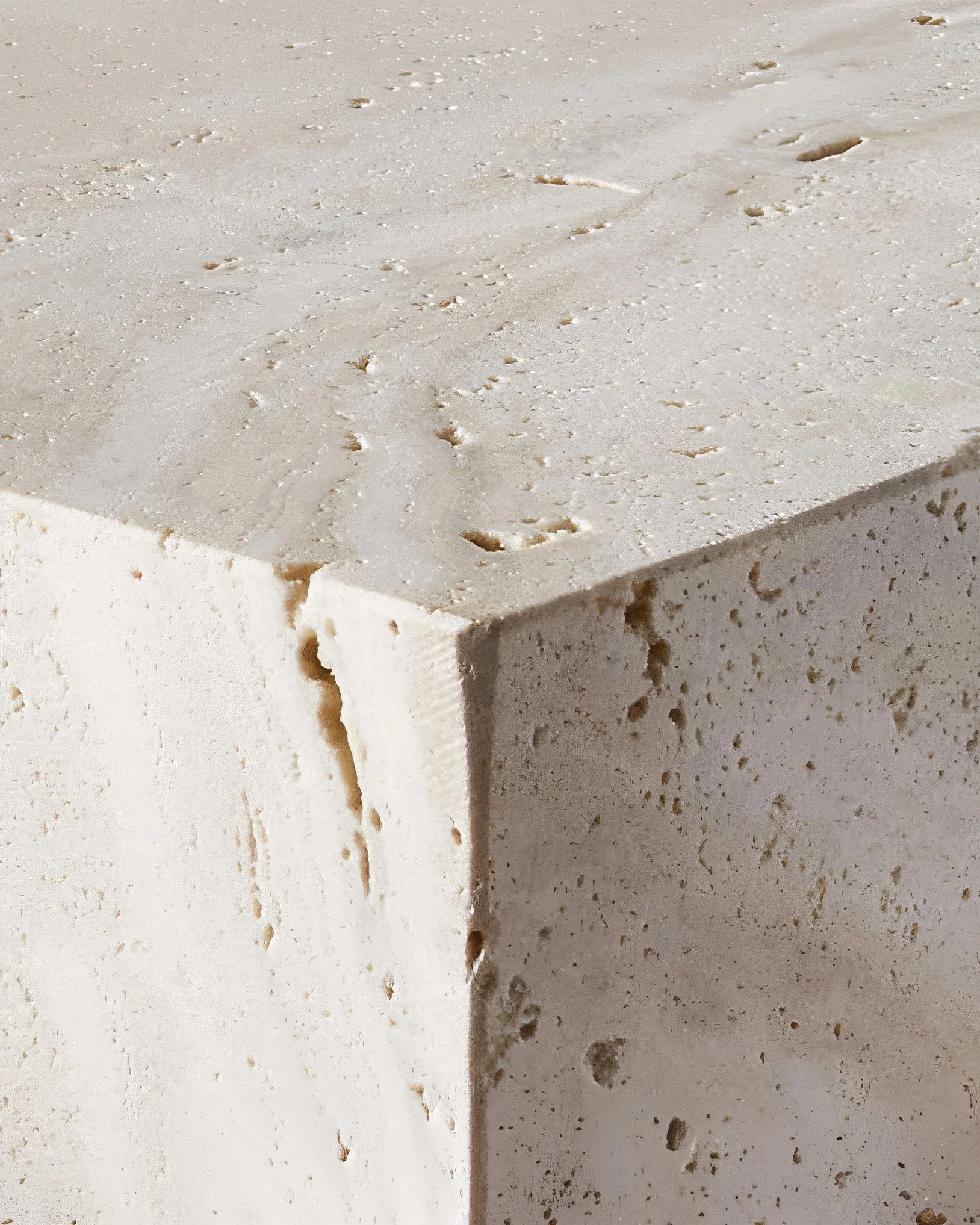
Blueprints of Hypothesis is a proposed series of furniture-like forms developed through drawings, renderings, and production studies. Travertine and teak appear as opposing conditions: mineral and frame, weight and support, rough edge and built structure. What looks heavy is partly hollow; what appears separate is held in relation.
The series uses this material contrast as a perceptual test. A block of stone seems to rest on a lighter structure, yet the apparent burden is not what it first seems. As a self-questioning device, Blueprints of Hypothesis asks what the mind projects onto matter: weight, permanence, separation, fragility, support, and the possibility that what appears divided may still be participating in one form.
View project gallery →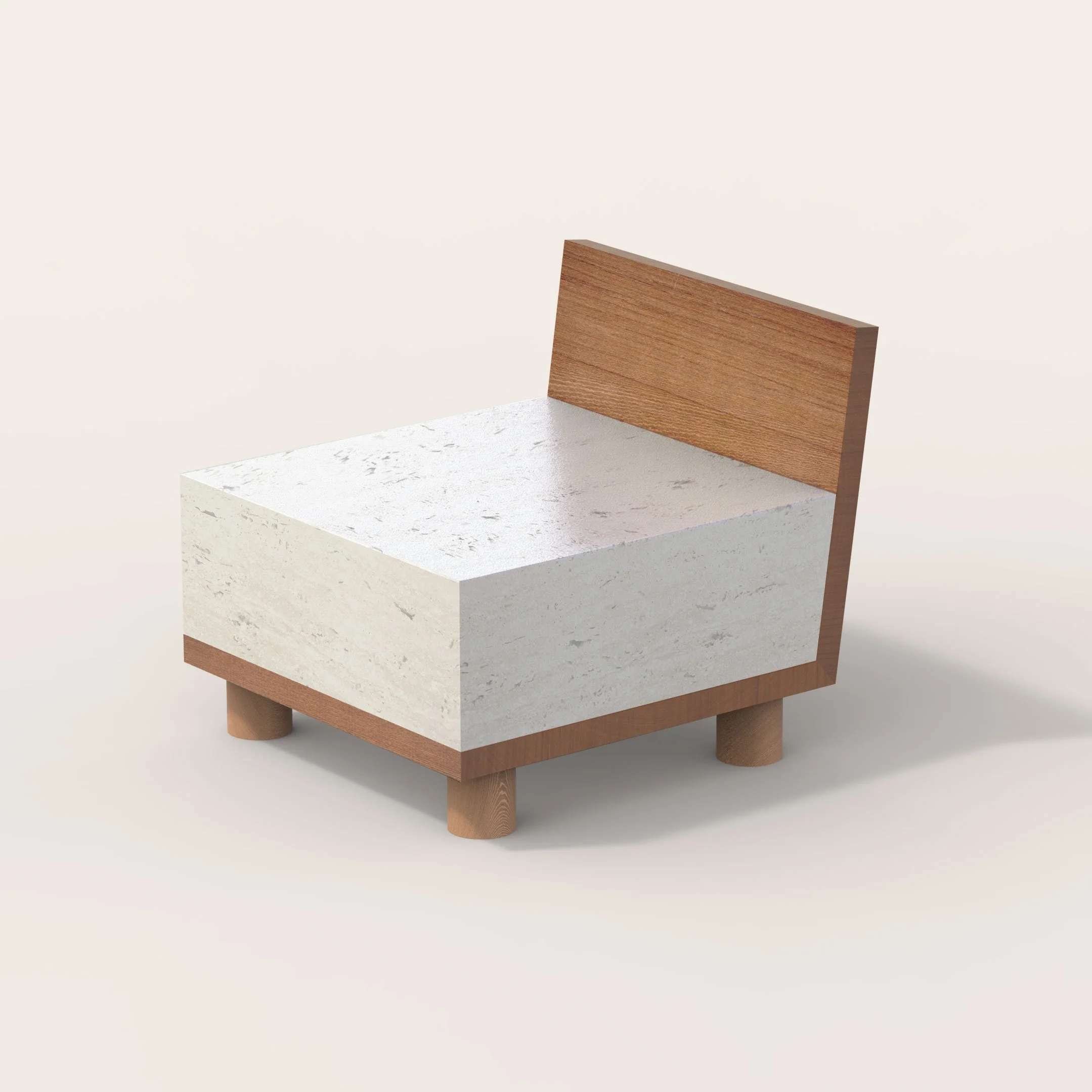

EARLIER WORK
Mirages of Fragmentation
2008-2014
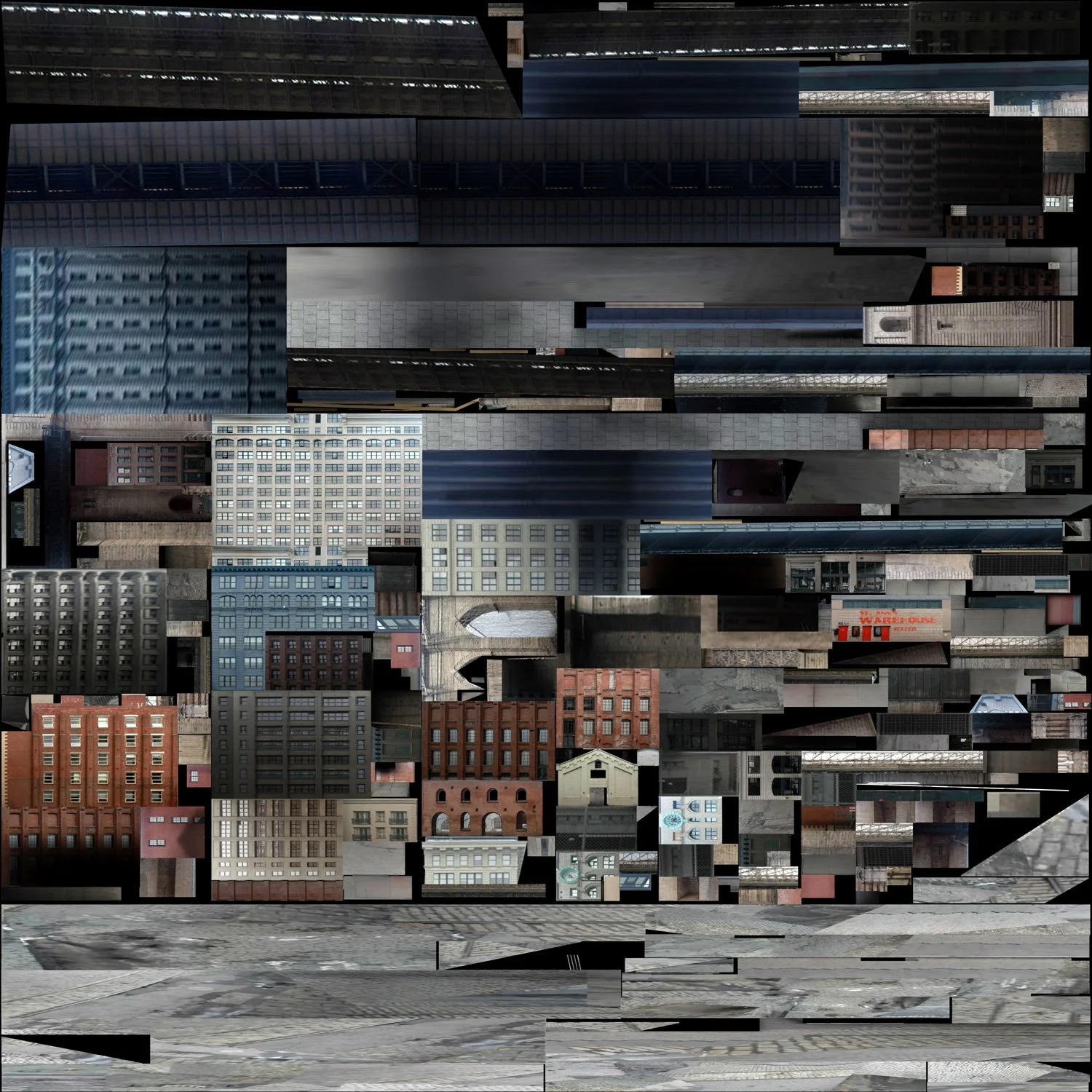
Mirages of Fragmentation rebuilds urban scenes through fragmentation, testing how quickly the mind turns pieces into a world. Made from hundreds of stills, each work rearranges color, texture, and structure until the city becomes both familiar and unstable.
The result is less a statement than a perceptual study: an invitation to notice how separation is produced by framing, and how quickly coherence returns when the fragments are allowed to reorganize.
See full series →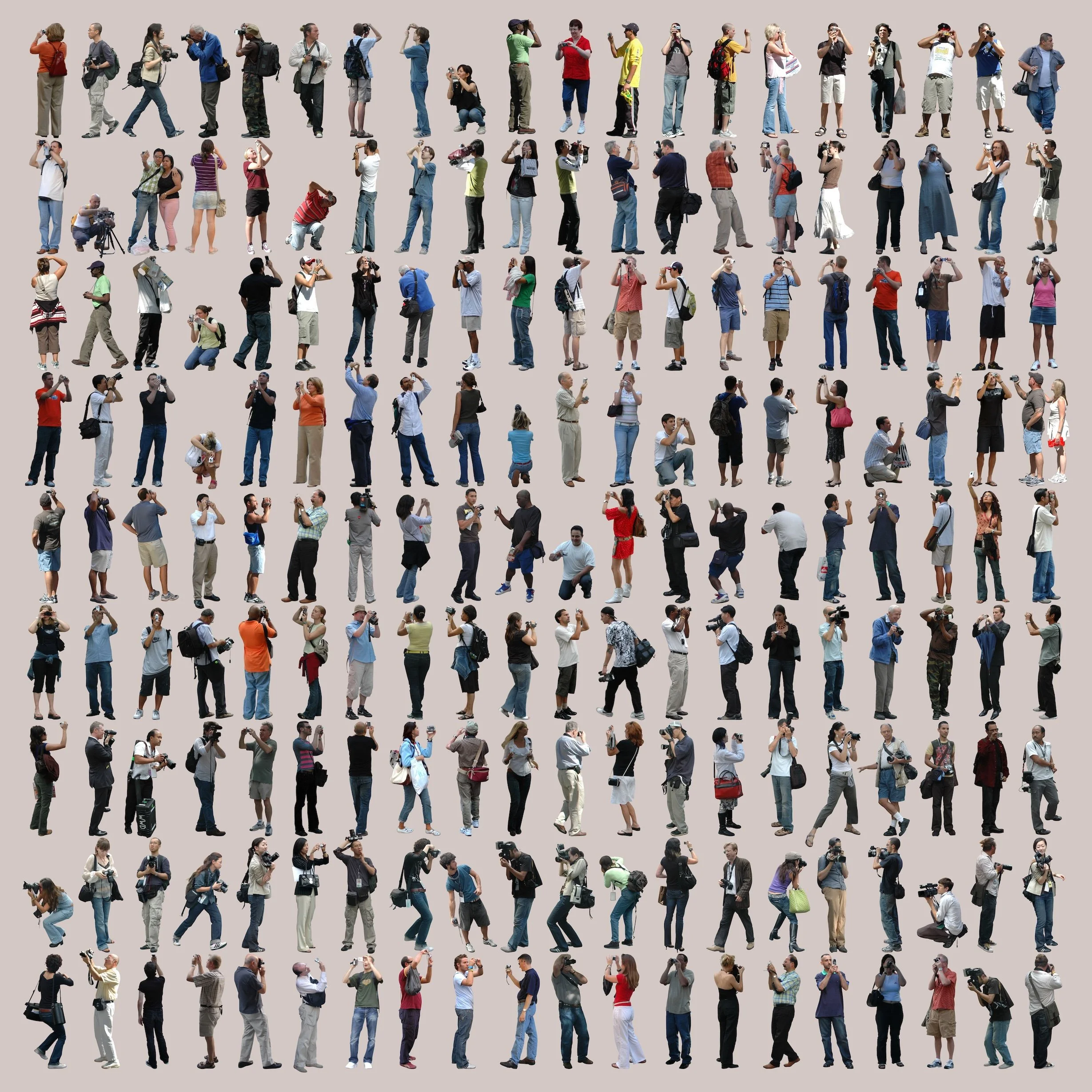
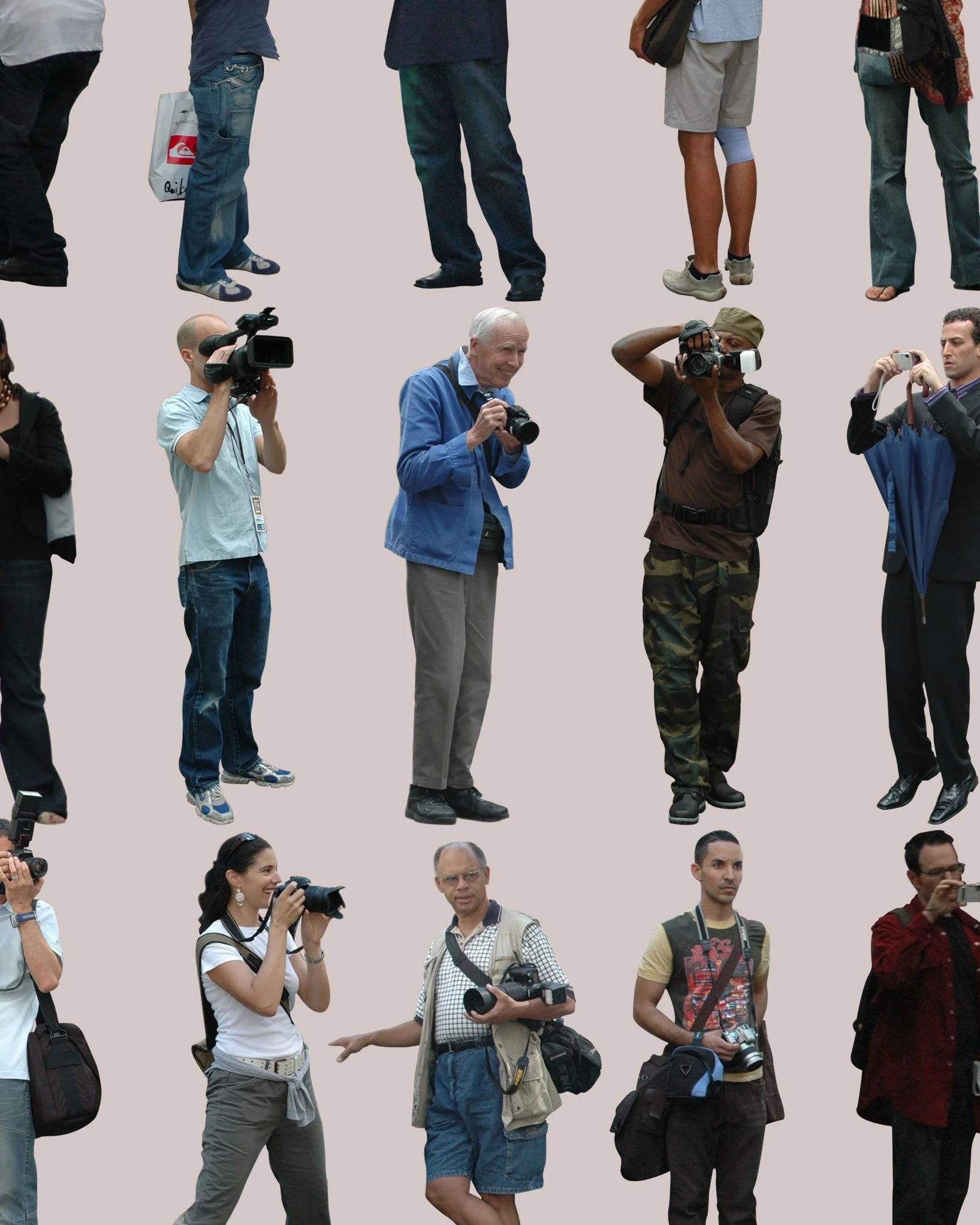
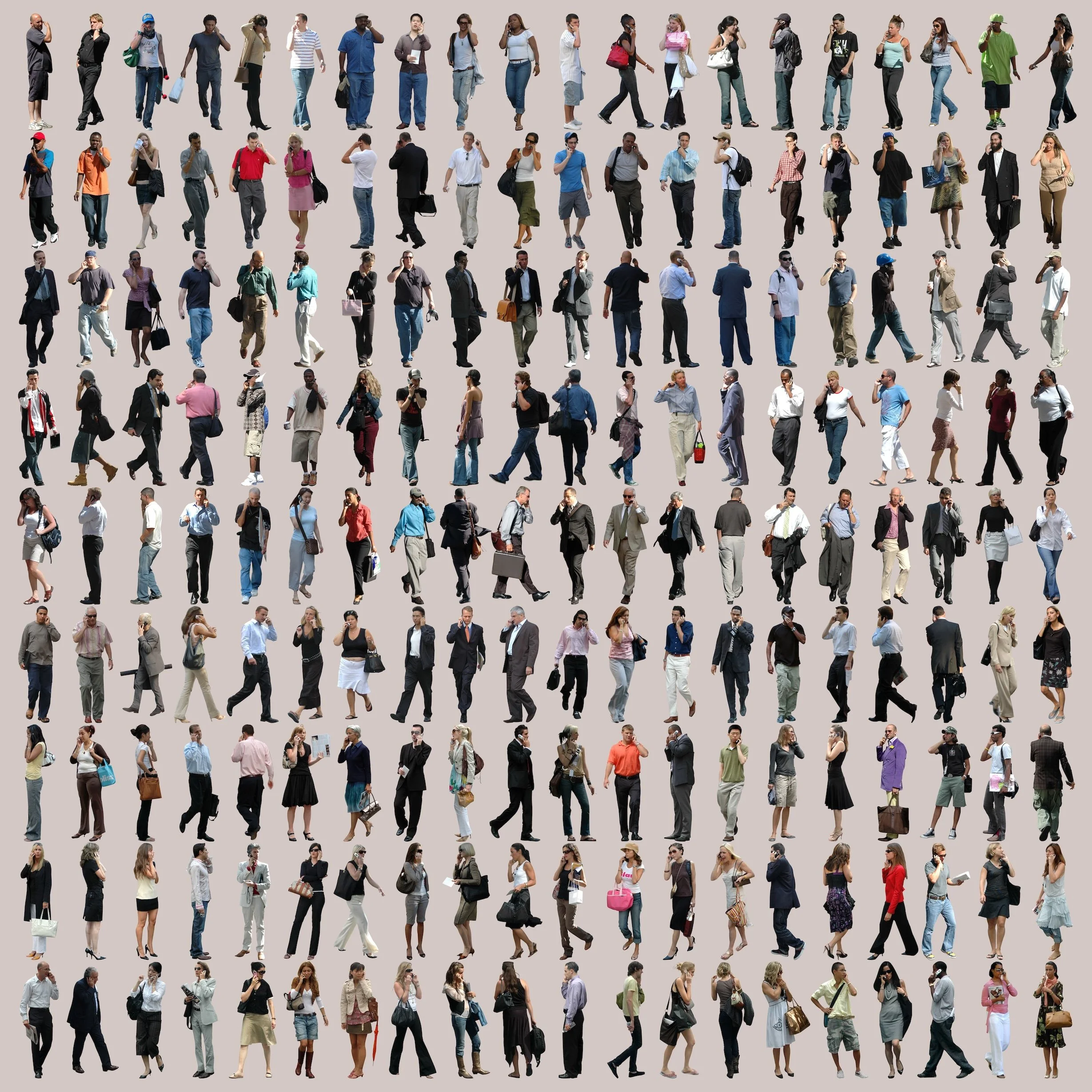
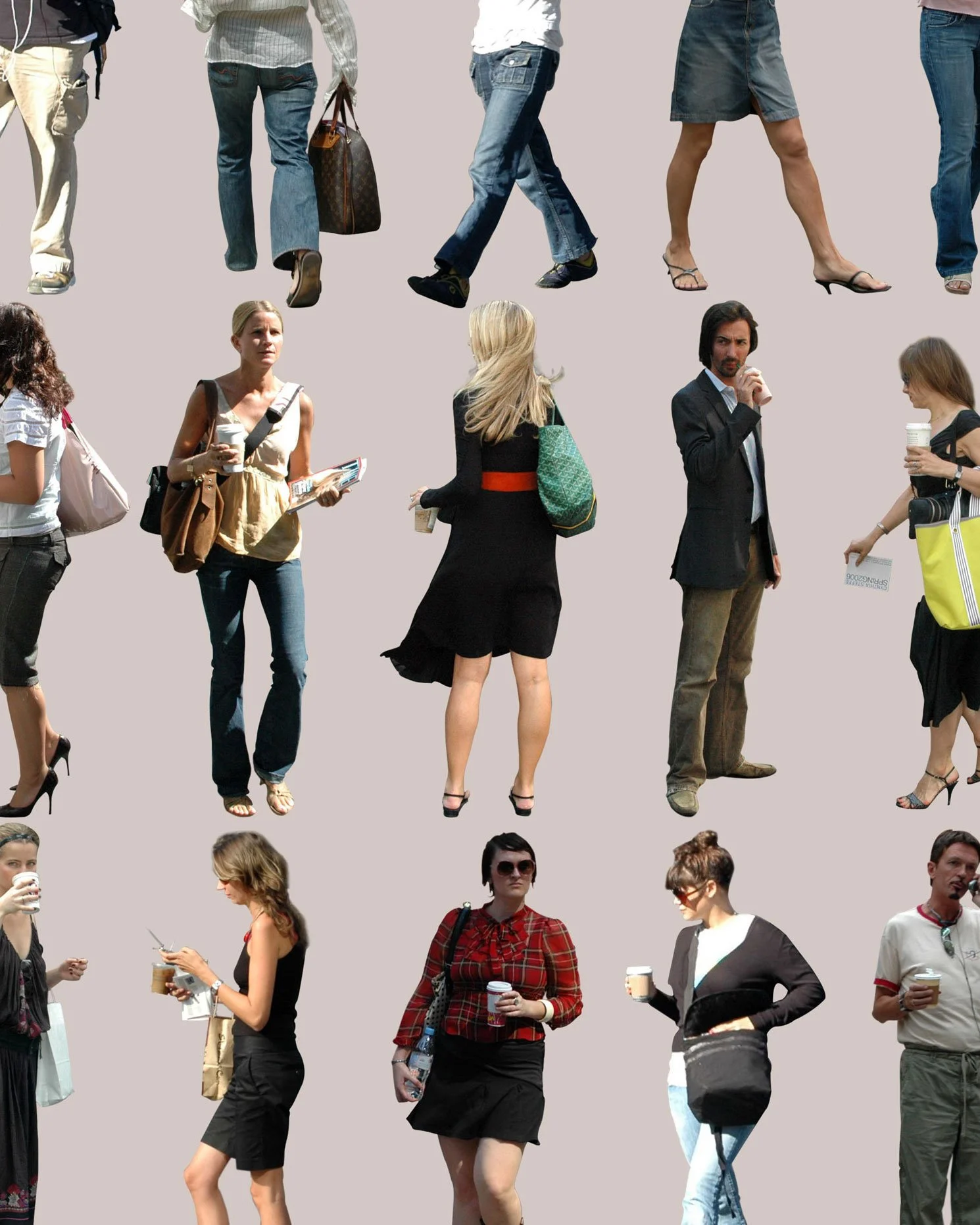
Unity in Fragments
2005-2021
Unity in Fragments is a photo-collage series that studies what “separation” looks like inside a crowded city. Immersed in New York’s movement, each collage layers hundreds of moments until patterns begin to echo: gestures rhyming across strangers, repetitions appearing in plain sight, fragments briefly suggesting a shared field.
The series does not ask the viewer to accept a metaphysical conclusion. It simply creates a condition for looking again: where does connection appear when the frame becomes crowded enough, and what changes when difference begins to repeat?
See full series →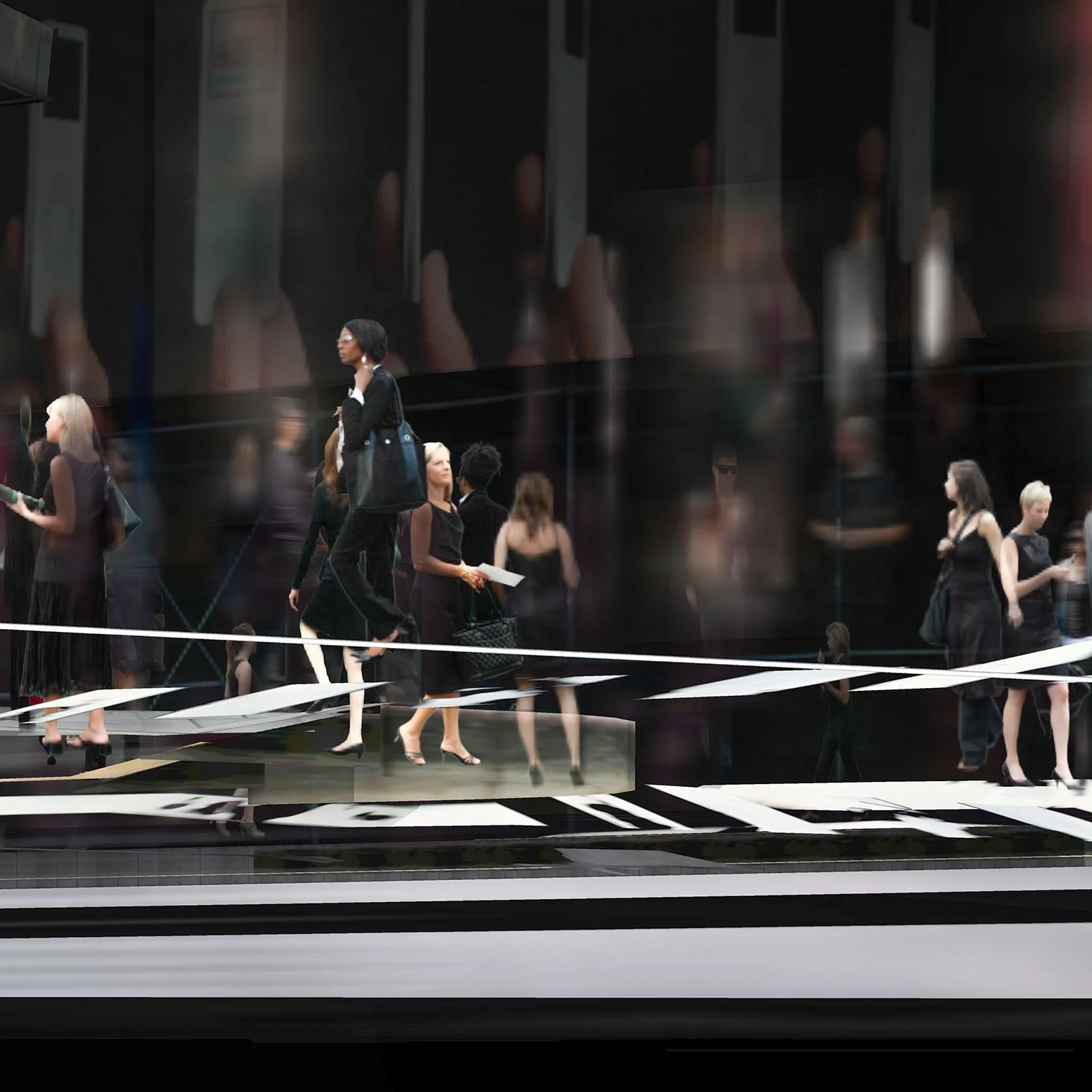
Fluctuating Realities
2005-2007
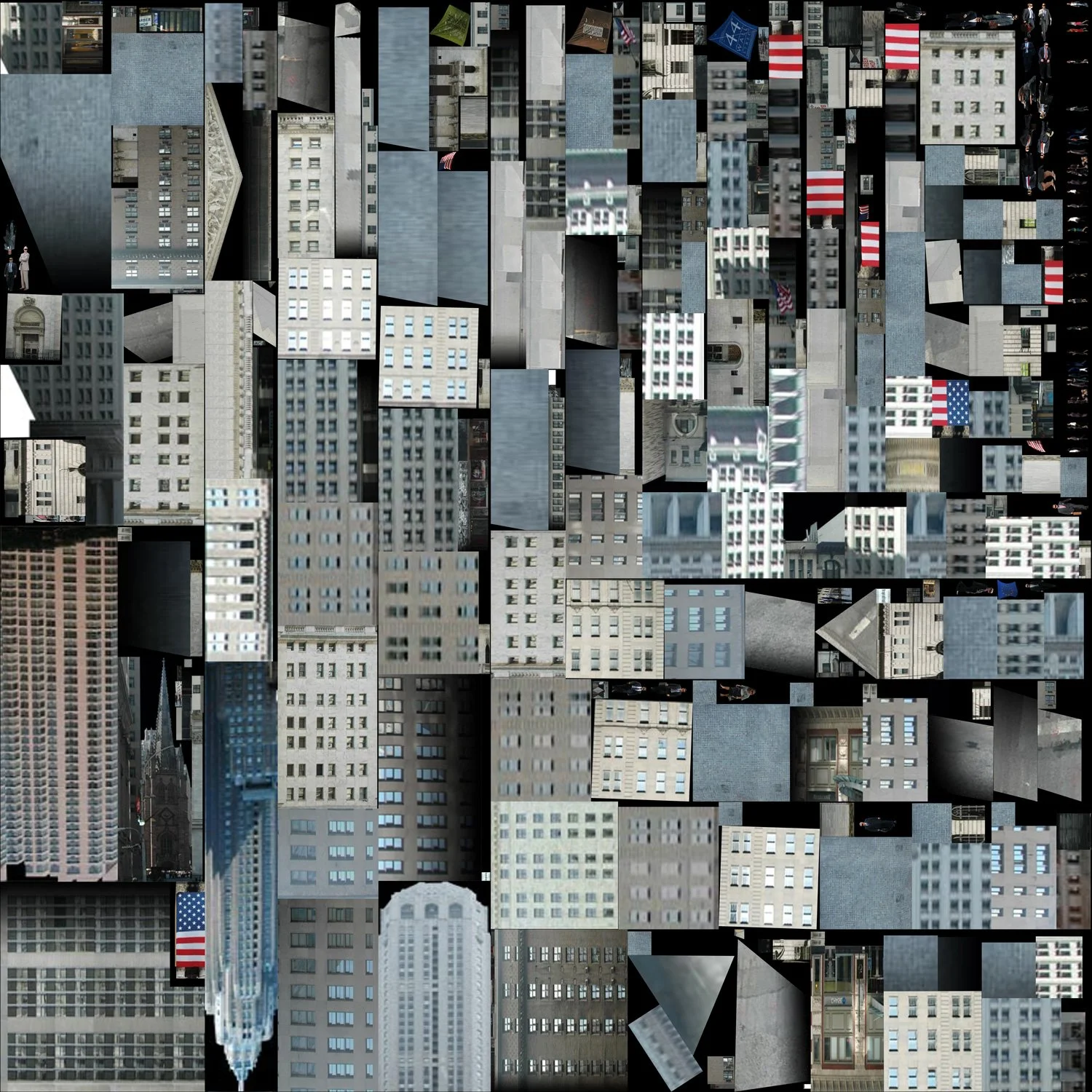
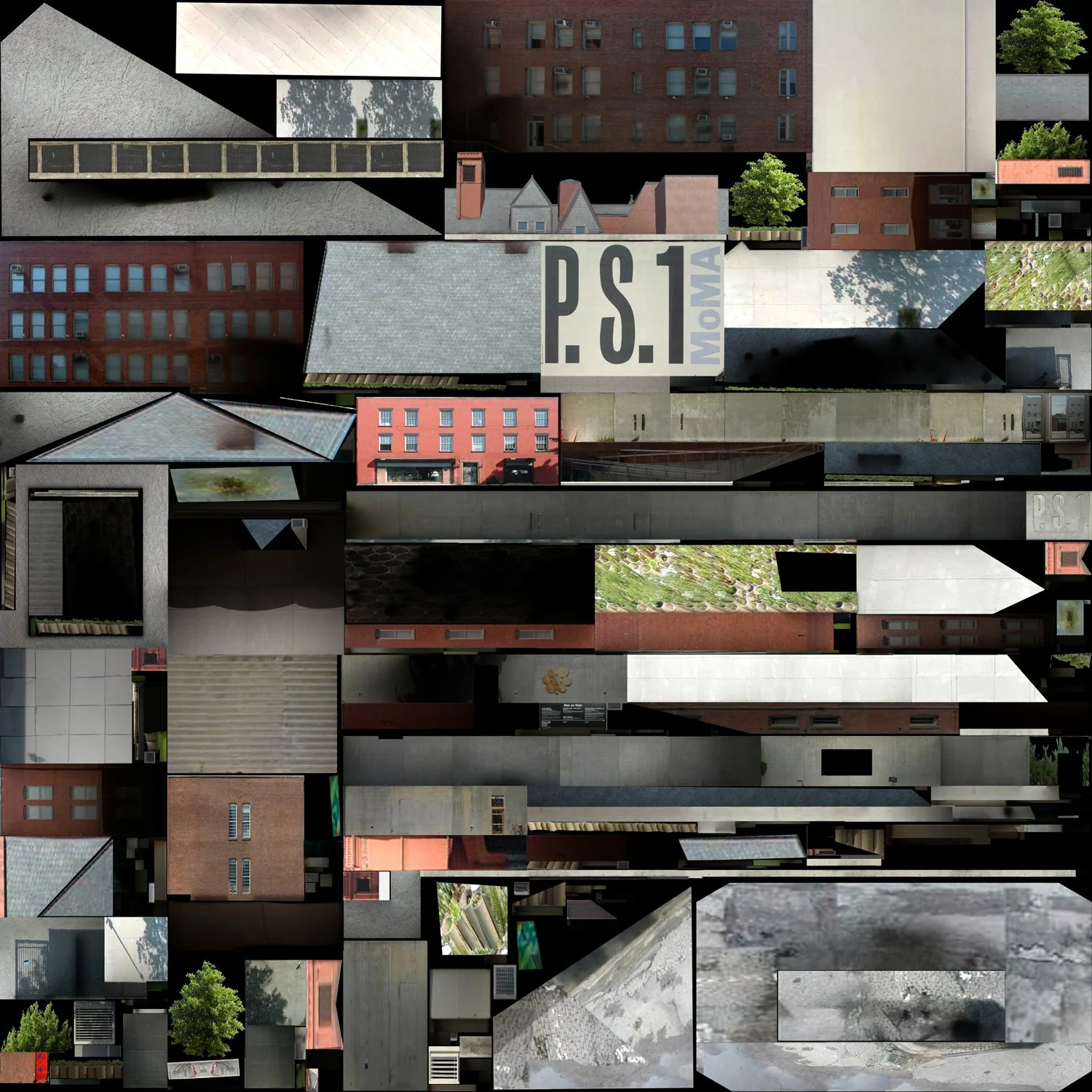
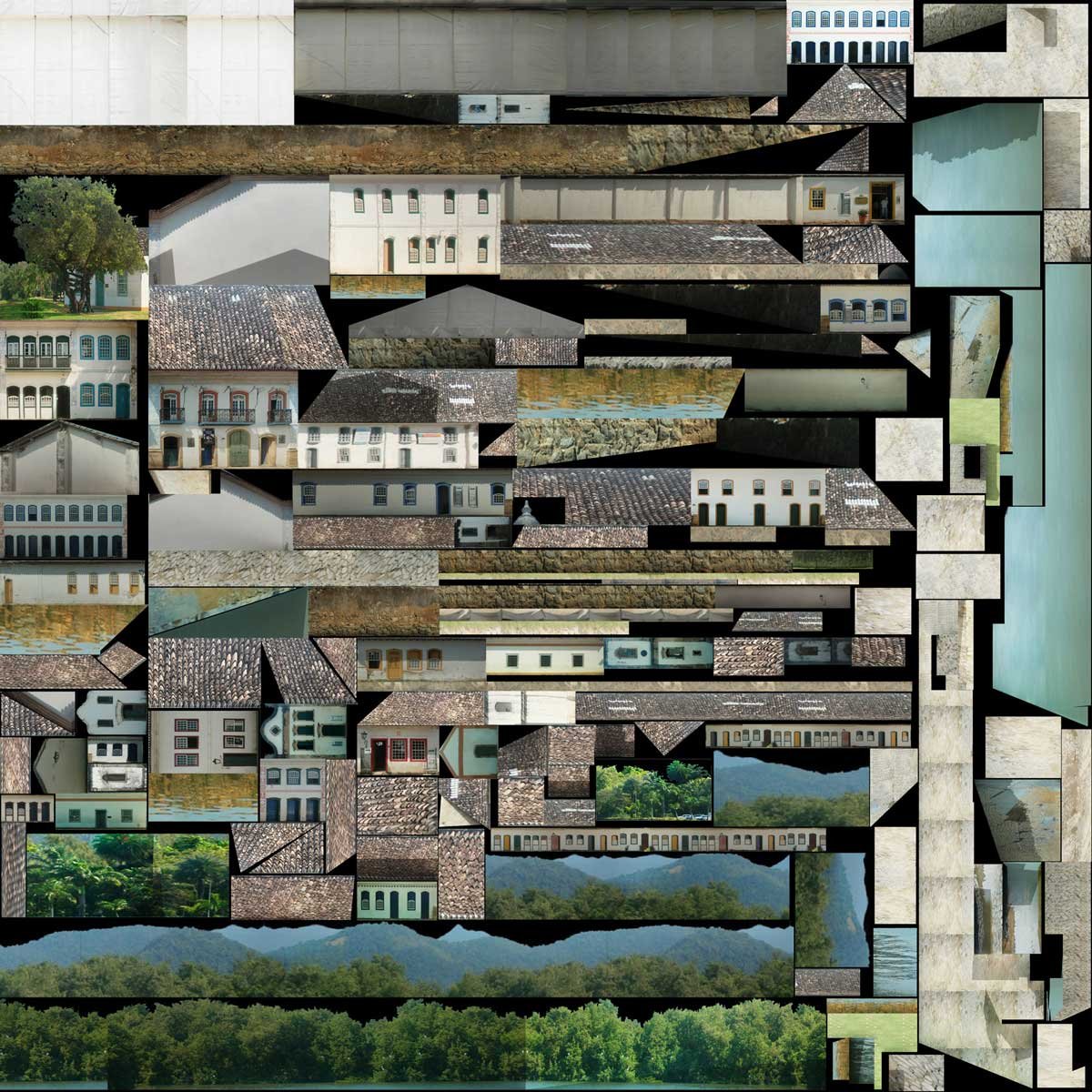
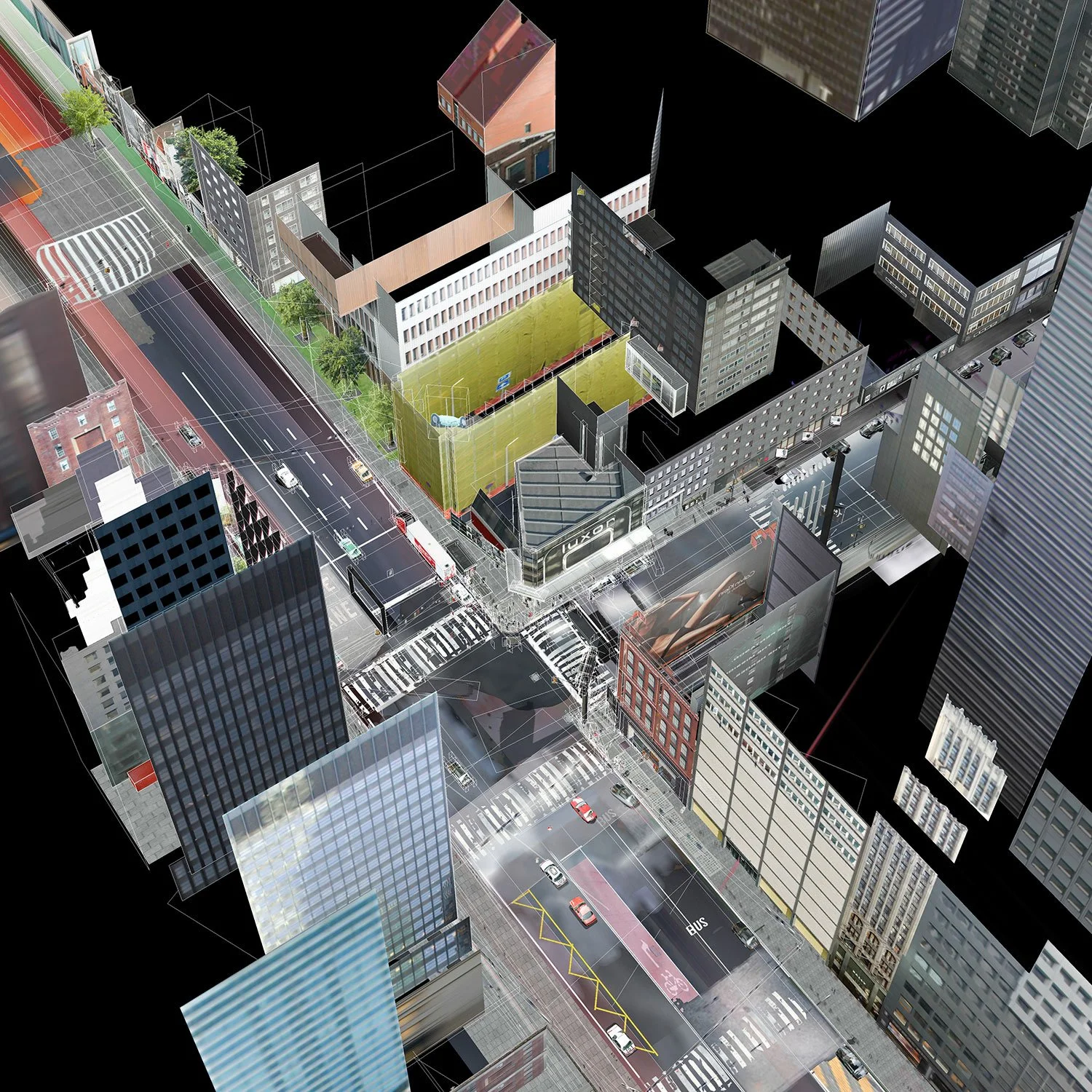
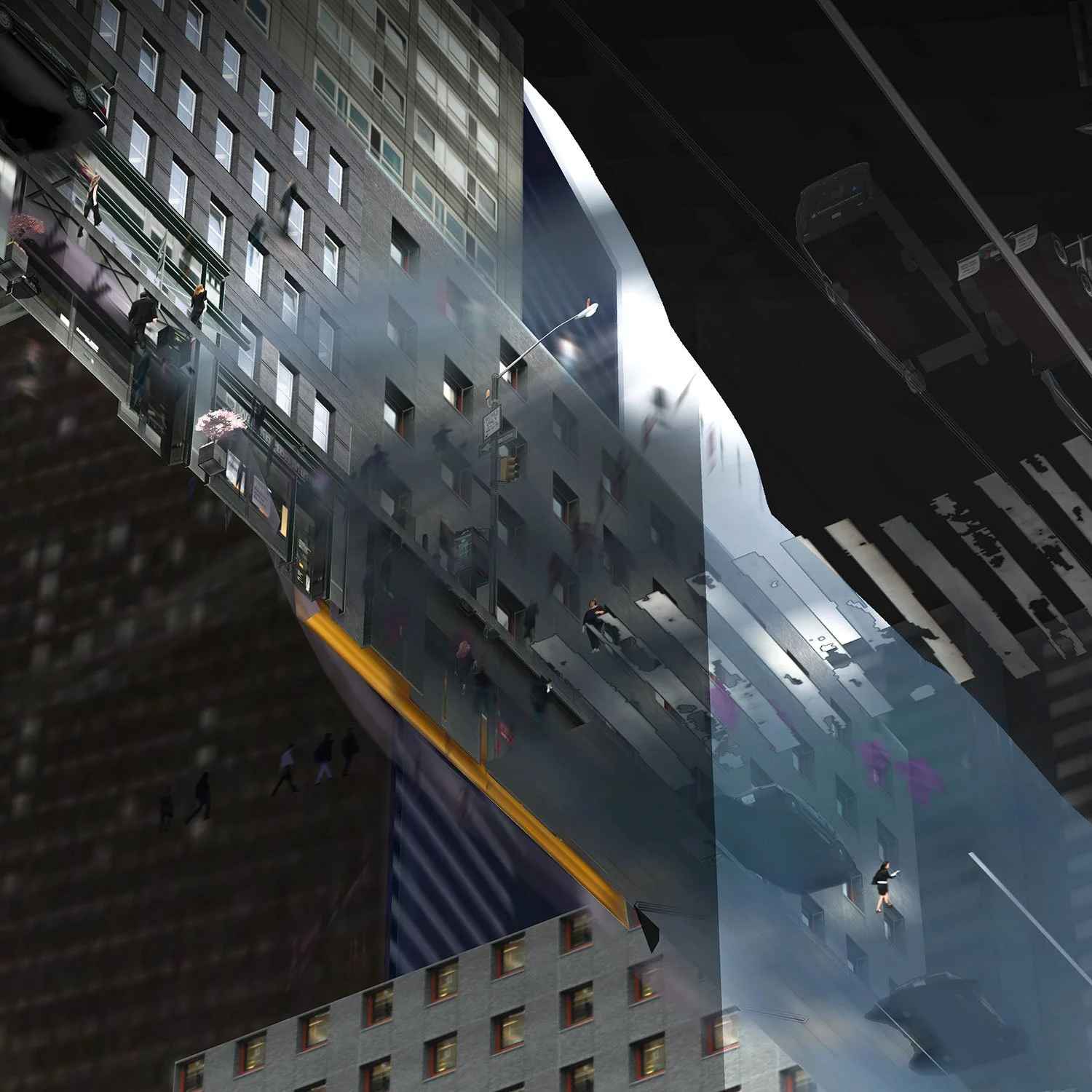
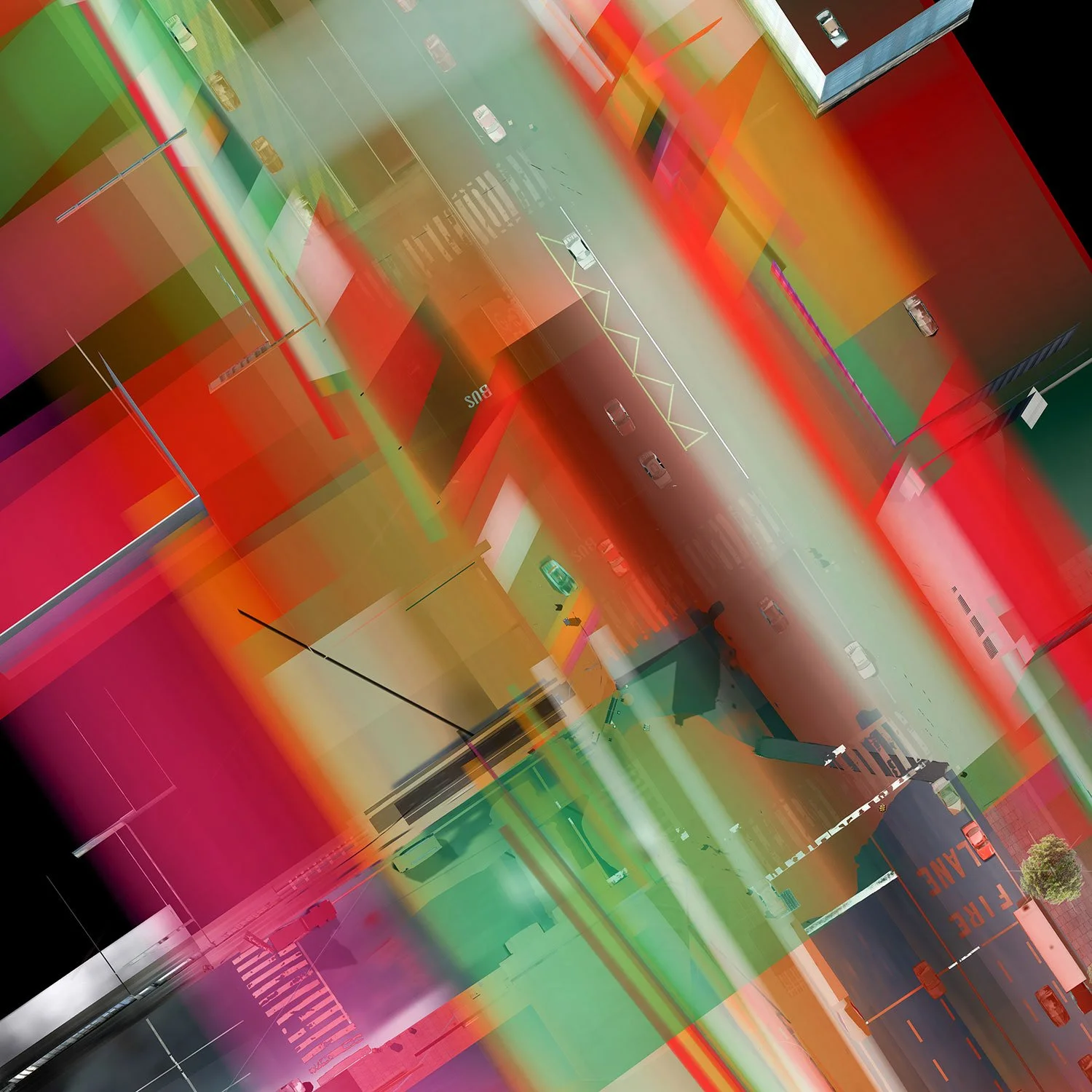
Fluctuating Realities reimagines urban landscapes as intricate 3D collages built from thousands of photo sprites. The scenes behave like perception in motion: layered, adaptive, and continuously assembling a world from fragments.
Rather than presenting the city as fixed, the series makes coherence feel provisional. It asks how much of reality depends on the frame that gathers it, and what begins to shift when that frame loosens.
See full series →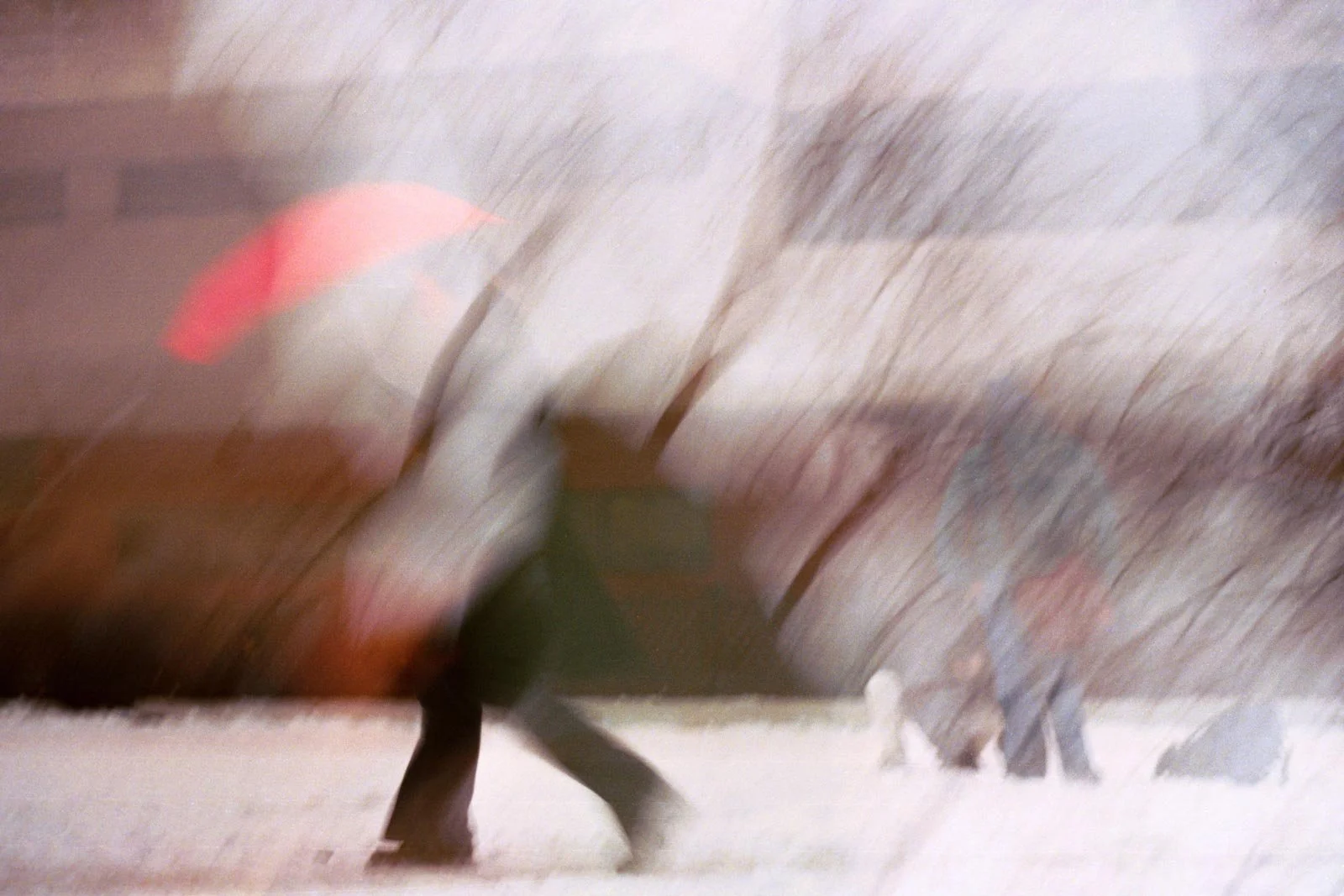

Veil of Perception
1999-2001
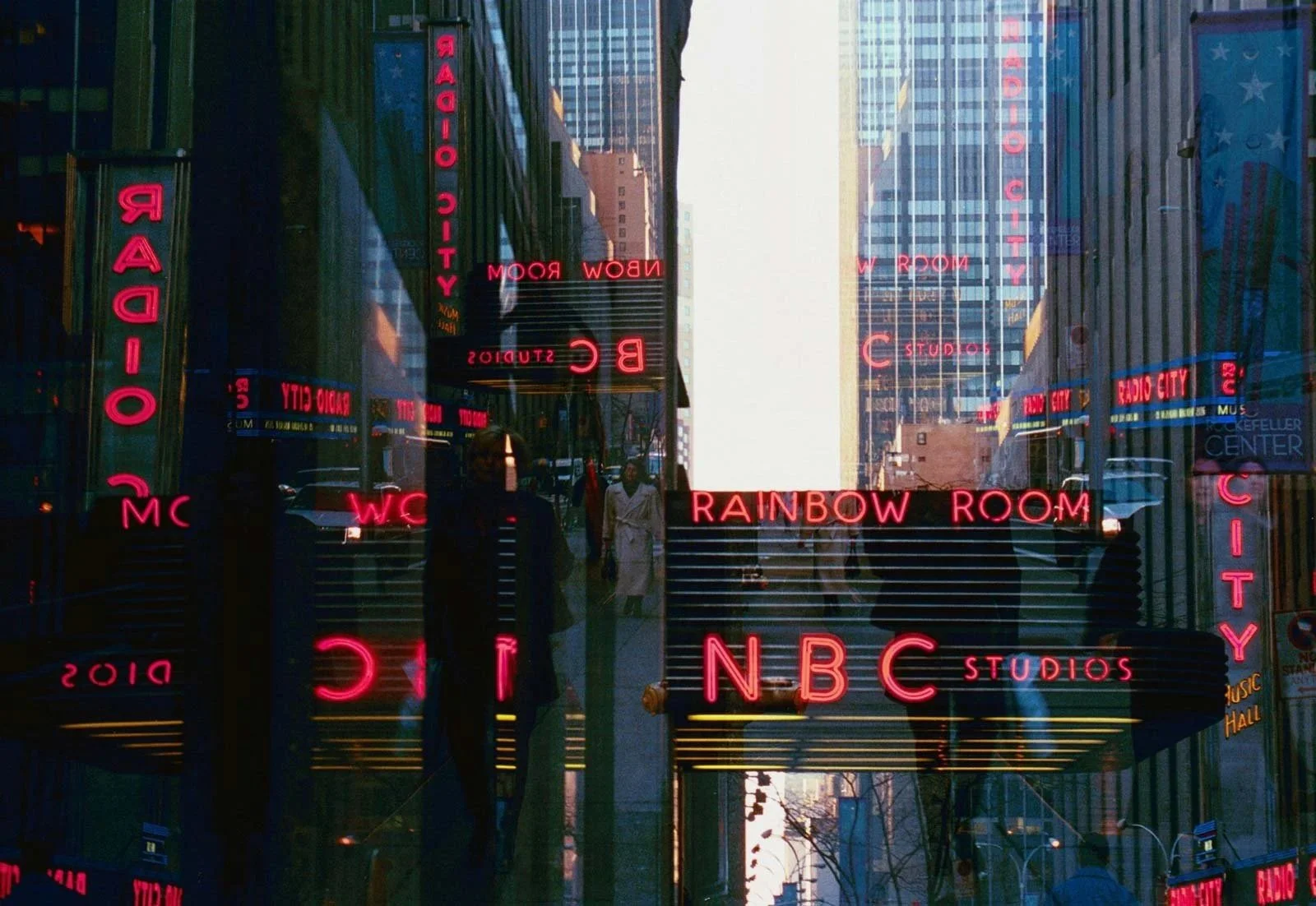
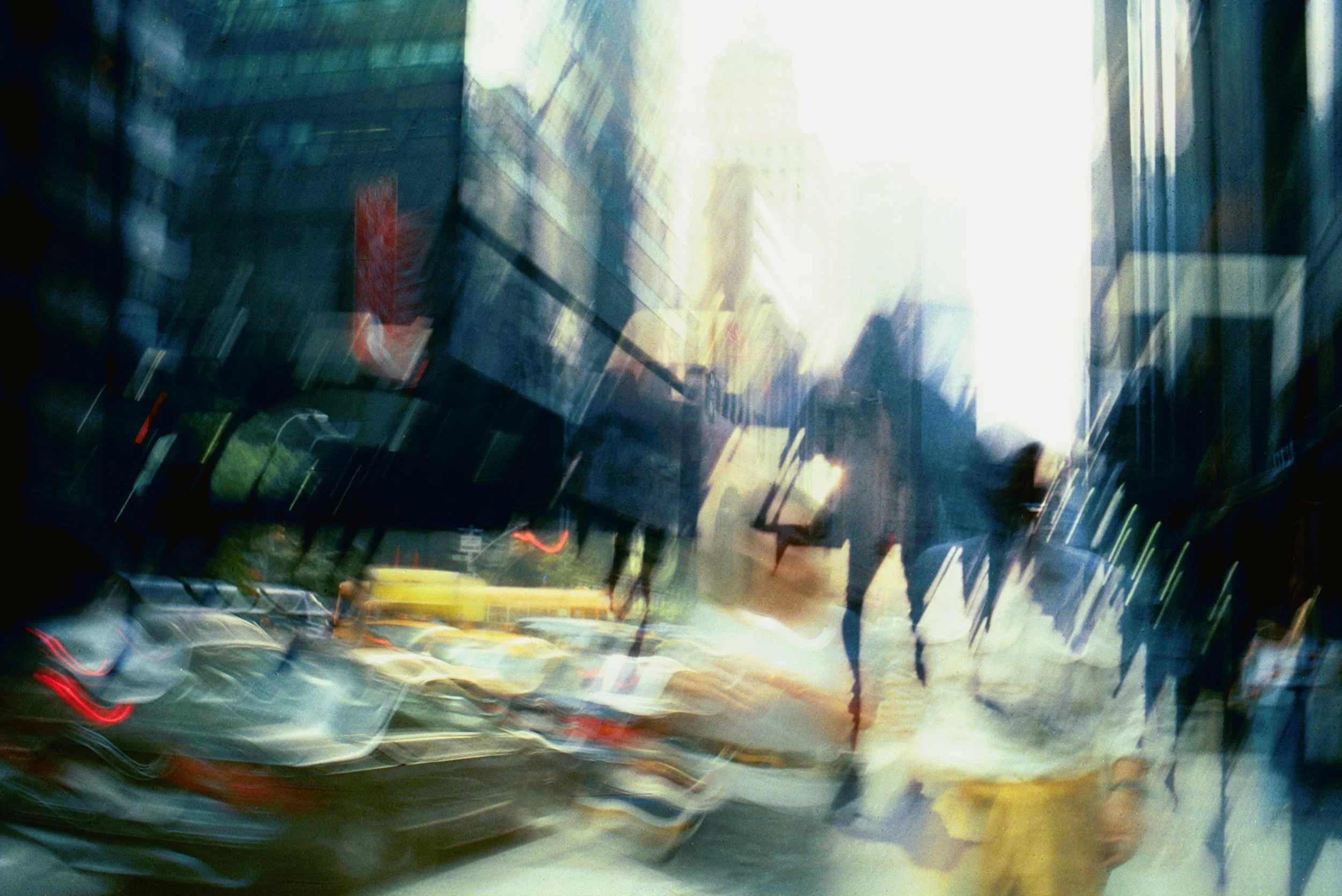
Veil of Perception uses city scenes, double exposure, reflection, and shadow to test how easily the mind mistakes a partial view for the whole. The photographs do not simply depict urban life; they create interruptions in automatic interpretation, where surface, reflection, and background begin to exchange places.
The series asks what happens when seeing becomes less certain. A window, a shadow, or a reflection becomes a reminder that perception is never neutral: it selects, overlays, conceals, and completes before we know it has begun.
See full series →
MARTIN LENCLOS
“These works are not statements so much as perceptual propositions: images, objects, and interruptions for seeing what changes when the frame changes first.”
Explore Perception Is the First Creative Act →META NOTES
This page is a living document. Last updated: June 11, 2026
Updated the page from an Art Series / store-oriented structure into Projects in Perception: a gallery-first index of perception studies, self-questioning devices, prototype inquiries, design fictions, and earlier works. Refined categories, removed archive/store confusion, and adjusted descriptions.
03-19-2026: I updated the Art Series page to be gallery-first: each series now features a curated 4-image set with click-to-enlarge viewing, and purchase/store pathways were removed or demoted so the work can be explored without buying pressure. I also tightened the intro and refined multiple series descriptions to emphasize craft and perceptual inquiry with lighter, less doctrinal language and more consistent CTAs/microcopy.
Newly created on November 14, 2025